
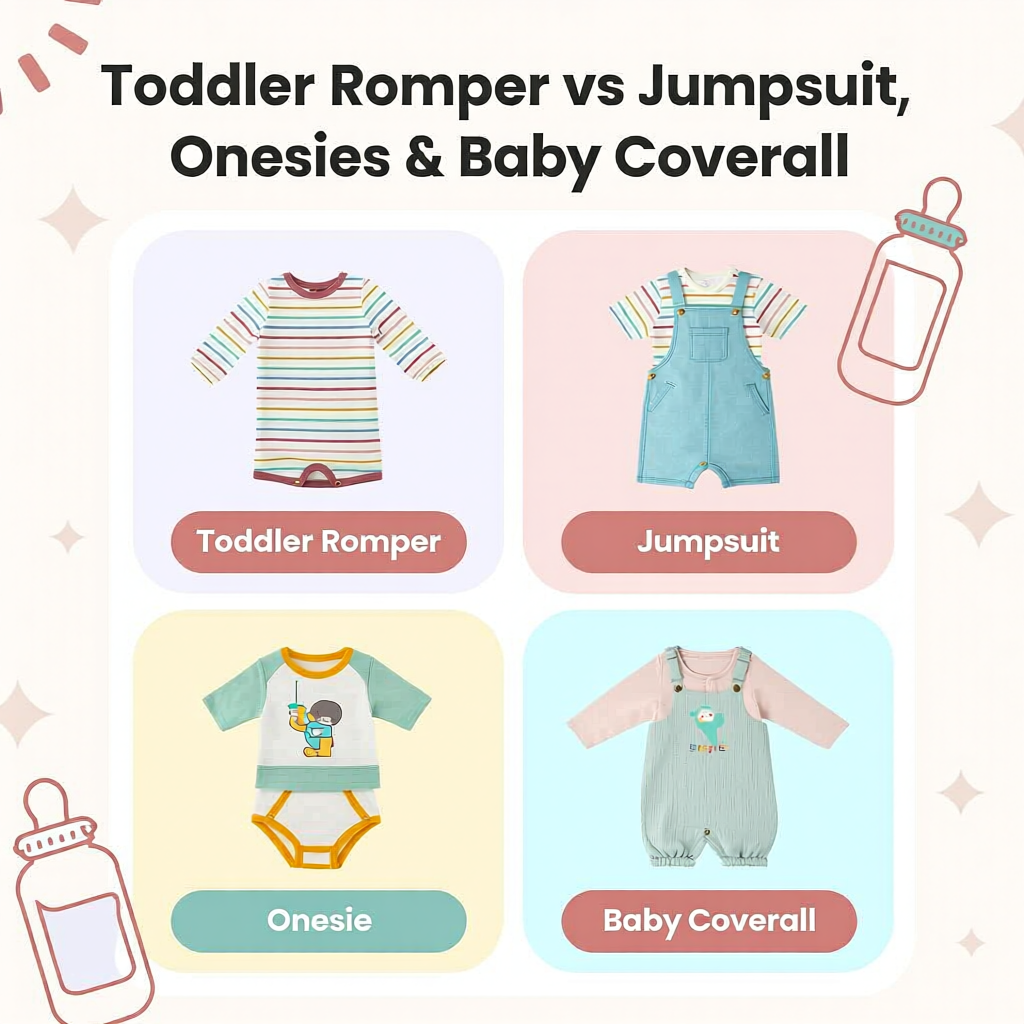
Tiny wardrobes can be a source of big confusion. Parents, gift-givers, and childcare pros frequently enough face a small vocabulary crisis when they try to pick between a romper, a jumpsuit, a onesie , nd a baby coverall - all familiar shapes in miniature, yet each with its own history, purpose, and practical quirks.
This article peels back the fabric to show what makes each garment distinct: who they’re made for, how they’re cut, the closures and diaper-access features that matter most, and the ways season, mobility, and laundering shape the choice. Along the way, you’ll see why these names sometimes get used interchangeably, and when a subtle difference can actually matter.
Read on for a clear, creative guide that turns the jargon of baby clothes into useful, everyday criteria – so choosing the right piece feels less like guessing and more like dressing for the day ahead.
Table of Contents
- When to choose a romper versus a jumpsuit for active toddlers
- Onesie or coverall for playtime and naps: fabric, seasonality, and breathable layering
- design details that speed diaper changes: closures, leg snaps , and waist fit to prioritize
- Sizing for growth spurts: age ranges, stretch, and tailoring tips to extend wear
- Care and safety recommendations: washing, material durability, and hazard checks
- Q&A
- The Conclusion
When to choose a romper versus a jumpsuit for active toddlers
Think of playtime as a tiny true test lab: if your toddler spends most of the day crawling, climbing and sprinting across the living room, choose pieces that let limbs fly and temperature stay steady. Rompers excel when freedom and fast diaper changes matter – short legs, snap crotches, and minimal layers mean fewer barriers between a curious tot and the next adventure. For cooler mornings, longer park sessions, or when you need an all-in-one outfit for travel, a jumpsuit offers coverage and warmth without fuss.
Match the garment to the moment by weighing a few quick factors:
- Mobility: Romper – light and airy for active play.
- Warmth & layering: Jumpsuit – keeps arms and legs cozy.
- Diaper changes: Romper - faster snaps at the crotch.
- Outdoors & messy play: Jumpsuit - better coverage for rougher conditions.
| Situation | Best Pick | Why |
|---|---|---|
| Indoor playdate | Rompers | Cool, easy to change |
| Park visit | Jumpsuits | Extra protection |
| Travel or nap time | Jumpsuits | Comfort and warmth |
Fabric and closures often clinch the decision: breathable cotton blends and reinforced knees for rompers, and zip-front or snap-sealed seams for jumpsuits that make dressing speedy. Aim for a fit that allows a full range of motion without drowning the child in fabric – durability matters, but so does the grin when they conquer the couch fortress. Experiment with both styles in your toddler’s weekly rotation so you always have the right outfit ready for whatever they decide to try next.
 Onesie or coverall for playtime and naps: fabric, seasonality, and breathable layering
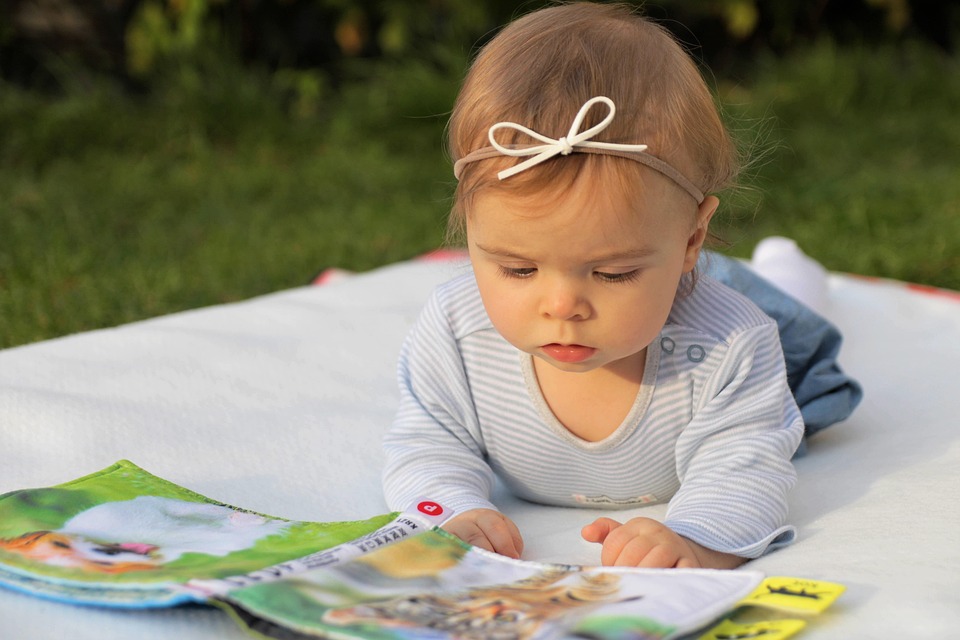
When choosing a snug outfit for both play and snoozes, prioritize fabric that balances comfort and function. Natural fibres like cotton and bamboo are excellent for everyday wear because they are lightweight, absorbent, and naturally breathable. For cooler months, consider a thin merino layer for its thermoregulating properties, or a cotton blend with a little stretch (a small percentage of elastane) to allow crawling and climbing without restriction. Avoid heavy synthetics at nap time-they trap heat and can make a toddler uncomfortable. Look for tags that mention moisture-wicking or temperature control if your child tends to overheat or sweat during active play.
Season matters as much as cut: a short-sleeve romper works great for summer afternoons, while full-length coveralls offer protection and warmth when temperatures drop. Below is a quick guide to pair fabric and layering choices with seasonal needs:
| Season | Fabric | Layering Tip |
|---|---|---|
| Summer | Light cotton / bamboo | Onesie alone + sun hat |
| Spring | Cotton blend | Onesie + zip cardigan |
| Autumn | Merino or thicker cotton | Coverall + thin sleepers |
| Winter | Fleece-lined / wool blend | Layer under a sleep sack |
- Play tip: Choose stretch panels at knees and shoulders for durability and movement.
- Nap tip: Check neck and chest-if they’re sweaty, remove a layer.
- Safety tip: Avoid oversized layers for sleep to reduce suffocation risk; prefer breathable, fitted pieces.
Design details that speed diaper changes: closures, leg snap, and waist fit to prioritize
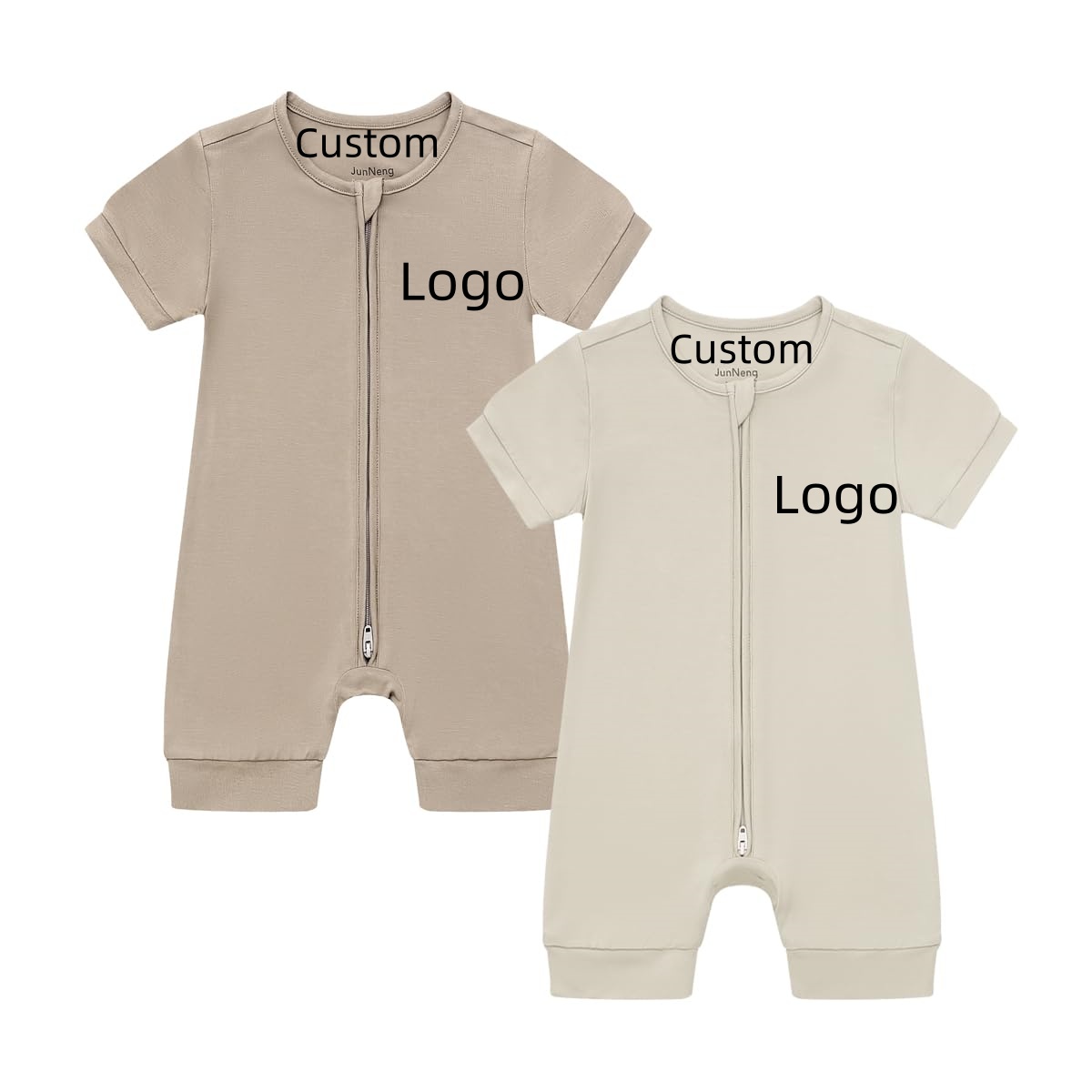
Small design choices make a big difference when you need to get the baby dressed and back to play. Prioritize fastening types that open widely and re-close securely: a single long zipper with a protective flap lets you unzip from the bottom or top, while well-placed snaps at the crotch give quick, targeted access without pulling the whole romper off. Look for details like a soft zipper guard to prevent pinching and magnetic closures with fabric covers for smooth, one-handed operation during fussy moments.
Fit around the hips and legs matters as much as the fasteners. Choose rompers with adjustable waist snaps or elastic panels that keep the garment in place but still allow room to wiggle; properly cut leg openings and gussets reduce bunching and make opening a single snap more effective. Quick tips to check when shopping:
- Wide-opening crotch: fewer layers to manipulate.
- Secure yet gentle snaps: won’t scratch delicate skin.
- Adjustable waist: extends wear and improves fit.
| Fastener | Speed | Baby-friendly |
|---|---|---|
| Two-way zipper | Excellent | High (with guard) |
| Snap crotch | Very Good | Very High |
| Magnets | Fast | High (watch hardware) |
Sizing for growth spurts: age ranges, stretch, and tailoring tips to extend wear
Kids never stop stretching – sometimes literally overnight – so think in layers: length first, width second. A romper that fits snugly across the chest but leaves an inch in sleeve and inseam length will often get another month or two of useful wear; conversely, a garment that’s long but tight across the shoulders won’t. Fabrics with natural give (cotton-spandex blends, jersey knits) and features like elasticized waists, adjustable straps, or foldable cuffs are the unsung heroes of longevity. When shopping, favor pieces with adjustable closures (snaps, ties, button tabs) and slightly longer hems that can be rolled or let down – these small design choices translate to big savings over a growth-packed season.
Practical tweaks at home can buy even more life: shortening hems, letting out a seam where there’s a generous allowance, or replacing a rigid waistband with elastic can transform a one-wear piece into a favorite. Quick reference: pick the next size up for spring-and-fall spurts, choose stretchier fabrics for rapid growers, and keep a tiny sewing kit for on-the-spot fixes.
- Buy one size up for “fast growers” or when between sizes.
- Prefer stretch fabrics for rompers and onesies; save woven pieces for special occasions.
- Look for adjustable details – cuffs, waist tabs, and snap rows increase lifespan.
| Age Range | Typical Size | Sizing Tip |
|---|---|---|
| 6-12 months | 6-12M | Buy +1 size; choose stretch jersey |
| 12-24 months | 12-24M / 2T | Adjustable waist or cuffs preferred |
| 2-4 years | 2T-4T | Look for rollable hems and snap extensibility |
Care and safety recommendations: washing, material durability, and hazard checks
Treat tiny clothing like treasured tools: wash on a gentle cycle with mild detergent, prefer cold water to preserve dyes and shrinkage, and skip bleach or harsh brighteners that weaken fibers. Turn rompers and coveralls inside out to protect prints and snaps, and opt for a quick spin rather than heavy tumbling – air-drying or a low-heat finish extends fabric life and keeps elastic from sagging. For long-term durability, look for reinforced seams at knees and crotch, double-stitching on stress points, and natural fibers blended with a small percentage of synthetic yarn to resist pilling.
| Fabric | wash | Durability | Quick Tip |
|---|---|---|---|
| 100% Cotton | Cold, gentle | Softens but may shrink | Pre-wash before first wear |
| Cotton Blend | Warm, gentle | Good longevity | Resists pilling |
| Polyester Knit | Cold, low heat | High durability | Quick-dry |
Safety checks should be ritual: scan garments before each use for loose threads, missing snaps, or exposed metal. Remove or replace anything that could snag or detach, and avoid decorative elements that aren’t firmly anchored. Keep in mind flame safety-choose snug-fitting sleepwear for night wear or clearly labeled flame-resistant fabrics where appropriate.
- Snaps & buttons: Tug to ensure secure stitching; replace loose ones instantly.
- Zippers: Check sliders and add a fabric guard to prevent skin pinches.
- Elastic & Drawstrings: Ensure elastic is snug but not worn; remove drawstrings from necks and waists.
- Repairs: Patch small holes and reinforce seams-mending extends life and keeps hazards away.
Q&A
Q: What’s the simplest way to tell these garments apart?
A: Think of purpose and shape. A onesie (or bodysuit) is a baby top with snaps at the crotch. A romper is a one-piece that usually looks like a top + shorts (or short-style bottom) and is more of an outfit. A jumpsuit is a full-length one-piece with long legs. A baby coverall is a full-coverage one-piece, often footed, designed for sleep or easy dressing. There’s overlap, but look at length (short vs long legs), whether it’s primarily a top or full outfit, and whether it includes feet.
Q: Are these terms interchangeable?
A: Not exactly. Brands and parents sometimes use them loosely, but each word suggests a different cut and purpose. “Onesie” is specifically a bodysuit. “Romper” implies a playful one-piece (short or sleeveless options are common). “Jumpsuit” implies long legs. “Coverall” implies full coverage and practicality – often meant for warmth or sleep.
Q: Which is best for diaper changes?
A: Onesies usually win for quick diaper access because of the crotch snaps. Many rompers also have snaps or zippers at the crotch and can be convenient. Jumpsuits and coveralls may have zippers down the front or inseam snaps; if they don’t, they can be slower to change. Look for designs with crotch snaps or two-way zippers to speed changes.
Q: What’s most practical during potty training?
A: Rompers and jumpsuits with elaborate closures can be tricky. Loose two-piece outfits or pull-on pants are easiest. If you want a one-piece, choose styles with easy-to-open crotch snaps or a full unzip (two-way zipper) so the child can undress quickly.
Q: At what ages do kids typically wear each?
A: Onesies are most common in infants (0-12 months), but some toddlers wear them until potty training. Rompers are popular for babies and toddlers (6 months-3 years). Jumpsuits and coveralls are used across babies and toddlers; coveralls are common for sleep through toddlerhood. Age overlaps depend more on mobility and potty training thanon strict cutoffs.
Q: Which is better for sleep?
A: Coveralls and footed pajamas are designed for sleep – they provide warmth and reduce loose blankets. Onesies can be used under pajamas. Rompers can be used for day sleep (naps) , but might potentially be less warm if short-legged. Always consider sleepwear safety: fitted cotton is preferable, and flame-resistant or snug-fitting sleepwear should meet safety guidelines.
Q: What fabrics are typical?
A: Cotton and cotton blends are common for breathability and softness. Fleece or thermal knits are used for colder weather coveralls. Jersey, ribbed cotton, and organic cotton are popular for onesies and rompers. For warmth and durability, some jumpsuits use thicker knits or brushed cotton.
Q: How do closures differ?
A: Onesies use crotch snaps. Rompers usually have snaps or buttons at the crotch or back/shoulder closures. Jumpsuits often use full-length zippers (sometimes two-way) or snap plackets. Coveralls frequently enough have zippers from neck to ankle or snap fronts for easy dressing and diaper changes.
Q: Which style is best for mobility and play?
A: Rompers and soft cotton jumpsuits are designed for play – they allow freedom of movement. Onesies are great when layered under pants or skirts. Coveralls can be bulkier, especially insulated ones, so for active play in warm conditions, they might feel restrictive.
Q: Are there safety concerns specific to any of these?
A: Avoid loose ties, hoods with cords, or embellishments that detach. Check that zippers have guards to protect skin. For sleepwear, follow flame-resistance and fit guidelines: snug-fitting clothing reduces the need for flame retardants. Always follow the manufacturer’s age and safety recommendations.
Q: What should I pick for hot weather?
A: Short rompers, cotton onesies, or lightweight jumpsuits in breathable cotton are best. Opt for sleeveless or short-sleeve options, and keep feet uncovered for cooling. Light colors and UV-protective fabrics help for outdoor use.
Q: What about cold weather?
A: Choose long-sleeved jumpsuits or insulated coveralls, preferably footed for extra warmth. Layer a onesie underneath for insulation. Look for zippers that make layering and quick changes easy.
Q: How do I size these garments so they last longer?
A: Buy with some room for growth, but not so large that the garment becomes a safety hazard or interferes with mobility. For sleepwear, don’t oversize excessively. Consider size-up for outerwear coveralls; for fitted onesies, buy true to size or slightly larger.
Q: How easy are they to care for?
A: Most are machine washable. Check labels for fabric-specific instructions (e.g., fleece or special finishes). Avoid fabric softeners on flame-resistant sleepwear as they can reduce flame resistance. Zippers and snaps can rough up delicate fabrics, so launder inside-out or in a mesh bag if desired.
Q: Can older toddlers wear onesies?
A: Yes, many toddlers wear onesies until potty training begins. After potty training, parents often prefer two-piece outfits to encourage independence.
Q: Are there gender differences?
A: These garments are largely unisex. Print, color, and styling can be gendered by marketing, but the functional differences are neutral - comfort, convenience, and weather appropriateness should guide choices.
Q: How do these garments work with car seats?
A: Bulky coveralls or heavily padded jumpsuits can compress and reduce the harness’s effectiveness in a car seat. For travel, dress the child in thin layers and add a blanket over the harness after buckling, or use car-structure-appropriate outerwear. Always follow car seat manufacturer’s guidance.
Q: Quick shopping checklist – what to look for?
A: – Easy closures for diaper changes (crotch snaps, two-way zippers)
- Breathable, soft fabric suitable for the season
– Proper fit (not too loose for sleepwear)
- Durable seams and easy-care fabric
– Safety features (zipper guards, no loose decorations)
Q: Final rule of thumb?
A: Choose by function: onesies for underlayers and diaper-access ease, rompers for casual day outfits and warm-weather ease, jumpsuits for full-coverage daytime wear, and coveralls for cozy sleep or cold-weather protection. Mix and match by season, activity, and how easy you need diapering or potty access to be.
The Conclusion
Whether you call it a romper, jumpsuit, onesie, or ceach piece has a clear purpose in the small but surprisingly complex wardrobe of early childhood. Rompers and jumpsuits lean toward style and ease for toddlers on the move; onesies are about secure comfort and diaper access for infants; coveralls offer full-coverage warmth and protection for messier moments. Knowing these differences helps you pick garments that suit the season, the activity, and the stage of development every outfit feels like the right fit.
At the end of the day, the best choice is the one that keeps your child comfortable, makes caregiving simpler, and suits your everyday routines. Think of these garments as tools in a tiny wardrobe toolbox: different shapes, same purpose-to make childhood a little easier, and a little more playful.