
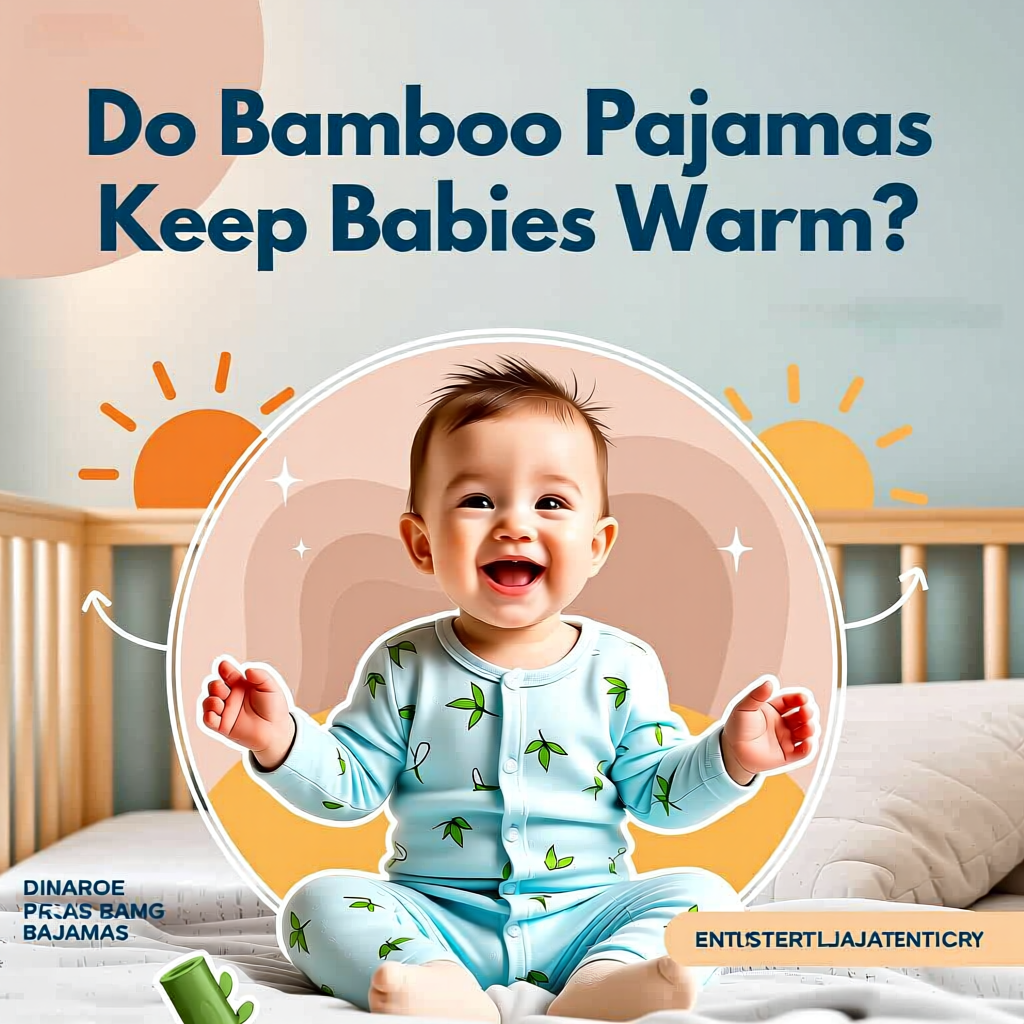
A hush falls over a nursery like a soft breeze through a bamboo grove: shafts of green, silk-smooth leaves, and a promise of calm. Bamboo fabric has borrowed some of that imagery - marketed as gentle, breathable, and naturally soft – making it a popular choice for baby sleepwear. Yet beneath the cozy metaphor lies a practical question parents quietly ask in the middle of the night: Do bamboo pajamas actually keep babies warm?
The answer isn’t a simple yes or no. Bamboo-based textiles come in many weaves and blends, and a baby’s warmth depends on more than fiber alone: garment construction, tog rating, room temperature, a child’s age and metabolism, and safe sleep practices all play a role. Bamboo’s moisture-wicking and thermoregulating properties can help maintain comfort, but how that translates to warmth varies with context.
This article will explore the science behind bamboo fabric, compare it to other materials, consider safety and layering strategies, and offer practical guidance for choosing sleepwear suited to your nursery climate. Expect clear, evidence-informed information – and no bedtime myths - so you can decide whether bamboo pajamas are the right gentle embrace for your little one.
Table of Contents
- How bamboo fabric regulates a baby’s body temperature and when it keeps them warm
- Comparing the warmth and moisture control of bamboo pajamas versus cotton and synthetics
- Safety, breathability, and allergy considerations for keeping infants comfortable
- Practical sizing, layering, and nursery temperature recommendations for bamboo sleepwear
- Care tips to preserve the softness and thermal performance of bamboo pajamas
- Q&A
- Insights and Conclusions

How bamboo fabric regulates a baby’s body temperature and when it keeps them warm
Bamboo fibers are naturally airy and slightly hollow, so they move moisture away from delicate skin while allowing heat to escape when the room is warm. This breathable structure gives bamboo pajamas a subtle cooling effect without feeling drafty - it balances evaporation and insulation rather than trapping sweat against the body. Because bamboo also wicks quickly, a dry microclimate forms next to the baby’s skin, helping body temperature stay steady through naps and overnight changes.
When temperatures drop, bamboo doesn’t behave like a purely cooling fabric; its soft pile and the way it traps tiny pockets of still air can act as a gentle insulator. In cooler rooms, a snug bamboo layer will retain enough warmth for comfort, especially when paired with a light outer layer. Key moments that keep babies warm:
- Cool-but-not-freezing rooms: a single bamboo sleeper is often sufficient.
- Dry conditions: bamboo preserves warmth better once moisture is wicked away.
- Layered sleepwear: bamboo as a base layer plus a cotton or fleece cover works well.
Practical tip: match pajamas to room temperature and add or remove layers rather than relying on fabric alone. For parents who track room temps, bamboo is most versatile between about 68-75°F; below that, add a thin blanket or a warmer sleep sack.
| Room Temp (°F) | Recommended Use | Bamboo Role |
|---|---|---|
| 76+ | Light bamboo onesie | Breathable, cooling |
| 68-75 | Bamboo sleeper | Balanced regulation |
| <68 | Bamboo + outer layer | Base insulation, wicks moisture |
Comparing the warmth and moisture control of bamboo pajamas versus cotton and synthetics
Bamboo pajamas stand out as their fibers combine a lightweight loft with tiny micro-gaps that help move moisture away from the skin, so babies frequently feel both cozy and dry. Unlike cotton, which soaks up sweat and can stay damp against a little one’s skin, bamboo tends to pull moisture to the surface and release it, helping regulate surface temperature. Many synthetics are engineered to wick moisture as well, but they can sometimes trap heat or create a clammy feel depending on weave and finish.
- Bamboo: balances warmth and breathability for fluctuating room temperatures.
- Cotton: soft and insulating when dry, but it can hold moisture close to the skin.
- Synthetics: effective wicking but may over-insulate or irritate sensitive skin if not well-ventilated.
| Material | Warmth | Moisture control | Softness |
|---|---|---|---|
| Bamboo | Moderate-High | Excellent | Very soft |
| Cotton | moderate | Absorbs (can feel damp) | Soft |
| Synthetics | High (can trap heat) | Good-Varies | Varies |
For practical use, think in layers: a bamboo onesie under a light sleep sack gives temperature balance plus dryness, while cotton might be best for calm, dry nights and synthetic blends for active, sweaty toddlers who need aggressive wicking. Always check the baby’s neck or back for clamminess and choose fabrics that match your room conditions-soft, breathable bamboo is a reliable middle ground for many families.
Safety, breathability, and allergy considerations for keeping infants comfortable
Soft, natural fibers like bamboo are prized for their ability to regulate microclimate next to a baby’s skin: the fabric is naturally moisture-wicking, allowing sweat to evaporate and reducing clamminess during naps and play. Because newborns can’t easily adjust their own temperature, choose garments with a snug but not restrictive fit, flat seams, and minimal embellishments that could trap heat. Keep an eye on room temperature and use layers – a breathable bamboo layer under a light sleep sack is often safer than heavy one-piece suits, as it helps prevent overheating while keeping movement unrestricted.
Allergic reactions to textiles are uncommon but possible; opt for certified bamboo blends (OEKO-TEX or similar) and launder new pajamas before the first wear to remove processing residues. Use the checklist below for swift safety checks, and refer to the comparison table to choose the best fabric for your needs.
- Check tags & trims: avoid loose buttons, long ties, or scratchy labels.
- Layer smartly: one breathable layer plus a lightweight cover works better than bulky single pieces.
- Watch for skin changes: redness or rashes that persist – try switching fabrics and consult your pediatrician.
| Fabric | Breathability | Allergy Risk | Best Use |
|---|---|---|---|
| Bamboo | High | Low (if certified) | Everyday sleepwear |
| Cotton | Moderate | Low | Casual wear |
| Synthetic | Low to Moderate | Higher (sweat can irritate) | Outdoor layers only |
 Practical sizing, layering, and nursery temperature recommendations for bamboo sleepwear
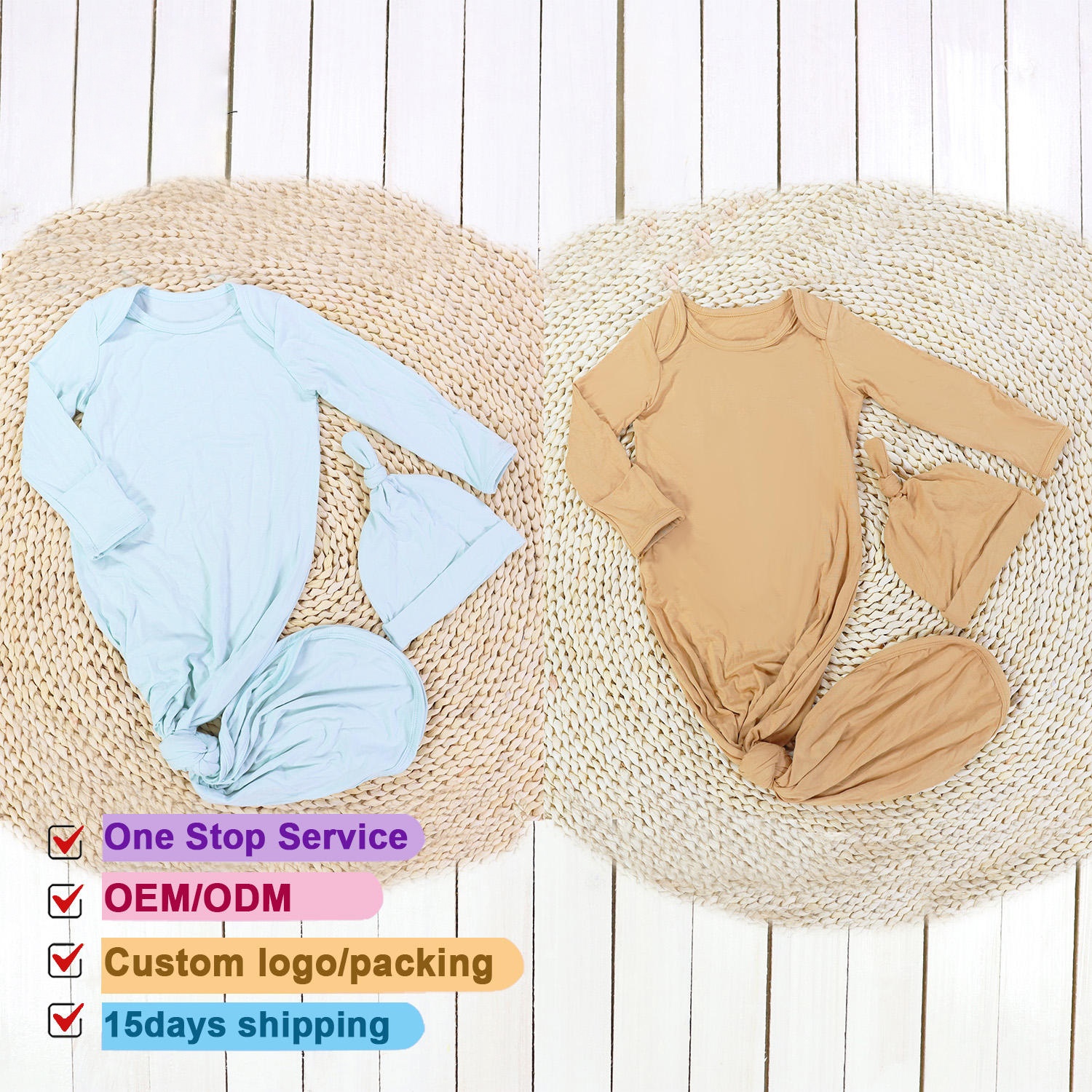
Bamboo sleepwear works best when the fit and layers are thoughtful – not oversized piles of fabric. Aim for clothing that is snug but not tight, with secure cuffs at wrists and ankles to avoid bunching. When choosing sizes, consider growth room without swallowing small limbs: a single size up can give an extra few weeks of use, but avoid garments so large they wrinkle or ride up. Practical cues like freedom to bend knees and move arms are better than rigid measurements.
- Choose a fitted silhouette: it reduces the risk of fabric covering the face and keeps the insulation even.
- Prefer long sleeves or footed options in cooler months; switch to short-sleeve or a light onesie in warm weather.
- Layer lightly: a base bamboo onesie + a bamboo sleep sack or a lightweight swaddle works well.
Bamboo’s natural breathability and thermoregulation mean a moderate nursery temperature is usually sufficient. A common, practical range is about 16-22°C (60-72°F), adjusted by season and your baby’s usual sleep comfort. The table below offers simple, creative suggestions by age and typical layering – use sleep-sack TOG ratings as a handy rule of thumb to fine-tune warmth.
| Age | Size | Suggested Layers | Room Temp (°C/°F) |
|---|---|---|---|
| Newborn (0-3 mo) | 0-3 months | Light bamboo onesie + 1.0 TOG sleep sack | 18-22°C / 64-72°F |
| infant (3-12 mo) | 3-12 months | Long-sleeve bamboo pajamas or footed suit | 16-20°C / 60-68°F |
| Toddler (1-3 yr) | 12-36 months | Bamboo PJs + light blanket or 1.5 TOG sack | 16-22°C / 60-72°F |
Quick tip: Use TOG as a guide and always check your baby’s neck or chest for warmth (not hands or feet) to confirm comfort. Small adjustments – a thinner layer, a different TOG sleep sack, or a size tweak – often solve sleep-time temperature issues without sacrificing safety or softness.
Care tips to preserve the softness and thermal performance of bamboo pajamas
Think of bamboo pajamas as a soft, breathable blanket for your baby’s skin. Simple care keeps that cloud-like feel and the fabric’s thermal balance intact. Wash on a gentle cycle with cold or lukewarm water, use a mild, fragrance-free detergent, and always avoid bleach and fabric softeners which can break down fibers and reduce breathability. For extra protection, turn garments inside out and place small items in a mesh laundry bag to prevent stretching or snagging during the spin.
- Temperature: Cold to warm (≤30°C/86°F).
- Detergent: Mild, baby-safe, pH-neutral.
- Avoid: Chlorine bleach, fabric softeners, high-spin cycles.
- Handling: Turn inside out, use a mesh bag for tiny pajamas.
When it comes to drying and storage, air-drying is ideal-hang flat or on a padded hanger out of direct sunlight to prevent fading and fiber stiffening. If you must tumble dry, choose the lowest heat setting and remove garments while still slightly damp to finish on a drying rack; this preserves loft and thermal performance. Store folded in a breathable cotton drawer or bin, not plastic, and rotate outfits frequently so fibers wear evenly and maintain their softness over time.
| Care Step | Quick Guideline |
|---|---|
| Washing | Gentle cycle, ≤30°C |
| Drying | Air-dry or low tumble, remove damp |
| Storage | Folded, breathable container |
Q&A
Q: What are “bamboo pajamas” for babies?
A: Bamboo pajamas are sleepwear made from fibers derived from bamboo plants, most commonly processed into viscose/rayon. They’re sold for their softness, breathability, and moisture-wicking properties. Look for product labels (e.g., “bamboo rayon,” “bamboo viscose,” or blends with cotton) and safety certifications.
Q: Do bamboo pajamas actually keep babies warm?
A: Yes – to a degree. Bamboo fabric can provide warmth because of the fiber and knit weight, but its breathability and moisture-wicking nature mean it often feels cooler than heavy synthetics or brushed fleece. Whether they keep a baby warm enough depends on the garment’s thickness, weave, room temperature, and layering.
Q: Are bamboo pajamas better for keeping babies warm than cotton or fleece?
A: “Better” depends on the goal. Compared with lightweight cotton, bamboo can feel softer and wick moisture better, which helps maintain comfortable body temperature. Compared with fleece or heavy flannel, bamboo is generally less insulating. For cold rooms, fleece or higher-TOG sleepwear is usually warmer.
Q: How should I choose pajamas based on room temperature?
A: Use the room temperature and a TOG guide to choose layers:
– warm room (≈24-27°C / 75-80°F): lightweight (0.2-0.5 TOG) or short-sleeve bamboo.
- Moderate room (≈20-22°C / 68-72°F): medium weight (0.5-1.0 TOG) or a bamboo sleepsuit with a light sleep sack.
– Cooler room (<20°C / <68°F): heavier fabrics or a higher-TOG sleep sack over pajamas.
Always adjust for your baby’s comfort and the home’s specific conditions.
Q: What is TOG , and does it apply to bamboo pajamas?
A: TOG is a measure of thermal resistance used for sleepwear and sleep sacks. Some bamboo pajamas are rated by TOG, but many aren’t. If the product has no TOG, judge by fabric weight and weave: thin bamboo knits are lower warmth, heavy interlock or brushed versions are warmer.
Q: How should I layer bamboo pajamas safely?
A: Layer thin bamboo garments rather than piling loose blankets. A common approach: a onesie or long-sleeve romper plus a sleep sack with an appropriate TOG. Ensure clothing is snug-fitting if required by local regulations and avoid loose bedding. Check the baby’s neck or chest to confirm comfortable warmth.
Q: Can bamboo pajamas cause overheating?
A: Bamboo’s breathability and moisture-wicking reduce overheating risk, but any sleepwear can contribute to overheating if the room is too warm or if too many layers are used. Signs of overheating include sweating, damp hair, flushed face, or heat rash. Follow safe sleep recommendations to avoid overheating.
Q: How can I tell if my baby is warm enough or too cold when wearing bamboo pajamas?
A: Feel the baby’s chest or back of the neck – they should be warm and dry, not sweaty or cold. Hands and feet are often cooler and don’t reliably indicate core temperature. Other signs: fussiness and pale, cool skin suggest cold; damp hair, sweating, or red cheeks suggest overheating.
Q: Are bamboo pajamas safe for newborns?
A: Bamboo pajamas are generally safe if they meet safety standards and fit appropriately. Key safety points: choose snug-fitting garments when required, avoid loose clothing and loose bedding, follow manufacturer age/size guidance, and check for certifications (OEKO‑TEX, CPSIA compliance in the U.S., etc.). Consult pediatric guidance on safe sleep for infants.
Q: What about flame resistance and regulations?
A: Regulations vary by country. In some places, garments for young infants must be snug-fitting unless labeled flame-resistant. Bamboo fibers themselves are combustible – flame resistance is about garment design and treatment, not the raw fiber. Follow local safety standards and manufacturer labeling.
Q: Do bamboo pajamas wick moisture and help with night sweats?
A: Yes. Bamboo viscose tends to wick moisture and feels cool when damp, which can help keep skin drier than some fabrics. That can be helpful if a baby sweats, but persistent night sweating should be discussed with a pediatrician.
Q: How durable are bamboo pajamas, and how should I wash them?
A: durability varies by blend and construction. Many bamboo viscose garments require gentle washing to maintain softness: use a gentle cycle or hand wash, mild detergent, and avoid high heat drying. Follow the garment’s care label to preserve shape and thermal properties.
Q: Are bamboo pajamas eco-friendly?
A: Bamboo, the plant is fast-growing and renewable, but most bamboo textiles are chemically processed into viscose/rayon, which can involve solvents and energy use. Look for certifications (e.g., OEKO‑TEX, FSC, or responsibly produced viscose standards) and obvious brands if environmental impact matters to you.
Q: Bottom line: Should I buy bamboo pajamas to keep my baby warm?
A: Bamboo pajamas are a good option for softness, breathability, and moisture control. They can keep a baby comfortable in moderate temperatures, but may not be the warmest choice for very cold rooms. Use TOG-rated sleep sacks or additional appropriate layers when needed, follow safe sleep guidelines, and monitor your baby’s temperature and comfort.
Insights and Conclusions
As the nursery light softens and tiny breaths slow, the question of warmth is less about a single fabric and more about balance. Bamboo pajamas offer softness, breathability, and moisture control that can help many babies sleep comfortably, but their ability to keep a child warm ultimately depends on fabric weight, tog rating, room temperature , and sensible layering. No material is a global solution – check the garment’s weight, aim for a proper fit, and use blankets or sleep sacks only when safe and appropriate. Choose what keeps your baby cozy and calm: a thoughtful combination of materials, temperature awareness, and common-sense sleep safety will do more than any label alone.