
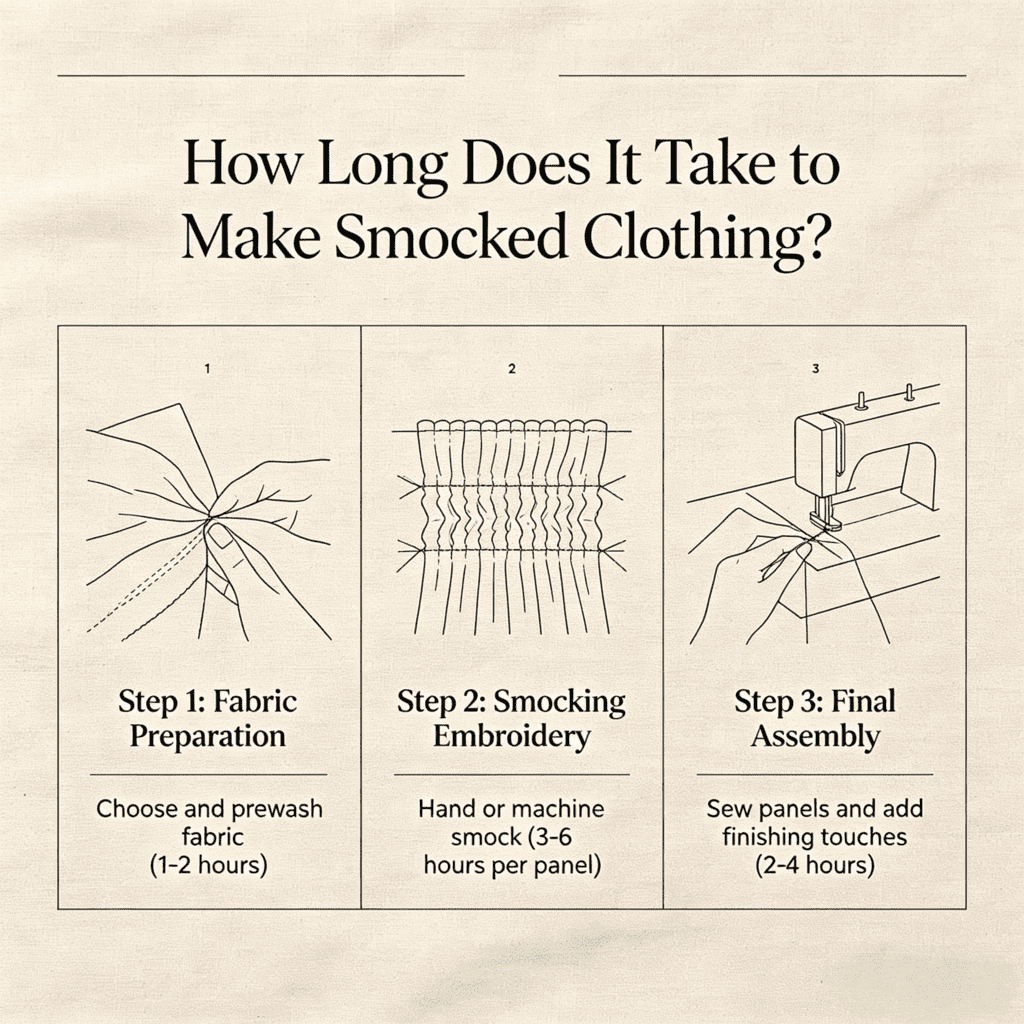
In the world of fashion, few techniques blend artistry and craftsmanship as gracefully as smocking. This intricate embroidery method, which transforms simple fabric into textured, delicate patterns, has adorned garments for centuries, adding both beauty and elasticity. But behind every smocked piece lies a labor-intensive process that demands patience, precision, and skill. So, how long does it actually take to produce smocked clothing? Exploring this question reveals not only the time invested in creating these charming textiles but also the dedication of the artisans who bring them to life.
Table of Contents
- Understanding the Basics of Smocking Techniques
- Factors Influencing the Time Required for Smocking
- Choosing the Right Fabric and Tools for Efficient Smocking
- Step-by-Step Process to Speed Up Smocked Clothing Creation
- Tips for Managing Time While Designing and Sewing Smocked Garments
- Q&A
- To Conclude
Understanding the Basics of Smocking Techniques
- Planning: Marking and pleating fabric evenly.
- Stitching: Applying selected smocking stitches carefully.
- Finishing: Securing and ironing to set patterns.
| Technique | Time to Complete | Skill Level |
|---|---|---|
| Cable Stitch | 3-5 hours per panel | Intermediate |
| Honeycomb Stitch | 5-7 hours per panel | Advanced |
| Wave Stitch | 2-4 hours per panel | Beginner |
Factors Influencing the Time Required for Smocking
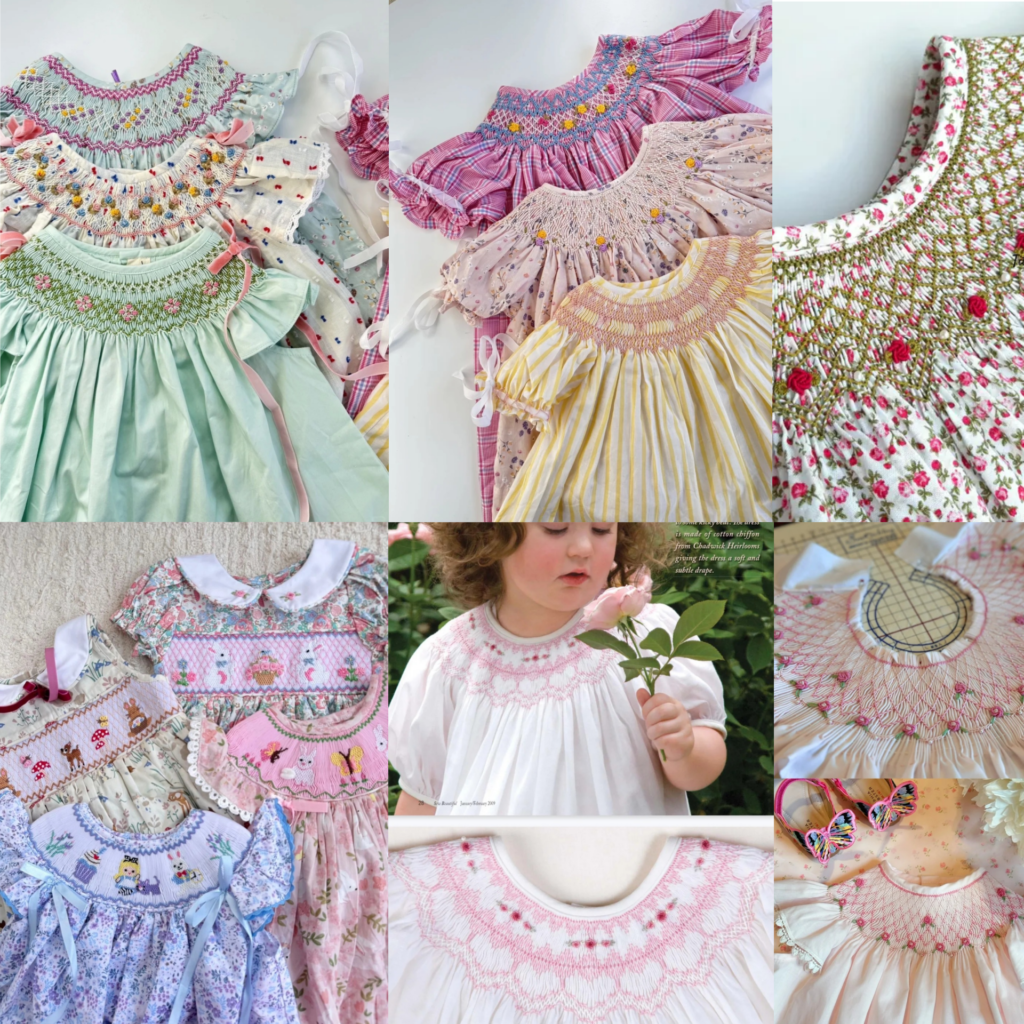
Several variables come into play when determining how long it takes to complete a smocked garment. One major factor is the complexity of the smocking pattern. Intricate designs featuring multiple shapes, colors, and stitch types naturally require more time and precision than simpler, repetitive patterns. Additionally, the choice of fabric influences the process; softer fabrics with more give tend to be easier to gather evenly, speeding up the stitching, while stiffer textiles demand extra care and patience.
Another crucial consideration is the size and scope of the project. Smaller pieces, such as children’s clothing or accents on cuffs and collars, will obviously take less time compared to full-sized dresses or elaborate bodices. The experience level and skill of the person doing the smocking also play an essential role. A seasoned artisan can work more efficiently without compromising quality, while beginners may require more time to achieve neat and consistent results.
- Pattern intricacy: Simple vs. complex motifs
- fabric type: Soft cotton vs. heavy linen or silk
- Project size: Small details vs. full garments
- Skill level: Novice vs. expert smockers
- Tools and equipment: manual vs. machine assistance
| Factor | Impact on Time |
|---|---|
| Pattern Complexity | High – More intricate patterns can triple the time needed |
| Fabric Material | Medium - Difficult fabrics require extra handling |
| Project Size | High – Larger projects may take days instead of hours |
| Smocker’s Experience | Variable – Skilled artisans reduce production time |
| Use of Technology | Low to Medium - Some tools speed up pleating and stitching |
Choosing the Right Fabric and Tools for Efficient Smocking
| Tool | Purpose | Impact on Efficiency |
|---|---|---|
| Fine Embroidery Needle | Delicate stitching without damaging the fabric | Enhances stitch precision, reduces errors |
| Embroidery Thread | Strong, smooth thread for consistent tension | Prevents breakage, improves stitch uniformity |
| Fabric Marker Pen | Marks pleat placements accurately | Speeds up alignment and stitching |
| Smocking Pleater (Optional) | Creates evenly spaced pleats quickly | Reduces prep time significantly |
Ultimately, marrying the right fabric with tools calibrated for precision sets the stage for smocking efficiency. The less you struggle with your materials, the faster and more enjoyable the creation process becomes, allowing you to focus on the artistry of each stitch.
Step-by-Step Process to Speed up Smocked Clothing Creation
To accelerate the creation of smocked clothing, start by preparing your materials meticulously. Organizing your fabrics, threads, and tools beforehand ensures that you won’t waste time searching mid-project. Additionally, selecting pre-marked smocking patterns or using smocking templates can help streamline the intricate pleating and stitching process, reducing guesswork and mistakes.
Embrace a systematic workflow by breaking down the garment into manageable sections. As a notable example:
- Cut and pre-iron fabric panels concurrently.
- Complete all pleating before beginning embroidery.
- Thread multiple needles with different colors if needed, enabling quick color changes.
Enhance efficiency further by mastering key smocking stitches with practice drills, improving both speed and consistency.
| Task | Approximate Time | Efficiency Tip |
|---|---|---|
| Fabric Preparation | 1-2 hours | Batch cut and pre-iron |
| Pleating | 2-3 hours | Use folding boards or rulers |
| Stitching & Embroidery | 3-5 hours | Practice key stitches for speed |
Tips for Managing Time While Designing and Sewing Smocked Garments
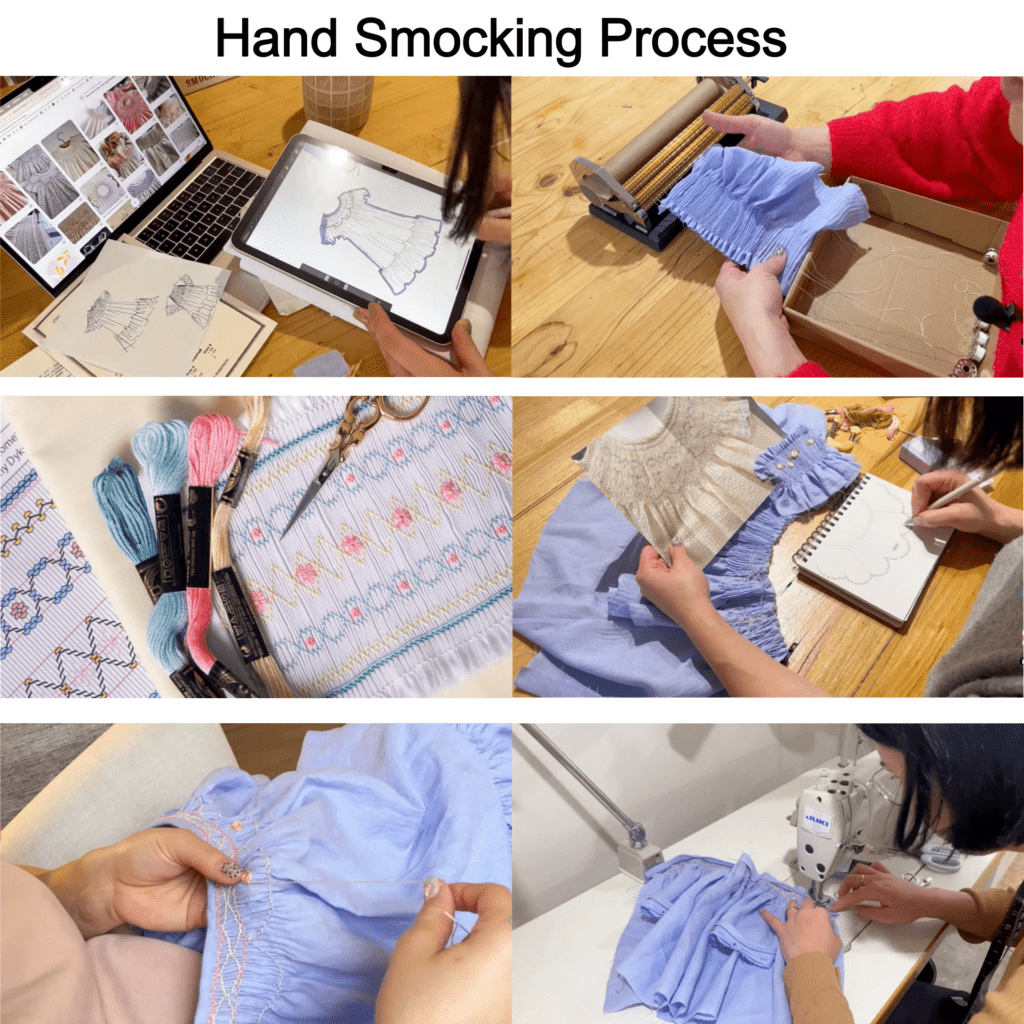
Balancing creativity with efficiency is essential when working on smocked garments, as this intricate craft demands both patience and precision. One effective approach is to break down the project into manageable segments. For instance, allocate specific blocks of time for fabric preparation, gathering, and then stitching the smocking patterns. This not only reduces overwhelm but also improves focus on each step.In addition, adopting a consistent workflow can streamline the process dramatically. Organize your tools and materials within easy reach, and consider using time-tracking techniques like the Pomodoro method to maintain productivity without burning out. Taking short breaks also helps to keep your hands steady and your mind fresh, which is crucial for detailed handwork.
- Set realistic daily goals: Focus on completing specific portions rather than rushing through the full garment.
- Use templates and stencils: they simplify pattern alignment and speed up marking.
- Prepare multiple layers at once: Save time by smocking several pieces before moving on to sewing.
- Keep a reference journal: Track your time spent on each task to improve future planning.
| Task | Suggested time |
|---|---|
| Fabric Cutting & Preparation | 1-2 hours |
| Marking Smocking Patterns | 30-60 minutes |
| Hand smocking | 3-6 hours |
| Final Sewing & Assembly | 2-3 hours |
Q&A
Q&A: How Long Does It Take to Produce Smocked Clothing?
Q: What is smocking, and why does it affect production time?
A: Smocking is a decorative embroidery technique that gathers fabric into tight, patterned pleats, creating elasticity and intricate designs. As it involves detailed hand or machine stitching across multiple layers, smocking significantly extends the time needed to produce clothing compared to plain fabric garments.
Q: How long does the smocking process usually take?
A: The duration varies based on complexity. Simple smocking panels might take a skilled artisan several hours to complete, while elaborate designs with multiple colors and patterns can require days. On average, a basic smocked section may take between 4 and 8 hours.
Q: Does the choice of method, hand smocking vs. machine smocking, impact production time?
A: Absolutely. Hand smocking is labor-intensive and time-consuming, prized for its craftsmanship and unique texture, but slower. Machine smocking, while faster and more uniform, still demands careful setup and monitoring, reducing production time but sometimes at the cost of artisanal detail.
Q: How does fabric type influence the time needed for smocking?
A: Fabrics that are delicate or very thick require more careful handling. Sheer or silky materials need gentle stitching to avoid damage, slowing the process. Conversely, sturdier cotton fabrics are easier to pleat and stitch quickly, speeding up production.
Q: Are there stages in smocked clothing production besides the stitching itself that affect total time?
A: Yes. Preparing the fabric through marking, pinning, and pleating lays the foundation and can take several hours. After smocking, the fabric must often be pressed and incorporated into the garment, involving cutting, sewing, and finishing steps that add to overall production time.
Q: Can mass production shorten the time it takes to produce smocked clothing?
A: Mass production leverages machinery and streamlines workflow, which can reduce time per piece considerably. Though the initial setup and quality control for smocking remain complex, meaning smocked garments still require more time than non-smocked items in a mass-production habitat.
Q: How long should consumers expect to wait for smocked clothing?
A: Depending on the intricacy, method, and scale, producing smocked clothing can take anywhere from a day to several weeks. For bespoke or highly detailed pieces, patience is key, as the art of smocking ensures a uniquely beautiful and textured garment worth the wait.
To Conclude
The time it takes to produce smocked clothing is a delicate balance between artistry and patience. Each gathered stitch tells a story of meticulous craftsmanship, transforming simple fabric into textured beauty. Whether handcrafted by an experienced artisan or created with the help of modern tools, smocking remains a thoughtful process that cannot be rushed. Appreciating the time involved allows us to value the garment not just as clothing, but as a wearable work of art-a true testament to skill, tradition, and care.
If you are looking to create custom smocking or embroidery pieces for your brand or project, Kabeier offers professional support backed by years of experience in children’s garment craftsmanship. You’re welcome to reach out to discuss your ideas and explore how thoughtfully made smocked designs can be brought to life together