
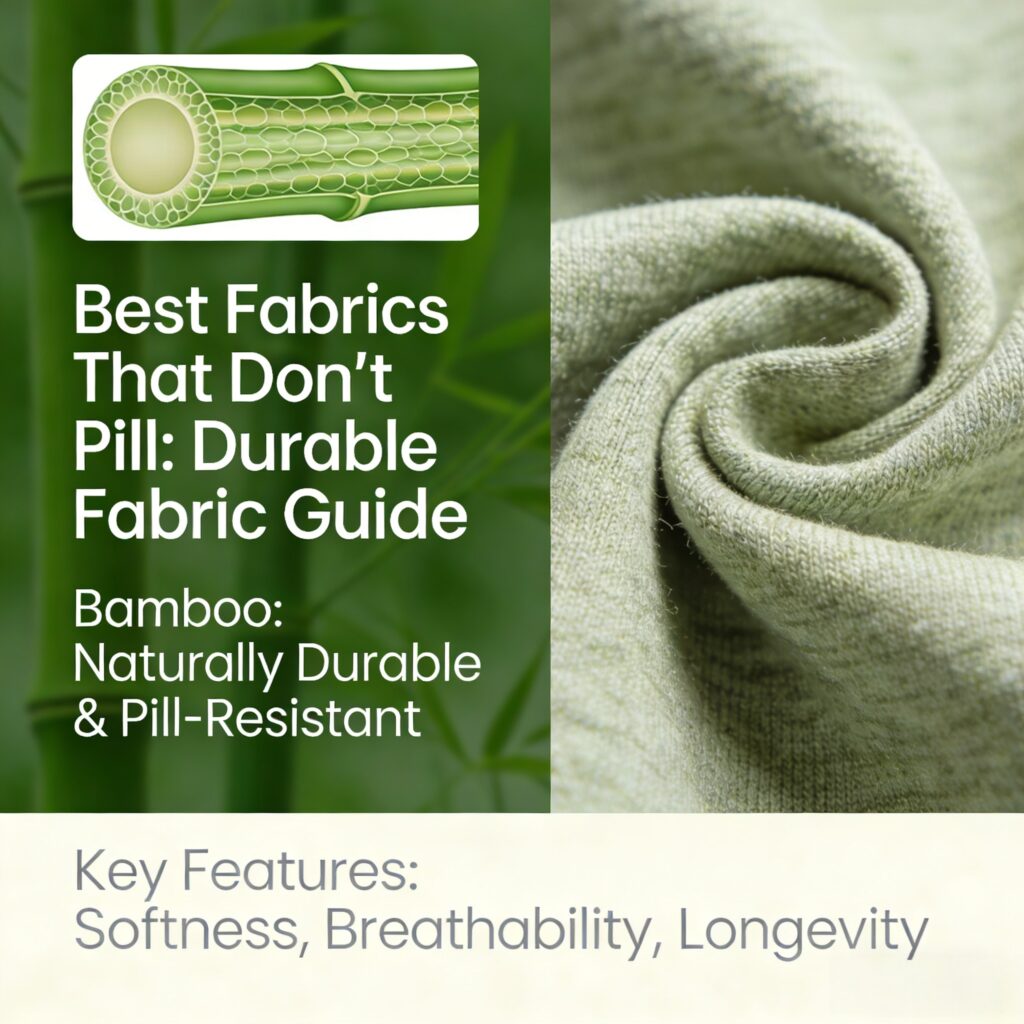
Tiny balls of fluff appear overnight, clinging to your favorite sweater like an unwelcome constellation. Pilling – the little, persistent bobbles that form on fabrics – is a familiar nuisance that can age clothing and furnishings long before their time. Yet not all textiles are equally prone to this fate: some fibers and weaves shrug off abrasion, remaining smooth and fresh through repeated wear.
This article will gently unravel why pills form and spotlight the fabrics that resist them, from tightly spun natural fibers to modern synthetics and tightly woven constructions. Along the way, we’ll look at the role of fiber length, yarn twist, and fabric finish, so you can better predict which materials will keep their pristine look and which will inevitably soften into a fluffy patina. Whether you’re shopping for a hardy everyday tee or a long-lasting upholstery fabric, understanding what doesn’t pill helps you make choices that last.
Table of Contents
- Understanding Why Fabrics Pill and What Makes Them Durable
- Best Fiber Choices That Resist Pilling From Wool Alternatives to Durable Synthetics
- Fabric Construction and Finishes That Prevent Pills, Including Weave types and surface Treatments
- Care and Maintenance Strategies to Keep Fabrics Looking New Longer
- Specific Recommendations for Clothing and Home Textiles: What to Buy and What to Avoid
- Q&A
- Closing Remarks
Understanding Why Fabrics Pill and What Makes Them Durable
Tiny fuzzy balls are not a mystery-they’re a story of fibers under stress. Pilling happens when loose fibers work their way out of the yarn, tangle from rubbing, and then knot into little pills that cling to the surface. Fabrics pill more when they combine short fiber lengths, low twist yarns, and frequent abrasion. Environmental factors like washing with other rough garments and harsh detergents accelerate the process, while finishes and fabric structure can either slow it down or make it worse. Common culprits include blends that hide weak fibers inside stronger yarns, giving a soft hand but inviting surface fuzz.
Durability is more than a single trait-it’s the sum of fiber strength, yarn construction, and finishing. Look for tightly spun yarns, longer staple fibers, and finishes that lock fibers in place. Below is a rapid guide to the typical behavior of common fabrics so you can choose wisely:
| Fabric | Pilling Tendency | Durability |
|---|---|---|
| Cotton (long staple) | Low to medium | High |
| Polyester | Medium (blends can pill) | High |
| Wool (short fibers) | High | Medium |
- Construction matters: tight weaves and higher twist reduce pill formation.
- Fiber choice: longer staples and synthetic filament yarns resist fuzz.
- Care routine: gentle washing and low abrasion extend fabric life.
Best Fiber Choices That Resist Pilling From Wool Alternatives to Durable Synthetics
When you want a garment that keeps its clean, new look, choosing fibers with long-staple structure and smooth surfaces is key. Natural options like Pima/Egyptian cotton and linen are surprisingly resistant when spun and finished correctly, while regenerated cellulosics-Lyocell (Tencel) and Modal-offer both a silky hand and excellent anti-pilling performance thanks to their long, continuous filaments. On the synthetic side, modern high-tenacity nylon and finely engineered polyester microfibers can outlast traditional acrylics; these are often used in outerwear and activewear where abrasion resistance matters most.
- Pima / Egyptian Cotton – long-staple, smooth yarn, low fuzz.
- Lyocell (Tencel) - breathable, strong, and sheds pills.
- Modal – soft, flexible, resists surface fuzzing.
- Linen – crisp, naturally smooth, improves with wear.
- High-tenacity nylon / Micro-polyester – engineered durability for heavy use.
Finishes and construction matter as much as the fiber itself-look for compact spinning, mercerization, singeing, and tight knits to reduce loose fiber ends. The table below gives a quick snapshot to help you decide based on feel and expected wear.
| Fiber | Hand | Pilling Resistance |
|---|---|---|
| Pima Cotton | Soft, crisp | High |
| Lyocell | Silky, drapey | Very high |
| Modal | Velvety | High |
| Linen | Textured, cool | High |
| Micro-nylon | Smooth, durable | Very high |
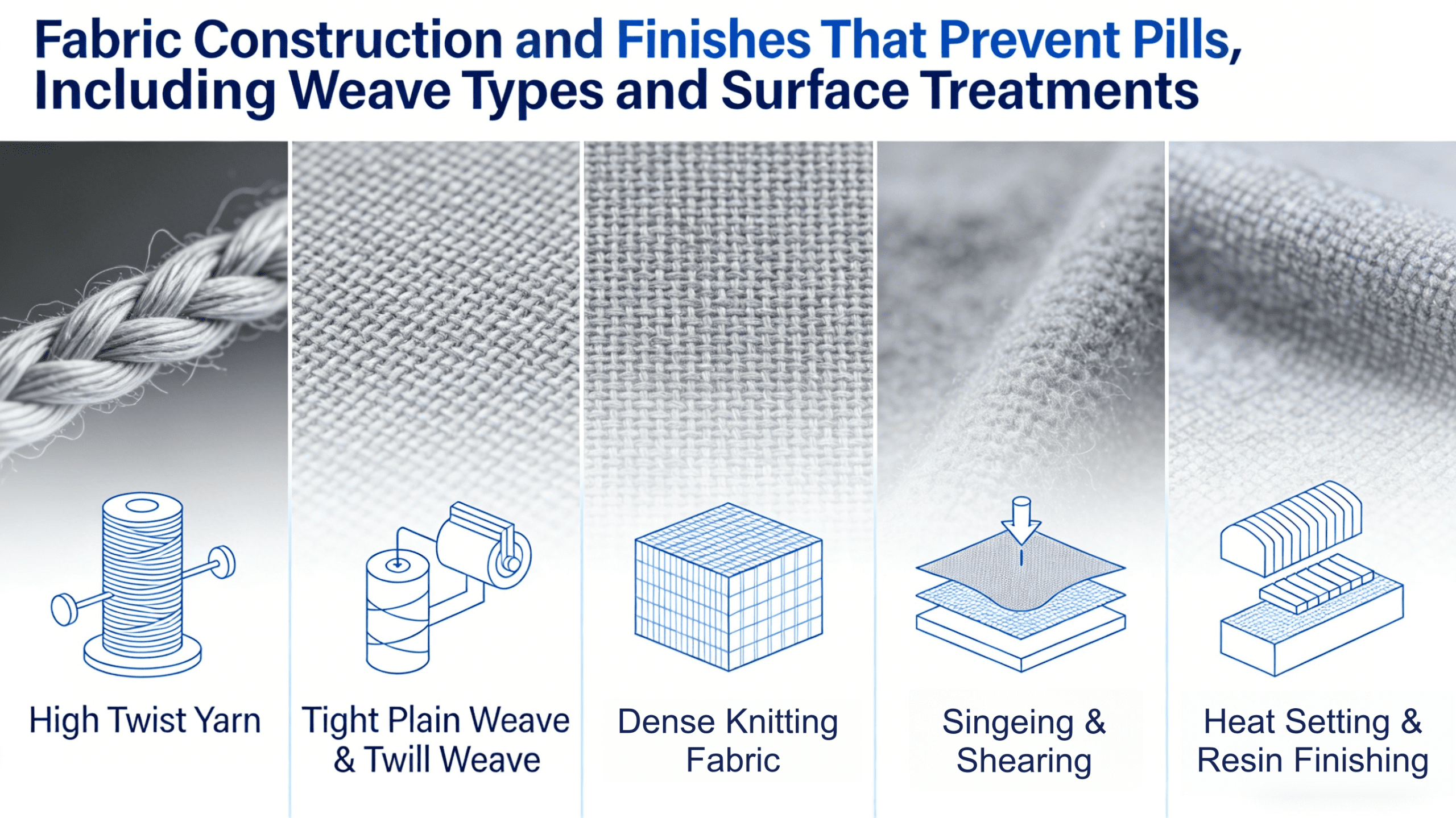
Fabric Construction and Finishes That Prevent Pills, Including Weave Types and Surface Treatments
Smart fabric construction starts at the yarn: long-staple fibers and high-twist yarns lock ends into the structure, so there’s less loose material to form pills. Woven constructions with a tight interlacement – think dense plain weaves or twills – naturally resist surface fuzz because fibers are held more securely than in loose knits. When synthetics are used, controlled heat-setting and mercerization stabilize filaments so they don’t break and ball up; conversely, soft napped or heavily brushed surfaces invite more pilling by exposing fiber tips.
design choices and finishing treatments are the final line of defense. Consider these effective options:
- High-twist yarns – reduce loose fiber ends and abrasion.
- Tighter weave types – plain and twill constructions minimize the movement of fibers.
- Compact knits (interlock) – denser knitting reduces surface fuzz compared with single jersey.
- Mechanical finishes – singeing and shearing remove protruding fiber tips before they can pill.
- Chemical/thermal finishes – heat-setting, resin finishing, and anti-pilling coatings bond fibers or smooth the surface for long-term resistance.
| Construction | Pilling Tendency | Best Finish |
|---|---|---|
| Plain weave (dense) | Low | Singeing, heat-set |
| Twill weave | Low | Mercerization, resin finish |
| Jersey knit | Medium-High | Compacting, anti-pill coating |
| Brushed/fleece surfaces | High | Shearing, mechanical depilling |
 Care and Maintenance Strategies to Keep Fabrics Looking New Longer
Small habits make the biggest difference when you want garments and upholstery to retain their original look. Treat delicate and pill-resistant fabrics with gentle movement. Turn garments inside out before laundering, fasten zippers and buttons, and avoid overcrowding the washer so fibers glide instead of rubbing. When in doubt, choose the gentlest cycle and a mild detergent; enzymes and harsh surfactants accelerate fuzz and color loss. For pilling that does occur, a light pass with a fabric shaver or a pumice stone designed for textiles restores smoothness without breaking fibers when used carefully.
Practical routines keep fabrics feeling fresh for years. Rotate frequently worn items, spot-clean stains promptly, and store knits folded (not hung) to prevent shoulder stretching. Simple daily choices preserve texture and color:
- Wash cold to reduce fiber stress and dye bleeding.
- Air dry or use low heat to prevent fiber breakdown.
- Use mesh bags for delicate items and lingerie.
- Minimize friction by avoiding abrasive accessories and backpacks against fine fabrics.
| Fabric | Wash Temp | Drying tip |
|---|---|---|
| Polyester | Cold | Low heat or air |
| Wool | Cool/Handwash | Flat dry |
| Cotton | Cold-Warm | Air or medium heat |
| Knit blends | Cold | Flat or gentle tumble |
Specific Recommendations for Clothing and Home Textiles: What to Buy and What to Avoid
For your wardrobe, favor fabrics that resist abrasion and shed fewer loose fibers: tightly spun natural fibers like combed cotton and linen, performance synthetics such as nylon and polyester blends, and high-quality wool varieties (think merino or worsted) for knitwear. When shopping, look for labels that mention “long-staple,” “combed,” or “ring-spun” – these treatments reduce fuzz and pilling. Avoid garments made from cheap acrylic, loosely spun novelty yarns, or heavily brushed finishes; they look cozy at first but quickly develop pills in high-friction areas like underarms, cuffs, and the sides of bags. Practical tips: choose tighter knits over open, looped weaves and prefer lighter finishes on outer layers to minimize abrasion.
At home, pick upholstery, throws, and bedding with durability in mind. Buy tightly woven linens, canvas upholstery, microfiber, and blended fabrics labeled for heavy use; they tend to maintain a smooth surface longer. Steer clear of cheap fleece, loosely woven jacquards, and low-density velvets that trap and loosen fibers. For textiles that see constant contact (sofas, pet beds, throw pillows), select darker weaves with a tighter pile or smooth finishes, and keep a lint brush and gentle fabric shaver handy. Below are quick do/avoid pointers to guide purchases:
- Buy: Microfiber, merino/worsted wool, combed cotton, linen, nylon blends.
- Avoid: Pure acrylic knits, cheap fleece, novelty boucle with long loops, and low-grade brushed fabrics.
| Fabric | Best Use | Pilling Risk |
|---|---|---|
| Merino Wool | Knitwear | Low |
| Combed Cotton | T-shirts, Bedding | Low-Medium |
| Microfiber Polyester | Upholstery, throws | Low |
| Acrylic | Budget Knitwear | High |
Q&A
Q: What exactly is pilling?
A: Pilling is the formation of small fiber balls or “bobble” clusters on a fabric’s surface caused by fiber ends working loose, tangling, and entangling under friction. It’s a mechanical wear phenomenon, not a stain or color change, and can affect many textiles to varying degrees.
Q: Which fabrics are least likely to pill?
A: Fabrics made from long, continuous (filament) fibers or tightly spun yarns resist pilling best. Good examples include silk (filament silk), linen and hemp (long bast fibers), high-quality long-staple cotton (Pima, Egyptian), tightly woven worsted wool, and some microfibers or engineered performance synthetics made from continuous filament yarns.
Q: How does Kabeier approach fabric selection to reduce pilling in children’s clothing?
A: At Kabeier, fabric selection is focused on durability, comfort, and real-life wear performance. We prioritize long-staple natural fibers, tightly woven or well-engineered knit constructions, and high-quality yarns that reduce loose fiber ends. For blends, Kabeier carefully balances fiber strength and twist to minimize persistent pilling while maintaining softness for baby and children’s wear. Fabrics are also tested under repeated washing and friction scenarios to ensure they perform well in everyday use.
Q: Are synthetic fibers like polyester and acrylic resistant to pilling?
A: Not necessarily. Short-staple synthetics and low-quality acrylics are prone to pilling because the strong fibers don’t break off easily and instead form persistent pills. Though many modern performance synthetics are engineered as continuous filaments or given anti-pilling finishes, they can be quite resistant.
Q: Does knit vs woven affect pilling?
A: Yes. Knits generally pill more as the loops and greater fiber mobility allow loose ends to emerge and tangle. Tightly woven fabrics, where yarns are packed closely together, are less likely to pill.
Q: Are there fabrics that never pill?
A: Nothing is completely immune, but some materials, like smooth leather, densely woven silk, linen, and very tightly constructed synthetics, are effectively pill-free in normal wear. Even so, extreme abrasion or poor-quality blends can still cause some surface wear.
Q: How do fabric blends affect pilling?
A: Blends can either reduce or increase pilling depending on the components. Mixing a strong synthetic with a weaker natural fiber often results in pills because the synthetic keeps the pills intact. Blends with filament fibers or high-twist yarns tend to pill less.
Q: Does a higher price mean less pilling?
A: Not automatically. Higher-quality materials and better construction (long-staple fibers, worsted spinning, tighter weaves, anti-pilling finishes) generally resist pilling more, but an expensive item made from short-staple fibers or loosely knit construction can still pill.
Q: How can I prevent pilling at home?
A: Turn garments inside out before washing, use gentle cycles and cold water, avoid heavy agitation and high heat in dryers, wash similar fabrics together, and put delicate knits in laundry bags. Reducing friction from seat belts, bags, and rough surfaces also helps.
Q: What’s the best way to remove pills?
A: Use a fabric shaver or sweater comb for a smooth finish, a pumice stone or sweater stone for knits, or carefully snip with small scissors. Work gently to avoid cutting the base fabric.
Q: For upholstery, what fabrics resist pilling and wear?
A: Upholstery performs best with densely woven fabrics, high-density microfibers, treated performance synthetics (e.g., Crypton, solution-dyed acrylics), leather, and heavy-duty blends. Look for high rub-count ratings and commercial-grade textiles for heavy traffic.
Q: Is pilling a sign of poor quality?
A: Pilling indicates wear, but not always poor quality. Some natural fibers and constructions are expected to pill over time. What matters is how quickly and heavily a fabric pills relative to its intended use and care instructions.
Q: How can I choose clothes that won’t pill easily?
A: Look for long-staple fibers, worsted or high-twist yarns, filament fibers, tight weaves, and garments labeled as anti-pilling or made from performance fabrics. Read care labels and favor constructions suited to your activity level (e.g., knits for flexibility, woven for durability).
Q: Any quick rules of thumb?
A: Choose filament fibers (silk, continuous synthetic filaments) or long-staple naturals for low pilling, prefer tightly woven or worsted constructions over loose knits, and treat garments gently in laundry and daily use to minimize friction.
Q: When should I accept pilling as normal?
A: On well-worn sweaters, casual knits, or low-cost blends, some pilling is a normal part of life and doesn’t necessarily mean the item must be discarded. Removing pills and following care tips can restore the appearance and extend the garment’s life.
Closing Remarks
Fabrics are like companions: some remain smooth through years of wear, while others quietly collect tiny reminders of friction. No miracle textile will never pill, but thoughtful choices in fiber type, yarn length, and fabric construction — along with mindful laundering — can make the difference between a garment that stays sleek and one that gradually fuzzes.
In short: favor long-staple fibers, opt for tighter weaves or high-quality knits, inspect yarn consistency before purchasing, and minimize surface abrasion whenever possible. Wash gently, turn garments inside out, avoid overloading the machine, and skip harsh cycles. If pilling does occur, a careful fabric shaver or de-pilling tool can help restore the garment’s original appearance without damaging the material.
For brands and retailers, preventing pilling starts even earlier — at the sourcing and production stage. Selecting premium yarns, applying proper pre-shrinking processes, and conducting fabric testing all contribute to long-term performance.
If you’re developing a clothing line and want expert guidance on fabric selection, yarn quality, and garment durability, contact us at Kabeier. Our team is happy to help you create products that not only look beautiful at launch — but continue to perform beautifully over time.