
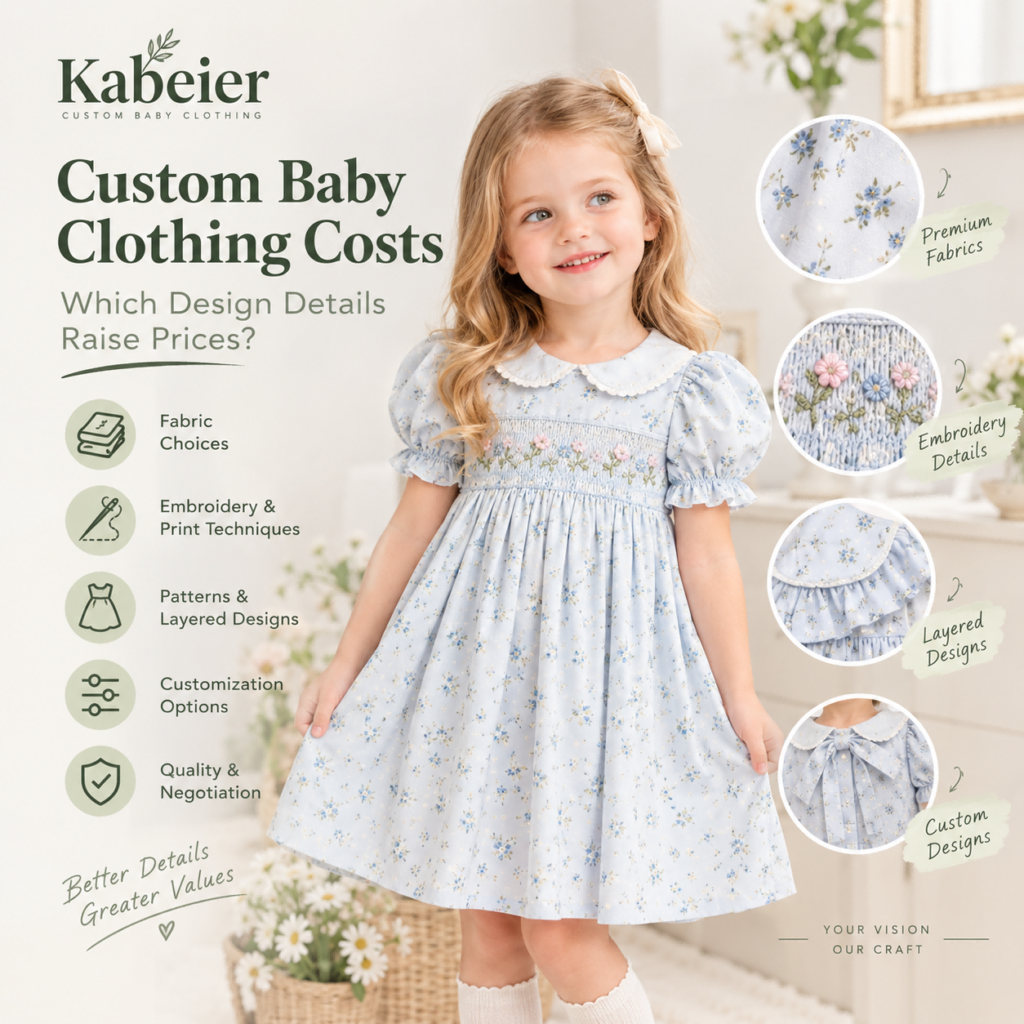
When it comes to dressing your little one,custom baby clothing offers a unique blend of charm and personality that off-the-rack options simply can’t match. But as delightful as these bespoke pieces are, their costs can vary widely depending on the design details you choose. From the softness of the fabric to the intricacy of embroidery, each element adds a distinct touch-and often, a distinct price tag. In this article, we’ll peel back the layers of custom baby clothing costs to reveal which design features truly influence your budget, helping you make informed choices without compromising on style or quality.
Table of Contents
- Understanding Fabric Choices and Their Impact on Pricing
- The Role of Embroidery and Print Techniques in Cost Variation
- How Intricate Patterns and Layered Designs Affect Expense
- Balancing Customization with Budget-Friendly Material Options
- Tips for Negotiating Design Details Without Compromising Quality
- Q&A
- The Way Forward
Understanding Fabric Choices and Their Impact on Pricing
| Fabric Type | Comfort level | Pricing Impact | Care Complexity |
|---|---|---|---|
| Organic Cotton | Very High | High | Easy |
| Bamboo Blend | High | Moderate to High | Moderate |
| Standard Cotton | Moderate | Low to Moderate | Easy |
| Polyester Blend | Low to Moderate | Low | Easy |
- Organic and specialty fabrics improve comfort but raise costs significantly.
- Durability and softness factors may justify the investment in pricier textiles.
- Care instructions can be more demanding with luxury fabrics, affecting customer satisfaction.
The Role of Embroidery and Print Techniques in Cost Variation
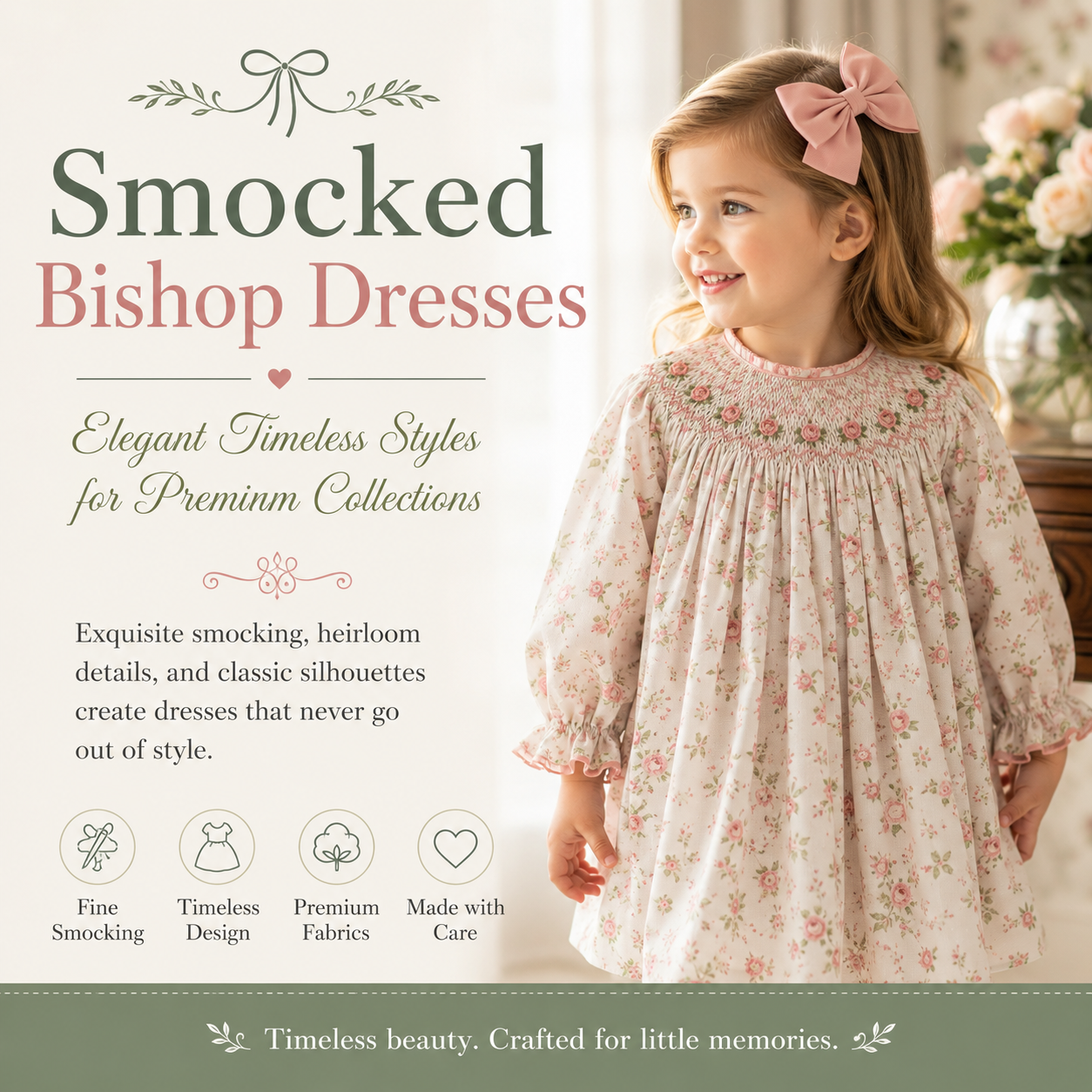 When it comes to customizing baby clothing, the choice between embroidery and print techniques can have a meaningful impact on the final cost. Embroidery offers a tactile, premium finish that often requires skilled craftsmanship and specialized equipment. Because each stitch is placed individually, more intricate designs increase production time, thereby raising the price. Additionally, multi-colored embroidery or 3D effects add layers of complexity that further influence cost.On the other hand, print techniques such as screen printing or heat transfer generally offer a more budget-friendly option, especially for vibrant, detailed patterns. However, even within printing, factors like the number of colors used, type of ink, and fabric compatibility can affect pricing. For instance, water-based inks are eco-friendlier but usually cost more, while plastisol inks are durable yet less expensive.
- Embroidery: Durable, textured, costly for complexity
- Screen Printing: Vibrant colors, cost-efficient for bulk
- Heat Transfer: Suitable for small runs, moderate cost
| Technique | Cost Factor | Ideal For |
|---|---|---|
| Embroidery | Stitch count, thread colors | Monograms, logos |
| Screen Printing | Color quantity, setup time | Bold graphics, bulk orders |
| Heat Transfer | Design complexity, print size | Photo prints, limited runs |
How intricate Patterns and layered Designs Affect Expense
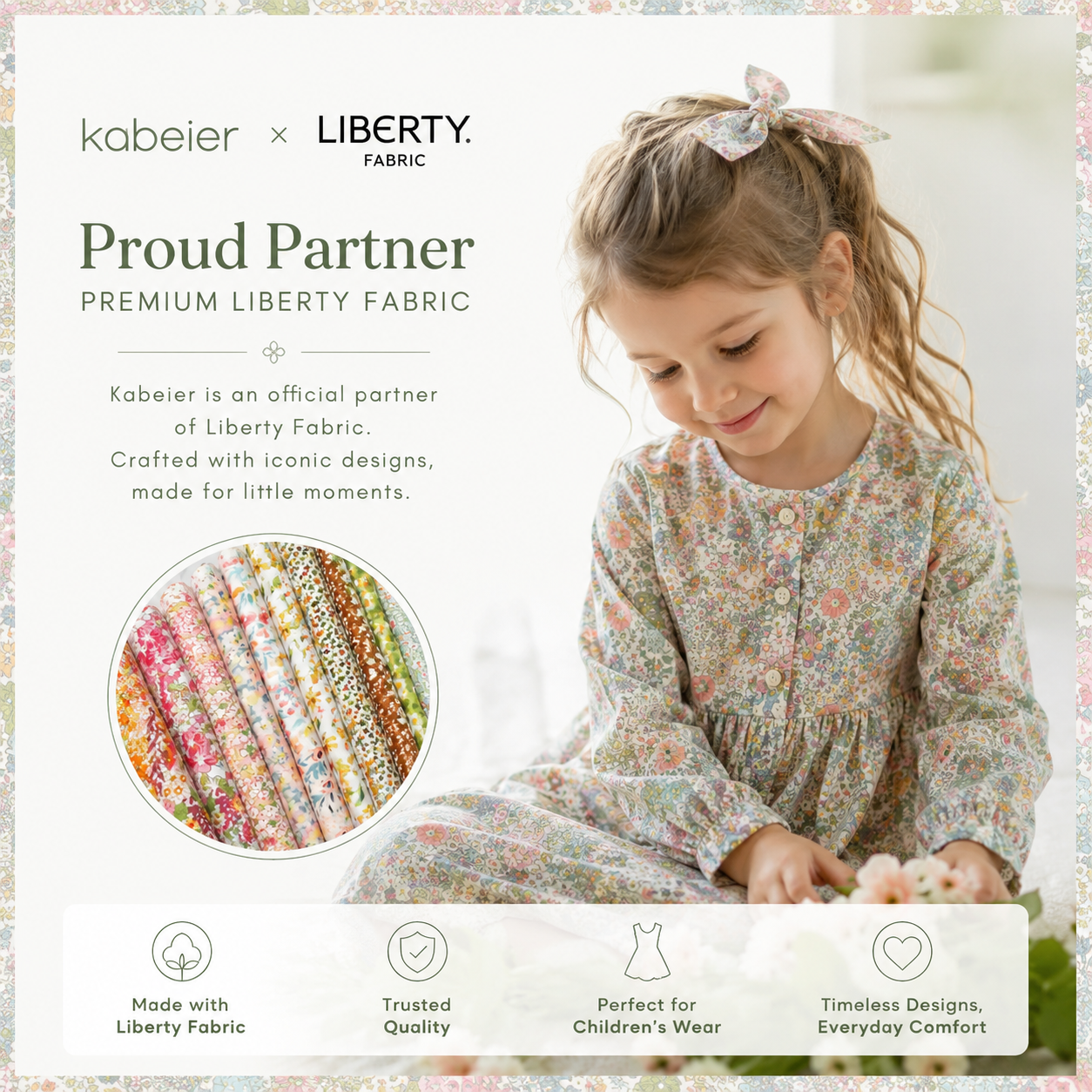 When it comes to custom baby clothing, the complexity of patterns and the layering of fabric details play a significant role in driving up the cost. Intricate patterns require more time and skill to produce, whether they’re hand-stitched embroidery, delicate lace overlays, or detailed appliqués. Each element demands precision, increasing labor costs and sometimes extending production timelines. Moreover, intricate designs often call for specialized machinery or expert artisans, which inherently raises the price tag.
Layered designs compound these effects by adding bulk and additional materials, such as multiple fabric layers, ruffles, or even integrated accessories like bows and buttons. This not only increases material costs but also affects the garment’s construction and finishing process, making it more time-consuming. Customers choosing layered styles should anticipate higher prices due to this added complexity.
| Design Detail | Impact on Cost | Reason |
|---|---|---|
| Hand-stitched Embroidery | High | Labor-intensive and time-consuming |
| Multiple Fabric Layers | Medium to High | Additional materials and complex sewing |
| Appliqués and patches | Medium | Extra assembly steps and material |
| Simple Printed Patterns | Low | Quick production and low material cost |
- Time: More intricate and layered designs require longer creation periods.
- Materials: Extra fabrics and adornments increase raw material expenses.
- Skill Level: Specialized craftsmanship comes at a premium price.
Balancing Customization with Budget-Friendly Material Options
When it comes to customizing baby clothing, the temptation to opt for the softest, most luxurious fabrics is strong, but balancing those choices with budget-friendly materials can make all the difference in final costs. Organic cotton and bamboo blends frequently come with a premium price tag, yet there are affordable alternatives like high-quality polyester-cotton mixes or recycled fabrics that maintain comfort without sacrificing style. Selecting these options thoughtfully can definitely help keep expenses in check while still delivering a baby outfit that’s cozy and adorable.
Beyond fabric selection, there are creative ways to enhance the garment without inflating the price excessively. Consider these strategies:
- Simple Embellishments: Using minimal embroidery or iron-on patches instead of elaborate appliqués reduces labor and materials.
- Standard Color Palettes: Choosing from ready-dyed colors rather than custom dye jobs lowers costs.
- Smaller Design Areas: Confining prints and designs to smaller sections of the garment decreases ink and production time.
| Material Option | approximate Cost | Comfort Level |
|---|---|---|
| Organic Cotton | High | Excellent |
| Polyester-Cotton blend | Moderate | Good |
| Bamboo-blend Fabric | high | Excellent |
| Recycled materials | Affordable | Good |
By mixing premium and budget-friendly fabrics and being judicious with design placement, parents and designers alike can enjoy custom baby clothing that fits both the nursery and the wallet.
Tips for Negotiating Design Details Without Compromising Quality
- Simplify finishing techniques: choose clean hemming over decorative stitching to lower labor costs.
- Limit embellishments: Reduce the number of buttons or patches to streamline assembly.
- Optimize color palettes: Use fewer thread colors to cut down on dyeing expenses.
| Design Element | Impact on Price | Cost-Saving Tip |
|---|---|---|
| Embroidery | High | Use screen printing rather |
| Multiple fabric types | Moderate | Select a single, versatile fabric |
| Custom buttons | Low to Moderate | Opt for standard buttons |
Q&A
Q&A: Custom Baby Clothing Cost Breakdown – Which Design Details Actually Increase Your Budget?
Q: Why does custom baby clothing frequently cost more than off-the-rack options?
A: Custom baby clothing costs more primarily because of the personalized elements involved-unique designs, specialized sizing, and often hand-crafted details. These factors require more time, skill, and sometimes higher-quality materials, all contributing to the final price.
Q: Which design details tend to have the biggest impact on the cost of custom baby clothes?
A: The biggest cost drivers usually include intricate embroidery, appliqué work, and hand-painted or hand-stitched embellishments. These details require skilled labor and additional time, which raises production costs. Similarly, specialty fabrics like organic cotton or bamboo blends can increase expenses.
Q: Does adding prints or patterns significantly increase the price?
A: It depends on the method used. Simple screen printing or heat transfers typically add a modest cost, while complex techniques such as sublimation printing or multi-layered designs might push the price higher. Custom pattern matching on seams can also add to labor costs.
Q: How do closures and fastenings affect the budget?
A: Snaps, buttons, zippers, and toggles vary in cost based on material and complexity. For example, metal snaps or wooden buttons usually cost more than plastic ones, and installing zippers requires more precision and time, which can increase labor charges.
Q: Does sizing customization affect cost?
A: Yes. While minor size adjustments may have little impact, extensive tailoring for premature babies or unusual proportions often requires creating custom patterns, which increases design and production costs.
Q: How can parents keep their custom baby clothing costs manageable?
A: Opting for simpler designs, choosing standard sizes, and selecting fewer embellishments can definitely help. Focusing on quality fabric rather than complex add-ons frequently provides better value and comfort without inflating the budget.
Q: Are eco-friendly or specialty fabrics always pricier?
A: Generally, yes. Organic or sustainably sourced fabrics usually cost more than conventional materials due to their sourcing and certification processes, which is reflected in the garment price.
Q: Is it worth investing in detailed custom designs for baby clothes?
A: That depends on personal priorities. Detailed designs can make garments unique keepsakes or memorable gifts, but for everyday wear, simpler customizations may offer a better balance of cost and functionality.
Q: Can bulk ordering custom baby clothes reduce the overall expense?
A: Ordering multiple pieces at once often reduces the per-item cost, as designers and manufacturers can streamline production. Though this requires committing to larger quantities upfront, which might not suit every family’s needs.
Q: What should parents ask designers to understand how design choices affect cost?
A: Parents should inquire about which specific details-like embroidery complexity, fabric type, and fastener choices-drive pricing. Understanding labor intensity and material sourcing can clarify where the budget is being allocated and help make informed design decisions.
The Way Forward
As you navigate the charming world of custom baby clothing with Kabeier, understanding how each design detail influences your budget is key to making thoughtful choices without surprise costs. From fabric types to embroidery intricacies, every stitch tells a story-not just in style, but in price. By breaking down these elements, you’re better equipped to balance creativity and cost, ensuring your little one’s wardrobe is as unique as they are, without stretching your budget beyond comfort. After all, bespoke babywear is not just about adorning tiny bodies, but crafting memories that last, one lovingly chosen detail at a time.