
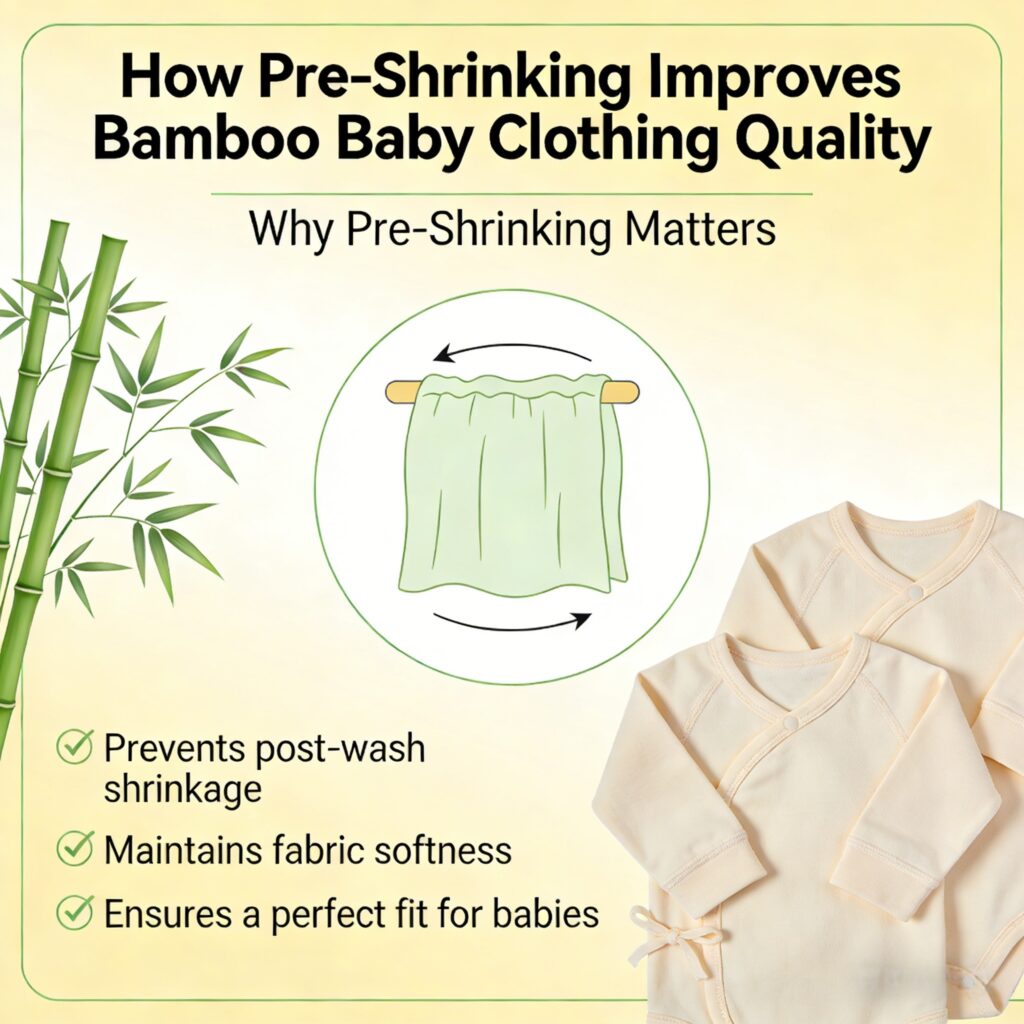
Like a well-tailored swaddle, the first outfit a baby wears should feel like it was made to fit- soft, safe, and reliably true to size. Bamboo fabric has earned a special place in nurseries for its silk-like softness, breathability, and natural moisture-wicking properties, but as with many natural fibers, it can change shape when it meets the realities of repeated washing and drying. That’s where pre-shrinking comes in: a quiet manufacturing step that helps turn a promising textile into a dependable garment.
This article explores how pre-shrinking improves the quality of bamboo baby clothing by stabilizing dimensions, preserving fit, and reducing surprises at first wash. We’ll look at why raw bamboo textiles are prone to change, what pre-shrinking achieves in terms of durability and comfort, and how these improvements translate into practical benefits for caregivers- more predictable sizing, fewer returns, and garments that stay soft and well-fitting through a baby’s many laundry cycles. Along the way, we’ll separate marketing claims from material realities, so you can make informed choices for the little ones in your care.
Table of Contents
- Preshrinking safeguards the stability of bamboo fabric for safer baby clothing
- How preshrinking preserves softness, breathability, and consistent fit wash after wash
- Preshrinking methods explained: gentle steaming, controlled drying, and enzymatic treatments
- Quality testing to measure shrinkage , colorfastness, and fiber resilience
- Care and storage recommendations to extend the life of preshrunk bamboo garments
- Q&A
- Final Thoughts
Preshrinking safeguards the stability of bamboo fabric for safer baby clothing
A short, careful preshrink treatment gives bamboo fabric a predictable shape so garments keep their intended fit and function after the first few washes. By stabilizing the fibers before cutting and sewing, manufacturers reduce unwanted distortion, puckering at seams , and sudden size changes that can compromise comfort and safety. The result is clothing that stays soft, breathes well, and reads as reliably sized on the nursery shelf and at home – a small production step with outsized benefits for everyday wear.
Practical gains are immediate and measurable: fewer returned items, fewer irritated seams against delicate skin, and less need for heavy finishing treatments that can alter the fabric’s hand. Key advantages include:
- Dimensional stability: predictable shrinkage rates mean newborn and toddler sizes remain true after laundering.
- Safer seams: Reduced puckering and edge distortion lower the chance of loose threads or stressed stitches.
- Consistent softness: Fiber alignment preserves the natural smoothness of bamboo, keeping irritation risks low.
- Care-kind: Garments tolerate normal washing without surprises, simplifying parent care routines.
| Attribute | Before Preshrink | After Preshrink |
|---|---|---|
| Shrinkage | Up to 6% | Under 2% |
| Seam Puckering | Common | Minimal |
| Fit Consistency | Variable | Reliable |
How preshrinking preserves softness, breathability, and consistent fit wash after wash
The pre-wash stabilization that gentle bamboo garments receive is more than a finishing touch – it’s the foundation of long-lived comfort. By gently setting the yarns and removing the tiny, trapped fibers that would otherwise tighten after the first wash, manufacturers lock in lasting softness and keep the knit structure open so air can move freely. That controlled treatment mimics a few home washes in a single, precise step, so the fabric stays airy and light rather than becoming dense and stiff.
For busy parents, that engineered resilience translates into reliable sizing and feel every time the clothes come out of the laundry. The result is garments that keep their shape, maintain their natural wicking and breathability, and feel consistently cozy on delicate skin. Key benefits include:
- Softness retention – fibers remain plush rather than matting together.
- Unchanged breathability - air and moisture move as designed, even after many washes.
- Consistent fit - seams and hems stay where they should, reducing size surprises.
| Metric | Typical before pre-wash | After pre-shrinking |
|---|---|---|
| Softness | Initial soft, then dulls | Stable, long-lasting |
| Breathability | Can tighten up | Airy and consistent |
| Fit retention | Risk of shrinkage | Reliable sizing |
 Preshrinking methods explained: gentle steaming, controlled drying, and enzymatic treatments
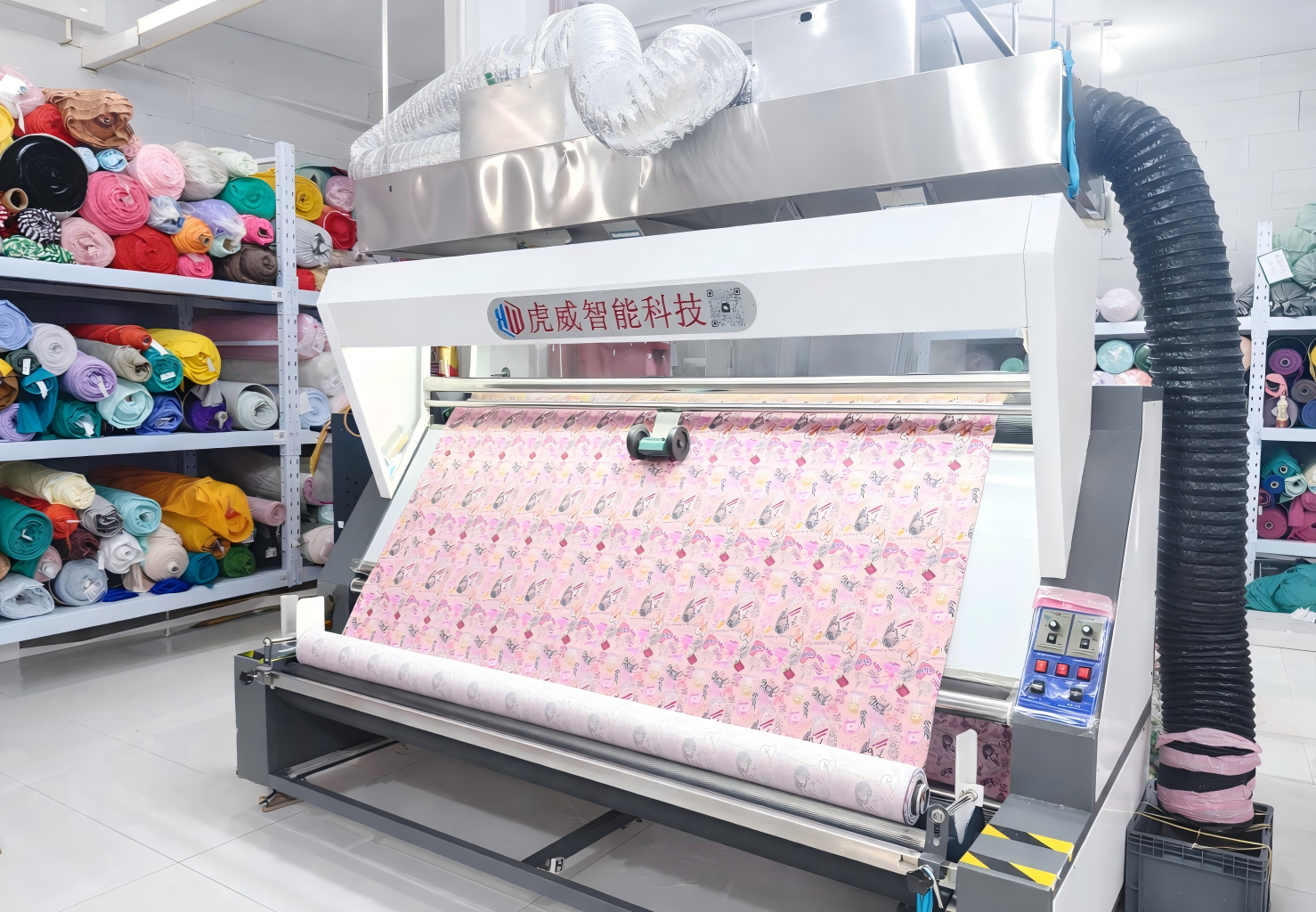
Think of steaming as a soft reset for bamboo fibers: a warm, humid embrace that eases internal tensions without rough handling. Gentle steaming relaxes yarns, helps set weave geometry, and preserves the silky hand that makes bamboo baby clothes so comforting. Because the process avoids mechanical agitation, it reduces the risk of pilling and color migration while keeping the fabric’s natural luster intact. Typical advantages include:
- Reduced future shrinkage – fibers settle into a stable state.
- Maintained softness – no harsh finishing that strips natural feel.
- Lower energy footprint – less intensive than repeated wash cycles.
After steaming, controlled drying , and targeted enzyme finishes, complete the stabilization: slow, temperature-regulated drying prevents fibers from tightening abruptly, and mild enzymatic treatment (usually low-dose cellulase) removes tiny surface fibrils that cause felting and shrinkage. The combination yields garments that drape better and retain size through repeated laundering, while staying gentle for baby skin. The quick reference table below highlights typical outcomes.
| Method | Primary effect | Result for babywear |
|---|---|---|
| Steaming | Fiber relaxation | Softer, less distortion |
| Controlled drying | Slow stabilization | Consistent size & shape |
| Enzymatic finish | Microfibril removal | less pilling, smoother feel |
Quality testing to measure shrinkage, colorfastness, and fiber resilience
Small lab steps make a big difference in how bamboo baby clothes behave after their first few washes. Manufacturers run a battery of checks – from repeated laundering cycles to gentle tumble-dry simulations – to confirm that fabric will not become a surprise to parents. These assessments focus on three practical outcomes: minimal shrinkage so garments retain fit, verified colorfastness so prints and dyes stay true, and proven fiber resilience so the soft hand of bamboo remains wash after wash. Typical test routines include:
- Machine wash and tumble-dry shrink tests (repeat cycles)
- Crocking and wash-fastness trials for printed motifs
- Tensile and pilling resistance to measure fiber integrity
- Dimensional stability checks on seams and cuffs
To make performance easy to scan, brands often publish simple benchmarks for parents to trust. The table below shows typical targets for high-quality, pre-shrunk bamboo babywear:
| Property | Target | Why it matters |
|---|---|---|
| Dimensional change | ≤ 3% | Keeps fit consistent after washing |
| Colorfastness (wash) | ≥ 4/5 | Prevents fading and staining of other items |
| Tensile retention | ≥ 85% after 10 washes | Ensures long-term softness and strength |
Care and storage recommendations to extend the life of preshrunk bamboo garments
As the fabric has already been stabilized, these pieces respond best to gentle, straightforward care. Always opt for a mild detergent and cold water; bamboo fibers stay soft and colorfast when you avoid harsh chemicals and high heat. When possible, place small items in a mesh laundry bag and choose the delicate or gentle cycle-that little extra protection reduces friction and pilling. Tumble dry on the lowest setting or, better yet, lay garments flat to dry and gently reshape them while damp to preserve fit and drape.
- Avoid bleach & fabric softeners: they break down fibers and reduce absorbency.
- Quick spot-cleaning: treat stains promptly to limit full washes.
- Low-heat ironing or steaming: if needed, use the gentlest setting to remove wrinkles.
| Storage Method | Why does it effectively works |
|---|---|
| Folded in breathable cotton bins | Prevents stretching and allows airflow |
| Cedar block or lavender sachet | Natural pest deterrent, scent-safe |
| Avoid sealed plastic | Prevents moisture buildup and mildew |
Store pieces in a cool, dark place away from direct sunlight to protect dyes and fibers; bright light gradually weakens natural yarns. For hung items, use wide, padded hangers to keep shoulder shapes intact, but prioritize folding for most babywear to avoid needless stretching. Every few months, breathe new life into garments by airing them out or using a brief, low-heat steam-this refreshes without stressing the fabric. Small habits like these ensure your pre-treated bamboo baby pieces stay soft, snug, and gentle for baby’s next growth spurt.
Q&A
Q: What is pre-shrinking, in plain terms?
A: Pre-shrinking is a controlled process, usually industrial washing, steaming, heat-setting, or mechanical finishing, used to stabilize a fabric’s size and shape before it’s cut and sewn into garments. Think of it as letting the fabric ”relax” first so the finished piece keeps its fit after the first home wash.
Q: Why is pre-shrinking especially meaningful for bamboo baby clothing?
A: Bamboo fabrics (often regenerated cellulose like bamboo viscose or lyocell) and bamboo knits can change dimensions when exposed to water and heat. Pre-shrinking reduces surprise size changes, so a baby’s onesie stays true to its intended fit, avoiding awkward tightness or misshapen hems after that first wash.
Q: How does pre-shrinking actually improve quality?
A: It stabilizes dimensions, improves seam and hem alignment, reduces distortion and puckering, and helps garments maintain their intended drape and fit. The result is more consistent sizing, fewer returns, and a garment that lasts and looks better through repeated washes.
Q: What pre-shrinking methods do manufacturers use?
A: At Kabeier, common pre-shrinking methods include sanforization or mechanical relaxation (for woven fabrics), heat-setting or steaming (for knits and regenerated fibers), and controlled finishing washes. The exact method depends on fabric type: knits, wovens, and blends are handled differently to preserve texture and performance.
Q: Will pre-shrinking affect the softness or breathability of bamboo fabric?
A: Properly done, pre-shrinking should not harm softness or breathability; in many cases, it can actually improve hand-feel by removing temporary stiffness from finishes. Manufacturers control conditions to preserve the bamboo fiber’s natural softness, moisture-wicking, and breathability.
Q: Can pre-shrinking make bamboo clothing stronger?
A: It can improve dimensional stability and reduce stress on seams and stitches, which helps garments retain shape and withstand laundering. It doesn’t change the intrinsic fiber strength, but it reduces mechanical strain that can cause premature wear.
Q: Are there any downsides to pre-shrinking?
A: Additional processing uses energy and water, and if done improperly (excess heat, aggressive mechanical action), it could weaken fibers or dull colors. Reputable manufacturers balance stabilization with fabric care to avoid damaging the garment.
Q: How much shrinkage should I expect if a garment wasn’t pre-shrunk?
A: It varies by fabric and construction, but unstabilized natural or regenerated-fiber garments commonly shrink a few percent, sometimes up to 5-7% on the first wash, enough to affect fit, especially for babies , where small differences matter.
Q: How can parents tell if a brand pre-shrinks its bamboo baby clothing?
A: Look for “pre-shrunk” or “pre-shrunk fabric” on the product description or label. If that’s not stated, check product details, FAQs, or contact the brand. Third-party quality or safety certifications (e.g., Oeko-Tex Standard 100) don’t prove pre-shrinking but do indicate attention to safe processing.
Q: My baby’s clothes are from a small maker. Should I pre-wash them at home?
A: Yes. If there’s any doubt about pre-shrinking, wash new garments before first wear. Use a gentle cycle, mild detergent, and avoid high dryer heat. Air drying or low-heat tumble drying is safest to reduce unexpected shrinkage.
Q: How should I launder pre-shrunk bamboo baby clothes to keep them looking their best?
A: Follow the care label. As a general rule: wash in cool or warm water on a gentle cycle, use mild detergent, avoid bleach, and prefer low-heat tumble drying or flat/line drying. High heat can cause further shrinkage or damage finishes.
Q: Do blends (bamboo + cotton or polyester) behave differently with pre-shrinking?
A: Yes. Blends combine fibers with different shrinkage properties; pre-shrinking helps harmonize those tendencies, but won’t eliminate all differences. Polyester reduces overall shrinkage; cotton and bamboo components still need stabilization for a consistent fit.
Q: Is pre-shrinking good for babies with sensitive skin?
A: Pre-washing and pre-shrinking can remove residual processing chemicals and loose fibers, which may reduce irritation risk. For extra assurance, choose brands that use gentle processes and hold third-party safety certifications.
Q: How can I verify a garment was properly pre-shrunk before buying online?
A: Check the product description and care label, read customer reviews focusing on fit after washing, and ask the seller directly. Reputable manufacturers will state their finishing practices or provide guidance on expected shrinkage and care.
Closing note
For manufacturers such as Kabeier, pre-shrinking is not an optional add-on but a foundational step in producing reliable bamboo baby garments. Pre-shrinking is a simple step with a big payoff for baby clothing: it helps ensure correct fit, better appearance after washing, and longer-lasting garments. Whether you’re buying or making bamboo baby wear, a little attention to pre-shrinking and proper laundering protects both comfort and quality.
Final Thoughts
Like a gentle finishing stitch at the edge of a tiny blanket, pre-shrinking is a small but decisive step that helps bamboo baby clothing arrive at the nursery ready to fit, feel soft, and stand up to everyday life. By stabilizing fibers before a garment reaches a caregiver’s hands, pre-shrinking reduces surprise shrinkage, preserves shape, and contributes to consistent sizing, comfort, and longer-lasting wear. For parents and makers alike, that means fewer mid-season replacements, clearer expectations from garment labels, and less wasted fabric and time. Whether achieved through controlled washing, heat setting, or other factory treatments, the result is the same: clothing that behaves as promised, letting the natural benefits of bamboo-breathability and softness shine through without compromise.
As you choose or craft bamboo basics for the littlest wardrobes, look for products that mention pre-shrinking or stabilized sizing, follow care instructions, and weigh durability along with feel. Small manufacturing choices ripple outward; in the case of pre-shrinking, the ripple is a better fit, a softer touch, and a simpler life for the people who matter most.