
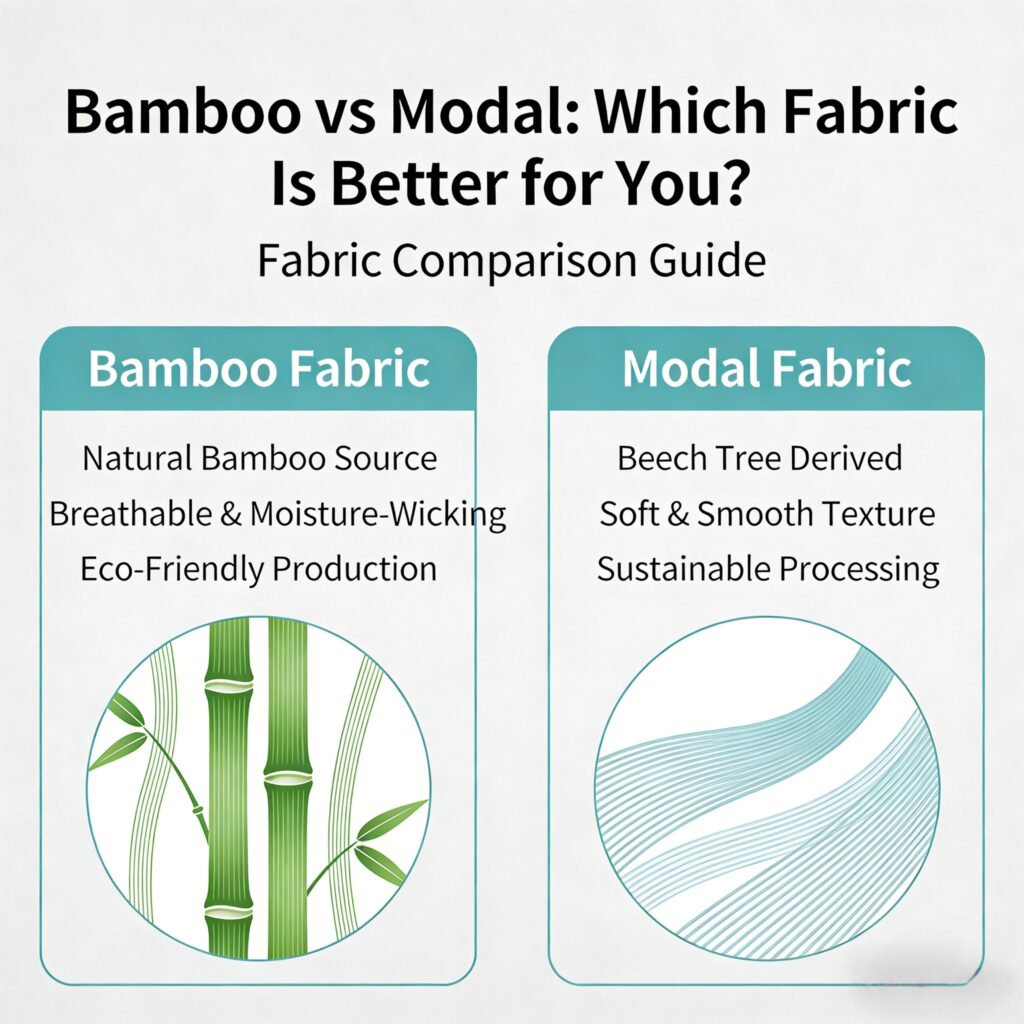
Two fabrics, both born of trees and grass, meet on the wardrobe runway: bamboo, tall and resilient, and modal, smooth and urbane. At first glance, they feel like cousins-both are plant-based, soft to the touch, and marketed as eco-friendlier alternatives to conventional cotton and synthetic fibers. Look more closely, though, and you find different origin stories, manufacturing journeys, and performance promises beneath that shared softness.
Bamboo usually conjures images of swaying groves and natural strength, but the fabric labeled “bamboo” may be produced by several methods, from mechanical processing that yields a linen-like textile to chemical processes that create bamboo rayon. Modal, by contrast, is a type of regenerated cellulose fiber most often made from beech trees and engineered for a particularly silky hand and long-lasting drape. Each brings distinct qualities: breathability, moisture wicking, durability, and care demands vary, and so do the environmental and ethical footprints tied to how they’re made.
This article will unpack those differences-what each fabric is, how it’s produced, how it performs in everyday wear and laundering, and what to weigh if you’re choosing between them. Whether you’re dressing for comfort, durability, or sustainability, understanding the trade-offs will help you pick the fabric that best fits your values and lifestyle.
Table of Contents
- From stalk to stitch: the real environmental and production differences between bamboo and modal
- Feel, fit, and function: breathability, moisture management, durability, and how each fabric wears in daily life
- Health, chemicals, and certifications: skin sensitivity, allergen concerns, and what labels to trust
- Practical buying guide and recommendations: best picks for activewear, loungewear, bedding, and care tips
- Q&A
- Future Outlook
From stalk to stitch: the real environmental and production differences between bamboo and modal
Think of the story behind the fabric as two very different journeys: one begins in a shallow-rooted, rapidly renewing grass that can sequester carbon fast; the other starts in slow-growing beech stands managed for long-term yield. Bamboo’s advantage is speed and biomass density, but large-scale plantations can mean monoculture, habitat loss, and variable water use depending on location. Modal, made from beech, benefits from predictable forestry and often a smaller land footprint per finished kilogram, especially when produced in a closed-loop mill.Key distinctions at a glance:
- Source: Bamboo = grass; Modal = hardwood (beech).
- Processing: Bamboo is most often turned into viscose with heavy chemical input; Modal usually follows a more controlled pulping and closed-loop regeneration.
- Certs matter: FSC/PEFC, OEKO-TEX, and closed-loop/lyocell labels change the environmental story dramatically.
| Metric | Bamboo (typical viscose) | Modal (beech viscose) |
|---|---|---|
| Raw material renewability | Very high (fast growth) | High (managed forests) |
| Chemical recovery | Often poor or variable | Often high (closed-loop possible) |
| Common certifications | rarely present; look for lyocell/eco-labels | FSC/PEFC, OEKO-TEX, brand-verified processes |
| Typical feel & durability | Silky, may pill | Soft, resilient, holds shape |
If you care about the real environmental footprint, don’t judge by raw fibre alone-the manufacturing step is decisive. Look for fabrics labeled as lyocell/closed-loop, explicit solvent-recovery rates, and forest certifications.
Practical pointers:
- Prefer lyocell or “closed-loop” mentions– they indicate lower emissions and solvent reuse.
- Seek FSC/PEFC or trusted brand clarity for beech-derived modal.
- Avoid generic “bamboo” claims without process details; mechanical bamboo linen is rare but greener if available.
 Feel, fit, and function: breathability, moisture management, durability and how each fabric wears in daily life
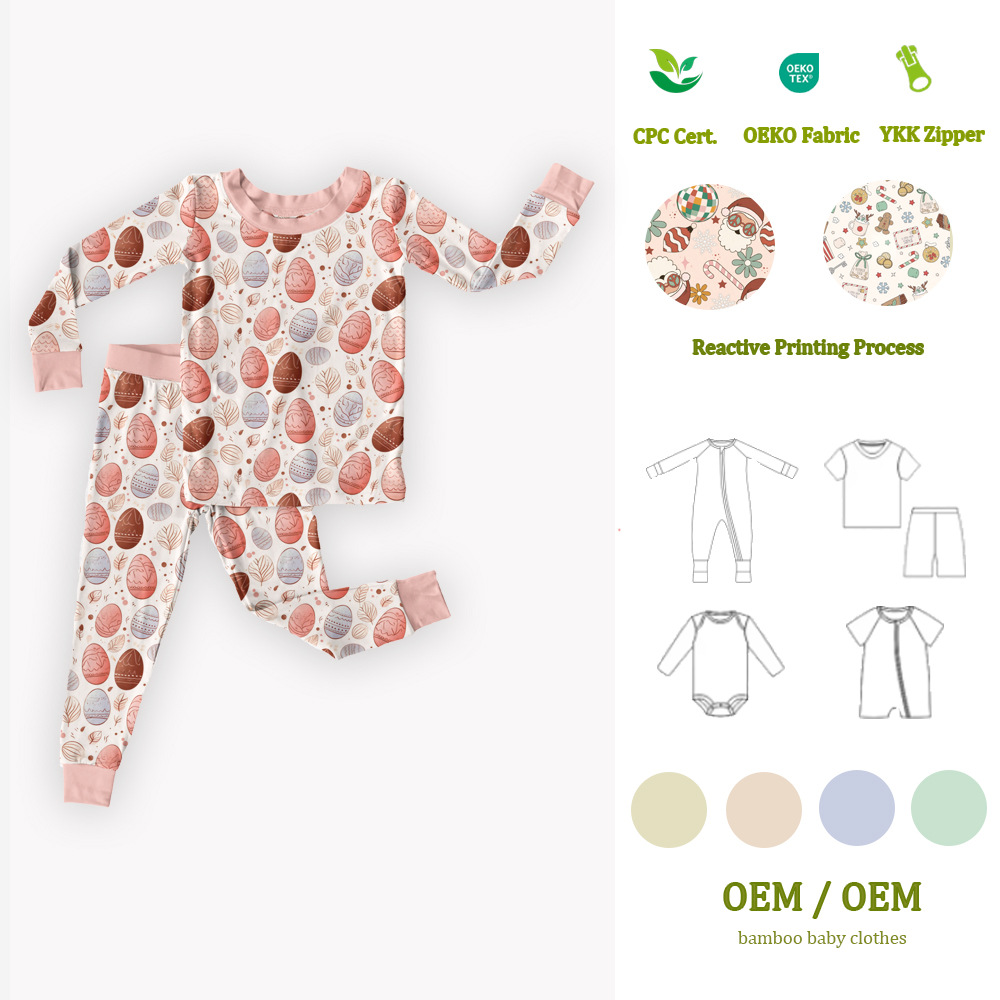
Bamboo frequently enough greets skin like a cool, cottony whisper – airy and naturally breathable thanks to its fiber structure and heat-regulating properties. It gently moves moisture away from the body, making it feel drier for longer in warm, humid conditions, and many wearers notice a slight antimicrobial freshness that helps prevent odor buildup. Modal, meanwhile, has a silkier drape and a smooth, cool-to-the-touch finish; it pulls moisture quickly and releases it to the air, so it performs exceptionally well for active days or layered outfits where fast drying matters.
When it comes to daily wear and longevity, the differences become practical rather than poetic. Modal typically holds color and resists pilling and shrinkage better after repeated washes, so your shirts and pajamas keep that new look longer. Bamboo can be very durable, too, but its performance depends more on how the fabric was processed; some bamboo blends soften faster and may show gentle wear more quickly. Both fabrics appreciate gentle care - cool washes, short cycles, and air drying – and in real life, they trade off: bamboo for breathable coolness and natural feel; modal for colorfastness and long-term smoothness.
- Bamboo: Best for hot climates, sleepwear, and anyone who prefers a natural, cushioned feel.
- Modal: Ideal for everyday tees, fitted layers, and garments that need to stay crisp and color-rich through many washes.
- Both: Lightweight, comfortable next-to-skin choices- pick by how they feel on you and the life you expect them to live.
Health, chemicals, and certifications: skin sensitivity, allergen concerns, and what labels to trust
Both bamboo-derived viscose and modal are regenerated cellulose fibers, so the raw material isn’t usually the main culprit for skin reactions – it’s the way the fiber is processed and finished. In many supply chains, bamboo viscose can be produced with solvents and heavy chemical processing that, if poorly managed, may leave residues or require harsh dyes and finishes. Modal, especially when labeled Lenzing Modal or produced in a closed‑loop facility, is often manufactured with stricter solvent recovery and lower chemical leakage. Having mentioned that, most finished fabrics are washed, dyed, and softened, and common irritants tend to be leftover processing chemicals, azo dyes, formaldehyde finishes , or added fragrances rather than the fiber itself. For people with sensitive skin, the safest bets are plain, undyed or low‑treatment fabrics and a pre‑wash with a gentle detergent.
To cut through marketing claims, look for autonomous verification and simple care habits. The table below highlights trusted labels and what they actually check, followed by quick actions to reduce allergen risk.
| Label | What it checks | Why it matters |
|---|---|---|
| OEKO‑TEX standard 100 | Harmful chemicals in finished textiles | Reduces the risk of chemical residues on the skin |
| GOTS | Organic fiber + social and processing standards | Limits pesticides and nastier chemical finishes |
| FSC / Lenzing certification | Responsible wood pulp sourcing & closed‑loop claims | better raw‑material traceability and solvent control |
- Wash new garments before first wear to remove surface finishes and sizing.
- Choose fabrics with clear labels like OEKO‑TEX or GOTS, or named manufacturers (e.g., Lenzing) that document closed‑loop production.
- If you’re highly reactive, perform a small patch test or opt for unbleached, undyed , or minimally finished items.
Practical buying guide and recommendations: best picks for activewear, loungewear, bedding, and care tips
When choosing between bamboo and modal, think about the job the garment or textile needs to do. For high-movement pieces, pick a bamboo blend-usually bamboo + spandex– for natural breathability and moisture management; for cozy at-home wear, modal wins with its silk-like drape and pill resistance. Consider these quick suggestions when shopping:
- Activewear: Bamboo blends for sweat-wicking and odor control.
- Loungewear: Pure modal or modal blends for unmatched softness and fluid fit.
- Bedding: bamboo-modal blends for a balance of coolness, durability, and luxurious feel.
Long-term enjoyment depends on smart care: wash cold, use a gentle detergent, and avoid bleach or harsh enzymes that damage fibers. Lay flat or tumble on low and remove promptly to prevent stretching; skip fabric softener-natural fibers don’t need it, and it can reduce absorbency. A few small rules to remember:
- Gentle cycle: preserves fiber structure and color.
- Low heat drying: prevents shrinkage, air-dry when possible.
- Storage: fold rather than hang fine modal to avoid shoulder distortion.
| Category | Best Pick | Why |
|---|---|---|
| Activewear | Bamboo + Spandex | Breathable, quick-dry, stretchy |
| Loungewear | Modal | Ultra-soft, drapes beautifully |
| Bedding | bamboo-Modal blend | Cool, durable, luxurious feel |
Q&A
Q: What are “bamboo” and “modal” fabrics?
A: Both are regenerated cellulose fibers – meaning natural plant pulp is chemically converted into fiber. ”Modal” is a specific type of rayon typically made from beechwood pulp. ”Bamboo” fabric refers to textiles made from bamboo pulp; depending on the process, it can be called bamboo viscose/rayon or bamboo lyocell.
Q: How are they made?
A: In both cases, wood or bamboo is pulped, dissolved into a viscous solution, and then extruded into fibers. The major differences are the source plant (beech vs bamboo) and the chemical/solvent process used. Modal is usually produced with processes optimized for strength and low shrinkage; bamboo rayon frequently uses traditional viscose chemistry unless a closed-loop lyocell method is specified.
Q: Which one feels softer?
A: Both are soft and drapey. Modal is often described as having a silkier, more stable “hand” and maintains softness after many washes. Bamboo viscose can feel extremely plush and almost velvety at first touch.
Q: Which breathes and wicks moisture better?
A: Both are breathable and good at moisture absorption and wicking compared with many synthetics. Performance depends more on fabric weight and knit/weave than the fiber name alone.
Q: Which is more durable - does one pill or shrink more?
A: Modal typically resists pilling and shrinkage better and holds its shape and color well. Bamboo viscose can be more prone to pilling and some loss of shape over time, though blends and higher-quality finishes can reduce these issues.
Q: Are they enduring and eco-friendly?
A: It’s complicated. Bamboo, as a plant, is fast-growing, requires little irrigation, and can be a low-impact raw material. Beech trees used for wood are also a renewable source. The main environmental concern is the chemical processing: traditional viscose uses solvents (some toxic historically) and can pollute if not managed. Many modern modal manufacturers (and some bamboo lyocell producers) use closed-loop systems that recover and reuse solvents; these are comparatively more environmentally responsible. Look for clear supply chains and certifications rather than assuming one fiber is automatically “green.”
Q: What certifications should I look for?
A: Useful labels include OEKO‑TEX® (low chemical residues), FSC® (responsible sourcing of wood), and certifications or statements about closed‑loop production from the manufacturer (e.g., Lenzing Modal or TENCEL™ Modal/Lyocell, or other verified closed-loop processes). Third-party environmental or corporate responsibility reports are also helpful.Q: Are there health or allergy concerns?
A: The fibers themselves are unlikely to cause allergies. However, residual processing chemicals or finishing agents can irritate sensitive skin. Choosing products with reputable certifications or brands that disclose finishing processes reduces this risk.
Q: Are they biodegradable?
A: Regenerated cellulose fibers are generally biodegradable under the right conditions if not blended with synthetics. The biodegradability can be slowed or altered by finishes, dyes, and blends.
Q: Which is better for underwear, activewear, or bedding?
A: – Underwear: Modal is frequently chosen for underwear because of its durability, softness, and shape retention. Bamboo viscose is also popular for its very soft feel. – Activewear: For high‑performance activewear, specialty synthetic fibers or blends are often preferred for stretch and rapid drying; both modal and bamboo blends can work well for lower‑intensity or comfort-focused pieces.- Bedding: Both make comfortable sheets; choose weight, weave, and quality rather than the fiber name alone.
Q: How should I care for garments made from these fibers?
A: General guidance: machine wash cold or gentle, use mild detergent, avoid bleach, tumble dry low or air dry, and iron on low if needed. Follow the garment label – higher-quality modal is often more forgiving in the wash.
Q: Are there notable processing differences I should watch for when buying?
A: Yes. “Bamboo viscose” and “bamboo rayon” are often produced with viscose chemistry; “bamboo lyocell” or products labeled from an accredited lyocell supplier imply a cleaner, closed‑loop process. For modal, branded or certified modal (e.g., certain Lenzing Modal products) suggests stricter production standards.
Q: Is one cheaper than the other?
A: Prices vary widely by brand, quality, certifications, and blend. Modal products – especially branded or certified modal – often command higher prices, but bamboo products can also be expensive if marketed as premium bamboo lyocell or organic.
Q: Can they be blended with other fibers?
A: Yes. Both are commonly blended with cotton, spandex, polyester, or other fibers to add stretch, durability, or cost savings. Blends can change care needs, feel, and environmental impact.
Q: Are the “antibacterial” claims about bamboo true?
A: Bamboo in its raw state contains some antimicrobial compounds, but most chemical processing removes those natural components. Claims of permanent antibacterial properties in finished textile products should be treated skeptically unless supported by testing or certification.
Q: How do I choose between them?
A: Decide by priorities: – For long-term durability and shape retention, favor modal. – For an initially plush, ultra-soft feel: bamboo viscose can be appealing. – For the strongest environmental assurances: seek closed‑loop production, transparent supply chains, and recognized certifications (these can apply to either fiber). Also consider fabric weight, knit/weave, finish, and the brand’s quality reputation.
Q: Bottom line – which is “better”?
A: There’s no universal winner. Modal tends to be more durable and stable; bamboo can be exceptionally soft and is attractive for its raw material story. The best choice depends on your priorities: feel, durability, environmental transparency, certifications, and price. Look beyond the label and choose products from manufacturers who disclose their sourcing and production processes.
If you’d like, I can draft a short buyer’s checklist you can include in the article to help readers make quick decisions.
Future Outlook
In the quiet weave of choices between bamboo and modal, neither fabric stands as an unquestioned winner — each brings distinct strengths to modern children’s wardrobes. Bamboo-derived fabrics offer a cool, breathable softness and a compelling story rooted in fast-growing natural fibers, while modal is valued for its smooth drape, durability, and consistent performance through repeated washing. Sustainability, however, is shaped not only by raw materials but by processing methods, certifications, and manufacturing discipline.
At Kabeier, we help brands move beyond surface-level fabric comparisons. Our team works closely with partners to evaluate bamboo, modal, and blended options based on real use scenarios — skin sensitivity, wash cycles, seasonal performance, and market positioning. From certified material sourcing and sample testing to production planning, we ensure fabric choices align with both your product vision and long-term brand standards.
Rather than asking which fabric is better, we help you determine which fabric is right for your collection — whether your priority is softness and breathability, longevity and care, or supply-chain transparency supported by verifiable certifications.
If you’re developing a bamboo or modal-based babywear line and want guidance grounded in manufacturing experience — not guesswork — connect with Kabeier. Let’s review your fabric options, test samples, and build garments that meet your quality expectations and your customers’ trust.
🧵 Start with a fabric discussion, sample request, or OEM/ODM consultation — and turn informed choices into production-ready results.