
A tiny onesie can tell a big story. As parents and retailers alike rethink the materials that touch a baby’s skin, a quiet shift is underway in nursery closets and shop racks: bamboo – once a niche fiber – is cropping up on more garment labels. Its rise invites questions about comfort, environmental impact, and how modern supply chains respond to changing consumer tastes.
Brands point to a mix of practical and market-driven reasons for the switch. Bamboo-based textiles are often promoted for their softness, breathability , and moisture-management, while manufacturers and sustainability-minded shoppers highlight bamboo’s rapid growth and lower pesticide needs compared with some conventional crops. Simultaneously occurring, demand for gentle, eco-conscious baby products, evolving certification standards, and competitive pricing all shape the decisions behind product lines.
This article will explore why more brands are adopting bamboo baby apparel by examining the material’s characteristics, industry claims, and the trade-offs that accompany its production and certification. Rather than a simple endorsement, we’ll weigh the evidence and industry perspectives so readers can understand both the appeal and the caveats behind bamboo’s growing presence in baby wardrobes.
Table of Contents
- Why Bamboo Suits Delicate Baby Skin: Evidence, Testing Methods, and Certification Practices
- Sustainable Supply Chains for Bamboo Apparel: Sourcing, Processing Impacts and How Brands Ensure Transparency
- Design, Durability, and Care for Bamboo Baby Clothing: Fabric Innovations, Performance Metrics, and Practical Washing Recommendations
- Commercial Playbook for Brands Choosing Bamboo: Pricing Strategies, Positioning, and Retail Partnership Recommendations
- Q&A
- Future Outlook
Why Bamboo Suits Delicate Baby Skin: Evidence, Testing Methods, and Certification Practices
Bamboo’s appeal for newborns goes beyond marketing: the fiber’s naturally smooth structure and breathable weave reduce friction and help regulate microclimate against baby skin, while laboratory assessments often show lower irritation potential compared with coarser synthetics. Clinical and bench tests point to benefits like moisture-wicking, gentle softness, and a reduced tendency to trap heat and sweat- qualities that limit chafing and rash formation. To validate these claims, manufacturers and independent labs rely on targeted assays such as:
- Patch and dermatological irritation testing
- Microbial growth and antibacterial efficacy assays
- Chemical-residue screens (formaldehyde, azo dyes, heavy metals)
- Colorfastness and abrasion durability tests
Because bamboo is often mechanically or chemically processed into wearable yarns, brands increasingly pair lab testing with third-party certification to prove safety and supply-chain integrity. Recognizable seal-like Oeko‑Tex Standard 100, GOTS, and Made in Green confirm different aspects of cleanliness, organics, and traceability, while ISO‑accredited labs (ISO 17025) handle the technical analyses. Below is a quick guide to what each certification typically covers:
| Certification | What it verifies | Why it matters for babies |
|---|---|---|
| Oeko‑Tex Standard 100 | Limits harmful substance residues | Reduces chemical irritation risk |
| GOTS | Organic fiber + responsible processing | Fewer agrochemicals and safer treatments |
| Made in Green | Traceability and low-impact production | Verifies factory practices and lab tests |
Sustainable Supply Chains for Bamboo Apparel: Sourcing, Processing Impacts and How Brands Ensure Transparency
Bamboo’s rapid regrowth and low need for pesticides make it an appealing raw material, but real sustainability is decided long before a onesie hits the wash. Smart brands pair responsible sourcing with careful land stewardship, supporting mixed planting, protecting soil health, and empowering smallholder suppliers, while scrutinizing how raw culms are turned into fabric. To keep environmental and social costs low, many teams require suppliers to follow practices such as:
- Verified origin: sourcing from audited plantations or community-managed forests
- Low-impact processing: preferring mechanical or closed-loop solvent methods over open chemical processes
- Localized supply chains: reducing transport emissions and supporting regional economies
Processing can be the trickiest part: some bamboo-to-fiber methods are resource-light, while others use intensive chemicals and energy. To manage those trade-offs, leading labels combine certification, independent audits, and digital traceability-QR labels that map a product’s journey, supplier scorecards, and published factory lists-to hold partners accountable and inform consumers. These tools, together with continuous advancement plans and public reporting, help translate good intent into measurable progress while keeping parents confident that their baby’s clothes are kinder to people and the planet.
| Verification | What it checks |
|---|---|
| OEKO‑TEX | Harmful substances in finished textiles |
| GOTS / Organic | Ecological farming + social criteria for fibers |
| Third‑party audit | Worker conditions, chemical handling, emissions |
 Design, Durability, and Care for Bamboo Baby Clothing: Fabric Innovations, Performance Metrics, and Practical Washing Recommendations
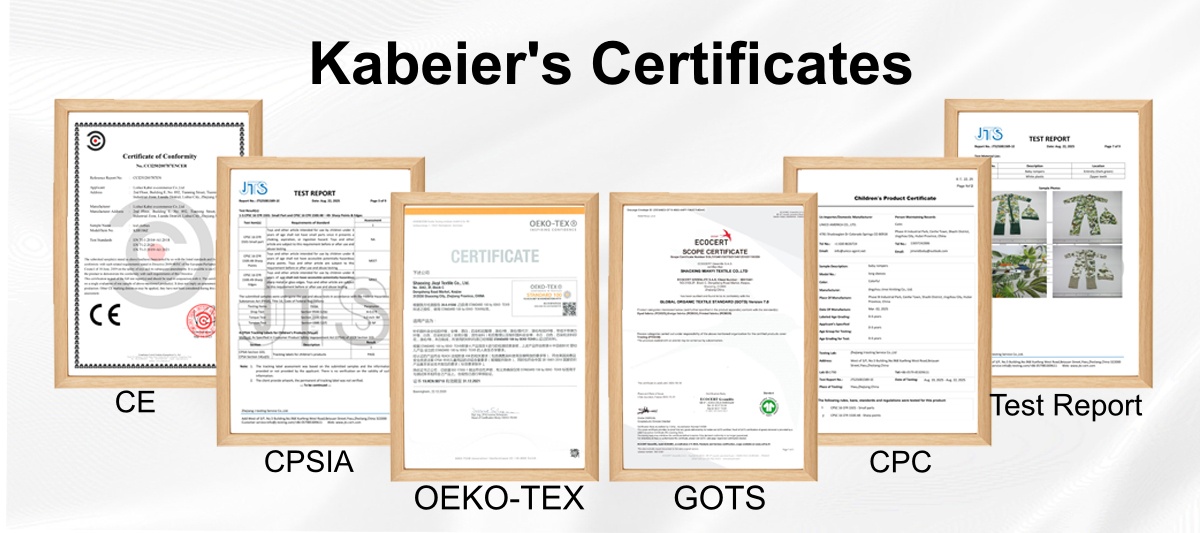
Designers are rethinking baby basics with fabrics that marry softness and longevity: finely spun bamboo viscose or bamboo-lyocell blends are engineered into knits like interlock and rib to hold shape without sacrificing stretch. Innovative finishing-enzyme treatments that reduce pilling and natural silicone softeners give outfits a silk-like hand while meeting strict safety standards such as OEKO‑TEX® and organic certifications. Brands now quantify performance with simple, buyer-pleasant metrics: GSM for weight and warmth, pilling score for surface durability, and moisture-wicking percentage for comfort during active days. These measurable targets let parents compare pieces the way they would a stroller or car seat: by tested function rather than just looking.
Longevity is also about care that’s realistic for busy families. Follow gentle practices to preserve the fiber’s natural properties: cold or warm machine wash, low‑spin cycles, and air drying whenever possible. Key care points include:
- Pre-treat stains with an enzyme-free, mild detergent.
- Avoid bleach and fabric softeners that break down fibers or reduce absorbency.
- Low-heat ironing, if needed, bamboo blends respond quickly and retain shape better when handled gently.
| Action | Temp/Cycle | Quick Tip |
|---|---|---|
| Machine wash | Cold-30°C, gentle | use mild detergent |
| Tumble dry | Low or air | Remove promptly to avoid wrinkles |
| Stain treatment | Soak briefly | Pat, don’t rub |
Commercial Playbook for Brands Choosing Bamboo: Pricing Strategies, Positioning, and Retail Partnership Recommendations
Think of pricing as a storytelling tool: set one signature premium tier that showcases bamboo’s softness and eco-credentials, then support it with a reachable everyday-value line to capture repeat buyers. Use clear anchor pricing (a hero product shown alongside a value bundle) and test subscription or refill bundles to increase lifetime value without eroding perceived quality. Practical tactics:
- Value tiering – Premium, Core, Essentials
- Anchoring – Display hero pieces beside bundles
- Dynamic promotions – Time-based discounts for new parents and holidays
- Channel pricing discipline – keep DTC full price, allow select retail promo windows
Aim for pricing that reflects sustainability as a benefit, not a cost burden, so shoppers feel they’re investing in both comfort and conscience.
Partnership choices should amplify positioning: pair with boutique baby stores and eco-focused marketplaces for storytelling, while using a controlled presence in larger specialty retailers to scale visibility. The table below maps partner types to typical roles and margin expectations to help prioritize outreach quickly.
| Partner Type | Role | Target Margin |
|---|---|---|
| Eco Boutiques | Brand storytelling, events | 40-50% |
| Specialty Baby Retailers | Curated assortments, trial | 30-40% |
| Online Marketplaces | Reach & scale | 20-30% |
Quick partnership playbook:
- Co-branded activations to educate new parents on bamboo benefits
- Exclusive capsule collections for flagship retail partners
- Data-sharing agreements to refine assortments and size runs
Combined, these moves protect margin, sharpen positioning, and accelerate distribution without diluting the brand promise.
Q&A
Q: Why are so many apparel brands talking about bamboo baby clothes lately?
A: Bamboo carries a strong overlap of trends parents care about: perceived sustainability, soft hand-feel, and good performance (breathability, moisture-wicking). Brands find it an attractive story to meet eco-conscious shoppers while offering garments that feel premium for babies.
Q: What makes bamboo fabric feel different from cotton?
A: Bamboo-derived fabrics, especially bamboo viscose or bamboo lyocell, tend to feel silkier, smoother, and more drapey than typical cotton. They also often breathe well and wick moisture, which gives a cooler, softer sensation against delicate skin.
Q: Is bamboo actually more sustainable than other fibers?
A: It can be, but it depends. Bamboo, the plant grows quickly, requires little irrigation, and can regenerate without replanting-advantages for land use and yield. The environmental payoff largely hinges on how the plant is processed into textile fiber. Mechanically processed bamboo (rare) is more natural; chemically regenerated fibers (viscose/lyocell) need solvents and energy. Processes that use closed-loop systems and non-toxic solvents (e.g., approved lyocell methods) are more sustainable than older, open-loop viscose methods.
Q: Are there environmental red flags I should watch for?
A: Yes. “bamboo” on a label doesn’t reveal the processing method. Look out for vague claims and for brands that don’t disclose where or how the fiber is made. Greenwashing-using “bamboo” as an automatic sustainability stamp-is common. Prefer brands that publish supply-chain details, independent third‑party certifications, or that name the fiber (e.g.,”bamboo lyocell” or “Tencel™ lyocell”).
Q: Is bamboo fabric safe for newborns and sensitive skin?
A: Many parents report that bamboo fabrics are gentle and less irritating due to their soft surface and breathability. However, safety depends on the finishing chemicals used during dyeing and processing. Choose garments with OEKO‑TEX Standard 100 or similar testing for harmful substances, and check brand transparency about dyes and finishes.
Q: How does bamboo perform for temperature regulation and moisture?
A: Bamboo-derived fabrics are frequently breathable and have good moisture-wicking properties; they can feel cool in warm weather and somewhat insulating in cool weather, making them versatile for baby layers.
Q: How durable is bamboo apparel compared with cotton?
A: Durability varies by fabric type and construction. Regenerated bamboo fibers like viscose can be slightly less robust than heavy cotton but fine for everyday babywear if well-made. Lyocell variants can be stronger and more durable. Look at stitching, fabric weight, and brand reviews for longevity.
Q: What about pilling and color retention?
A: Pilling can happen with any soft fabric; the quality of yarn and construction influence it more than fiber type alone. Bamboo fabrics often retain color well if properly dyed; again, check brand care instructions and third-party tests.
Q: Are bamboo garments more expensive?
A: Often yes. The cost reflects the complexity of bamboo fiber processing, smaller-scale sustainable manufacturing, and premium positioning in the market. That said, experienced manufacturers like Kabeier, with over 15 years in baby and children’s clothing production, help balance quality and cost through efficient in-house processes and scalable production. As demand continues to grow and manufacturing becomes more streamlined, bamboo garments are becoming increasingly competitive in price—without compromising comfort or sustainability.
Q: How can I tell if a bamboo product is truly eco-friendlier?
A: Look for clear, specific facts: the exact fiber name (bamboo lyocell, bamboo viscose), the processing method, evidence of closed-loop solvent recovery, supplier disclosures, and independent certifications (e.g., OEKO‑TEX, and where applicable, certifications that address responsible forestry or manufacturing). Brands that publish factory audits and lifecycle comparisons are preferable.
Q: Are there differences between “bamboo rayon,” “bamboo viscose,” and “bamboo lyocell”?
A: Yes. “Viscose” and “rayon” are terms for regenerated cellulose fibers made by dissolving plant cellulose and then re‑forming it; they may use chemicals whose management varies by factory. “Lyocell” is a type of regenerated fiber made with a different solvent system that can be recycled in a closed-loop process and is generally considered more environmentally friendly. The exact environmental impact depends on the producer’s practices.
Q: What should I look for when buying bamboo baby clothes?
A: Prioritize brands that:
-
- Name the fiber and processing (e.g., lyocell, viscose).
-
- Provide certifications like OEKO‑TEX Standard 100.
-
- Share supply-chain or factory information.
-
- Explain dyeing and finishing practices.
Also check construction quality, size guides, and wash instructions.
Q: How should I care for bamboo baby clothing?
A: Follow the label, but common recommendations: wash on a gentle cycle in cool or warm water, use mild detergent, avoid high heat in the dryer to reduce shrinkage and wear, and air-dry when possible to preserve softness and shape.
Q: Will bamboo baby clothes biodegrade or be compostable?
A: A pure mechanically processed bamboo fabric would be biodegradable. However, chemically regenerated bamboo (viscose/lyocell) can biodegrade differently depending on treatments, blends, and dyes. Finishes and blends with synthetics can hinder compostability. Brands that design for end‑of‑life will say so.
Q: Why are brands switching even with the processing caveats?
A: Brands balance consumer demand, feel, performance benefits, and the potential sustainability story. Improved manufacturing technologies, increased availability of better regenerated fibers (e.g., responsibly produced lyocell), and consumer preference for softer, eco-minded options make bamboo an attractive choice, provided brands manage transparency and responsible processing.
Q: Final takeaway for parents?
A: Bamboo baby apparel can be a great option: soft, breathable, and frequently enough eco-friendlier if produced responsibly. Do a quick check for fiber type, certifications, and brand transparency to avoid greenwashing. If those boxes are ticked, bamboo clothing is worth considering for comfort and performance.
Future outlook
As the last fold of a tiny onesie is smoothed and the day winds down, the shift toward bamboo baby apparel feels less like a trend and more like a quietly growing current. Brands are drawn by bamboo’s soft hand, breathability, and lower resource footprint; parents by the promise of comfort and conscientious choices; and manufacturers by new fibers, certifications, and evolving supply chains. Together,r these forces have nudged bamboo from niche novelty toward mainstream wardrobe staple.
Having mentioned that, the story isn’t all green and simple. Real progress depends on transparency-how bamboo is processed, how chemicals are managed, and how claims are verified. The smartest brands will balance innovation with accountability, and the savviest shoppers will look beyond labels to the evidence behind them.
Whether bamboo becomes a lasting fabric of infant wardrobes or simply a chapter in the evolution of sustainable textiles, its rise has already reshaped conversations about what we put next to a baby’s skin. Watch for clearer standards, smarter manufacturing, and products that pair gentle performance with genuine environmental care-because the smallest clothes often carry the biggest questions.