
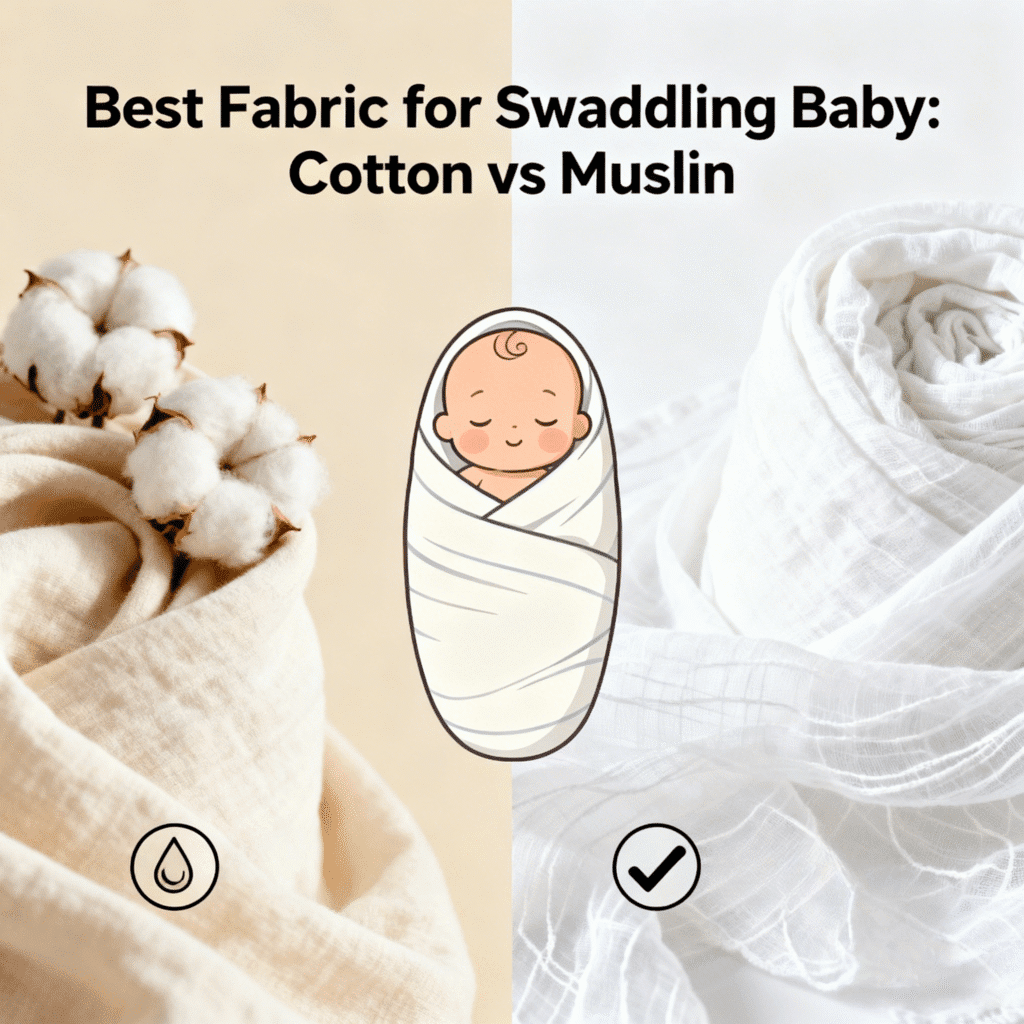
A newborn’s first blanket is more than fabric; it’s a gentle envelope that soothes, warms, and helps make sense of a world that feels too big. Choosing the “best” swaddling fabric, however, is less about a single champion and more about matching material properties to a baby’s needs and the season: breathability, stretch, softness, weight, and safety all play a part. From airy muslin and classic cotton to silky bamboo blends and snug knits, each option brings trade-offs in temperature regulation, durability, and ease of use. In this article, we’ll untangle those differences, outline practical safety considerations, and offer guidance to help you pick the fabric that fits your family’s routine and your baby’s comfort.

Table of Contents
- Why Fabric Choice Matters for Safe , Comfortable Swaddling
- Fibers and Weave: What Sets Cotton and Muslin Apart
- Breathability , Moisture Control, and Temperature Regulation for Newborns
- Durability Care and Longevity : How Each Fabric Holds Up to Real Life
- Clear Recommendations: Choosing Cotton or Muslin by Season, Fit, and Parenting Needs
- Q&A
- Future Outlook
Why Fabric Choice Matters for Safe, Comfortable Swaddling
Choosing the right cloth for wrapping your newborn is more than a style choice – it shapes how warm, calm, and safe your baby will feel. Breathable fabrics wick away moisture and lower the risk of overheating, while soft weaves protect delicate skin from irritation.Stretch and recovery matter too: a little give lets caregivers create a snug, secure wrap without constricting the hips or chest. Think of the fabric as the quiet partner in every nap and cuddle – subtle, but essential.
Look for these practical qualities when selecting materials:
- Breathability: prevents overheating
- Softness: reduces friction and redness
- Stretch & structure: allows snug wrapping without pressure
- weight: seasonal warmth control
- Easy care: frequent washing without losing shape
| Trait | Cotton | Muslin |
|---|---|---|
| Feel | Soft, smooth | Light, airy |
| Breathability | Good | Excellent |
| Stretch | Low-medium | High (woven give) |
| Best use | Everyday swaddles | Warm-weather & layered swaddles |
Fibers and Weave : What Sets Cotton and Muslin Apart
On the fiber level, think of cotton as the raw voice and muslin as the song built from it. Cotton refers to the natural plant fiber prized for its softness, absorbency, and breathability; its character changes with staple length and thread count. muslin, in everyday baby gear, usually means a lightweight, open-weave cloth, most often woven from cotton yarns into a loose, airy gauze. That airy construction gives muslin a breezy drape and swift-dry feel, while denser cotton weaves offer more insulation and durability.
When choosing between the two, consider practical touchpoints:
- Breathability: Muslin’s open weave wins for airflow and temperature regulation.
- Softness: Both can be soft, but long-staple cotton and pre-washed muslin feel different-one is plush, the other is lightweight and crinkly.
- Durability: Tighter cotton weaves resist abrasion; muslin softens with washes and becomes more pliable over time.
- Weight & warmth: Use thicker cotton for cool nights, muslin for layering in warmer weather.
| Feature | Cotton (general) | Muslin (gauze) |
|---|---|---|
| Weave | Tight/plain or twill | Loose, open gauze |
| Feel | Smooth to plush | Soft, airy, slightly textured |
| Best for | Durability, warmth, structured wraps | Breathable swaddles, lightweight layering |
Breathability, Moisture Control, and Temperature Regulation for Newborns
Choosing between cotton and muslin often comes down to how well a fabric moves air and handles dampness. Muslin’s airy, open weave gives remarkable breathability and fast-drying moisture control, whereas conventional cotton-especially denser weaves-feels plush but can trap more heat and humidity against delicate newborn skin. Those subtle differences influence a baby’s comfort: better airflow helps prevent overheating, while good moisture management keeps skin dry and reduces irritation.
- Warm climates: lightweight muslin layers promote cooling and reduce sweating.
- Cooler nights: choose thicker cotton or layer muslin with a thin blanket for gentle warmth.
- Wetness: prefer quick-drying fabrics and change damp swaddles promptly to maintain skin health.
- Wrap style: loose swaddles allow airflow; snug wraps retain warmth. Balance the two based on the room temperature.
Quick comparison at a glance:
| fabric | Airflow | Moisture handling | Best for |
|---|---|---|---|
| Muslin | High | Fast-drying, breathable | Warm to mild climates, multi-layering |
| Cotton | Moderate | Absorbent, slower to dry | cooler rooms, cozy layering |
Durability Care and Longevity: How Each Fabric Holds Up to Real Life
Every day reality treats swaddles like tiny gymnastics mats: spit-up, frequent wash cycles, and the occasional stroller nap that leaves a faint snack imprint. Plain woven cotton holds up as a reliable workhorse – it resists tearing, launders cleanly, and tends to maintain shape if washed gently. Muslin, with its open weave, softens beautifully with each wash and becomes more cuddly over time, but it can show more stretching at the edges and slight fraying if snagged. In short, cotton is steady and sturdy; muslin gains character and softness but needs a bit more gentle handling to stay neat.
Simple care moves keep both fabrics looking and performing their best. Treat stains quickly, use a mild detergent, and skip heavy fabric softeners that can reduce absorbency. For everyday upkeep, follow these quick steps:
- Wash: warm or cool water on a gentle cycle.
- Dry: tumble low or air-dry to prevent over-shrinking.
- Repair: trim loose threads on muslin; reinforce seams on cotton.
- Store: cool, dry place, folded – avoid damp bins that encourage mildew.
| Fabric | Typical Lifespan | Reality Note |
|---|---|---|
| Cotton | 2-4 years | Durable structure, holds shape well. |
| Muslin | 1.5-3 years | Softens with age; may thin at edges. |
Clear Recommendations: Choosing Cotton or Muslin by Season, Fit, and Parenting Needs
Think of swaddle fabric the way you choose outerwear: light, airy layers for heat; structured warmth for chill. For warm months, reach for breathable muslin or single-layer cotton gauze-they wick moisture and reduce overheating. When nights turn cool, opt for denser cotton weaves or layered swaddles that trap warmth without bulk. Fit matters as much as fiber: a snug tuck around the hips and shoulders keeps the swaddle secure, while stretchy cotton jerseys work well for active sleepers who need a little give. Consider these quick picks:
- Summer: Muslin – ultra-breathable and quick-drying.
- Spring/Fall: Midweight cotton – flexible warmth, easy to layer.
- Winter: Thick cotton or layered swaddles – retain heat safely.
- Active/Wiggle-prone babies: Jersey cotton – snug yet forgiving.
Balance practical parenting needs with seasonal sense: choose fabrics that launder easily, dry fast, and are hypoallergenic if your baby has sensitive skin. Below is a compact comparison to help match your routine to the right cloth.
| Situation | Best Fabric | Why |
|---|---|---|
| Hot nights | Muslin | Breathable, lightweight, prevents overheating |
| Cool evenings | Midweight cotton | Comfortable warmth, easy to layer |
| Frequent washing | Cotton, muslin, or jersey | Durable, softens with wash, fast-drying |
Q&A
Q: Which fabric is best for swaddling a baby?
A: There’s no single “best” fabric for every family, but lightweight, breathable natural fibers are most often recommended. Muslin cotton is a popular all‑round choice because it’s soft, breathable, and slightly open‑weave (reducing overheating). Bamboo and organic cotton are also excellent for sensitive skin, while jersey knit works well when you want stretch for a snug swaddle.
Q: Why is breathability crucial?
A: Babies can’t regulate temperature, and neither can adults, so breathable fabrics help prevent overheating. Open‑weave cottons and thin bamboo fabrics allow air circulation, reducing the risk of sweating or heat retention that can make a baby uncomfortable.
Q: Is bamboo a good option?
A: Yes-bamboo blends are prized for their silk‑like softness and natural temperature regulation. They’re often more absorbent than cotton and good for sensitive skin, but quality varies, so check for trusted brands and certifications (and wash before first use).
Q: What about jersey knit swaddles?
A: Jersey cotton is stretchy, which makes it easy to create a snug, womb‑like wrap that many babies find comforting. Its stretch also reduces the need for very tight wrapping, but be sure the fabric is breathable and not too thick.
Q: Which fabrics should I avoid?
A: Avoid heavy, non‑breathable synthetics (like thick fleece or some microfiber blends) for newborn swaddling because they can trap heat and moisture. Also, steer clear of fabrics with large, loose loops, long fringes, or embellishments that could snag or pose a hazard.
Q: Does seasonality change the best choice?
A: Yes. Use lightweight muslin or bamboo in warm weather for maximum airflow. In cooler months, choose slightly thicker options-like flannel or a heavier cotton-but keep layers minimal and monitor room temperature to avoid overheating.
Q: Are organic fabrics worth the extra cost?
A: Organic fabrics reduce exposure to certain pesticides and chemical residues used in conventional growing and processing, which some parents prefer for newborn skin. They can cost more, but for families with sensitive skin or strong preferences about sustainability, the trade‑off is frequently enough worth it.
Q: How big should a swaddle be?
A: A good swaddle blanket is versatile: common sizes range from about 40 x 40 inches (100 x 100 cm) for smaller wraps to 47 x 47 inches (120 x 120 cm) for more robust wrapping styles. Choose a size that lets you create a secure wrap without excess bulk near the face.
Q: How should I care for swaddle fabrics?
A: Wash before first use. Most cotton, muslin, and bamboo swaddles are machine washable. Use a gentle detergent and avoid fabric softeners that can coat fibers and reduce absorbency. Expect some shrinkage; follow care labels and consider sizing up if you want a long‑lasting blanket.
Q: Can the fabric affect the baby’s skin (eczema, allergies)?
A: Yes. Babies with eczema or very sensitive skin frequently do better with soft, breathable natural fibers (organic cotton, bamboo). Always patch‑test a new fabric against the baby’s skin and consult a pediatrician if you suspect a fabric‑related reaction.
Q: How can I tell if a fabric is breathable at home?
A: Hold the fabric up to light-if you can see some light through the weave, it’s likely more breathable. A simple test is to breathe through it: an easily felt airflow indicates better breathability.
Q: Are swaddle wraps and swaddle sacks different from fabric choice?
A: Swaddle wraps and sacks come in materials ranging from stretchy jersey to cotton blends; the same fabric considerations apply. Swaddle sacks frequently enough have fasteners and are designed to reduce loose fabric, which can be safer for newborn sleep if used correctly.
Q: Are there safety considerations tied to the fabric?
A: Yes. Avoid bulky blankets and excessive layers that can cover the face. Choose fabrics that don’t fray or shed fibers, and stop swaddling-regardless of fabric-once your baby shows signs of rolling to reduce the risk of unsafe positioning.
Q: When should I stop swaddling?
A: Most babies begin to roll between 2 and 4 months. Pediatric sleep experts advise discontinuing swaddling as soon as rolling starts, because a swaddled rolling baby can end up face‑down and unable to reposition.
Q: Final recommendations – quick picks by need:
A:
– Best all‑round: Muslin cotton (breathable, durable, easy care).
– Best for sensitive skin: Bamboo or organic cotton.
– Best for a snug fit: Jersey knit.
– Best for cold climates: flannel or a thicker cotton, used sparingly and with room temp monitored.
– What to avoid: Thick synthetics or heavily embellished blankets.
Q: Any closing tips for choosing a swaddle fabric?
A: Prioritize breathability, softness, and safe construction. Buy a couple of types to try (muslin and a stretchy jersey are a common combo), wash them first, and watch how your baby responds to warmth and comfort. Safety-proper fit, and stopping when rolling begins matter as much as the fabric itself.
Future Outlook
Choosing the right swaddle fabric is less about finding a single “best” material and more about matching fiber, weight, and weave to your baby’s needs and your climate. Breathable cotton or muslin offers everyday comfort and airflow, while lightweight bamboo blends bring extra softness and stretch for sensitive skin; heavier knits can work for cooler nights with careful attention to snugness and safety. Whatever you choose, prioritize breathability, a secure fit, and the latest safe-sleep guidance, and don’t be afraid to try a couple of options until you find the one that soothes both baby and caregiver. The best fabric is the one that helps your little one sleep soundly and keeps you confident and comfortable through those quiet, swaddled nights.