
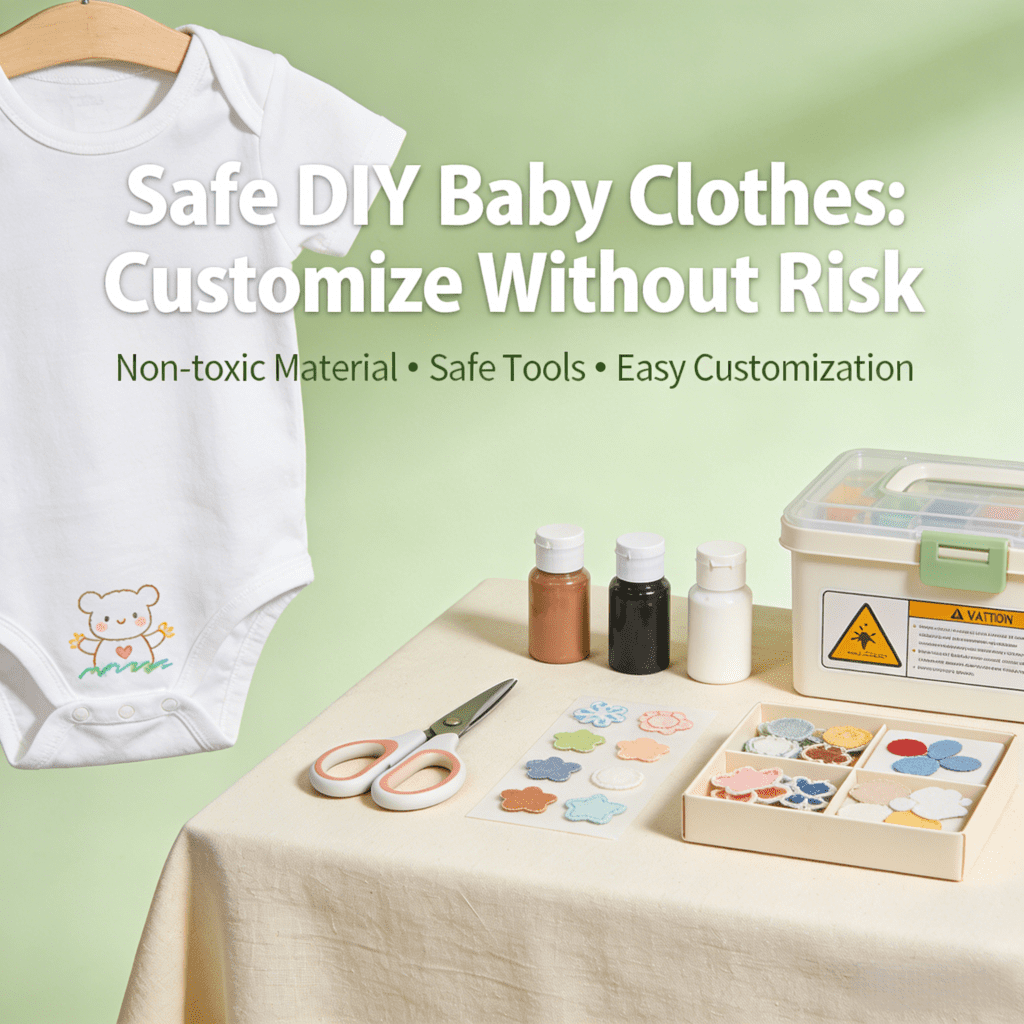
A tiny onesie can feel like a blank canvas and a precious first statement – a place to stitch a name, add a little flair, or turn hand-me-downs into something new. But what feels playful and personal for adults may carry hidden hazards for infants. Customizing baby clothes is an exercise in balancing creativity with care: making something unique without trading safety for style.
This article will guide you through thoughtful choices that keep the child’s well-being front and center. You’ll learn how fabrics, trims, fastenings, and finishing techniques affect comfort, breathability, and risk; which embellishments to avoid; and practical steps to ensure durable, wash-safe customizations. We’ll also touch on age-appropriate design, basic safety standards, and simple tests to spot potential problems before a garment reaches a baby. Whether you’re personalizing a gift, upcycling a favorite piece, or launching a small nursery brand, the right methods let you express warmth and creativity while minimizing hazards. Read on for clear, practical advice that helps your baby’s apparel look as safe as it is sweet.
Table of Contents
- Choosing Nontoxic Fabrics, Dyes, and Trims for Sensitive Skin
- Favor Snaps and Embroidered Appliques Over Buttons and Loose Embellishments
- Sewing Techniques for Secure Seams, Reinforced Hems, and Safe Fastenings
- Prewash Fabrics Test for Colorfastness and Maintain Garments to Prevent Irritation
- Q&A
- wrapping Up
Choosing Nontoxic Fabrics, Dyes, and Trims for Sensitive Skin
Think of dye and trim choices as the softest handshake between fabric and baby skin – subtle, secure, and reassuring. Favor certified, low-impact dyes (Oeko‑Tex or GOTS) and fiber-reactive formulas for cellulose fibers; they bond to the yarn rather than sitting on the surface, so colors stay put and rinse out less irritants. If you prefer plant-based options, experiment with avocado pits, onion skins, or madder for muted palettes, but remember mordant choices (alum is gentler than heavy metals). Before committing to a whole garment, always pre-wash, dye a small scrap, and do a patch test on a washed swatch after full cure. Practical tips:
- Look for explicit no-formaldehyde / low-VOC labels.
- Test colorfastness by washing 3 times and checking for rub-off.
- Use mild mordants (such as alum) sparingly and rinse thoroughly.
- Avoid textile finishes that add stiffness or flame-retardant chemicals.
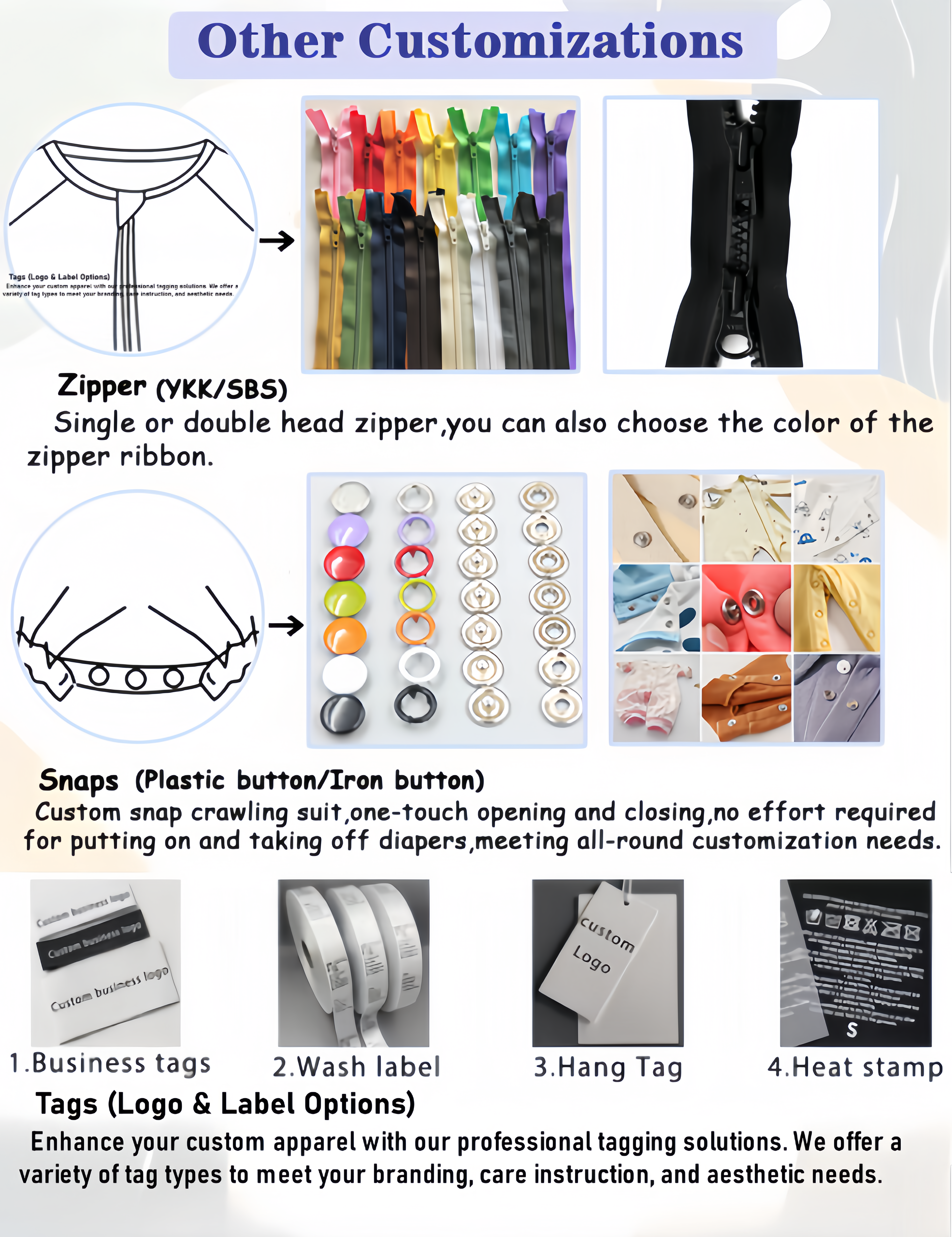
Trims should whisper, not shout: choose nickel-free snaps, coconut‑shell or corozo buttons, and organic cotton tapes and thread to minimize contact with reactive metals and synthetics. Elastic should carry an Oeko‑Tex label and be encased or covered to prevent direct skin contact; flat seams and tagless labels reduce chafing. For a quick comparison of common dye families, see the table below:
| Type | Best for | Skin notes |
|---|---|---|
| Fiber-reactive | Cotton, bamboo, linen | Bright, washfast, low wash-out |
| Acid dyes | Wool, silk | Vibrant, requires careful rinsing |
| Natural plant dyes | All fibers (with mordant) | Gentle look, variable fastness |
 Final rule: always run a full wash-and-wear test and a skin patch trial before gifting or dressing for safety before style.
Favor Snaps and Embroidered Appliques Over Buttons and Loose Embellishments
When customizing baby clothes, prioritize fastenings and decorations that stay put under playtime pressure. Snaps and fully stitched appliques lie flat and eliminate dangling pieces that little hands can tug off - meaning fewer choking hazards and smoother naps against delicate skin. Choose secure snaps and embroidered work over glued-on or loosely sewn embellishments; they endure washes, resist chewing, and keep tiny outfits looking tidy without compromising safety.
- Low choking risk: snaps and embroidery are fixed and flush with the fabric.
- Durable: With reinforced stitching, they survive repeated laundering.
- Comfortable: Flat finishes reduce irritation against soft skin.
- Testable: Easily checked with a gentle pull before everyday wear.
For best results, use high-quality snap sets and secure appliques with a dense satin stitch or a narrow zigzag that fully encases raw edges – this transforms charming motifs into permanent, child-safe details. If you want a quick reference while shopping or planning a project, the table below compares common options so you can pick materials that balance style and safety.
| Fastener | Choking Risk | Laundry | Best Use |
|---|---|---|---|
| Snaps | low | Excellent | Closures & bodysuits |
| Embroidered Applique | Very Low | Excellent | Decorative, tactile motifs |
| Buttons | Moderate | Fair | Adult wear; avoid on infants |
| Loose Embellishments | High | Poor | Not recommended for babies |
Sewing Techniques for Secure Seams, Reinforced Hems, and Safe Fastenings
Think of each stitch as a tiny safety net – choose methods that trap raw edges and resist tugging. For delicate fabrics, use French seams or a narrow double-fold with a shorter stitch length to prevent unraveling; for heavier knits, a flat-felled seam or a stretch stitch offers strength without bulk. Always backstitch at the start and end, keep seam allowances consistent, and finish with a serger or a tight zigzag to lock threads. Small details matter: clip curves neatly, trim corners, and press seams open or to one side so hems lie flat and straps don’t twist during wear.
Reinforcement and fastenings are where safety meets longevity. Use a double-fold hem or add a strip of lightweight fusible interfacing at stress points like cuffs and waistbands to prevent stretching. Opt for secure, child-safe closures – sewn-on snaps, embroidered loops, and wrapped safety buttons are preferable to loose shanks or tiny beads. Quick checklist:
- Do test snaps on scrap fabric before attaching.
- Do a bartack or bar-tack stitch at strap ends and pocket corners.
- Don’t use glued-on decorations or small loose embellishments.
- Don’t place closures where babies can chew or swallow them.
| Stitch | Best For |
|---|---|
| French seam | Light fabrics, a neat inside finish |
| Flat-felled | Durable seams on jeans and overalls |
| Bar tack | Reinforcing high-stress points |
 Prewash fabrics Test for Colorfastness and Maintain Garments to Prevent Irritation

Treat every new baby garment like a tiny experiment: wash it before the first wear to remove finishing chemicals and loose dyes that can irritate delicate skin. Start with a simple bleeding check – dampen a hidden seam, press a clean white cloth against it, and look for colour transfer. Use cold water and a fragrance-free, gentle detergent on the first wash and avoid aggressive agitation; this reduces dye release and keeps fibers soft. Small steps now prevent redness and rashes later.
Follow a few quick habits to keep tiny clothes comfy and safe:
- Separate new, brightly colored pieces for the first cycle.
- Use a mesh bag for snaps and tiny items to prevent roughing and snagging.
- Skip heavy fabric softeners and strong perfumes - choose hypoallergenic alternatives.
| Quick Test | how-to | Why it matters |
|---|---|---|
| Bleeding | Rub the damp seam with a white cloth | Reveals loose dyes |
| Shrinkage | Measure before & after wash | Ensures proper fit |
| Irritation | Check inner seams & tags | Identifies rough edges to remove |
Q&A
Q: Why worry about customizing baby clothes – aren’t small decorations harmless?
A: Small decorations can introduce choking, strangulation, or skin-irritation risks. Chemicals in some dyes, inks , and adhesives can also irritate sensitive infant skin or off-gas. Customizing is fun and personal, but it needs planning so aesthetics don’t come at the cost of safety.
Q: What are the safest customization methods for baby apparel?
A: Preferred options:
– Embroidery (machine or hand): durable and low-risk when threads and backing are high quality.
– Sewn appliqués with securely stitched edges.
– Low-temperature heat-transfer vinyl (HTV) that’s labeled non-toxic and designed for baby fabrics – applied and cured properly.
– Water-based textile printing inks that are Oeko‑Tex or GOTS‑certified.
Avoid loose glued-on trims, precarious snaps/buttons for very young infants, and unknown solvent-based inks.
Q: Which fabrics are best for baby garments I plan to customize?
A: Natural fibers like 100% cotton, cotton blends with a high cotton percentage, and certified bamboo are generally best: breathable, soft, and dye/ink-pleasant. For sleepwear, be mindful of flammability – see the question on sleepwear safety below.
Q: What dyes and inks should I avoid?
A: Avoid solvent-based inks, unknown dyes that don’t list ingredients, and anything not rated for textiles or baby use. Steer clear of products with formaldehyde, heavy metals (lead, cadmium), azo dyes that can release carcinogens, and untested “art” inks. Use fiber-reactive dyes for cellulose fibers and Oeko‑Tex or GOTS-certified textile inks.
Q: Are heat transfers and iron-on designs safe for baby clothes?
A: They can be, if you use baby-safe, non-toxic HTV and follow the request instructions (correct temperature and full curing). Ensure edges are fully adhered so they won’t lift and become choking hazards. After application, launder several times and inspect for lifting before giving to a baby.
Q: Can I put buttons, beads, bows, or ribbons on baby clothes?
A: For infants and toddlers (especially under 3 years): avoid small detachable items like beads, small buttons, and long ribbons. If you must use decorative elements, sew them on very securely, keep them large and flat, and place them away from the neck and face. Better options are embroidered details or printed/appliqué decorations.
Q: What about glue and hot glue guns?
A: Hot glue is not recommended for baby clothing – it can become brittle, peel, and create choking hazards. Fabric glues specify whether they’re washable and skin-safe; only use those labeled non-toxic and designed for garments that will undergo laundering. Even then, sewing is preferable.
Q: How can I make sure customizations won’t irritate a baby’s skin?
A: Use soft, natural fabrics and hypoallergenic threads/inks. Choose products certified for low chemical content (Oeko‑Tex, GOTS). After decorating, wash the garment several times in a mild, fragrance‑free detergent and check for any residue or stiffness. Patch-test if you’re unsure: apply the same material on a small area of skin or consult a pediatrician for babies with atopic dermatitis.
Q: Are there age-based rules I should follow?
A: Yes. For babies under 12 months, favor very simple, non-detachable decorations (embroidery, prints). For children under 3, avoid small parts. Labels usually note age guidance – follow them and check national safety recommendations for choking hazards and drawstrings.
Q: What about sleepwear – can I customize baby pajamas?
A: Sleepwear has special rules. In the U.S., children’s sleepwear must either be flame-resistant or be snug-fitting to reduce fire risk (see 16 CFR 1615/1616). Don’t apply dyes, coatings or large decorative elements that could alter flame resistance. If you customize sleepwear, either:
– Use snug-fitting garments and avoid treatments that might change fabric behavior, or
– Work with fabrics and decorations already certified as compliant for children’s sleepwear.
When in doubt, avoid heavy customizations on sleepwear.
Q: How do I ensure attachments like embroidered appliqués won’t come loose?
A: Use a stable backing, double-stitch perimeters, and secure thread ends inside seam allowances. After finishing, perform a gentle tug test, launder repeatedly, and inspect for fraying or looseness. If an element shows wear, remove it or repair it before further use.
Q: Can I upcycle or repurpose adult or secondhand clothing for babies?
A: Upcycling is eco-friendly, but inspect garments carefully: remove noncompliant trims, shorten long sleeves/legs to avoid entanglement, and ensure fabric is clean and free of chemical residues. Prewash thoroughly and avoid hand-me-downs that have been treated with unknown flame retardants or harsh finishes.
Q: How should customized baby clothes be washed and cared for?
A: Wash before first wear. Use mild, fragrance‑free detergents and warm water suitable for the fabric. Turn decorated garments inside out to protect prints/embroidery. Avoid harsh bleach and high-heat drying if the decoration could melt or lift. Recheck attachments after every few washes.
Q: Are there certifications and standards I should look for on products/materials?
A: Yes. Useful certifications include:
– oeko‑Tex Standard 100 (limits chemicals)
– GOTS (organic textiles and processing)
– CPSIA compliance for children’s products in the U.S.
Also follow regional standards (ASTM, EN) for toys, small parts, and clothing safety where applicable.
Q: What are simple design practices that reduce risk?
A: – Keep decorations flat and sewn/printed on.
– Place designs away from the neckline and stress points.
– Avoid long strings, ties , or large embellishments that can cover the face.
- Choose snug sleepwear or certified flame-resistant fabrics.
– Prefer embroidered names to attached name tags that could be removed.
Q: If I’m selling customized baby apparel, what legal or labeling issues matter?
A: Comply with local children’s product safety rules, including proper fiber content and care instructions, and disclose any chemical treatments. Test for small parts security and document materials and processes in case of a safety question or recall. Consider third-party testing for widely sold items.
Q: Any quick troubleshooting tips if a decoration begins to lift or shed?
A: Remove the item from a baby’s use instantly. For lifting HTV or print edges, trim loose material and reseal with recommended heat cure if possible. For fraying appliqués, reinforce with stitching. If the repair isn’t secure, discard the decoration or repurpose the garment for non-baby use.
Q: How can I keep customization creative but safe?
A: Use playful colors, embroidered motifs, and imaginative appliqués that are integrated into the fabric. Choose non-toxic inks and soft textures. Think about storytelling designs (animals, clouds, names) rather than physical add-ons, and adapt complexity to the child’s age.
Q: Quick checklist before giving a customized item to a baby?
A: – Prewashed and odor-free
– No loose or small detachable parts
– Decorations securely sewn or properly cured
– Non-toxic, certified materials used
– Appropriate fit (no long, loose fabric)
– Sleepwear follows flammability guidance
– Visual inspection and tug test passed
If you’d like, I can create an age-specific checklist (newborn, 0-12 months, 1-3 years) or suggest safe materials and brands for particular customization methods.
Wrapping Up
Like a tiny quilt stitched with care, customizing baby clothes can be a joyful way to add personality to the little wardrobe – provided that every embellishment, fabric choice, and fastener is chosen with safety in mind. Keep designs simple, materials non-toxic, and attachments secure; when in doubt, opt for sewn-on details, breathable fabrics, and sizes that leave room for movement. Thoughtful customization lets creativity and caution coexist, so the outfits you love are also ones parents can trust. With a careful eye and a gentle hand, you can make baby apparel that’s charming, comfortable, and, most importantly, safe.