
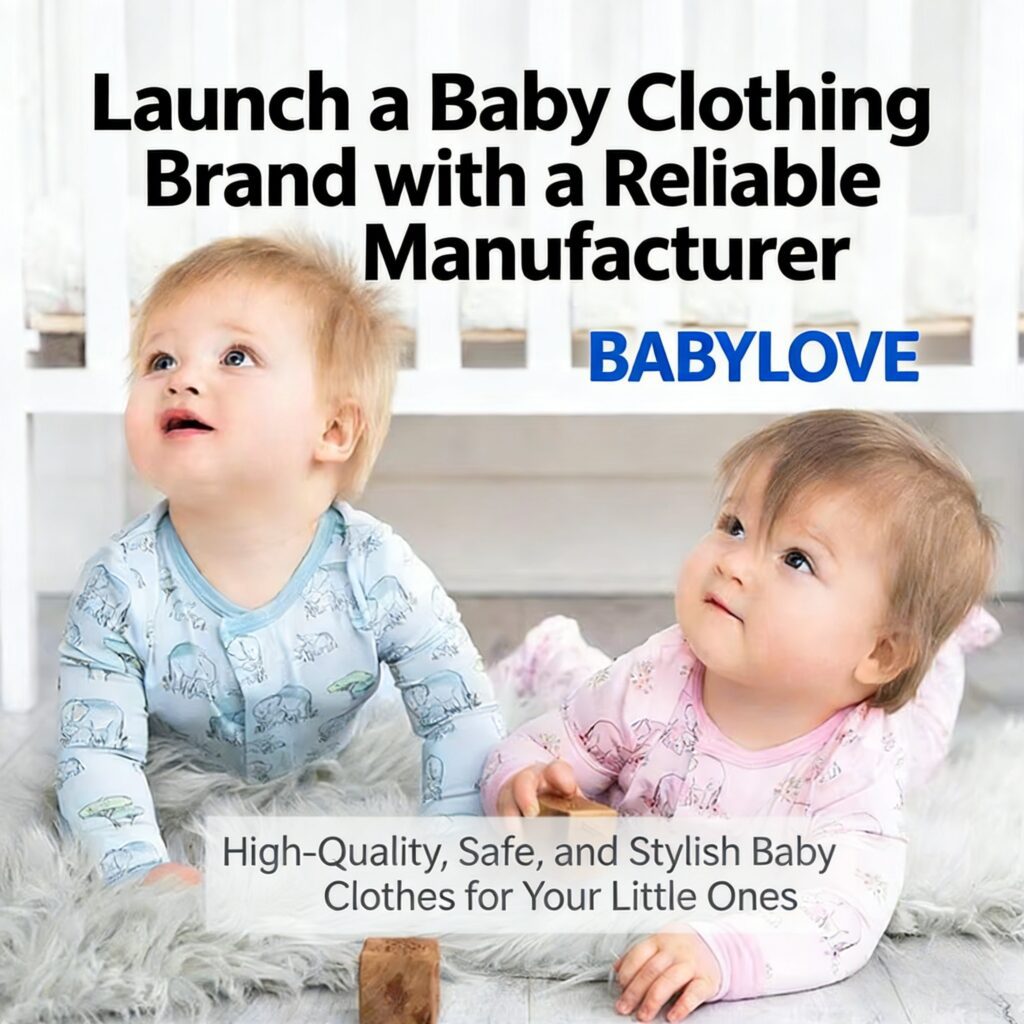
Launching a baby clothing brand is more than a business idea – it’s the careful stitching together of safety, style, and trust. Parents don’t just buy garments; they buy confidence that each tiny seam, snap, and fabric fold has been chosen with their child’s comfort and well-being in mind. That’s why the heartbeat of any successful baby label is a reliable manufacturer who understands fabric science, regulatory standards, and the attention to detail required for garments that will be worn, washed, and loved.
Finding the right manufacturing partner transforms a concept sketch into a product parents feel good about. It affects cost, quality, lead times , and your brand’s ability to grow – and it determines whether your first line becomes a lasting favorite or a logistical headache. From sourcing OEKO-TEX or GOTS-certified cotton to agreeing on minimum order quantities and turnaround times, the choices you make at the start influence every collection that follows.
This article will guide you through the practical steps and decision points for launching a baby clothing brand with a trustworthy manufacturer: how to identify reputable partners, evaluate their capabilities and certifications, manage sampling and quality checks, and structure agreements that protect your brand as it scales. think of it as a roadmap for turning a soft idea into durable products – built on integrity, compliance, and a partnership you can count on.
Table of Contents
- Find a Manufacturer That Prioritizes Baby Safety certifications and Ethical Labor practices
- Translate Your Design Vision into Detailed Tech Packs, Fabric Specs, and Preproduction Samples
- Establish Quality Protocols with AQL targets , Third Party Testing, and Clear Acceptance Criteria
- Structure Contracts Around MOQs Lead Times, Pricing Breakpoints, and Scalable Production Options
- Execute a Low Risk Launch with Limited SKUs, Influencer Micro Campaigns, and Structured Postlaunch feedback
- Q&A
- In Retrospect
Find a Manufacturer That Prioritizes Baby Safety Certifications and Ethical Labor Practices
When you vet potential partners, insist on autonomous third‑party testing and traceable documentation for every fabric and trim. Well‑run manufacturers will supply recent lab reports showing chemical screens (lead, phthalates), flammability results, and mechanical safety checks for snaps, buttons, and drawstrings. Ask for mill certificates, batch IDs, and sample test results tied to the exact SKU – if they can’t produce clear proof, move on. Certifications such as Oeko‑Tex Standard 100 and GOTS are great signals, but what matters most is verifiable, up‑to‑date paperwork and willingness to arrange independent testing on your samples.
Ethical production should be non‑negotiable: transparency around working hours, fair wages, and on‑site safety prevents reputational risk before it starts. Use these speedy checks when evaluating factories:
- Ask for recent audit reports (SMETA/SEDEX, BSCI, or SA8000) and verify with the issuing body.
- Request a factory tour or video walkthrough to confirm working conditions and equipment.
- Clarify subcontracting policy, so you know every workshop handling your garments.
- Set clear audit rights in contracts – unannounced audits are a strong signal of confidence.
| Certification | Primary Focus | Why it matters |
|---|---|---|
| Oeko‑Tex Standard 100 | Harmful substances | Assures low chemical residues on finished fabric. |
| GOTS | Organic fiber + processing | Combines eco standards with social criteria in the supply chain. |
| SA8000 / BSCI | Labor & human rights | Demonstrates commitment to fair labor practices. |
Translate Your Design Vision into Detailed Tech Packs Fabric specs and Preproduction Samples
Think of your sketch coming alive on paper that a factory can actually build: a clear, layere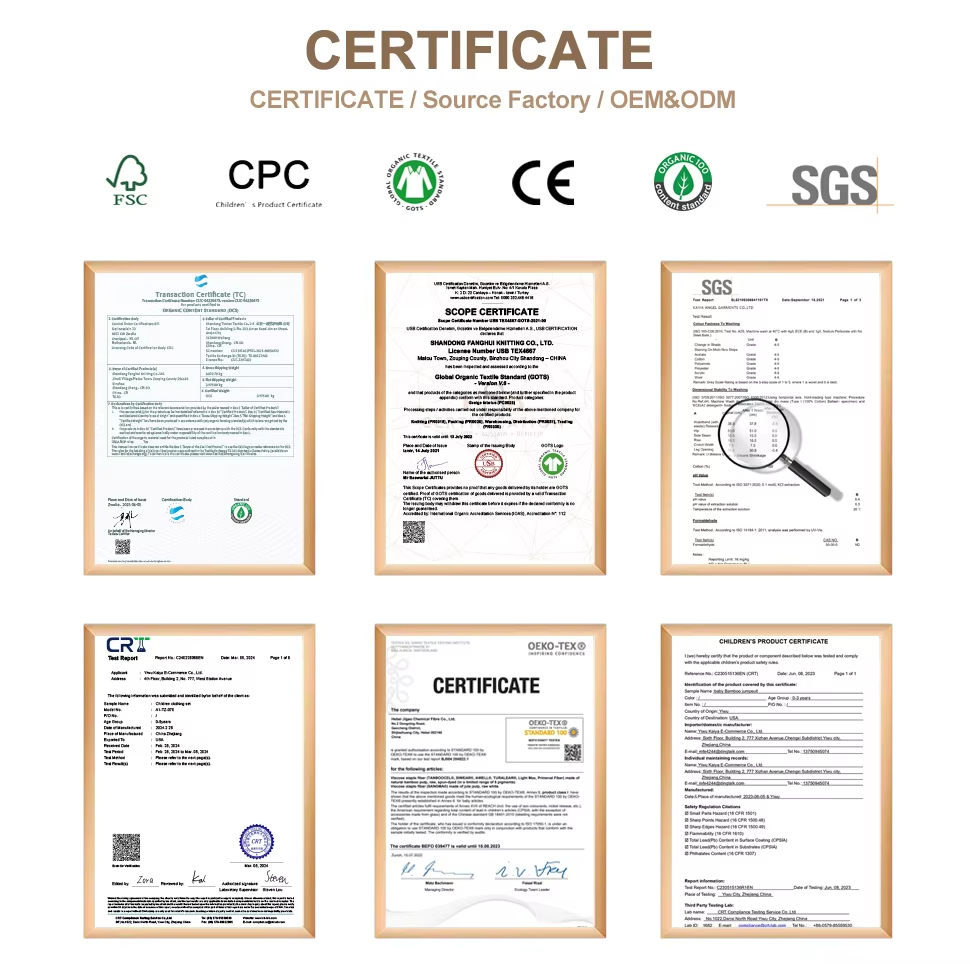 d blueprint that leaves no room for guesswork. A meticulous tech pack should include everything from exact measurements and graded size charts to stitch types, seam allowances, and placement of labels. Specify fabric details down to fiber composition, GSM (weight), stretch percentage, and Pantone or yarn-dye codes so color and hand feel are repeatable. Include trim callouts, snap/button specs, and a simple tolerance table – the more precise your notes, the fewer surprises during sampling. Key components to include are:
- Measurements – flat and body measurements with tolerances
- Fabric Specs - composition, weight, color codes
- Construction – stitch, seam, reinforcement points
- Trims & Labels – sizes, materials, placement
- Care & Packaging – wash instructions, folding, bagging
Before a full production run, iterate through targeted sample rounds so function and fit meet your brand’s tiny-but-crucial standards: proto for silhouette, fit for real bodies, and pre-production for final trims and color matching. Use lab dips and fabric swatches to lock color, run basic wear and safety checks, and set an AQL and pass/fail criteria with your factory. Keep a short approval checklist for each round (fit, shrinkage, color, hardware operation) and agree on lead times for each sample to avoid delays. The table below is a quick reference you can paste into a tech pack or project brief for vendors:
| Sample | Purpose | Typical Turnaround |
|---|---|---|
| Prototype | Confirm silhouette and basic details | 1-2 weeks |
| Fit Sample | Test on body sizes, adjust grading | 1 week |
| Pre-production | Final check for trims, color, and packaging | 1-3 weeks |
Establish Quality Protocols with AQL Targets, Third Party Testing, and Clear Acceptance Criteria
Create measurable, repeatable checks so every batch meets the same standard: set concrete AQL targets for each defect category, require independent lab verification for flammability and chemical safety, and write visual pass/fail examples for line inspectors. These controls turn subjective quality conversations into objective decision points-so you and your manufacturer can quickly agree whether a lot is releasable, needs rework, or must be rejected. Keep documentation short and visual: a single-page checklist that ties an AQL target to each critical, major, and minor defect type works best on the production floor.
- Define defect categories-what counts as critical versus minor.
- Assign AQL targets tied to risk and brand promise.
- Mandate independent testing for chemical, flammability, and safety checks.
- Document acceptance examples with photos for quick QC decisions.
- Agree on a lot-release plan that includes rework thresholds and quarantine steps.
Use a simple reference table on your tech pack and in supplier agreements so everyone knows the tolerance levels at a glance:
| Defect Category | sample Example | Suggested AQL |
|---|---|---|
| Critical | Loose snaps, choking, or chemical risk | 0.01 (very strict) |
| Major | Broken seams, size variance | 0.65 (strict) |
| Minor | Light dye transfer, cosmetic marks | 1.5 (standard) |
Structure Contracts Around MOQs, Lead Times, Pricing Breakpoints, and Scalable Production Options
Lock your manufacturing relationship with clear, enforceable clauses that protect both cash flow and timelines. Define the minimum order quantities (MOQs) and what constitutes a valid order (sketches, tech packs, approved samples), then pair each MOQ with a concrete lead time and an acceptance window for quality checks. Include provisions for sample approvals, late‑delivery penalties, and raw‑material surge protections so you’re not surprised by delays or unexpected cost hikes. Essential contract items to insist on include:
- MOQ and sample terms – approved sample timeline and small pilot run
- Lead time guarantees - start/end dates and penalty triggers
- Quality & inspection – pre-shipment checks and on-site audit rights
- Versatility clauses - reduce/increase MOQ with notice, rollover rules
Price confidently by building breakpoints into the deal so cost drops align with volume growth, and make sure each breakpoint also improves lead time or payment terms. A simple pricing table in your agreement removes ambiguity and gives you a predictable path as you scale. Also negotiate scalable production options like staged ramp‑ups, reserved capacity windows, and priority slots for seasonal peaks to avoid manufacturing bottlenecks.
| Quantity | Unit Price | Est. Lead Time |
|---|---|---|
| 50 (pilot) | $8.50 | 6-8 weeks |
| 200 | $6.75 | 5-7 weeks |
| 1,000+ | $4.95 | 4-6 weeks |
- Pilot runs to validate fit and workflow before committing to full MOQ
- Staggered batches to smooth cash flow and test market response
- Capacity commitments or swap clauses to handle seasonality or spikes
Execute a Low Risk Launch with Limited SKUs, Influencer Micro Campaigns, and Structured Postlaunch Feedback
Start small and deliberate: launch with a compact capsule of bestselling concepts so inventory stays nimble and mistakes cost less. Focus on a handful of core items-think a versatile bodysuit, a cozy romper, a neutral swaddle- then test tones, trims, and size fits through limited runs and pre-orders. Pair product drops with targeted micro campaigns: seed samples to a handful of micro-influencers whose audiences align with new parent circles, give them unique codes and short creative briefs, and track conversion through simple UTMs. This approach keeps cash tied up in fabric, not unsold boxes, while letting you learn real customer preferences without a heavy marketing spend.
- Capsule SKUs: 3-5 core items to validate fit and design
- Small batch runs: reduce risk, allow quick reorders
- Micro-influencer seeding: authentic reach with measurable codes
- Pre-orders & A/B tests: confirm demand before full production
Turn launch data into product evolution with a clear feedback loop. Use short post-purchase surveys, QR-tagged care cards, and a simple returns log to capture fit issues, fabric feedback, and wash performance. Review these inputs weekly and classify them into an actionable metrics table-what to tweak now, what to batch into the next production run, and what to drop. Keeping the cycle tight transforms each tiny campaign into rapid product improvements, building trust with customers while protecting margins.
| Metric | Initial Target |
|---|---|
| SKU count | 4 |
| Return rate | <5% |
| NPS | ≥30 |
| Reorder rate | ≥20% |
Q&A
Q1: What’s the first step to launching a baby clothing brand with a reliable manufacturer?
A1: Start with clarity. Define your niche (organic basics, high-fashion babywear, sleepwear, etc.), target customers, price point, and brand values (safety, sustainability, affordability). Use that to guide material choices, production scale, and the type of manufacturer you’ll pursue.
Q2: How do I decide between domestic and overseas manufacturers?
A2: Balance cost, lead time, quality control, and ethics. Domestic factories frequently mean quicker turnarounds, easier visits, and simpler compliance, but higher unit costs. Overseas factories (e.g., Asia) offer lower prices at larger volumes but require rigorous vetting, longer shipping, and more oversight. Choose what fits your brand priorities and risk tolerance.
Q3: What certifications and safety standards should I look for in baby clothing?
A3: Prioritize child-safety standards: flammability rules, lead and heavy metal limits, and chemical safety. Look for certifications and testing like CPSIA (U.S.), EN standards (EU), OEKO-TEX, GOTS for organic fibers, and third-party lab test reports for accessories (buttons, snaps). Request test documentation from your manufacturer.
Q4: How can I find reliable manufacturers for baby clothes?
A4: Use multiple channels: industry trade shows, vetted directories, referrals from other brands, LinkedIn, and sourcing platforms. Ask for references, view past work, and request factory photos or a live video tour. Local business progress offices or textile associations also help.
Q5: What questions should I ask a prospective manufacturer?
A5: Essential questions:
– What is your minimum order quantity (MOQ)?
- Can you share past clients and references?
– Do you provide pattern making, grading, and tech pack services?
- What are the lead times for samples and bulk production?
– Which certifications and tests do you have?
– What are the payment terms and acceptable methods?
– How do you handle quality control and defects?
- Can you handle labeling, packaging, and drop-shipping?
Q6: How important are tech packs and prototypes?
A6: Critical. A detailed tech pack (measurements, fabric, trims, construction details, stitch types, color codes, labels) minimizes misunderstandings. Prototypes/fits allow you to test size, comfort, and fabric performance. Invest time here to avoid costly production mistakes.
Q7: What’s a realistic timeline from first sample to first shipment?
A7: Typical timeline:
– Tech pack and pattern: 1-4 weeks
- first sample/prototype: 2-6 weeks
– Revisions and fit samples: 1-3 rounds (2-8 weeks)
– Bulk production: 4-12+ weeks depending on complexity and factory schedule
– Shipping (sea): 3-6 weeks; air is faster but costly
Total: roughly 3-6 months for a small launch; plan buffer for delays.
Q8: What should I expect for costs and MOQs?
A8: Costs depend on materials, complexity, and factory location. MOQs vary widely: 50-200 pieces per style for smaller domestic or boutique factories; 500-2,000+ per style for many overseas factories. Factor in development costs (patterns, samples), unit costs, testing, packaging, shipping, duties, and a reserve for returns/defects.
Q9: How do I ensure product quality during production?
A9: Set clear QC standards upfront (AQL level, acceptable defect rates). Arrange pre-shipment inspections, hire third-party quality inspectors if overseas, request in-line checks, and keep an open communication channel with production managers. Approve pre-production samples and sign off on the final sample before mass production.
Q10: What about enduring or ethical manufacturing? How do I verify it?
A10: Ask for certifications (GOTS, Fair Trade), factory audits (SA8000, BSCI), and clear documentation of materials and supply chains. Request recent audit reports, worker welfare policies, and photos or videos of the production floor. Consider smaller, local suppliers that allow on-site verification.
Q11: How do I handle trims and accessories (zippers, snaps, labels)?
A11: Specify all trims in your tech pack and request sample trims early. For baby garments, avoid small detachable parts that pose choking risks; choose safety snaps and securely anchored buttons. Decide whether the factory sources trims or you supply them; controls differ in cost and lead time.
Q12: How do I protect my designs and brand when working with manufacturers?
A12: Use non-disclosure agreements (NDAs) and clear contracts that cover intellectual property, exclusivity clauses, and ownership of patterns. For unique prints, consider copyright registrations where applicable. Work with manufacturers who respect IP and have a history of working with startups.
Q13: What are common manufacturing pitfalls new brands face?
A13: Common issues: poor tech packs, underestimating lead times, insufficient quality checks, hidden costs (trims, labels, customs), unrealistic MOQs, and limited product testing. Avoid rushing approval and under-budgeting for returns or rework.
Q14: How should I price my baby clothing line?
A14: Start with cost-plus pricing: calculate total landed cost per unit (materials, production, testing, packaging, shipping, duties, overhead), then add desired profit margin. Check competitor pricing and retailer markups (retailers frequently enough double wholesale). Keep a margin that allows discounts and promotions.
Q15: How many sizes and SKUs should I launch with?
A15: Start small to manage complexity-select core styles in 3-4 sizes (e.g., newborn, 0-3, 3-6, 6-12 months) and limited colorways. Focus on bestsellers first; expand SKUs after market feedback. Fewer SKUs means lower MOQs and simpler inventory.
Q16: What testing is needed specifically for baby clothing?
A16: Essential tests: flammability, lead and heavy metals, phthalates (for prints/inks), fiber content verification, and colorfastness (to protect sensitive skin). Tests vary by market; check local regulatory requirements and request certificates of analysis from labs.
Q17: How do I manage communication and timelines with an overseas factory?
A17: Use scheduled weekly updates, clear written specifications, and a single point of contact. Share a production timeline with milestones and penalties/incentives if feasible. Use tools for file sharing and keep time zone differences in mind. Expect cultural differences in communication-be explicit and confirm understanding.
Q18: is it better to work with a full-service factory or specialized partners?
A18: Full-service factories handle pattern making, grading, production, and packaging, convenient for startups. Specialized partners (separate pattern makers, trim suppliers) may offer higher expertise but add coordination. Choose based on your budget, expertise, and desire for control.
Q19: How do I plan for returns, defects, and customer complaints?
A19: Have a clear returns policy and track defect rates. Set aside a budget for repairs and replacements. Work with your manufacturer on remakes or credits for defects within warranty periods. Use customer feedback to inform future quality improvements.
Q20: What’s a simple launch checklist for working with a manufacturer?
A20: Basic checklist:
– Define brand, target customer, and price point
– Create detailed tech packs
– Source and vet 3+ manufacturers
– Request samples and test materials
- Verify certifications and factory references
- Agree on MOQ, pricing, payment terms, lead times
– Approve pre-production sample
– Implement QC plan and inspections
– Arrange packaging, labeling, and shipping
– Prepare marketing, ecommerce, and fulfillment
Q21: How do I scale production as demand grows?
A21: Use sales data to forecast demand and communicate projections to your manufacturer early. Consider increasing order frequency before raising MOQ, diversifying factories to reduce risk, and negotiating better terms for higher volume. Keep quality control consistent as you scale.
Q22: Any final advice for first-time founders?
A22: Treat manufacturing like a partnership: be clear, patient, and detail-oriented. Invest in development, testing, and communication. Start small, learn from customer feedback, and iterate. Reliability is built through systems, not luck.
If you’d like, I can convert this into a printable Q&A sheet, a short FAQ for your site, or tailor these Q&As to a specific market (U.S., EU, etc.). Which would you prefer?
In Retrospect — Partnering with Kabeier
Every great baby clothing brand begins as an idea and becomes real through deliberate choices — from sketching the first onesie to partnering with a manufacturer like Kabeier, who understands quality, safety, and your brand’s vision. By prioritizing clear specs, testing samples, ensuring compliance, and building a collaborative relationship with Kabeier, you turn scattered threads into a consistent, trustworthy product line.
Remember that launching is not a single moment but a series of careful stitches: small iterations, honest feedback from caregivers, and steady refinement of fit, fabric, and production processes. Treat your manufacturer as a problem-solving partner, not just a vendor, and invest time upfront to prevent costly mistakes later — Kabeier is committed to supporting you at every step.
If you’ve followed the steps in this guide, you’re now positioned to move from concept to crib-ready garments with Kabeier’s full OEM & ODM expertise. Keep your standards high, your communication open, and your vision focused — and you’ll send your first collection into the world with the kind of care every baby deserves.