
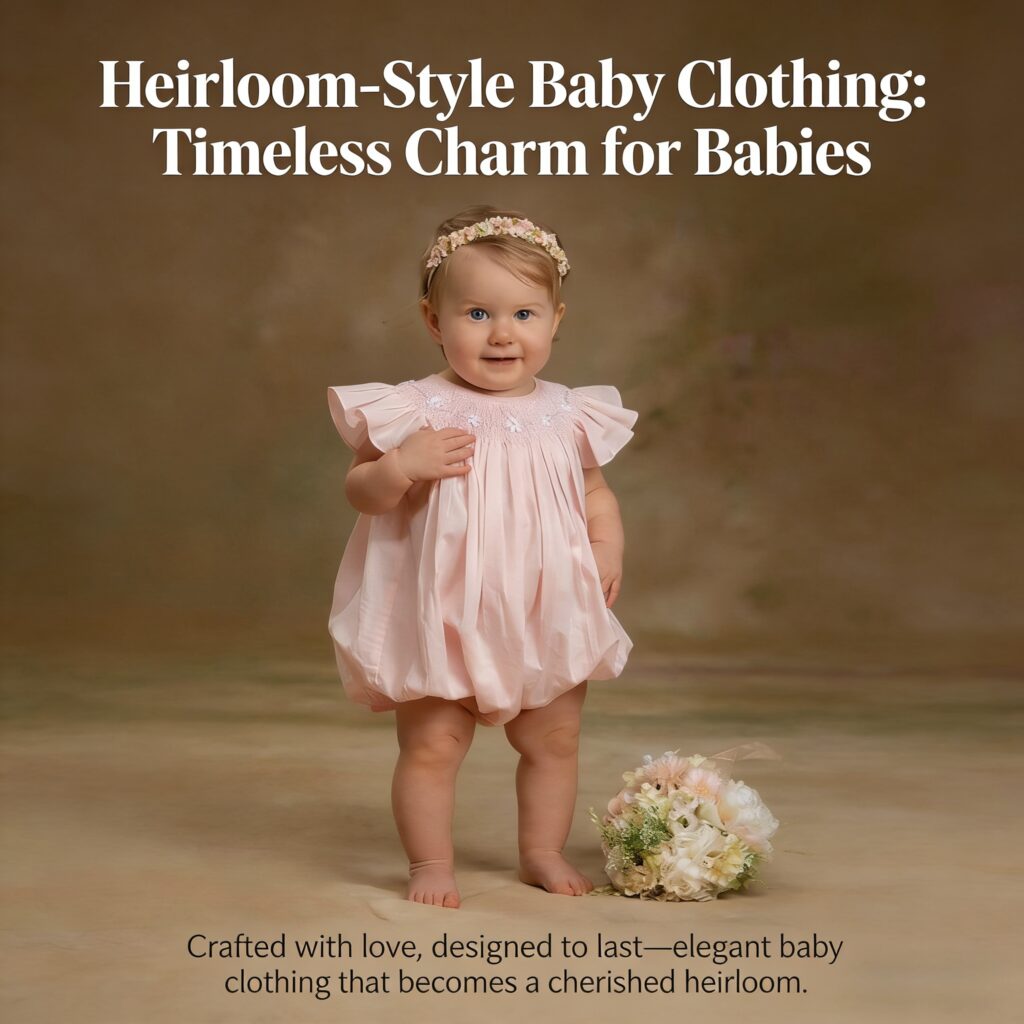
A newborn’s wardrobe often reads like a catalog of modern convenience: zippered bodysuits, synthetic blends, and bold, disposable prints. Heirloom-style baby clothing offers a quieter counterpoint – garments that look as if they might have a story to tell before the child wearing them does. Rooted in conventional techniques such as smocking, hand embroidery, and heirloom sewing, this style privileges careful construction, classic silhouettes, and materials meant to endure both wear and memory. This introduction will explore what defines heirloom-style baby clothing, why it endures across generations, and how its values – craftsmanship, durability, and sentimental continuity – intersect with contemporary conversations about sustainability and childhood aesthetics. Rather than a retreat to the past, heirloom pieces can be seen as a deliberate design choice: clothes intended to be worn, kept, and passed along, accumulating family histories in their seams. Whether you’re drawn to the quiet elegance of linen and lace or curious about the practical implications for modern parenting, understanding heirloom style reveals a timeless approach to dressing the very youngest members of a family.
Table of Contents
- The Appeal of Heirloom Style Baby Clothing: Fabrics, Finishes, and Timeless Silhouettes to Look For
- Selecting Safe and Practical Heirloom Pieces: Embellishment Safety, Fabric Choices, and Sizing Tips
- Everyday Styling with Vintage Charm: Mixing Heirloom Pieces with Modern Basics and Seasonal Layering
- Caring for Heirloom Baby Clothes: Gentle Cleaning, Proper Storage, and Repair Techniques
- Where to Buy and How to Personalize Heirloom Baby Clothing: Trusted Sources, Custom Options, and Gift Recommendations
- Q&A
- Future Outlook
The Appeal of Heirloom Style Baby Clothing: Fabrics, Finishes, and Timeless Silhouettes to Look For
Think touch and time: the true lure of old-world baby clothes lies in the materials and little flourishes that age into memory. Seek airy, natural textiles – cotton lawn and Pima cotton for everyday softness, Swiss voile and lightweight linen for special occasions – and pair them with delicate finishes like hand-smocking, pintucks, ladder lace, and mother-of-pearl buttons. These details aren’t merely decorative; they create structure and character while keeping garments breathable, easy to launder, and built to be passed down.
- Fabrics to favor: cotton lawn, Pima cotton, Swiss voile, linen
- Finishes that define the look: hand-smocking, pintucks, embroidery, and scalloped lace
- Silhouettes to look for: christening gowns, bubble rompers, pinafores, dresses with Peter Pan collars
Timeless silhouettes read as quietly elegant rather than trendy - full skirts, gentle gathers, and classic collars remain flattering through generations and photograph beautifully. For longevity, treat these pieces gently: cool-cycle wash, mild detergent, and air-dry flat; store folded with acid-free tissue to preserve trims and trims. Below is a quick reference to help you choose the right fabric for the life you imagine for each piece.
| Fabric | Character |
|---|---|
| Cotton Lawn | Light, crisp, holds pintucks well |
| Pima Cotton | Soft, durable, great for everyday wear |
| Swiss Voile | Sheer, refined, ideal for special garments |
| Linen | Breathable, textured, develops character with age |
 Selecting Safe and Practical Heirloom Pieces: Embellishment Safety, Fabric Choices, and Sizing Tips
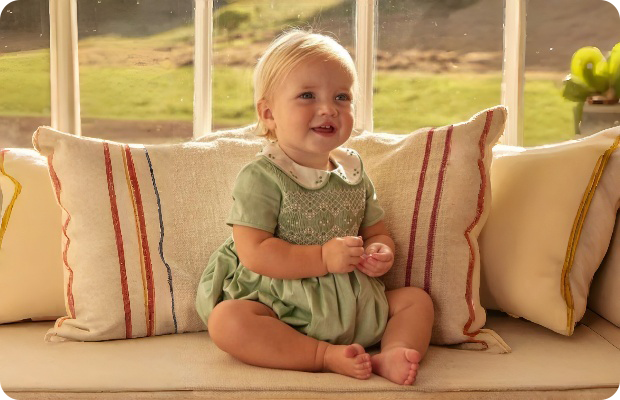
Think of each piece as a tiny heirloom that should be as safe as it is sweet. Prioritize secure, sewn-down embellishments – choose embroidery, appliqué, or flat satin-stitched motifs rather than loose beads, sequins, or glued trims. Opt for soft, breathable fabrics like organic cotton, bamboo blends, or lightweight linen that tolerate frequent washing and are gentle on newborn skin; avoid heavily treated or rough fibers. When selecting trims, look for low-profile closures (covered snaps, fabric ties) and always pre-wash fabrics to check for shrinkage, colorfastness, and softness before cutting or buying finished pieces.
- Safety checklist: no loose parts, reinforced seams, non-toxic dyes.
- Fabric picks: organic cotton, bamboo jersey, linen-cotton blends.
- Embellishment ideas: stitched eyelet, heirloom pintucks, lightweight lace.
Practicality lives alongside charm when you plan for growth and care. Allow generous ease – a little extra room in the chest and length extends the life of a cherished garment – and favor designs with adjustable hems or convertible cuffs. Choose machine-washable constructions and closures that helpers can manage with one hand: snaps and front openings are ideal for quick changes. For a quick reference, the table below gives simple size allowances to balance fit and longevity.
| Age Range | Typical Length | Ease Allowance |
|---|---|---|
| 0-3 months | 18-20 in | 1-1.5 in |
| 3-6 months | 20-22 in | 1-1.5 in |
| 6-12 months | 22-24 in | 1.5-2 in |
Everyday Styling with Vintage Charm: Mixing Heirloom Pieces with Modern Basics and Seasonal Layering
Think of dressing a little one as a miniature storybook: one heirloom accent-a lace collar, embroidered bonnet, or tiny knit cardi-sets the nostalgic tone while modern basics keep the look practical and playful. Aim for a single focal vintage piece per outfit and pair it with breathable cotton onesies, soft leggings, or a clean denim jumper to balance texture and scale. Keep it comfort-first and prioritize safety: opt for secure closures, avoid long ties, and choose trims that survive gentle machine washing. Simple rules to follow:
- One heirloom item + one modern staple = timeless balance
- Soft, natural fabrics for next-to-skin layers
- Tuck delicate trims under a cardigan or blanket for playtime
- Neutral palettes let small embroidered details pop
- Prioritize easy diaper access-snaps beat buttons
Seasonal dressing becomes effortless when you think in layers: a cotton bodysuit, a vintage-knit accent, and a weatherproof outer layer create adaptable outfits that move from stroller to nursery without fuss. Below is a quick reference for go-to combos that marry heirloom charm with everyday ease- swap colors and textures to make each set your own.
| Season | Base Layer | Heirloom Accent | Outer Layer |
|---|---|---|---|
| Spring | Cotton onesie | Embroidered bonnet | Light knit cardigan |
| summer | Sleeveless romper | Lace collar | Sun hat (linen) |
| Fall/Winter | Long-sleeve bodysuit | Heirloom knit sweater | Padded snowsuit or wool coat |
Caring for Heirloom Baby Clothes: Gentle Cleaning, Proper Storage, and Repair Techniques
Heirloom baby clothes respond best to a feather-light touch: always start with a spot test and use cold water with a mild, pH-neutral detergent. For general cleaning, soak gently rather than machine wash – short, gentle agitation and multiple rinses will remove soap without stressing seams or delicate lace. Avoid bleach and strong enzymes; instead, lift stains with careful blotting using a white cotton cloth and let pieces dry flat on a padded surface away from direct sun. If pressing is needed, use a low-heat iron through a pressing cloth or a handheld steamer to preserve delicate trims and hand-stitched details.
- Small stains: soak in cold water, dab with mild soap, blot-don’t rub.
- Delicate trims: hand-wash separately and reshape while damp.
- Severe or historic pieces: consult a textile conservator before attempting removal.
- Regular checkups: inspect seams, snaps, and embroidery yearly to catch wear early.
Storage is as critically important as cleaning: wrap garments in acid-free tissue, place them in breathable cotton boxes, and avoid plastic bags that trap moisture. Use cedar blocks or lavender sachets to deter pests, and include silica packets if humidity is a concern. For repairs, favor invisible hand techniques-slip stitches for seams, tiny overcast stitches for reinforcement, and matching cotton thread to keep mends discreet. Always attach a small provenance tag with fabric-safe thread or ribbon so future caretakers know the garment’s history and any treatments it has received.
| Quick Care | When to Use | Why |
|---|---|---|
| Cold hand wash | Every gentle clean | Prevents shrinkage and color loss |
| Acid-free tissue | long-term storage | Protects fibers from yellowing |
| Invisible mending | Small tears | Maintains original look |
Where to Buy and How to Personalize Heirloom Baby Clothing: Trusted Sources, Custom Options, and Gift Recommendations
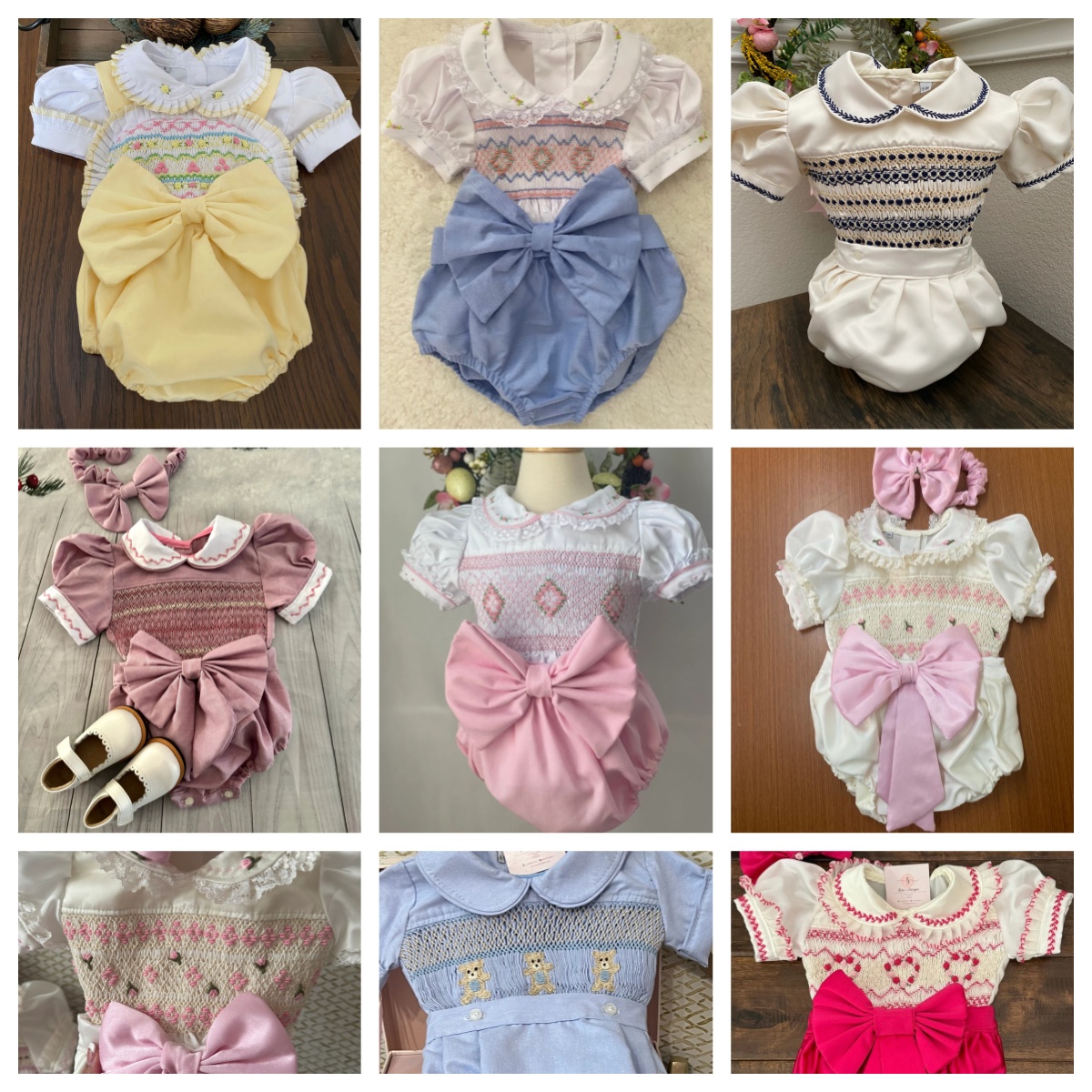
Find makers and shops that treat each piece like a family treasure – look beyond big-box labels to places that value craft and longevity. Seek out small-batch ateliers, curated vintage dealers, reputable Etsy artisans, and local seamstresses who will explain fabric origin and construction. These sources frequently offer the best balance of authenticity and quality, and many will work with you on personalized details so the garment truly becomes a keepsake.
- Boutique ateliers – hand-smocked, tailored patterns.
- etsy & self-reliant makers - easy custom requests and proofs.
- Heritage brands – classic cuts and tested durability.
- Vintage markets - authentic period pieces with history.
- Local seamstresses – made-to-measure and repair-pleasant.
| source | Best for | quick tip |
|---|---|---|
| Boutique Atelier | Custom smocking & heirloom finishes | Ask for fabric swatches |
| Etsy/Independent Maker | Monograms & small runs | Request stitch samples |
| Vintage Dealer | Authentic period gowns | Check for repairs |
Personalization elevates heirloom clothing from pretty to personal. Popular custom options include monograms, hand-smocking, embroidered dates or names, and choice of trims (lace, silk ribbon, pearl buttons). For gifts, consider curated combinations - a monogrammed layette with a matching bonnet, a baptismal gown paired with a documented care card and keepsake box, or a starter set that includes a swatch of the garment fabric and a small embroidered note. When ordering, ask about washability, colorfast dyes, and thread recommendations so the piece lasts for generations.
- Monogrammed layette – classic and personal.
- Baptismal ensemble – a ceremonial heirloom.
- Keepsake box – fabric swatch, care card, certificate.
- Repair-friendly pieces - choose makers offering future alterations.
Q&A
Q: What does “heirloom-style” baby clothing mean?
A: heirloom-style baby clothing refers to garments designed with classic, time-honored techniques and details-smocking, delicate embroidery, pintucks, lace trims, and fine hand finishes-that evoke a sense of tradition and permanence. The look is inspired by vintage children’s wear and is often intended to be kept, passed down , or preserved rather than discarded after a season.
Q: Where did this style come from?
A: It grew from 19th- and early 20th-century children’s garments, when clothes were made by hand, frequently enough from natural fibre cloth, and families kept special outfits for christenings, portraits, and formal events. Modern heirloom-style revivals borrow these techniques and aesthetics while sometimes using contemporary materials and methods.
Q: What are the common design details to look for?
A: Typical features include fine hand or machine smocking, delicate embroidery motifs, pintucks, scalloped edges, lace or eyelet trim, mother-of-pearl or fabric-covered buttons, and flowing silhouettes like gowns or rompers with generous gathers.
Q: Which fabrics are usually used?
A: Natural, soft fabrics dominate: cotton batiste, voile, lawn, muslin, linen, and occasionally silk. Today, some makers use organic cotton or cotton blends for durability and easier care. The key is a breathable, gentle weave that takes fine stitching well.
Q: Is heirloom-style safe for babies?
A: Yes, when made and used responsibly. Ensure decorations are securely attached (no loose beads or small buttons), avoid long ties or ribbons that could be a hazard, and follow current safety standards for infant sleepwear and outerwear. For everyday use, choose designs without choking risks and check garments regularly for wear.
Q: Are heirloom garments practical for everyday wear?
A: Traditionally, they were more for special occasions. Many modern makers adapt heirloom details to sturdier construction and washable fabrics so pieces can be worn more often. Still, delicate trims require gentler laundering and sometimes more attentive care than basic sleepers.
Q: How do you care for heirloom-style baby clothing?
A: Treat them like delicate garments: use a gentle detergent, wash on a delicate cycle or handwash, avoid harsh bleach, and dry flat or tumble-dry low if the fabric allows. Ironing on a low setting preserves crisp finishes. For long-term storage, wrap in acid-free tissue and keep in a cool, dry place away from direct sunlight.
Q: What makes a garment a true heirloom versus a “heirloom-style” reproduction?
A: A true heirloom is typically an original vintage piece that’s been kept in good condition and may have family history attached.”Heirloom-style” describes modern pieces that replicate past details and techniques. The latter can be more practically designed with modern sizing, fabrics , and safety in mind, while offering the same aesthetic.
Q: Is heirloom-style expensive?
A: Price varies. Hand-smocked,hand-embroidered, or bespoke pieces command higher prices because of the labor involved. Ready-to-wear, machine-smocked, or small-batch artisan items are more affordable. Think of it as paying for craftsmanship and longevity rather than fast-fashion turnover.
Q: Where can I buy heirloom-style baby clothing?
A: Options include artisanal boutiques, specialty children’s stores, independent online makers (for example, marketplaces for handmade goods), heritage brands that focus on traditional techniques, and bespoke seamstresses who will customize garments on request.
Q: Can heirloom-style clothing be gender-neutral?
A: Absolutely. While historical color conventions existed, many modern designs favor neutral palettes-ivory, cream, soft pastels, or muted tones- and simple embroidery motifs, making them suitable for any child.
Q: Are there lasting or ethical considerations?
A: Yes. Choosing high-quality materials and well-made pieces supports longevity and reduces waste. Many makers use organic fabrics, low-impact dyes, and fair-labor practices. Because heirloom-style is intended to be kept and passed down, it aligns naturally with sustainable consumption.
Q: How do I include heirloom pieces in everyday baby wardrobes?
A: Use heirloom items for milestone outfits, photos, special family gatherings, or layer with practical basics. Pair a smocked dress with a soft cardigan for warmth, or put a delicate bonnet over a washable romper for outings. Choosing washable fabrics and reinforced seams helps integrate them into regular use.
Q: Can I make heirloom-style clothing myself?
A: Yes, if you enjoy sewing. Start with basic patterns that include smocking or pintucks, use soft natural fabrics, and practice small embroidery stitches. For beginners, many online tutorials and patterns break down techniques step-by-step. If you want a true keepsake, consider a local sewing circle or a class on traditional handicrafts.
Q: How do you preserve an heirloom garment for future generations?
A: Clean the piece gently before storing, repair any weak spots, pad shaped areas with acid-free tissue, wrap in cotton or acid-free paper, and keep it in a breathable box away from light and humidity. Record provenance-who wore it and when-on a tag or in a family document to preserve the story and also the fabric.
Q: Is heirloom-style coming back into fashion?
A: It never disappears entirely-there’s a steady appetite for garments that feel timeless and handcrafted. Recently, designers have blended heirloom details with contemporary silhouettes and sustainable practices, keeping the tradition alive in modern children’s wear.
Future Outlook
Whether you’re drawn to delicate smocking, hand-stitched hems, or the idea of a tiny garment that can travel generations, heirloom-style baby clothing offers more than a look – it’s a way of slowing down, honoring craft, and holding a piece of family story in fabric. Its timeless silhouettes and careful construction invite thoughtful choices: invest in quality, learn proper care, and blend heirloom pieces with practical modern staples to suit everyday life. For parents and gift-givers who value longevity, sentiment, and sustainability, these garments can be a meaningful complement to contemporary children’s wear rather than an either/or. Ultimately, heirloom style is as much about the memories you make as the clothes themselves – small treasures stitched into the broader tapestry of family life.
If you’re looking to bring this level of craftsmanship and intention into your own collection,
Kabeier works closely with brands and retailers to develop custom heirloom-inspired baby and children’s garments.
You’re welcome to get in touch with our team to discuss materials, techniques, and tailored production solutions.