
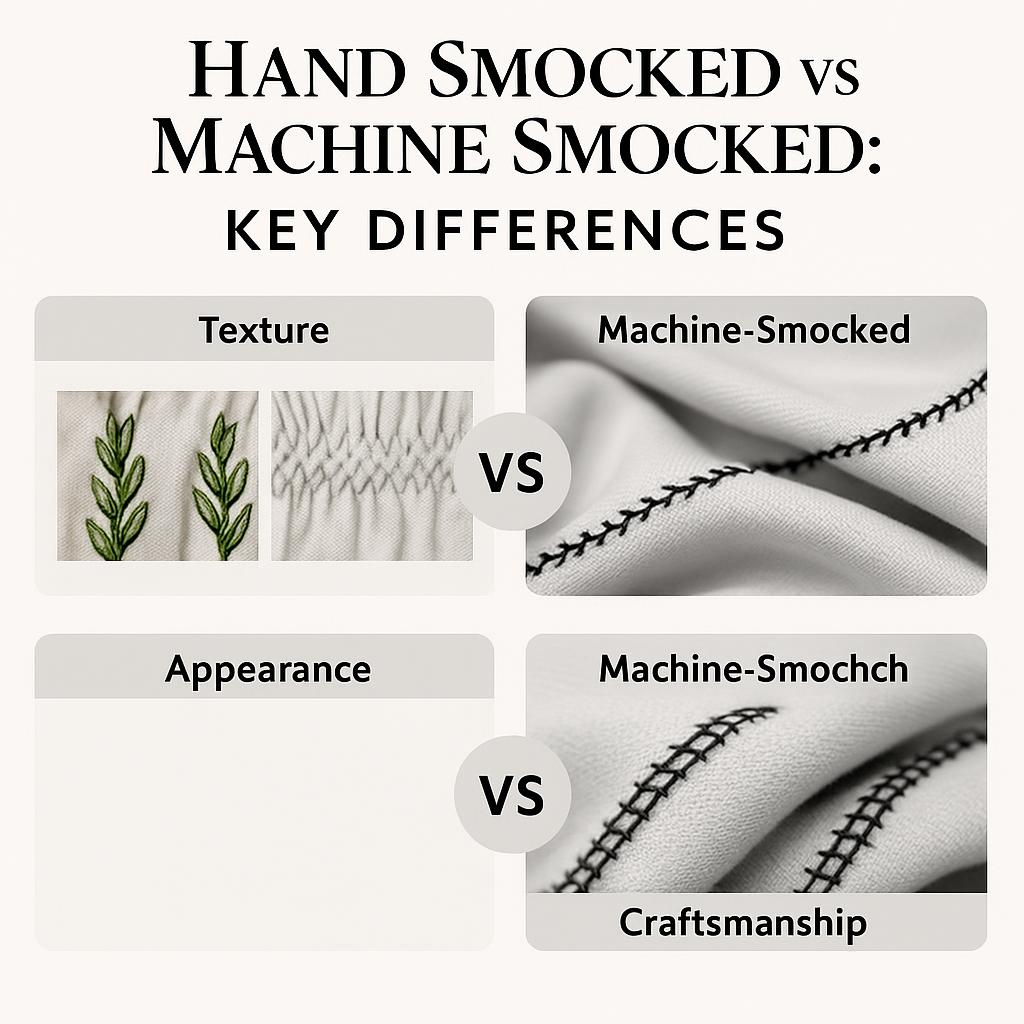
Like a quiet conversation between fabric and hand, smocking transforms plain cloth into a textured chorus of gathers and stitches. Once a practical method to add stretch and shape to garments before elastic existed, smocking has evolved into both a craft and an industry practiced by solitary artisans with needle and thread and replicated by machines humming in modern workshops. Though the goal is the same-controlled gathering that creates a decorative route, each takes on a different appearance, production, and meaning.
This article will guide you through the subtle and not-so-subtle differences between hand-smocked and machine-smocked work. We’ll look at the origins and techniques behind each approach, compare their visual qualities and durability, and consider practical factors such as time, cost, and suitability for different projects. Whether you’re a sewist deciding how to finish an heirloom gown, a buyer weighing value and authenticity, or simply curious about textile traditions, understanding these distinctions reveals how method shapes both fabric and intent.
By the end, you’ll be able to recognize the telltale signs of hand versus machine smocking and appreciate why some stitches are treasured as handmade art while others serve as efficient, consistent alternatives.
Table of Contents
- Understanding the craft and character of hand smocking versus machine smocking
- Design possibilities, limitations, and pattern complexity for each method
- Time, cost, and scalability with actionable recommendations for makers and manufacturers
- Durability, care, fabric choices, and finishing tips to extend the smocked garment’s life
- choosing the right method for your project with a practical decision flow and expert guidance
- Q&A
- The Conclusion
Understanding the craft and character of hand smocking versus machine smocking
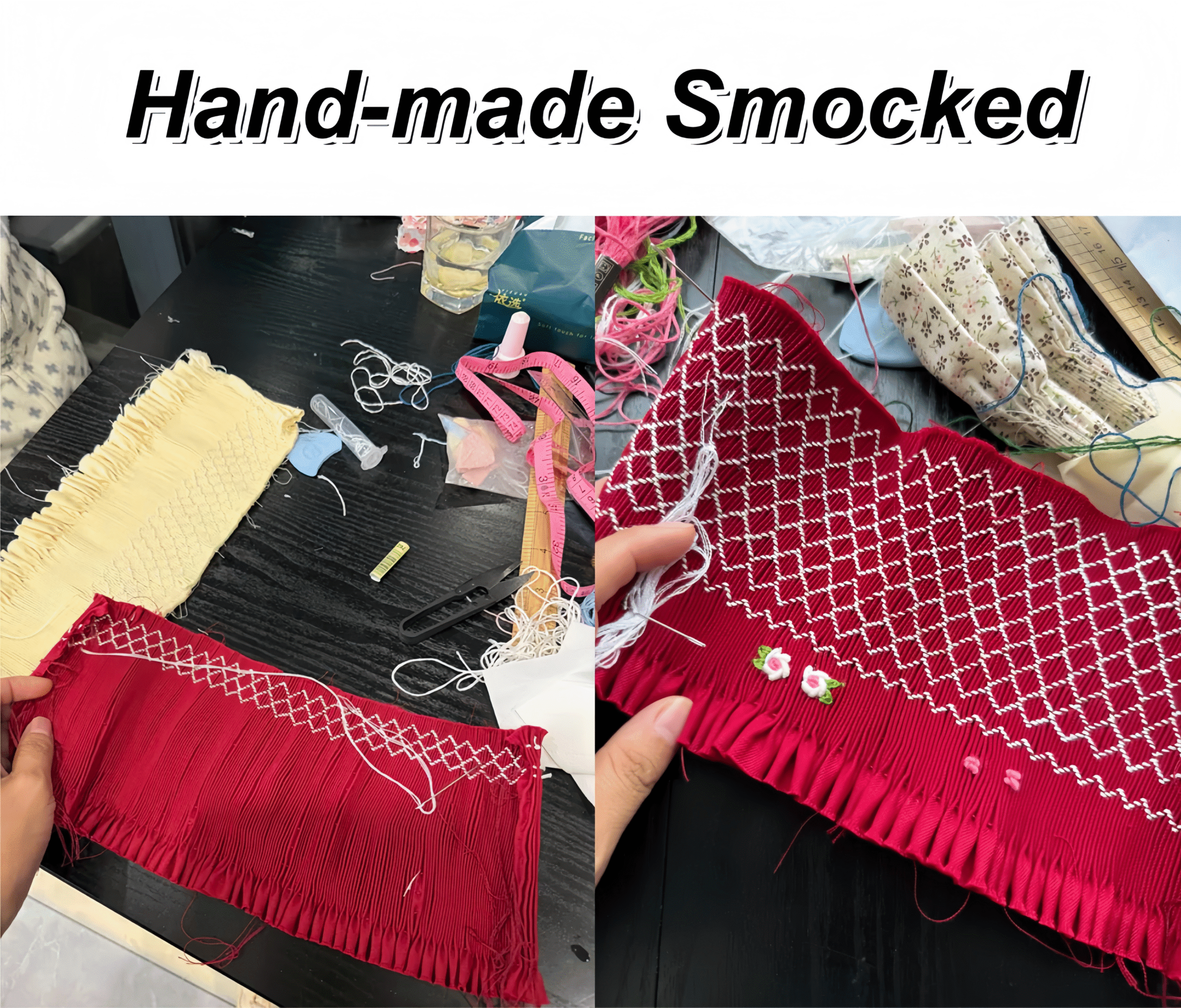
There is a quiet intimacy to hand smocking that machines rarely mimic: slight variations in spacing, the faint unevenness of tiny stitches, and the gentle tension that comes from fingers guiding the fabric. Those microscopic differences give garments a living surface - a depth and warmth that reads as artisanal. In contrast, machine smocking delivers crisp repetition and clean geometry; its character is one of precision and streamlined rhythm rather than personal touch.
Practically speaking, the two approaches answer different needs. Consider the fast reference below for a sense of where each shines:
- Hand: slow, highly customizable, ideal for heirlooms and couture details.
- Machine: fast, uniform, great for repeat production and commercial sizing.
- Care & Feel: handwork often softens and mellows with time; machine work keeps a taut, consistent look.
| Trait | Hand | Machine |
|---|---|---|
| time | Hours – meditative | Minutes – efficient |
| Uniformity | Variable, charming | Predictable, exact |
| Price | Premium | Accessible |
Design possibilities, limitations, and pattern complexity for each method
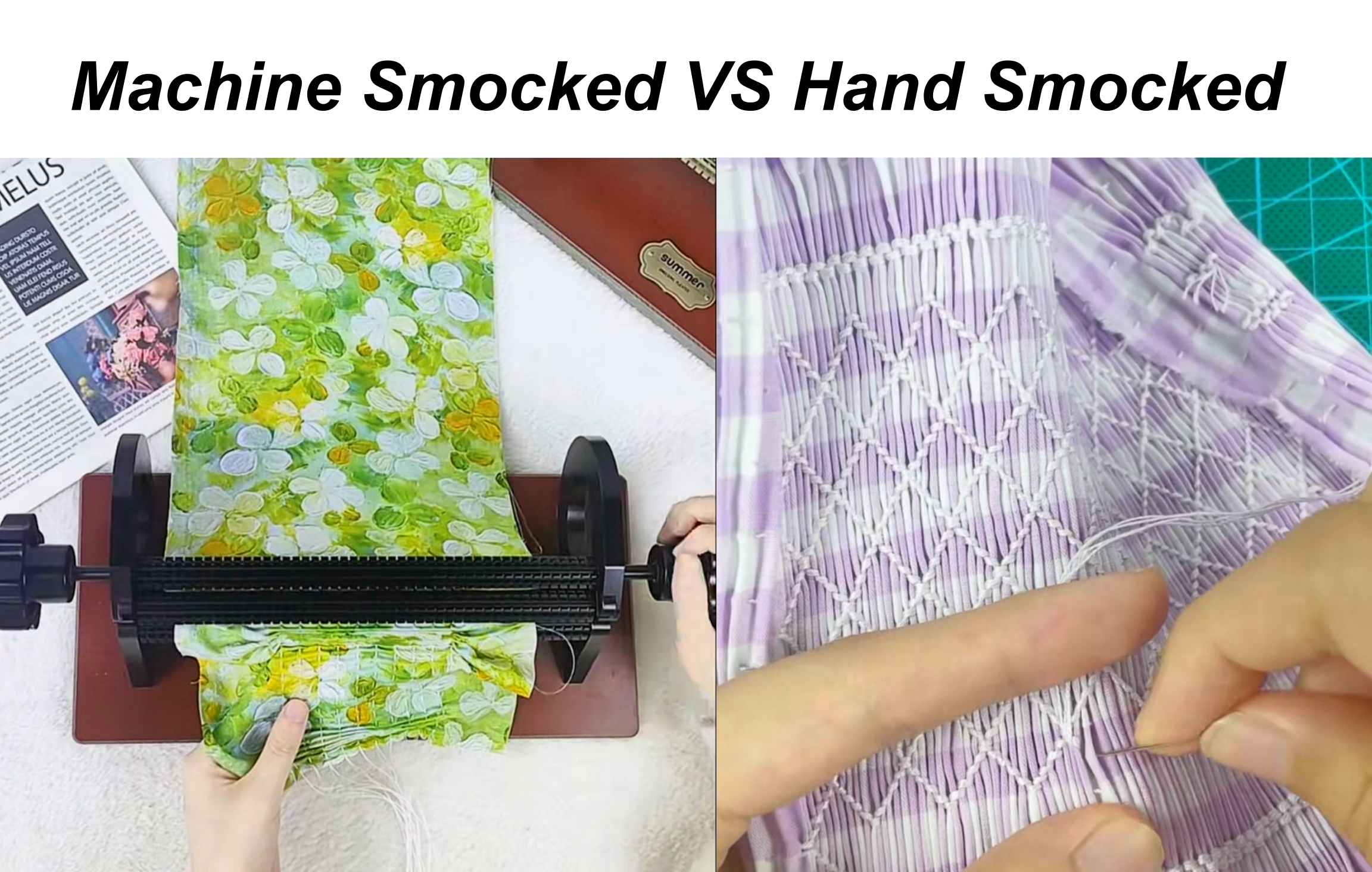
Hand smocking opens the door to textures and motifs that feel alive – tiny floral diamonds, irregular waves, or heirloom medallions that shift with the hand’s rhythm. Because each stitch is placed individually, designers can blend thread colors, vary tension, and introduce subtle asymmetries that make a piece feel bespoke. The trade-off is time: the most detailed patterns demand patience, skilled hands, and fabrics that tolerate close handwork without distorting.
Machine smocking excels at repeatability and volume. It delivers consistent pleat spacing and uniform tension across large runs, making it ideal for ready-to-wear and home textiles. Typical strengths include:
- speed: dozens of identical panels in the time a hand-smocker completes one.
- Consistency: exact repeats and clean geometry for modern or minimalist patterns.
- Limitations: less nuanced shading, fewer three-dimensional sculptural effects, and reliance on pre-programmed patterns or embroidery attachments.
Choosing between the two frequently enough comes down to a balance of complexity versus scale: if you need an artisanal centerpiece, handwork provides depth and individuality; if you need precise repeats and efficiency, machines win. The quick reference table below highlights the core differences at a glance.
| Method | Pattern Complexity | Best for |
|---|---|---|
| Hand | High – organic, sculptural motifs | Custom garments, couture details |
| Machine | Moderate – precise, repeatable geometry | Production runs, uniform collections |
Time, cost, and scalability with actionable recommendations for makers and manufacturers
Deciding between hand-smocked and machine-smocked production is really a question of time, margin, and meaning. Handwork eats hours but creates value-expect multiple hours per garment, higher labor cost , and long lead times that justify premium pricing. Machine processes slash cycle times and unit cost, but demand capital for equipment, fixtures, and operator training. For makers selling small runs or bespoke pieces, prioritize craft and storytelling; for manufacturers chasing volume, amortize machinery and optimize operator workflows to protect margins without sacrificing consistency.
- For makers: keep run sizes small, track hours per piece, and charge hourly-plus-materials to capture true value.
- For manufacturers: pilot automation on a single style, amortize equipment over projected volume, and lock down tolerances before scaling.
- Hybrid tip: combine machine groundwork with hand-finished smocking to hit a balance of speed and artisanal appeal.
| Method | Approx. time per garment | Typical unit cost (materials + labor) | Best fit |
|---|---|---|---|
| Hand-smocked | 3-6 hours | $40-$120 | Luxury / bespoke |
| Machine-smocked | 15-30 minutes | $5-$20 | Mass production |
| Hybrid (machine + hand) | 45-90 minutes | $15-$40 | Mid-market / limited collections |
- Run a short pilot: 50-200 pieces to validate speed, cost , and quality before full investment.
- Calculate break-even: include machine depreciation, maintenance, and operator training when comparing unit costs.
- Document patterns: standardize templates and smock placement to reduce rework and speed onboarding.
- Protect margins: reserve hand-smocking for signature details or premium lines and automate repetitive sections.
Durability, care, fabric choices, and finishing tips to extend the smocked garment’s life
Choice of fabric and how a smocked piece is finished will determine whether it becomes a treasured heirloom or a frequently replaced favorite. Lighter, tightly woven fabrics like cotton poplin and fine lawn hold smocking stitches crisply and resist distortion; natural fibers with a little give (linen blends, silk blends) offer elegant drape but need gentler handling. At the construction stage, small details-secure backstitches, clipped seam allowances at curves, and discreet reinforcement at stress points (armholes, waistlines)-multiply a garment’s lifespan. Pre-washing to prevent shrinkage, matching thread strength to fabric weight, and choosing stable bobbin tensions reduce pucker and snapped threads over time.
Routine care and thoughtful finishing pay dividends. Follow these quick guidelines to preserve smocking’s texture and color:
- Wash: hand wash or delicate cycle in cold water.
- Dry: reshape and dry flat or hang to finish; avoid high heat.
- Pressing: use a press cloth and medium heat; steam sparingly on elasticated areas.
- Storage: fold with acid-free tissue to protect pleats; avoid overcrowded closets.
- Repairs: secure loose threads promptly with tiny stitches to prevent runs.
Below is a quick care snapshot for common fabrics to guide decisions when designing or buying smocked garments:
| Fabric | Best Care | Expected Longevity |
|---|---|---|
| Cotton poplin | The machine is gentle, cold | High |
| Linen blend | Hand wash, dry flat | Medium |
| Silk charmeuse | Dry clean or hand wash | Medium-High |
| Jersey knit | Cold machine, low spin | Medium |
Choosing the right method for your project with a practical decision flow and expert guidance
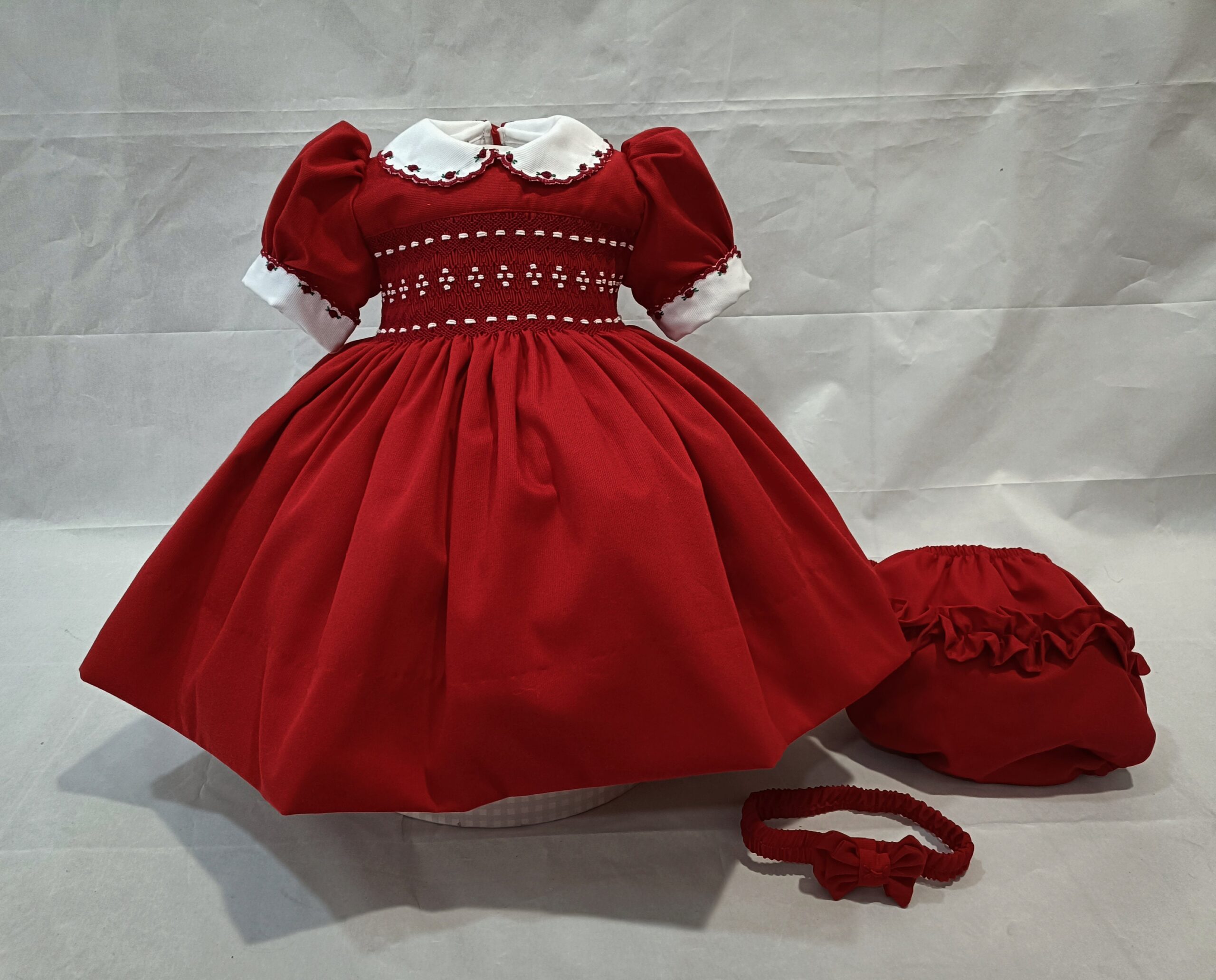
Weigh practical factors first: fabric behaviour, run size, timeline, and the level of artisanal detail you want to achieve. Hand smocking brings unique texture, subtle irregularities, and a high-value finish-ideal for heirloom pieces or couture accents-while machine smocking excels when consistency, speed, and cost control are priorities. Consider also maintenance (how the garment will be laundered), the availability of skilled hand-smockers, and whether the market will reward handcrafted markers; these will shift the balance in favor of one approach or a staged combination.
Use this quick decision flow as a guide:
- Small quantity, high detail: choose hand smocking for depth and authenticity.
- Large runs, strict budget: machine smocking for uniformity and speed.
- Middle ground: machine base with hand-finished highlights for both efficiency and character.
- Delicate or very thin fabrics: prefer handwork to avoid mechanical strain.
- Fast prototyping: stitch a sample by hand or machine to verify the look before committing.
| Project | Recommended Method | Why |
|---|---|---|
| One-of-a-kind christening gown | Hand smocking | Delicate detail, heirloom value |
| Retail children’s line (500 pcs) | Machine smocking | Speed, cost-efficiency |
| Boutique capsule (50 pcs) | Hybrid | Balanced quality and throughput |
Q&A
Q: What is smocking?
A: Smocking is a decorative technique that gathers fabric into small, regular pleats and secures them with stitches to create texture, elasticity, and patterned surface embroidery. It’s commonly used on cuffs, bodices, and yokes.
Q: How does hand smocking work?
A: Hand smocking is made by pleating fabric by hand (often using pin tucks or a pleating board) and then sewing decorative stitches across the pleats with needle and thread. Traditional stitches-honeycomb, cable, and wave-lock the gathers into intricate patterns.
Q: What is machine smocking?
A: Machine smocking can refer to a few methods: shirring (sewing rows of elastic thread), using an embroidery machine to stitch smock-like patterns on pre-pleated fabric, or running fabric through a specialized pleating/smocking machine. The result mimics smocking but is produced mechanically.
Q: What are the main visual differences?
A: Hand smocking typically shows deeper texture, subtle irregularities, and visible hand-stitched patterns. Machine smocking tends to be more uniform and tighter; shirring creates parallel elastic rows more than true embroidered motifs. Machine-embroidered smocking can be very precise but often lacks the dimensionality of handwork.
Q: Which technique is stronger or more durable?
A: It depends. Hand-stitched smocking, if well executed with strong thread, is long-lasting and repairable. Machine methods that use elastic thread (shirring) provide elasticity but may lose stretch as the elastic degrades over time. Machine embroidery is durable but can be harder to repair invisibly.
Q: How do they differ in time and cost?
A: Hand smocking is labor-intensive and takes much longer, making it more costly. Machine smocking and shirring are faster and cheaper-suitable for mass production or quick projects.
Q: Which fabrics work best for each method?
A: Both favor lightweight to medium-weight woven fabrics (cotton, lawn, batiste, voile). Hand smocking can handle slightly stiffer fabrics if you want more structure; shirring with elastic works better on lighter, softer fabrics. Heavy fabrics are generally unsuitable for traditional smocking.
Q: Can you achieve the same patterns with a machine as by hand?
A: Some patterns are reproducible by embroidery machines, but machines have limitations in stitch variety and three-dimensional subtlety. Hand smocking allows custom stitches and nuanced tension control that machines can’t fully replicate.
Q: How can you tell if a garment is hand-smocked or machine-smocked?
A: Look closely at the back and stitch consistency. Hand smocking frequently enough shows tiny hand knots, slight irregularities, and embroidery stitches that vary in tension. Machine work is very regular; shirring usually shows elastic bobbin thread and uniform rows. The depth and texture of the front also give clues-hand smocking feels more sculpted.
Q: Which is better for heirloom or couture garments?
A: Hand smocking is preferred for heirloom and couture because of its artisanal detail, individuality, and repairability. It carries craftsmanship value that’s prized in bespoke work.
Q: Which is better for everyday wear and children’s clothing?
A: Machine methods, including shirring, are common for children’s ready-to-wear because they’re quicker, cheaper, and often more elastic and comfortable. That said, hand-smocked children’s garments are still made for special occasions.
Q: Are there hybrid approaches?
A: Yes. Common hybrids include pleating by machine and finishing with hand embroidery, or hand-pleating and using an embroidery machine for some motifs. These mixes aim to balance speed and hand-crafted detail.
Q: How should smocked garments be cared for?
A: Follow fabric and thread recommendations. Hand-smocked pieces usually benefit from gentle washing (hand wash or delicate cycle), low heat, and careful reshaping. Shirred garments with elastic thread may need cooler washing and avoiding heat to preserve elasticity. Always test on a swatch if unsure.
Q: Is one method more lasting than the other?
A: Hand smocking can be more sustainable when made to last, repaired , and valued; it’s low-energy compared to factory production. Machine smocking’s sustainability depends on materials (elastic thread longevity) and production scale-mass production can increase waste but also reduce per-item energy costs.
Q: Any tips for beginners choosing between the two?
A: If you enjoy slow, tactile craft and want unique results, start with hand smocking on a small sampler. If you need speed, consistency, or want to outfit many items affordably, try shirring or machine-embroidery smocking. A small swatch test will teach you a lot about fabric choice and stitch behavior.
Q: Can smocking be repaired if it comes undone?
A: Hand-smocking is generally easier to repair because individual stitches can be replaced to match existing work. Machine-stitched or elastic shirred garments can be repaired, but may require replacing elastic rows or redoing machine stitches, which can be more complicated.
Q: Any final advice when buying or commissioning smocked garments?
A: Ask how the smocking was made, if the distinction matters to you-hand or machine? Inspect stitches, ask about thread types, and consider intended use. For longevity and uniqueness, choose hand smocking; for everyday comfort and affordability, consider machine methods.
The Conclusion
Whether you prefer the small, irregular poetry of hand-smocked stitches or the clean, efficient precision of machine smocking, both techniques tell a different story about how a garment is made. Hand smocking carries the slow, human rhythm of an individual maker pleating a tiny fingerprint-while machine smocking offers consistency and scale that make the style accessible to more people. Choosing between them comes down to priorities: budget, turnaround time, intended use , and the kind of aesthetic or emotional connection you want from the piece. The value isn’t in declaring one method superior, but in recognizing how each approach shapes the look, feel, and meaning of the finished fabric-so you can pick the stitch that best fits your purpose.