

Designing children’s wear requires careful consideration of various factors to ensure that the clothing is not only stylish but also functional and safe for little ones. From fabric choice to age-appropriate designs, there are several important things to keep in mind when creating fashion for kids. In this article, we’ll explore the key elements to consider when designing children’s wear and how to strike the perfect balance between style and practicality. So, grab your pencils and let’s dive into the world of pint-sized fashion!
Table of Contents
- Key Considerations for Designing Children’s Wear
- Understanding the Functional Needs of Children’s Clothing
- Incorporating Safety Features and Durability into Designs
- Balancing Fashion and Comfort for Young Customers
- Choosing Age-Appropriate Materials and Styles
- Q&A
- The Way Forward
Key Considerations for Designing Children’s Wear
When designing children’s wear, it’s important to consider the unique needs and preferences of young consumers. Here are some key considerations to keep in mind for successful children’s wear design:
Age-appropriate designs: Children’s wear should be designed with the specific age group in mind. For example, clothes for toddlers should be easy to put on and take off, while designs for older kids can incorporate more intricate details and embellishments.
Durable and easy-care materials: Kids can be rough on their clothes, so it’s important to choose fabrics that can withstand frequent washing and rough play. Look for materials that are easy to clean and maintain, such as machine-washable cotton or stain-resistant synthetic blends.
Comfort and movement: Children are constantly on the move, so it’s crucial to design comfortable clothes and allow for unrestricted movement. Consider using stretchy fabrics, adjustable waistbands, and seamless construction to ensure that kids can play and explore with ease.
Incorporating these key considerations into your children’s wear designs can help you create stylish, functional, and appealing clothing for young consumers. By prioritizing age-appropriate designs, durable materials, and comfort, you can ensure that your designs meet the unique needs of children and their parents.
Understanding the Functional Needs of Children’s Clothing
When designing children’s clothing, it’s essential to consider the functional needs that come with a child’s active lifestyle. From playtime to school activities, children’s wear needs to prioritize comfort, durability, and ease of movement. Here are some key considerations to keep in mind for successful children’s wear design:
Material Selection: Choose fabrics that are soft and breathable to keep children comfortable throughout the day. Look for durable materials that can withstand playful activities without losing their shape or color. Consider materials that are easy to clean, as kids can be messy!
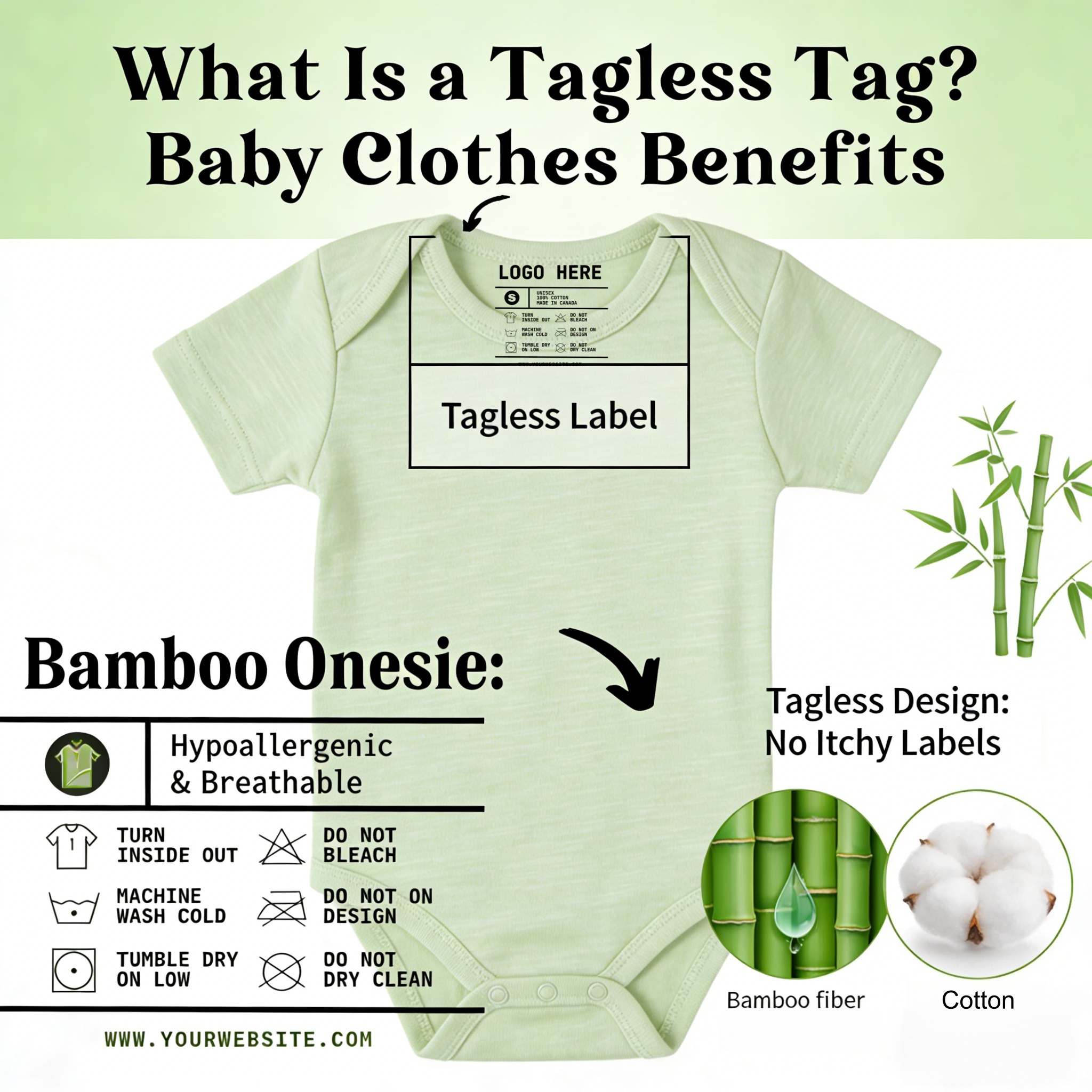
Seam Placement: Pay attention to where seams are placed to avoid irritation on sensitive skin. Flat seams or seamless designs can help prevent chafing and discomfort, especially for children with sensory sensitivities.
Adjustable Features: Incorporate adjustable features such as elastic waistbands, adjustable straps, or snap buttons to accommodate a child’s growth and ensure a comfortable fit over time.
In addition to these considerations, it’s important to involve children in the design process by understanding their preferences and needs. By prioritizing both functionality and style, you can create children’s wear that meets the demands of active kids while keeping them looking and feeling great.
Incorporating Safety Features and Durability into Designs
When designing children’s wear, it’s crucial to prioritize safety features and durability to ensure the well-being of little ones. Incorporating these elements into your designs can set you up for success in the children’s fashion industry. Here are some key considerations to keep in mind:
- Use non-toxic materials and dyes to prevent harm to children’s delicate skin.
- Ensure all small parts, such as buttons and snaps, are securely attached to prevent choking hazards.
- Consider reinforced stitching and fabric to withstand the wear and tear of active play.
Incorporating safety features and durability doesn’t have to compromise the style and creativity of your designs. By focusing on these aspects, you can create children’s wear that not only looks great but also provides peace of mind for parents. Remember, a well-designed and safe garment will stand out in the market and gain the trust of parents and caregivers.
 Balancing Fashion and Comfort for Young Customers
When it comes to designing children’s wear, it’s crucial to strike a balance between fashion and comfort to ensure the satisfaction of young customers. One key consideration for success is to prioritize the following elements:
– Durability: Children are naturally active, so their clothing should be made from durable materials that can withstand frequent movement and play.
– Comfortable fit: Children’s wear needs to be designed for comfort, with soft fabrics and adjustable features to accommodate their growing bodies.
– Fun and playful designs: Young customers are drawn to bright colors, fun prints, and unique details, so incorporating these elements into the designs can make the clothing more appealing.
In addition, it’s important to consider the practicality of the clothing, such as easy-to-clean fabrics and functional features like pockets and adjustable waistbands. By incorporating these key considerations into the design process, you can ensure that children’s wear not only looks great but also provides the comfort and functionality that young customers and their parents are looking for.
| Key Considerations for Children’s Wear: |
|---|
| Durability |
| Comfortable fit |
| Fun and playful designs |
Choosing Age-Appropriate Materials and Styles
When designing children’s wear, it’s essential to consider the age-appropriateness of materials and styles to ensure success. Here are some key considerations to keep in mind:
1. Fabric Choice: Select soft, breathable, and non-allergenic fabrics such as cotton, organic cotton, or bamboo for infant and toddler clothing. For older children, consider durable and easy-to-care-for materials like denim or polyester blends.
2. Colors and Patterns: Opt for bright and cheerful colors for younger kids’ clothing, while older children may appreciate a wider range of color choices and more sophisticated patterns.
3. Functional Design: Keep in mind the practicality of the clothing, especially for young children. Look for features such as easy-to-fasten closures, adjustable waistbands, and reinforced knees for durability.
4. Age-Appropriate Styles: Choose styles that are comfortable and safe for each age group, such as onesies and rompers for infants, elastic waistbands for toddlers, and trendy and functional designs for older kids.
5. Compliance with Safety Standards: Ensure that the materials and construction of the clothing meet safety standards for children’s wear, including lead and flammability regulations.
Incorporating these considerations into the design process will help you create age-appropriate and successful children’s wear that meets the needs and preferences of both kids and their parents.
| Age Group | Recommended Fabric |
|---|---|
| Infants | Organic cotton or bamboo |
| Toddlers | Durable denim or cotton blends |
| Older Children | Polyester blends for easy care |
Q&A
Q: What are the key things to consider when designing children’s wear?
A: When designing children’s wear, it is important to consider factors such as comfort, safety, durability, and age-appropriate design.
Q: How can designers prioritize comfort in children’s clothing?
A: Designers can prioritize comfort by using soft, breathable fabrics and ensuring that the clothing allows for ease of movement. Additionally, avoiding scratchy tags or seams can help enhance comfort for children.
Q: What safety considerations should be kept in mind when designing children’s wear?
A: When designing children’s wear, it is crucial to ensure that all components, such as buttons, zippers, and embellishments, are securely attached to prevent choking hazards. Additionally, selecting non-toxic materials and avoiding potentially allergenic dyes is essential for children’s safety.
Q: Why is durability an important aspect of children’s clothing design?
A: Children are active and often put their clothing to the test through play and exploration. Designing durable clothing that can withstand multiple washes and the wear and tear of daily activities is important for ensuring longevity and value for parents.
Q: How can designers create age-appropriate designs in children’s wear?
A: Age-appropriate designs in children’s wear take into account the developmental needs and interests of different age groups. For example, using fun and colorful prints for younger children, while offering more sophisticated and trendy styles for older kids, can help ensure that the clothing resonates with its intended audience.
Q: What are some other important factors to consider in designing children’s wear?
A: Ease of care, inclusive sizing, and overall affordability are also key considerations. Many brands work closely with experienced manufacturers like Kabeier to balance fabric performance, safety standards, and scalable production when developing children’s clothing collections.
The Way Forward
Designing children’s wear requires careful consideration of factors such as safety, comfort, and functionality. From fabric selection to sizing to ease of movement, every aspect plays a crucial role in creating garments that are not only stylish but also practical for young ones. By keeping in mind the unique needs and preferences of children, designers can create clothing that not only looks good but also supports their active and imaginative lifestyles. So, whether it’s choosing the right materials, understanding the latest trends, or creating versatile pieces, there are many things to consider in designing children’s wear. By taking all of these factors into account, designers can ensure that the clothes they create are not only fashionable but also conducive to the playful and energetic nature of childhood.