
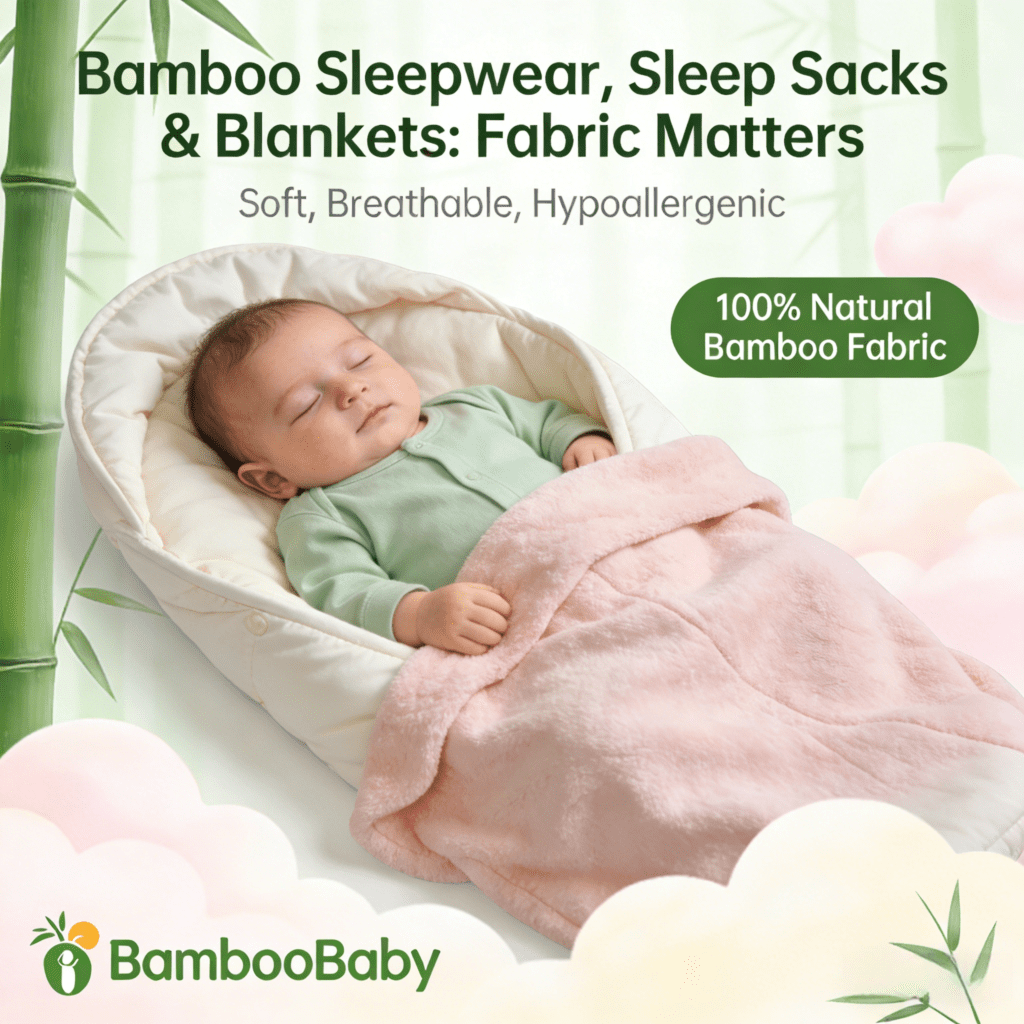
When the lights go down, and the world narrows to a mattress and the soft architecture of sleep, the fabrics that touch our skin take on an outsized importance. A blanket can feel like a calm, familiar landscape; a sleep sack can be a small, mobile nest. In the quiet geometry of bedtime, material choices - their hand, breathability, warmth, and weight – quietly shape how we rest.
Bamboo-based textiles have emerged as a popular option across sleepwear, sleep sacks, and blankets, praised for their silky feel and performance qualities. But “bamboo” on a label can mean many things: mechanically processed fibers, chemically transformed viscose, pure fibers, or blends, each with different comfort, durability, and environmental footprints. Claims about softness, moisture-wicking, and hypoallergenic benefits are common and worth examining alongside manufacturing practices, certifications, and practical care.
This article will explore what really matters when choosing bamboo sleep textiles: the science behind how different bamboo-derived fabrics behave, safety and suitability for infants and adults, sustainability considerations, and how to weigh feel against function. If you buy for yourself, your child, or as a gift, understanding those nuances will help you pick sleepwear, sacks , and blankets that match both your bedtime needs and your values.
Table of Contents
- Bamboo Fiber Unpacked: Breathability, Moisture Wicking, and the Science of Softness
- Picking the Right Weave and GSM for Sleep Sacks and Blankets: Lightweight Versus thermal Choices
- Durability and Care Instructions That Extend Life and Preserve Performance
- Allergen Sensitivity and Temperature Regulation: Matching Fabric to Sleep Style and Age
- Seasonal Fabric Recommendations and Practical Product Picks for Year-Round Comfort
- Q&A
- Insights and Conclusions
Bamboo Fiber Unpacked: Breathability, Moisture Wicking, and the Science of Softness
Imagine fabric that breathes like a pane of open air and ushers moisture away from skin before you notice it – that’s the everyday magic of bamboo-derived yarns. The fibers have a naturally porous, micro-hollow structure that promotes airflow and a capillary action that helps pull sweat from the skin to the fabric surface, where it evaporates quickly. Cooler sleep, fewer interruptions, and less clammy cling are the practical results for sleepers of every age.
- Breathability: air-permeable microchannels keep temperature balanced
- Moisture-wicking: moves sweat away fast for a drier feel
- Softness: long, smooth filaments reduce friction and feel plush
- Skin-friendly: naturally gentle surface reduces irritation for sensitive sleepers
The science of softness comes down to fiber geometry and finish: long, round filaments bend and glide rather than grab, and regenerated bamboo fibres often receive a fine finish that yields a silk-like hand. Depending on whether the yarn is mechanically processed (more textured and eco-robust) or chemically regenerated (buttery-smooth), you get different tactile experiences – both excel at thermal regulation and fast drying. For sleepwear, sleep sacks, and blankets, that blend of airy structure, moisture control, and low-friction softness is why bamboo fabrics are increasingly chosen for comfort-first sleep design.
| Property | Bamboo | Cotton | Modal |
|---|---|---|---|
| breathability | High | Moderate | High |
| Softness | Very soft | Soft | Silky |
| Drying speed | Fast | Slower | Fast |
Picking the Right Weave and GSM for Sleep Sacks and Blankets: Lightweight Versus Thermal Choices
Choosing the right fabric is as much about how a cloth is put together as what it’s made of. The weave determines airflow and drape – think airy muslin and open-knit jersey for breathability versus tighter interlock or brushed knits for a cocooned, soft finish – while the GSM (grams per square meter) tells you the thermal story in numbers. Aim for lower GSM if you want a featherlight, breathable layer and higher GSM when warmth is the priority. Small babies often do best with soft, midweight fabrics that temper temperature swings rather than extremes.
- Lightweight (100-180 GSM): summer sleep sacks, swaddles, or warm-climate blankets.
- Midweight (180-260 GSM): versatile, year-round sleep sacks and blankets that layer well.
- Thermal (260+ GSM): winter blankets and outer sleep sacks for cooler nurseries.
Match GSM and weave to your nursery and your child’s needs: a breezy weave plus lower GSM for overheating-prone sleepers, a tighter knit and higher GSM when room temps dip. Below is a rapid cheat-sheet to pair feel and purpose – then follow a few simple care and layering rules to keep performance consistent.
| GSM Range | Sensory Feel | recommended Use |
|---|---|---|
| 100-180 | Light, airy | Summer sleep sacks & lightweight blankets |
| 180-260 | Soft, balanced | All-season sleep sacks & everyday blankets |
| 260+ | Warm, cozy | Winter layers & nursery toppers |
- Tip: When in doubt, pick midweight bamboo with a breathable weave - it adapts through seasons and washes beautifully.
- Layer smart: combine a lower-GSM inner layer with a higher-GSM outer sleep sack when nights are unpredictable.
Durability and Care Instructions That Extend Life and Preserve Performance
The secret to long-lasting softness lies in routine gentleness and small fixes. Treat bamboo fabrics like the luxury they are: wash in cold water, choose a mild, enzyme-free detergent, and skip bleach and heavy fabric softeners that can dull the breathable fibers. Turn garments inside out, use a short, gentle spin, and remove promptly to prevent wrinkles. For delicate sleep sacks and lightweight blankets, place items in a mesh laundry bag to reduce friction and stretching during the cycle.
Simple habits preserve both feel and function: air-dry flat when possible, or tumble on low heat and remove while slightly damp to reshape. Mend tiny pulls with a gentle weave instead of cutting threads, and store folded in a breathable cotton bag away from direct sunlight to avoid color fade. Useful quick-reference:
- Wash: Cold, gentle cycle
- Detergent: Mild, fragrance-free
- Dry: Air-dry or tumble low
- Storage: Cool, dark, breathable
| Item | wash Temp | Dry |
|---|---|---|
| Sleepwear | Cold | Low tumble / Air-dry |
| Sleep sacks | Cold | mesh bag + Low tumble |
| Blankets | Cold to warm | Air-dry flat |
Allergen Sensitivity and Temperature Regulation: Matching Fabric to Sleep Style and Age
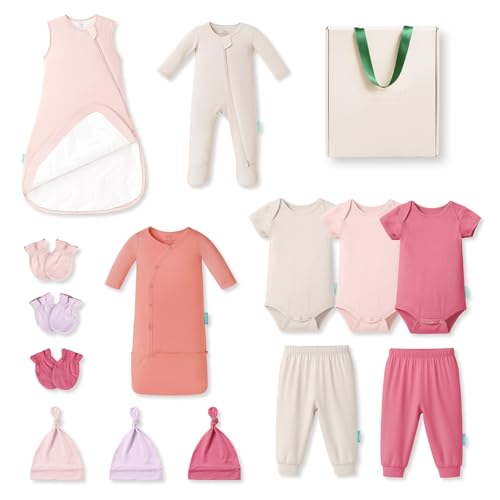
Think of choosing sleep fabrics like packing for a tiny climate: infants, children, and older adults each bring different body-weather to the bed. Babies have immature temperature control and a tendency to overheat, so breathable, naturally hypoallergenic textiles help reduce both moisture buildup and contact irritation. Teenagers and active sleepers need fabrics that move sweat away without holding heat; older adults often sleep cooler and benefit from gentle insulating layers that still resist dust and mildew. Layering sleep sacks, blankets, and sleepwear in complementary fibers is the smartest way to balance allergy prevention with thermal comfort across ages.
Here are practical fabric pairings to match texture, sensitivity, and sleep style:
- Bamboo viscose: ultra-soft, naturally antimicrobial, and highly breathable – ideal for sensitive infant skin and hot sleepers.
- Organic cotton: a neutral go-to for toddlers and adults who want low-irritant comfort with moderate warmth.
- Merino wool: temperature-regulating and odor-resistant; great for older adults or cool-room sleepers, but avoid if lanolin allergy is suspected.
- technical/synthetic blends: excellent moisture-wicking for sweaty sleepers and travel blankets, though they can attract static and trap dust if not washed frequently enough.
| Fabric | Best for | Allergen note | Temp trait |
|---|---|---|---|
| Bamboo | Infants, hot sleepers | Low irritant, antimicrobial | Cool and breathable |
| Organic Cotton | Toddlers, all-ages basics | Hypoallergenic if unprocessed | Moderate, versatile |
| Merino Wool | Older adults, cool sleepers | Rare lanolin sensitivity | Insulating yet moisture-wicking |
Seasonal Fabric Recommendations and Practical Product Picks for Year-Round Comfort
Bamboo adapts like a quiet chameleon - choose lightweight, single-knit bamboo for hot months because it wicks sweat and breathes, and opt for midweight interlock for transitional spring/fall nights when you want a little more loft without overheating. For winter, look for brushed or blended bamboo (bamboo-viscose with a touch of organic cotton or modal) to add insulating softness while preserving bamboo’s natural temperature regulation. Consider these quick fabric cues when shopping:
- Summer: 150-180 GSM, open weave, highly breathable
- All-season: 190-240 GSM, balanced weight, good drape
- Winter: 250+ GSM, brushed finish or blended knit for extra warmth
These attributes make a real difference whether you’re choosing sleepwear, a swaddle-style sleep sack, or a layering blanket – comfort is as much about weave and weight as it is about fiber.
Below is a compact guide pairing seasons with practical product picks you can keep on rotation for year-round comfort. Use the list after the table to refine fit and care choices for longevity.
| Season | Recommended Fabric | Practical Pick |
|---|---|---|
| Summer | Light bamboo jersey | Bamboo Breeze Sleep Tee |
| Spring/Fall | Midweight interlock | CloudNest Sleep Sack |
| winter | Brushed bamboo blend | ThermoSilk Blanket |
- Fit Tip: Choose a slightly roomier sleep sack for layering in cold months and a snugger fit for summer to reduce overheating.
- Care Tip: Wash on a gentle cycle, tumble low or air dry to preserve softness and prevent shrinkage.
- Layering: pair thin bamboo layers rather than one heavy piece to fine-tune warmth without trapping moisture.
Q&A
Q: What do we mean by “bamboo” when we talk about sleepwear, sleep sacks, and blankets?
A: “Bamboo” on a label usually refers to fabric made from bamboo plants, but the manufacturing route matters. There are mechanically processed bamboo textiles (rare, similar to linen) and chemically regenerated fibers, most commonly bamboo viscose (rayon), bamboo modal, or bamboo lyocell. These regenerated fibers start with bamboo cellulose but are dissolved and reformed into yarn, which changes the environmental and performance profile of the final fabric.
Q: Why do people choose bamboo fabrics for sleep items?
A: Bamboo-derived fabrics are prized for their softness, drape, and breathability. Many are moisture-wicking and feel cool to the touch, which makes them appealing for hot sleepers or babies. They often have a smooth, silky hand and can be knitted for stretch (useful in sleepwear and sleep sacks) or woven for lighter blankets.
Q: Are bamboo fabrics better than cotton or synthetics for sleep?
A: “Better” depends on your priorities. Compared with cotton, bamboo viscose tends to feel softer and can wick moisture more effectively; cotton is durable and widely available. Compared with synthetics, bamboo often breathes and feels cooler, but synthetics can dry faster and be more durable. For babies and sensitive skin, bamboo’s soft surface is attractive, but the best choice depends on fabric construction, quality , and personal needs.
Q: Is bamboo fabric breathable and temperature-regulating?
A: Yes, especially viscose and lyocell from bamboo are breathable and wick moisture away from the skin, which helps regulate surface temperature. That cooling effect is useful in warm conditions; in cooler conditions, these fabrics still offer moderate insulation, but you may need layers or a higher-TOG sleep sack or blanket.
Q: Are bamboo fabrics hypoallergenic or antimicrobial?
A: Bamboo fibers themselves aren’t a guaranteed hypoallergenic cure-all. Regenerated bamboo fibers have a smooth surface that can feel less irritating to sensitive skin, but “hypoallergenic” claims are not strictly regulated. Some marketing references an antimicrobial property of bamboo; while certain studies show mild antimicrobial behavior, processing and finishing can remove that trait. Look at independent testing or certifications if this is critically important.
Q: What should parents know about using bamboo sleep sacks and blankets for babies?
A: Safety first: for infants under 12 months, avoid loose blankets in the crib; sleep sacks that zip or fasten securely are a safer option. Choose the correct size so the sack fits snugly around the neck and arms and doesn’t ride up. Check the sleep sack’s TOG rating for appropriate warmth (see next question). Avoid hoods, long ties, or decorative attachments that pose entanglement risks. Also, ensure any garment meets applicable flammability and safety standards for infant sleepwear.
Q: How do I pick the right TOG for a bamboo sleep sack or blanket?
A: TOG is a measure of thermal resistance. As a rough guide:
– 0.2 TOG: warm room (about 24°C / 75°F and above)
– 0.5 TOG: warm-mild room (about 21-23°C / 70-73°F)
– 1.0 TOG: cool room (about 16-20°C / 61-68°F)
– 2.5 TOG: cold room (under ~16°C / 61°F)
Adjust for personal comfort, clothing worn under the sack, and whether the item is layered. Always monitor the baby’s temperature by touch rather than relying solely on labels.
Q: How do I care for bamboo sleepwear and blankets?
A: Most bamboo fabrics prefer gentle care: machine wash cold or warm on a gentle cycle with mild detergent; avoid bleach and harsh stain removers. Tumble dry low or line-dry to reduce shrinkage and preserve softness; remove promptly to prevent wrinkles. High heat can weaken regenerated fibers and cause pilling or shrinkage. If the item’s label has specific care instructions, follow those.
Q: Will bamboo fabrics pill or wear out quickly?
A: Durability varies with fiber type and construction. Lyocell-style and higher-quality bamboo viscose knit fabrics are relatively durable and resist pilling better than low-quality viscose. Knit sleepwear and sleep sacks need good-quality construction and reinforced seams to last through frequent washing. Treat high-stress areas (zippers, snaps) gently to extend lifespan.
Q: Are bamboo fabrics environmentally friendly?
A: Bamboo, as a plant, grows quickly and requires little irrigation, which is positive. Environmental impact depends heavily on processing. Mechanical processing (bamboo linen) is more eco-friendly but rare and costly. Regenerated fibers like viscose are typically produced using chemical processes; these can be harmful unless managed properly. Lyocell processes use closed-loop solvents and are generally greener than conventional viscose. Look for obvious supply-chain information and certifications such as OEKO-TEX Standard 100, FSC for responsibly sourced bamboo, or other third-party ecolabels to evaluate claims.
Q: What certifications or labels should I look for?
A: Useful marks include OEKO-TEX Standard 100 (limits harmful substances), FSC (for responsibly sourced bamboo), and certifications that verify closed-loop solvent recovery for modal/lyocell production. Be cautious with broad “organic” claims-GOTS, which typically does not certify chemically regenerated bamboo viscose. Brands that publish details about processing, solvent recovery, and third-party testing are easier to evaluate.
Q: Are there differences between “bamboo viscose,” ”bamboo modal,” and “bamboo lyocell”?
A: Yes. These are all regenerated cellulosic fibers made from bamboo cellulose, but differ in the chemicals and processes used:
– bamboo viscose (rayon): common, often softer and cheaper; traditional viscose uses harsher chemicals unless managed responsibly.
– Bamboo modal: a modified viscose frequently enough with stronger fibers and extra softness.- Bamboo lyocell: typically produced in a closed-loop process using a non-toxic solvent, generally considered the more eco-friendly regenerated option. Quality and hand feel vary by manufacturer.
Q: Can bamboo fabrics irritate sensitive skin?
A: Many people with sensitive skin find bamboo-derived fabrics agreeable because of their smooth surface and breathability. Though fabric finishes, dyes, and residual processing chemicals can irritate some individuals. Choose OEKO-TEX-tested products or garments labeled for sensitive skin, and pre-wash new items before use to reduce residual chemicals.
Q: Any common misconceptions I should be aware of?
A: A few frequent misunderstandings:
– “Bamboo” doesn’t automatically mean eco-friendly-processing matters.
– “Hypoallergenic” is not a regulated guarantee-test if you have allergies.- Bamboo fabrics aren’t invincible; poor-quality versions can pill, fade, or lose shape.
– A cool-to-touch fabric can still be warm in cold rooms-check TOG and layer appropriately.
Q: How do I choose the best bamboo sleep item for my child or me?
A: Decide what matters most: softness, breathability, sustainability credentials, or price. For babies, prioritize safety features (correct size, secure closures, TOG ratings, and no loose parts). For adults, consider knit vs woven, the listed fiber type (viscose/modal/lyocell), and third-party testing or brand transparency on processing. Read labels, check care instructions, and, when possible, feel the fabric before buying.
Insights and Conclusions
When the lights dim and the day unthreads itself, the fabric next to your skin quietly becomes one of the most important choices you make. Bamboo sleepwear, sleep sacks, and blankets offer a compelling blend of softness, breathability, and moisture management — but “bamboo” can mean different things in practice, and performance depends on fiber processing, weight, weave, and care.
Think of fabric as a collaborator in your sleep routine: choose based on season, sensitivity, durability, and the environmental or certification standards you value. Try pieces on, check labels and wash instructions, and remember that layering and fit matter as much as fiber.
At Kabeier, we approach bamboo textiles with this same philosophy — focusing not only on softness, but on fabric structure, GSM selection, finishing techniques, and long-term durability. With over 20 years of manufacturing experience, we understand that true comfort is engineered through thoughtful material sourcing, precise craftsmanship, and responsible production standards.
Ultimately, the best sleep textile is the one that helps you feel comfortably cocooned through the night — and informed choices, paired with trusted manufacturing, are what guide you back to rest.