
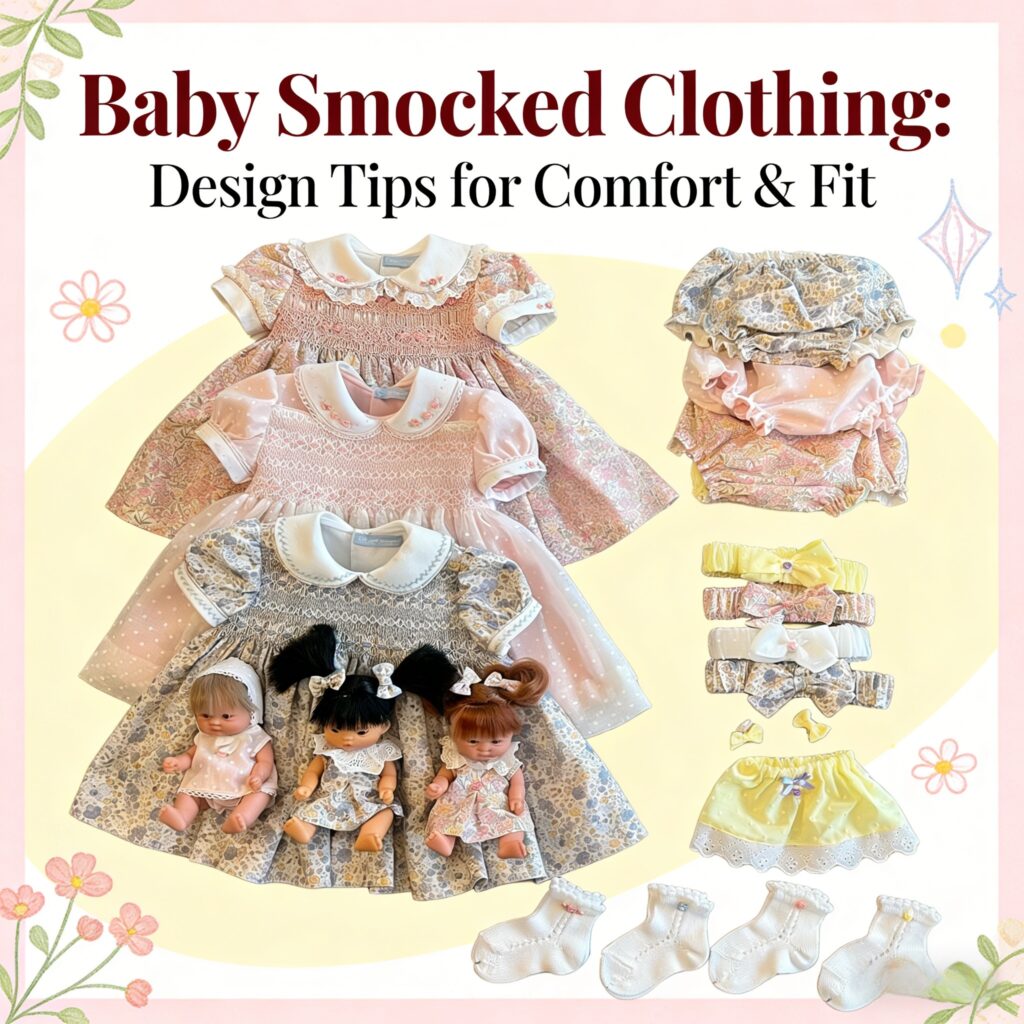
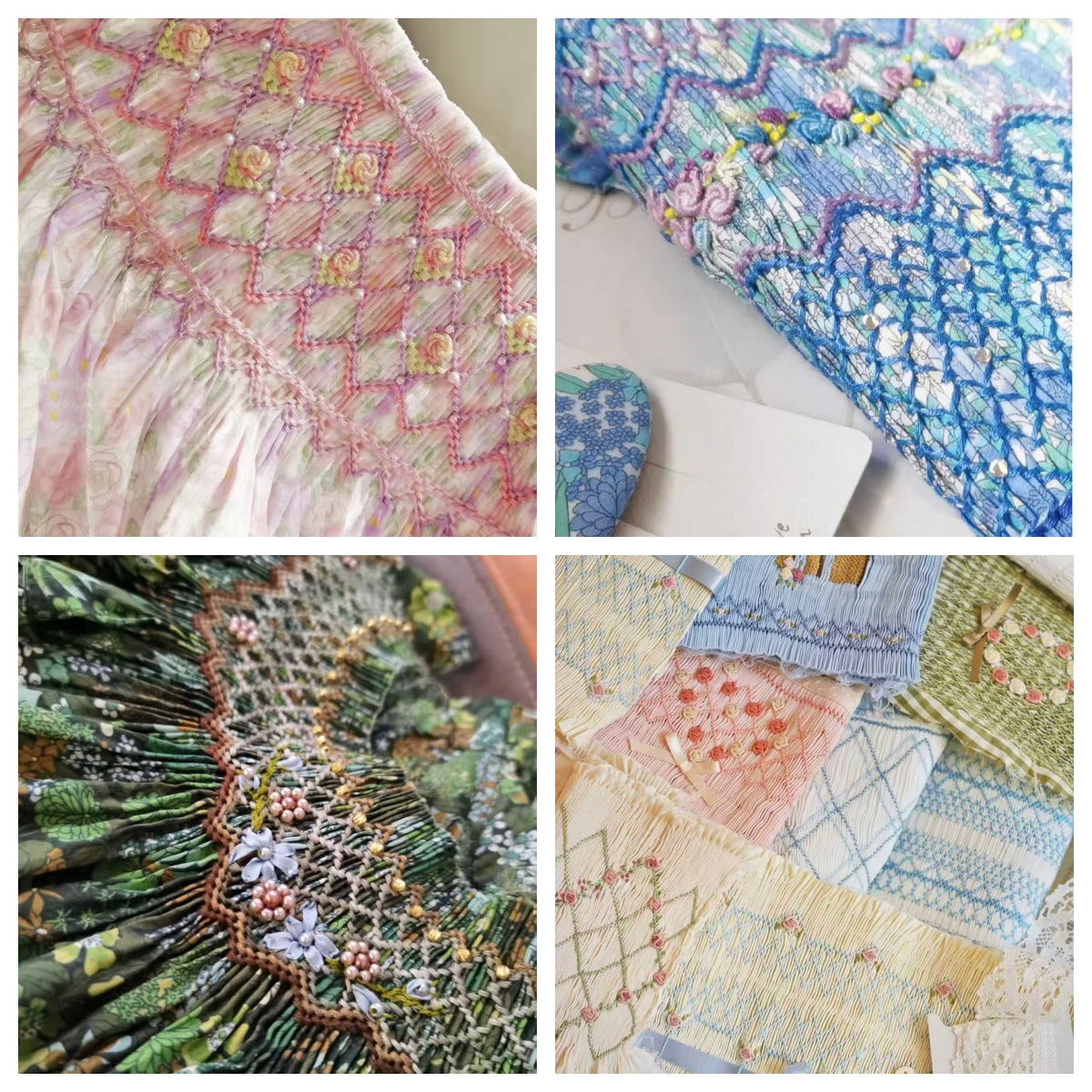
Like tiny pleats in a miniature landscape, smocking turns flat fabric into a softly gathered texture – a decorative technique that has long lent baby clothes a timeless charm. For infants, however, smocking is more than ornament: it’s a structural choice that affects stretch, fit, and how a garment behaves when a baby moves, sleeps , or is being dressed. Balancing aesthetic tradition with the practical needs of delicate bodies is the central challenge for anyone designing smocked clothing for babies.
This article explores that balance. We’ll look at how choices in fabric, smocking density, and placement interact with comfort factors such as breathability, seam positioning, and freedom of movement. You’ll find guidance on sizing considerations, closures , and construction details that keep garments easy to put on and safe to wear, alongside suggestions for styles that preserve smocking’s signature look without compromising function.
Whether you’re a maker working from a sewing machine or a designer sketching a new collection, the goal is the same: create pieces that honor smocking’s gentle beauty while meeting the everyday realities of infant wear. Ahead are practical design tips and thoughtful trade-offs to help you make smocked clothing both charming and truly wearable.
Table of Contents
- Fabric Choices that Prioritize Comfort and Skin Health
- Smocking Placement, Density, and Elasticity for Freedom of Movement
- Seam Finishes, Necklines , and Closures That Minimize Irritation
- Sizing Strategy and Ease Allowances to Accommodate Rapid Growth
- Care Practices and Construction Techniques to Preserve Stretch and Shape
- Q&A
- The Way Forward
Fabric Choices That Prioritize Comfort and Skin Health
Soft, breathable fibers are the foundation of smocked pieces that keep babies cozy without irritating delicate skin. Choose natural yarns like organic cotton, bamboo blends, and lightweight muslin for their superior airflow, moisture-wicking properties, and minimal chemical processing. When designing, factor in the tactile experience: smocking sits against the chest and arms, so pick fabrics with a gentle hand and a bit of recovery-this ensures the gathers sit beautifully without rubbing or compressing tender skin. Small finishing touches, such as flat seams, tagless labels, and enzyme or low-impact dyeing, further reduce friction and allergic reactions.
Practical care is part of skin-pleasant design. Pre-wash fabrics to remove residual fibers and shrinkage, and recommend gentle detergents and lower-heat drying to parents. Consider these quick fabric cues when choosing material for smocked garments:
- Organic Cotton – naturally soft, widely breathable.
- Bamboo Blend – silky hand, excellent moisture management.
- Muslin - airy, perfect for layered smocking in warm climates.
| Fabric | Best for | Care note |
|---|---|---|
| Organic Cotton | Everyday rompers | Machine wash gentle |
| Bamboo Blend | Sleepwear | Avoid high heat |
| Muslin | Summer dresses | Pre-wash to soften |
Smocking Placement, Density, and Elasticity for Freedom of Movement
When creating baby garments, treat smocking like a soft elastic panel rather than a rigid decoration. Place it where the body needs gentle give – across the chest, at the empire waist, or around a yoke - and avoid anchoring dense smocking over joints or the seat where it can restrict crawling and kicking. Use lighter, more open smocking for pieces meant to stretch (rompers, play dresses) and reserve tighter, decorative honeycomb only for bodices or collars that shouldn’t expand. Remember to test on a muslin – sew a small sample, stretch it several times, and check that seams and trim rise and fall without pulling.
- Placement: Favor central panels and yokes; keep limbs and crotch clear.
- Density: Lower density = more give; higher density = firmer shape.
- elasticity: Elastic thread, softer pleating, and fewer rows increase comfort.
- Fit test: Always try on (or measure) with typical movement – lifting arms, bending knees.
Below is a quick reference to help you choose smocking intensity by garment type:
| Density | Stretch | Best for |
|---|---|---|
| Light | High (3-4 rows/in) | Rompers, play dresses |
| Medium | Moderate (5-7 rows/in) | Everyday dresses, bodices with give |
| Tight | Low (8+ rows/in) | Decorative collars, formal bodices |
 Seam Finishes, Necklines , and Closures That Minimize Irritation
Soft construction makes the difference between clothing a baby loves and clothing a baby resists. Use flat-felled or French seams on side seams and shoulders to hide raw edges and reduce bulk; when stretch is needed, finish with a narrow overlocked seam covered by a soft binding. Necklines should be gently finished - think bias-bound or double-folded hems – and lined where prints or coarse trims would otherwise rub. Small details matter: place seams away from the spine and underarm, remove sewn-in tags in favor of printed care labels, and use soft, stretch-friendly thread for topstitching so seams lie flat against delicate skin.
- Flat-felled seams - durable,low-bulk, lie flat against the body.
- French seams - perfect for lightweight fabrics and a clean inside finish.
- Bias-bound necklines – flexible and gentle; ideal for printed or rough-edge fabrics.
- Soft rib or knit cuffs – prevent chafing at the neck and wrist while allowing movement.
- Tagless labels - reduce unnecessary irritation behind the neck.
Closures should prioritize easy dressing and minimal contact with sensitive areas. Shoulder snaps or an envelope neckline let garments slide on and off without pulling, while a front zipper with a guard speeds diaper changes and keeps teeth away from skin. Buttons can be decorative, but place functional closures where they won’t press against the back or belly; if using magnets, ensure they are fully enclosed and certified safe for infant wear. The quick-reference table below helps pick the right option for different styles and comfort needs.
| closure | Best for | Irritation Risk |
|---|---|---|
| Snaps | Onesies, shoulder openings, diaper access | Low if backed with soft fabric |
| Zip (with guard) | Sleepwear, rompers for quick changes | Very low when a chin/zip guard is used |
| Buttons | decorative fronts, grown-up look | Moderate; avoid overcritical placement |
| Encased magnets | Adaptive designs, easy on/off | Low if properly encased and certified |
Sizing Strategy and Ease Allowances to Accommodate Rapid Growth
Think of smocked garments as tiny wardrobes with built‑in room to grow: the gathered bodice naturally stretches, so you can design less fitted pieces with smart shaping elsewhere. Opt for generous seam allowances (at least 1-1.5 cm extra where you might later let out), shallow pleats at the side seams, and hems that can be turned down twice for future lengthening. Incorporate adjustable details-button extension tabs, snap plackets, and elastic channels-so a single frock can comfortably span several sizes without losing its silhouette.
Practical allowances and construction choices make growth-friendly pieces easy to wear and longer lasting. Aim for modest ease in the neckline and chest, where smocking provides stretch, and slightly larger ease in sleeves and skirt panels to preserve movement. Use durable backing fabrics behind smocking to prevent overstretch and add hidden extension options when possible. Examples of quick rules to follow:
- Newborn to 3 months: allow small, concentrated ease at the bodice for snug warmth.
- 3-12 months: increase skirt and sleeve ease for crawling and rolling.
- 12-24 months: favor adjustable closures and longer hems that can be let down twice.
| Age | Chest Ease | Length Allowance |
|---|---|---|
| Newborn | +2-3 cm (0.8-1.2″) | +3 cm (1.2″) |
| 3-6 months | +3-4 cm (1.2-1.6″) | +4-5 cm (1.6-2″) |
| 6-24 months | +4-6 cm (1.6-2.4″) | +5-8 cm (2-3″) |
Care Practices and Construction Techniques to Preserve Stretch and Shape
Gentle handling is the secret to keeping delicate smocked garments soft and springy. Machine washing on a delicate cycle or hand washing in cool water, using a mild,enzyme-free detergent, prevents fibers from tightening. Turn pieces inside out to protect the smocking threads and embellishments, and always reshape while damp-a quick, gentle pull along seams and smocked rows prevents puckering later. Avoid high heat: skip the dryer and lay flat to dry on a towel or a breathable rack to preserve both elastic memory and fabric drape.
- Hand wash or gentle cycle: less agitation equals less felting.
- Cold water: reduces shrinkage and dye bleed.
- Reshape & dry flat: restores intended fit and stretch.
- Spot-treat stains: avoid overwashing smocked areas.
Thoughtful construction makes care easier and the garment longer-lived. Use stretch-friendly stitches and narrow seam allowances that won’t bulk under smocking, add soft stay-tape at shoulder seams to reduce distortion, and design elastic channels with a little extra ease so elastic isn’t forced to its limit. Pre-washing fabrics and testing thread tension lets you anticipate how much recovery the fabric will retain after laundering; reinforce closures and stress points with bartacks or small patches so the smocked body can flex without transferring strain to fastenings.
| Technique | Why it Helps |
|---|---|
| Stretch stitches | Follow the fabric’s give without breaking threads |
| Stay tape | Keeps the neckline and shoulders stable |
| Pre-wash | reveals shrinkage, so patterns fit after laundering |
Q&A
Q: What exactly is smocking, and why is it used on baby clothes?
A: Smocking is a decorative gathering technique that creates tiny pleats held by embroidery or stitching. For baby clothes, it adds gentle stretch, visual interest , and a soft, flexible fit – perfect for garments that need to move with a squirmy body while still looking tidy.
Q: Which fabrics are best for smocking on baby garments?
A: Lightweight woven natural fibers – cotton lawn, batiste, voile, and fine seersucker – are ideal: they pleat crisply, feel soft against skin, and breathe well. Knits don’t smock the same way; use shirring or elasticized stitching for knit garments instead.
Q: How much smocking should I add so the garment stays comfortable?
A: Keep the smocked panel wide enough to give stretch , but not so wide that it becomes stiff. For an infant yoke, 2-3 in (5-8 cm) of smocked depth is common; for waist or cuff details, 1-2 in (2.5-5 cm) often works. The point is to allow motion - choose a depth that balances elasticity with the look you want.
Q: How much ease should baby-smocked clothing include for comfort and growth?
A: Allow generous ease. For newborns and infants, aim for roughly 1-2 in (2.5-5 cm) positive ease around the chest and waist; for toddlers, 1.5-3 in (4-8 cm) is more comfortable. Add extra length or adjustable features (roll-up cuffs, adjustable straps) rather than overfitting.
Q: Where are the best places to put smocking on a baby garment?
A: Classic placements are across the chest/yoke, at waistlines, on cuffs, and on collars. Place smocking at spots where lightweight elasticity helps fit - the bodice, waist, or cuff - and avoid heavy smocking where the baby needs a full range of motion, like high underarm areas.
Q: What spacing and pleat size work well for baby smocking?
A: Gentle, close rows read as delicate on baby clothes. Row spacing of about 3-6 mm (1/8-1/4 in) and pleat depths of roughly 6-10 mm (1/4-3/8 in) give a fine, stretchy texture. Adjust to the scale of the garment and fabric weight – heavier fabrics can take slightly wider pleats.
Q: Should I hand-smock or machine-smock?
A: Both have merits. Hand smocking gives the most control and a customary look; it’s time-consuming but lovely. Machine smocking or smocking plates speed production and give consistent pleats. For small runs or heirloom pieces, choose handwork; for everyday wear, use machine techniques or substitute shirring with elastic thread for quicker, stretchy results.
Q: How can I design closures so smocked clothes are easy to put on and safe?
A: Prioritize wide neck openings, envelope shoulders, or snap/back closures for easy dressing. Use secure, flat snaps or larger buttons sewn with reinforced thread. Avoid tiny detached buttons or long ribbons near the neck - safety first.
Q: What embellishments are appropriate for baby smocked garments?
A: Keep trims soft and secure. Tiny embroidered motifs, flat appliqué, and narrow piping are charming and safe. Avoid loose beads, sequins, or long ties. If you add bows or decorative buttons, sew them very securely or attach them as removable accents.
Q: Any special seam or finish tips to enhance comfort?
A: Use flat, soft seam finishes (French seams, narrow serged/pressed seams) to prevent irritation. Keep hems soft and avoid bulky bindings at necklines and armholes. Lining smocked panels can hide button backs and make the inside smooth against delicate skin.
Q: How should smocked baby clothes be laundered and cared for?
A: Prewash fabric before smocking to reduce shrinkage and color change. Wash gently (cool or warm water, mild detergent), reshape smocked areas while damp, and air-dry when possible. Avoid high heat that can stress elastic or distort tiny pleats.
Q: How can I design smocked pieces to accommodate rapid baby growth?
A: Build in adjustability: add elasticized smocking rather than fixed tucks, use adjustable straps, include a generous hem to let out, or design convertible details (roll sleeves, extendable waistbands). Planning a little extra length and modest positive ease lengthens the garment’s useful life.
Q: Any safety and sustainability considerations to keep in mind?
A: Choose breathable, OEKO-TEX or organic-certified fabrics and low-impact dyes when possible. Fastenings should be robust , and small parts should be minimized. Favor natural fibers for comfort and consider timeless styling so garments can be passed on rather than discarded.
Q: Final quick tips for designers starting with baby smocked clothing?
A: Test on a muslin first, prewash all fabrics, think small-scale and soft, prioritize easy dressing and safety, and balance beauty with practicality. Smocking should enhance fit and movement – let comfort lead the aesthetic.
The Way Forward
Designing smocked clothing for babies is a quiet balance between form and function — a careful choreography of soft fabrics, thoughtful ease, and gentle shaping that allows small bodies to move, sleep, and play without restriction. Breathable materials, low-profile seams and elastics, and sizing planned for real growth are essential. Details such as pleat depth and neckline shaping are best refined through hands-on fittings and practical prototypes, not assumptions.
At Kabeier, these principles are not theoretical — they guide how we manufacture. With over 20 years of experience in baby and children’s apparel production, we work closely with brands to translate design intent into reliable, production-ready smocked garments. From fabric selection and smocking techniques to sample development, fit refinement, and bulk production, our role is to ensure that comfort, safety, and consistency are never compromised.
By prioritizing easy care and compliance alongside aesthetics, we help garments remain comfortable and practical through repeated washes and weeks of wear. When these principles are stitched into the process — supported by a manufacturing partner who understands both craftsmanship and scalability — brands can create collections that feel as good as they look: heirloom-inspired in spirit, dependable in production, and genuinely kind to the little people who wear them.
If you’re developing a smocked collection and looking for a factory partner who values precision, transparency, and long-term collaboration, Kabeier is ready to support your next step forward.