
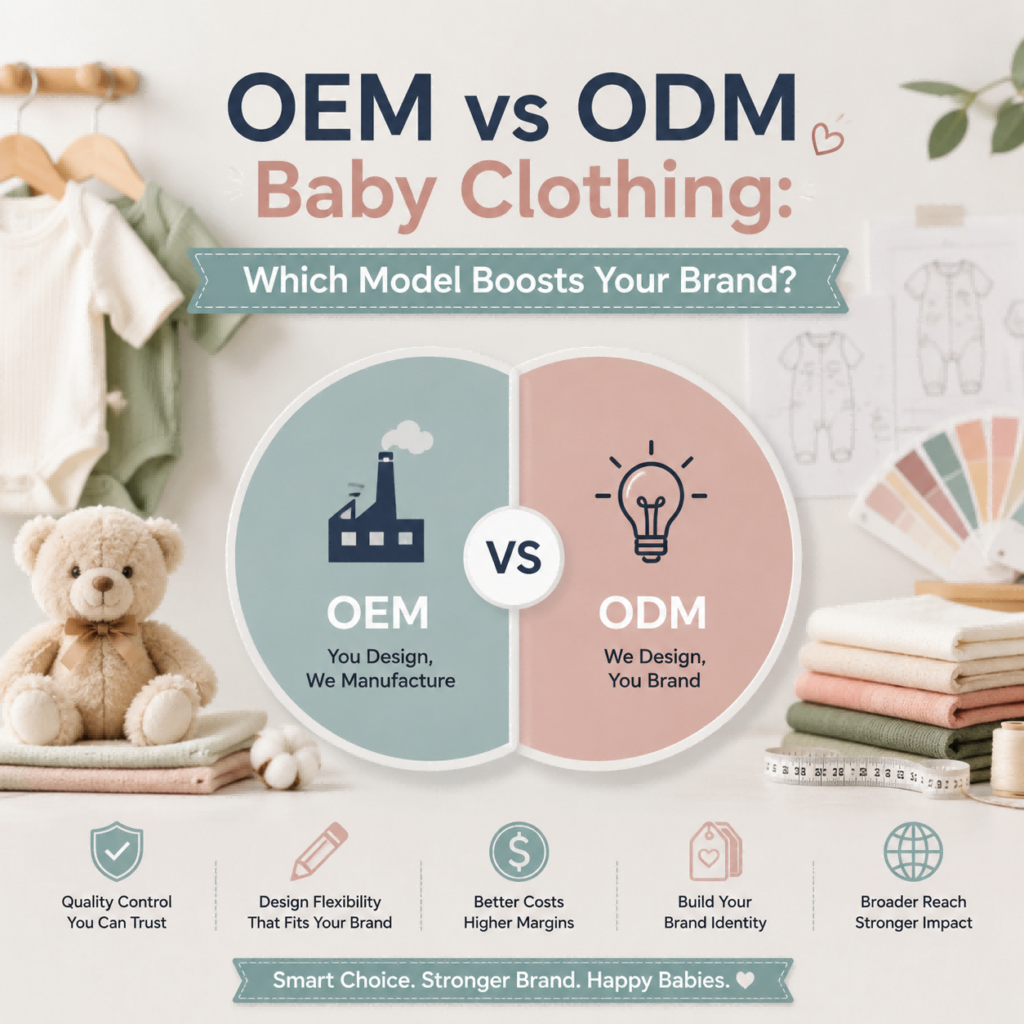
In the ever-evolving world of baby apparel, building a brand that stands out requires more than just cute designs and soft fabrics-it demands savvy manufacturing choices. When it comes to producing baby clothing, entrepreneurs and established brands alike often find themselves weighing two popular models: Original Equipment Manufacturer (OEM) and Original Design Manufacturer (ODM). Each path offers distinct advantages and challenges that can shape the identity, quality, and growth of yoru brand. But which manufacturing approach truly aligns with your vision and goals? Let’s explore the nuances of OEM and ODM baby clothing production to help you make an informed decision tailored to your brand’s unique needs.
Table of Contents
- Understanding the Key Differences Between OEM and ODM Baby Clothing
- Evaluating Quality Control and Design Flexibility in Baby Apparel Production
- Cost Implications and Profit Margins for Brand Owners
- Strategies to Choose the Best Manufacturing Model for Your Brand Identity
- Maximizing Market Reach Through Tailored OEM and ODM Collaborations
- Q&A
- To Wrap It Up
Understanding the Key Differences Between OEM and ODM Baby Clothing
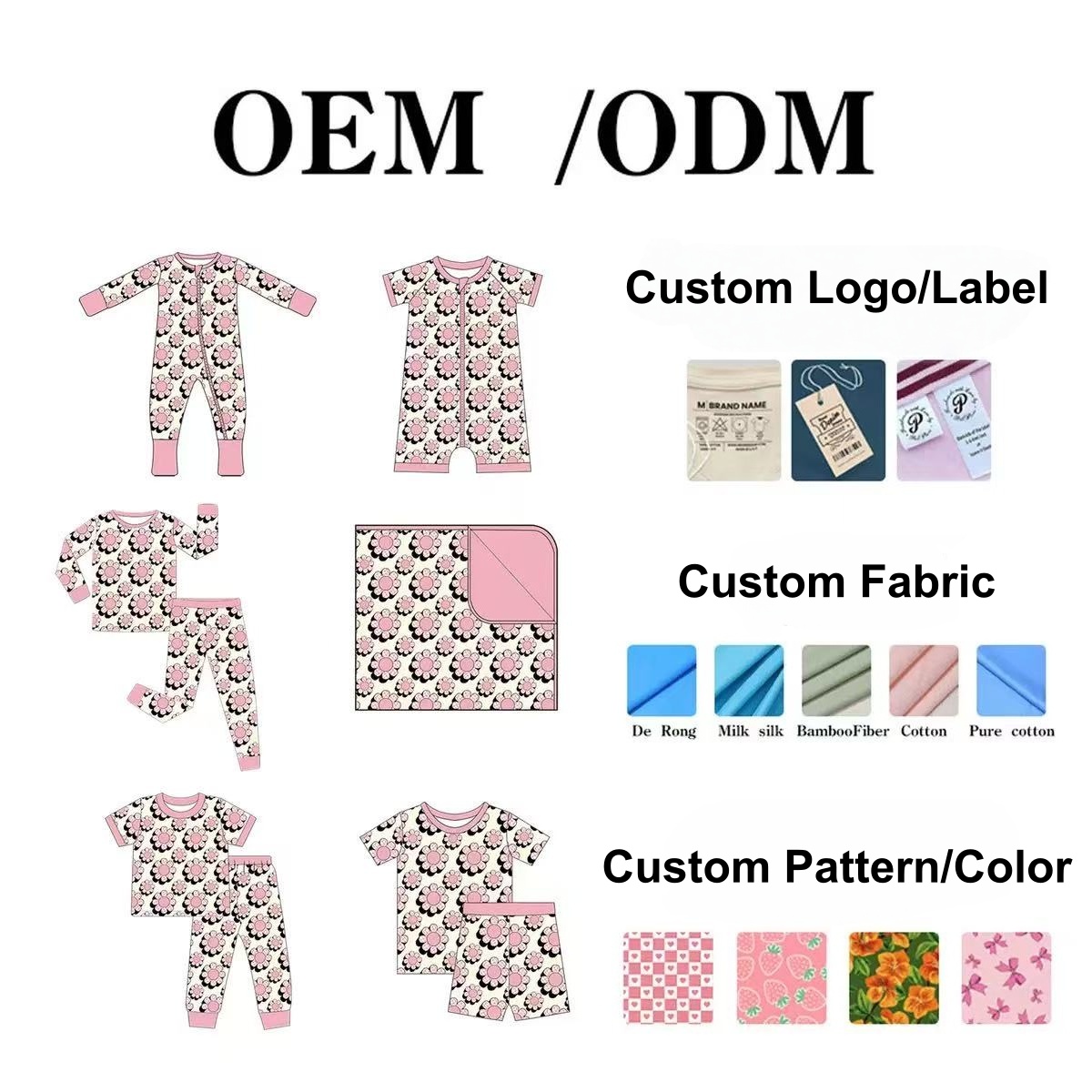 When venturing into baby clothing, choosing between OEM (Original Equipment Manufacturer) and ODM (Original Design Manufacturer) models can dramatically shape your brand’s trajectory. OEM focuses on producing custom-designed items based on your own specifications, granting you full control over the design and quality while leveraging the supplier’s manufacturing expertise. This path is ideal for brands eager to maintain a strong identity and offer exclusive designs that truly resonate with their target audience.
On the other hand, ODM providers deliver ready-made designs that can be personalized with your branding elements. This approach eliminates the need for in-house design resources and significantly shortens product growth cycles. It’s an attractive choice for startups or businesses aiming to test the market quickly without committing heavily to product innovation. However, customization options are somewhat limited compared to OEM, which might affect brand uniqueness in a saturated market.
| Aspect | OEM | ODM |
|---|---|---|
| Design Control | Full control, custom designs | Limited, uses existing designs |
| Time to Market | Longer, due to design creation | Shorter, ready-to-go options |
| Investment | Higher upfront design costs | Lower initial investment |
| Brand Uniqueness | Highly unique | Moderate uniqueness |
Deciding between OEM and ODM ultimately depends on your brand’s vision, resources, and timeline. While OEM champions originality and full brand expression in baby clothing, ODM offers a smart shortcut to market presence with less design risk. Balancing these factors will help you pick the path that best amplifies your brand’s voice in the competitive baby apparel world.
Evaluating Quality Control and Design Flexibility in Baby Apparel Production
 When it comes to baby apparel production, quality control plays a pivotal role in safeguarding both brand reputation and customer satisfaction. OEM manufacturers often adhere to stringent quality protocols set forth by the brand, ensuring the finished products meet exacting standards without deviation. However, this level of control can sometimes limit the scope for rapid alterations or innovation since designs are primarily driven by the client’s specifications.
Conversely, ODM providers usually offer greater design flexibility, delivering ready-made concepts that brands can customize to varying degrees. This integrated approach allows for quicker adaptation to market trends and consumer preferences, crucial in the dynamic baby clothing sector. Nevertheless, the trade-off may involve less hands-on involvement in the fine-tuning of quality checkpoints, as the ODM manages the production process end-to-end.
| Aspect | OEM | ODM |
|---|---|---|
| Quality Control | Brand-driven, highly customized checkpoints | Standardized with some variations based on design |
| Design flexibility | Dependent on client’s original design | Broad range of customizable prototypes |
| Speed to Market | Slower, due to detailed specifications | Faster with ready-to-modify templates |
To maximize quality without sacrificing creativity, brands might consider a hybrid approach - leveraging OEM’s precision for flagship lines, while exploring ODM innovations for seasonal collections. This balance ensures compliance with safety and comfort benchmarks, critical for infant wear, while inviting fresh, appealing designs to captivate end consumers and elevate the brand.
Cost Implications and Profit Margins for Brand Owners
Here’s a breakdown that highlights how these models affect costs and profit potential:
- OEM: Lower design costs, standard production fees, limited control over product differentiation.
- ODM: Higher design and development investment, specialized production costs, greater brand uniqueness and pricing power.
| Aspect | OEM | ODM |
|---|---|---|
| Initial Investment | Low | High |
| Product Customization | Limited | Extensive |
| Unit Production Cost | Medium | Varies (can be higher) |
| Profit Margin Potential | Moderate | Higher |
Ultimately, the choice between OEM and ODM shapes not only your budgeting strategies but also your brand’s positioning in the market. Brands seeking swift market entry with constrained budgets might gravitate toward OEM, while those aiming to carve out a niche with distinctive, high-value baby clothing will frequently find ODM’s higher margins worth the investment.
Strategies to Choose the Best Manufacturing Model for Your Brand Identity
Choosing between OEM and ODM manufacturing hinges on how closely you want to control your baby clothing’s design and branding elements. If your brand thrives on unique designs and you have a clear vision for your collections, an OEM model allows you to outsource production while retaining full creative control. This flexibility ensures your brand voice remains consistent, helping you carve out a distinctive niche in a competitive market.
Conversely, ODM can fast-track your time-to-market by leveraging the manufacturer’s existing designs and technical expertise. This model is perfect for brands that prioritize speed and cost-efficiency without compromising quality. By opting for ODM, you also gain access to a range of trendy styles that are factory-tested for comfort and durability-an essential factor in baby clothing.
- Brand Control: OEM empowers you to define every detail of design and material.
- Speed & Cost-Efficiency: ODM accelerates production with lower upfront design investment.
- Market Positioning: OEM suits luxury and niche markets; ODM fits mass-market strategies.
| Factor | OEM Advantages | ODM Advantages |
|---|---|---|
| Design Flexibility | High – Custom designs | Low – Pre-designed templates |
| Production Speed | Moderate – Longer setup | Fast – Ready-to-produce |
| Cost | Higher – Design & development | Lower – Reduced upfront cost |
| Brand Differentiation | Strong – Unique branding | Moderate – Limited uniqueness |
Maximizing Market Reach Through Tailored OEM and ODM Collaborations
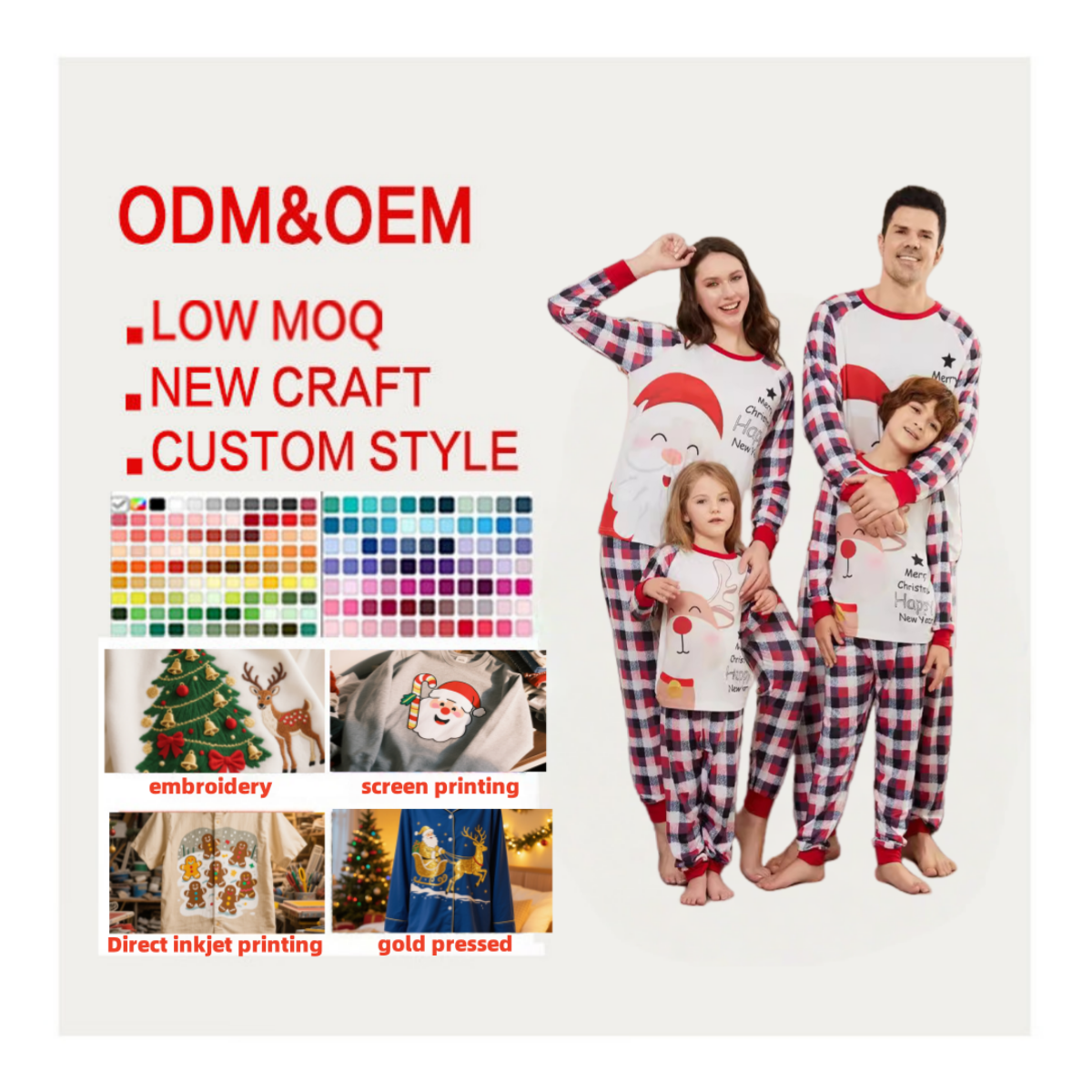 Unlocking new markets demands more than just a quality product-it requires strategic partnerships tailored to your brand’s vision. Collaborations with OEM (Original Equipment Manufacturer) partners allow brands to maintain control over design and marketing while leveraging the manufacturing expertise of established producers. This synergy creates a seamless pathway for brands eager to extend reach without the overhead of production infrastructure, making it ideal for companies with clear design concepts and strong brand identities.
On the other hand, ODM (Original Design Manufacturer) collaborations offer a unique advantage for businesses prioritizing speed to market and cost-efficiency. By partnering with ODMs, brands gain access to pre-designed, market-tested baby clothing lines that can be customized with minimal adjustments. This approach is especially useful when entering saturated markets or testing new demographics, offering quick turnaround times without sacrificing quality.
- OEM: Full design control, longer lead times, higher customization
- ODM: Faster time-to-market, reduced R&D costs, lower customization
| Collaboration Aspect | OEM | ODM |
|---|---|---|
| Design Ownership | Complete | shared/Predesigned |
| Product Development Speed | Moderate | Fast |
| Cost Efficiency | Higher | Lower |
| Brand Identity | Strong | Moderate |
Q&A
Q&A: OEM vs ODM Baby Clothing – Which Manufacturing Model Is Better for Your Brand?
Q1: What do OEM and ODM stand for in the baby clothing industry?
A: OEM means Original Equipment Manufacturer. It refers to a manufacturer that produces baby clothing based on your brand’s design specifications. ODM stands for Original Design Manufacturer, which means the manufacturer not only produces but also designs the baby clothes you sell, offering ready-made products that can be rebranded.
Q2: How do OEM and ODM differ in terms of design involvement?
A: With OEM, you retain full creative control-you provide the designs, materials, and specifications, and the manufacturer brings your vision to life. In contrast, ODM suppliers offer pre-designed baby clothing collections that you can customize with your branding, so your role in design is more about selection and minor tweaks.
Q3: Which model offers more control over product uniqueness?
A: OEM manufacturing gives you greater uniqueness since your designs are original and exclusive to your brand. ODM products, while often high-quality and trendy, may be available to multiple brands, which could reduce exclusivity.
Q4: What are the cost differences between OEM and ODM?
A: Generally, OEM can be more costly upfront because of the design development, sample creation, and smaller production runs tailored to your specs. ODM tends to be more cost-effective since designs and patterns are already developed, allowing faster production and lower minimum orders.
Q5: How do time-to-market considerations differ?
A: ODM is typically faster-you choose ready-made designs and get products more quickly, which can be ideal for brands needing to respond swiftly to market trends. OEM may take longer as it involves designing, prototyping, and refining before mass production.
Q6: Which model is better suited for startups versus established brands?
A: Startups might prefer ODM to reduce initial investment and launch faster with trendy baby clothing.Established brands aiming for a distinctive identity often lean towards OEM to build a signature style that sets them apart.
Q7: How do production minimums compare?
A: ODM suppliers frequently have lower minimum order quantities due to standardized designs. OEM manufacturers may require higher minimums to justify the costs of developing custom designs and samples.
Q8: What about quality control?
A: Both OEM and ODM manufacturers can deliver high-quality baby clothing, but with OEM, you can specify exact materials, stitchingand safety standards to meet your brand’s promise. With ODM, quality is consistent but aligned with the manufacturer’s existing standards.
Q9: Can a brand combine both OEM and ODM approaches?
A: Absolutely. Some brands start with ODM to test the market and then transition to OEM as they grow and want more control over design and differentiation.
Q10: How should a brand choose between OEM and ODM for baby clothing?
A: Consider your budget, timeline, design capabilities, and brand vision. If you want unique, tailor-made baby clothes and have the resources, OEM is a great choice. If you’re looking to save time and cost with access to trendy designs, ODM might be better. Ultimately, the best option aligns with your brand’s goals and the experience you want to offer your customers.
To Wrap It Up
Choosing between OEM and ODM for your baby clothing brand ultimately depends on your vision, resources, and desired level of involvement in the creative process. OEM allows brands to bring their own ideas to life through customized designs and manufacturing support, while ODM offers a more efficient approach with ready-to-adapt designs developed by experienced manufacturers.
As a trusted baby clothing manufacturer, Kabeier supports both OEM and ODM solutions, helping brands create high-quality children’s apparel with flexibility, craftsmanship, and reliable production expertise. By carefully evaluating your goals and choosing the right manufacturing model, you can build a stronger brand foundation—just like selecting the perfect fabric for a little one: thoughtful, intentional, and made with care.