
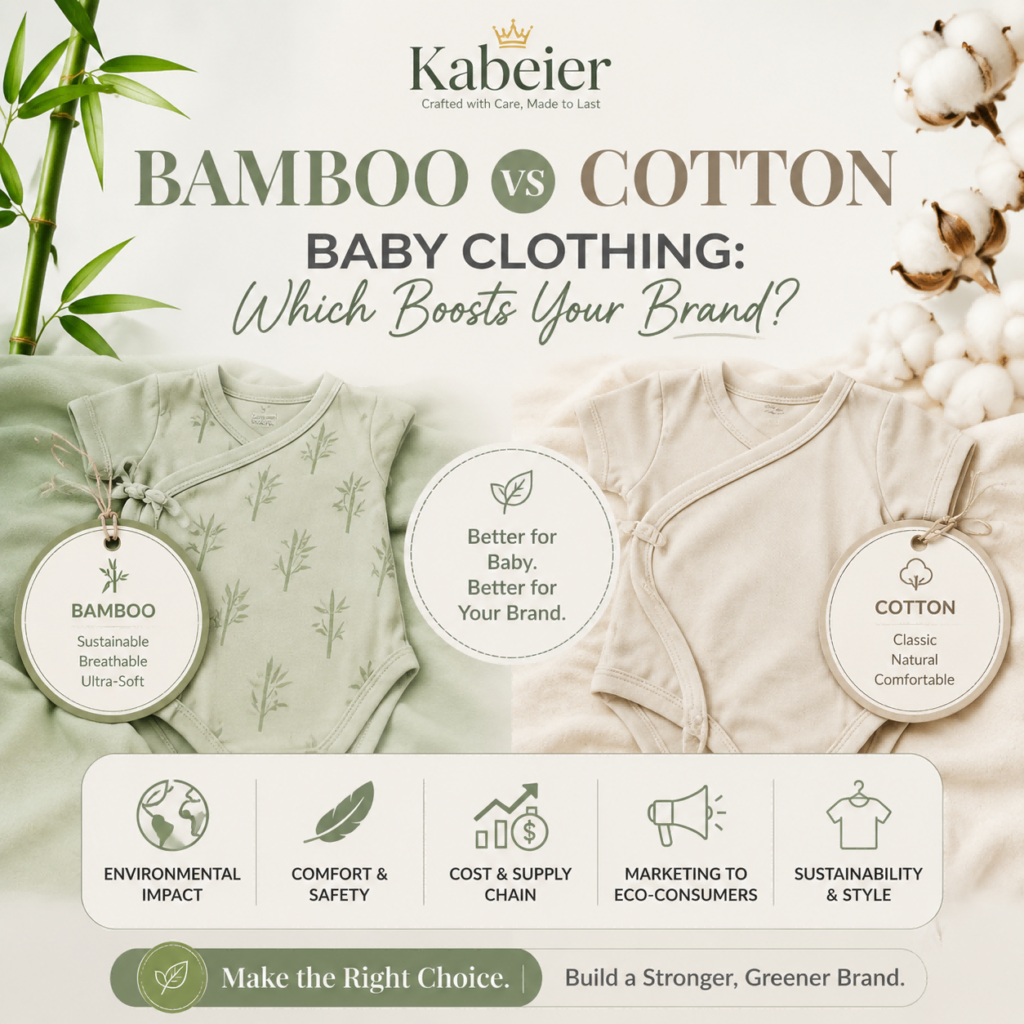
In the ever-evolving world of baby apparel, brands are continually seeking fabrics that balance comfort, sustainability, and consumer appeal. Two contenders frequently enough find themselves at the heart of this fabric face-off: bamboo and cotton. Each boasts unique qualities that cater to the delicate needs of infants while also aligning with brand values and market trends. But when it comes to choosing the better option for baby clothing lines, which fabric truly holds the upper hand? This article dives into the nuanced comparison between bamboo and cotton baby clothing, unpacking their benefits and challenges to help brands make an informed, thoughtful choice.
Table of Contents
- Understanding the Environmental Impact of Bamboo and Cotton Fabrics
- Evaluating Comfort and Safety Factors for Baby Skin
- Cost analysis and Supply Chain Considerations for baby Clothing Brands
- Marketing Strategies to Highlight Fabric Benefits to Eco-Conscious Consumers
- Balancing Sustainability and Style to Elevate Your Brand Identity
- Q&A
- In Summary
Understanding the Environmental Impact of Bamboo and Cotton Fabrics
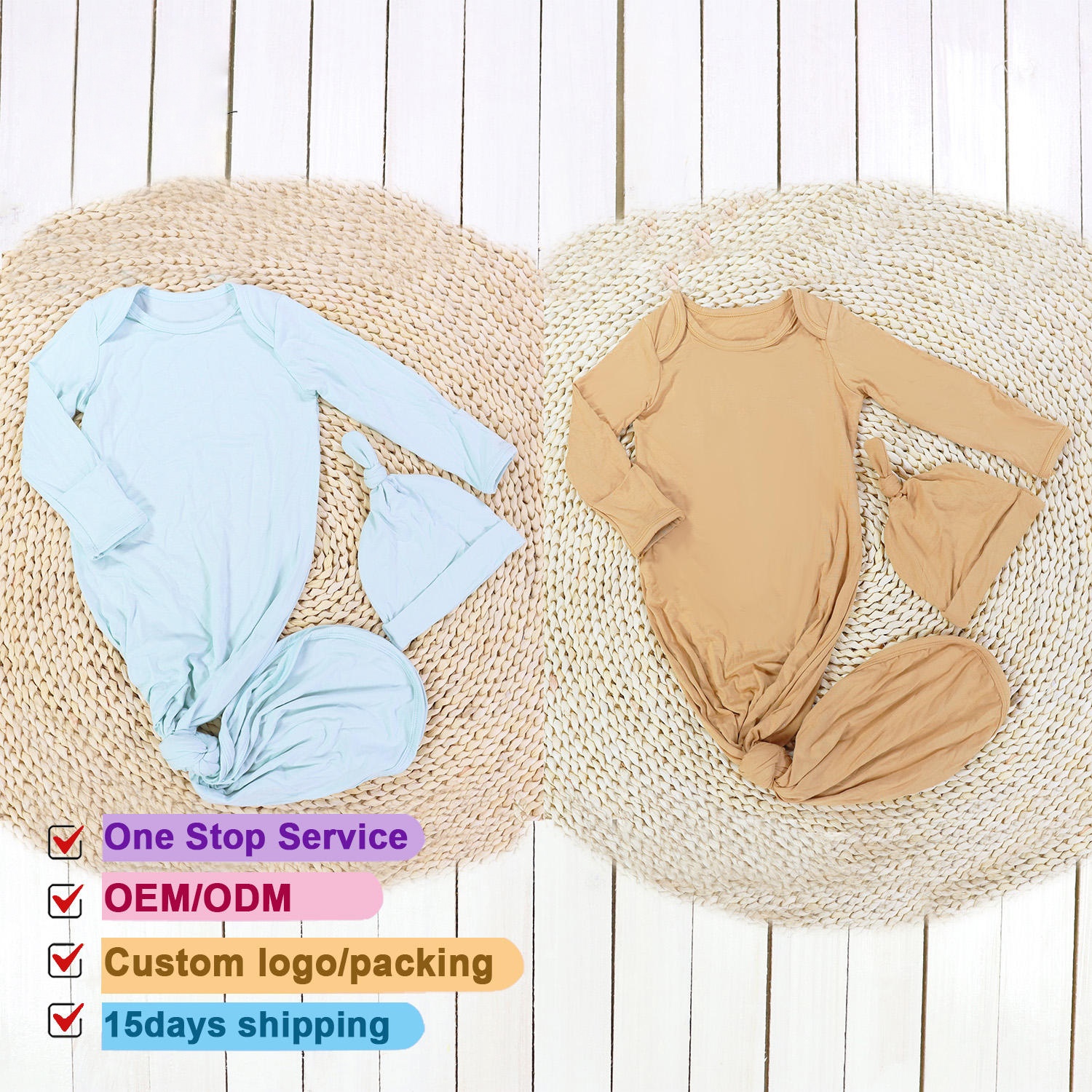 When choosing between bamboo and cotton for baby clothing, the environmental footprint of each fabric plays a crucial role. Bamboo is often heralded as a sustainable material due to its rapid growth rate and minimal need for pesticides or fertilizers. It requires significantly less water compared to cotton, which is a major advantage given the increasing concerns about water scarcity worldwide. Bamboo cultivation also helps improve soil health and prevent erosion, making it an eco-friendly crop that contributes positively to biodiversity.
On the other hand, cotton has a more complex environmental narrative. While organic cotton can mitigate some of the harms associated with conventional farming, cotton as a whole is known for its high water consumption and reliance on chemical inputs. The production process can lead to soil degradation and water pollution if not managed properly. Despite these challenges, cotton’s natural breathability and softness continue to make it a popular choice in baby apparel.
| Aspect | Bamboo | Cotton |
|---|---|---|
| Water Usage | Low | High |
| Pesticide Requirement | Minimal | Often high (except organic) |
| Soil Impact | Improves soil quality | Can degrade soil over time |
| Growth Speed | 3-5 years | 4-6 months |
| Carbon Footprint | Lower | Higher |
For brands aiming to boost their green credentials in the baby clothing market, understanding these environmental trade-offs is key. Bamboo’s regenerative qualities and low resource requirements make it a compelling option for eco-conscious businesses. However, clarity about sourcing and manufacturing practices remains essential to truly harness the fabric’s sustainability potential and appeal to ethically minded consumers.
Evaluating Comfort and Safety Factors for Baby Skin
Softness and breathability are paramount when it comes to baby clothing, as delicate skin demands gentle touch and ample airflow. Bamboo fabric naturally excels here, offering a luxuriously smooth texture that helps reduce skin irritation and overheating. In comparison, cotton provides solid breathability but can sometimes feel coarser depending on the weave, which might not suit every baby’s sensitive skin.
In evaluating safety, consider the material’s hypoallergenic qualities and the potential presence of chemicals from processing. Bamboo’s antibacterial properties make it a compelling choice, minimizing the chances of bacterial growth and odors without additional treatments. Cotton, especially when organic, is also a safe bet but may require more rigorous certification to ensure it’s chemical-free.
| Factor | Bamboo | Cotton |
|---|---|---|
| Softness | Silky smooth | Soft to moderate |
| Breathability | Excellent | Good |
| Hypoallergenic | Natural antibacterial | Varies, organic preferred |
| Moisture-wicking | Highly effective | Moderate |
Brands aiming to highlight comfort and safety can leverage these attributes by educating consumers on material benefits. Using bamboo may position your line as innovative and eco-conscious, while cotton’s familiarity ensures trust and tradition. Ultimately, understanding these nuanced differences helps craft a brand identity that resonates with parents prioritizing their baby’s wellbeing.
Cost Analysis and Supply Chain Considerations for Baby Clothing Brands
In contrast, cotton remains a staple fabric with a more established and streamlined supply chain. The widespread availability of cotton means lower raw material costs and a more reliable production timeline. However, fluctuations in cotton prices driven by agricultural factors and water usage concerns can have unpredictable effects on overall expenses.
- Bamboo Fabric: higher processing costs, growing supplier networks, longer lead times
- Cotton Fabric: Established supply chains, variable commodity prices, broad manufacturing base
| Factor | Bamboo | Cotton |
|---|---|---|
| Raw Material Cost | High | Moderate |
| Production Lead Time | Longer | Shorter |
| Supply Chain Stability | Emerging | Established |
| sustainability perception | Very Positive | Mixed |
Brands that choose bamboo need to account for potential supply chain scaling challenges but benefit from appealing to environmentally-conscious customers willing to pay more for greener products. Cotton-focused brands enjoy efficiencies but must navigate market pricing swings and growing scrutiny over environmental impact. Striking the right balance between cost, supply stability, and brand values is essential for long-term growth.
Marketing Strategies to Highlight Fabric Benefits to Eco-Conscious Consumers
 To capture the attention of eco-conscious parents, emphasize how each fabric aligns with their values and lifestyle. Highlight the sustainability aspects of bamboo, such as its rapid growth without pesticides and minimal water usage, alongside cotton’s long-standing natural appeal and biodegradability. Transparency in sourcing can build trust, so share stories or certifications that showcase your brand’s commitment to ethical production.
Leverage visual storytelling through:
- Infographics comparing carbon footprints and water consumption
- Behind-the-scenes videos of eco-friendly farming or factory practices
- Customer testimonials focused on comfort, breathability, and chemical-free assurance
| Feature | Bamboo | Cotton |
|---|---|---|
| Water Usage | Low | High |
| Growth Speed | Fast (3-5 years) | Slow (several months) |
| Softness & Comfort | Silky, hypoallergenic | Natural, breathable |
| Certifications | OEKO-TEX, GOTS | GOTS, USDA Organic |
Tailor your messaging to reflect the real-world benefits parents seek: durability for active toddlers, gentle textures for newborns’ sensitive skin, and peace of mind through eco-friendly production. Combining factual insights with emotional appeal creates a compelling narrative that not only educates but also inspires purchase decisions and brand loyalty among the mindful modern family.
Balancing Sustainability and Style to Elevate Your Brand Identity
However, cotton’s versatility and familiar texture continue to captivate consumers looking for timeless charm and affordability. By incorporating stylish patterns and modern cuts, cotton baby clothing can be transformed into chic wardrobe staples without sacrificing comfort or sustainability, especially when sourced organically. Finding the perfect balance means thoughtfully combining fabric choice with design innovation to elevate your brand’s identity.
| Factor | Bamboo | Cotton |
|---|---|---|
| Eco-Friendliness | High (fast-growing, less water) | Moderate (depends on farming practices) |
| Texture | Silky, smooth, breathable | Soft, cottony, classic |
| Care | Delicate wash, retains softness | Machine washable, durable |
| Brand Appeal | Modern, premium, eco-luxe | Trusted, versatile, affordable |
- Highlight sustainable sourcing in your marketing to resonate with conscious buyers.
- Experiment with design elements that showcase the unique textures of each fabric.
- Educate customers about the benefits-both environmental and tactile-of each option.
Q&A
Q&A: Bamboo Baby Clothing vs Cotton Baby Clothing – Which Is Better for Brands?
Q1: Why are bamboo and cotton the top contenders for baby clothing materials?
A1: Both bamboo and cotton are natural fibers renowned for their softness, breathability, and hypoallergenic qualities-features that make them ideal for a baby’s delicate skin. Brands frequently choose between these two as they balance comfort, sustainability, and market appeal differently.
Q2: What makes bamboo baby clothing stand out for brands?
A2: Bamboo fabric is prized for its silky softness and natural antibacterial properties. It’s also highly moisture-wicking and breathable, keeping babies cozy and dry. For brands, bamboo’s eco-friendly image-thanks to its rapid growth and lower pesticide use-can be a powerful marketing tool in an increasingly green-conscious market.
Q3: How does cotton baby clothing compare in terms of sustainability?
A3: Cotton is a classic choice with widespread consumer familiarity, but conventional cotton farming can be resource-intensive, requiring significant water and pesticide input. However, organic cotton offers a more sustainable option, appealing to eco-conscious consumers who prefer brands committed to reducing environmental impact.
Q4: Is there a cost difference between bamboo and cotton baby clothing?
A4: Generally, bamboo fabric tends to be more expensive due to its processing methods and relatively limited supply chain compared to cotton. Brands must weigh this cost against the premium value that bamboo’s unique qualities can bring to their product line.
Q5: How do consumers perceive bamboo versus cotton baby clothes?
A5: Cotton enjoys a long-established reputation for comfort and reliability, making it a safe, trusted choice for many parents. Bamboo, simultaneously occurring, is gaining traction among millennials and Gen Z shoppers who prioritize sustainability and innovative materials, though it might still be niche in some markets.
Q6: From a branding viewpoint, which fabric offers more storytelling potential?
A6: Bamboo’s sustainability narrative and modern feel provide rich storytelling avenues, positioning a brand as forward-thinking and eco-friendly. Cotton’s heritage and association with purity and simplicity also offer strong, timeless branding opportunities.
Q7: Are there any performance differences that matter to brands?
A7: Bamboo’s natural moisture management and antibacterial traits can offer a functional advantage in baby wear, reducing odor and irritation. Cotton’s durability and ease of care are appeal factors, ensuring longevity and convenience-qualities parents cherish.
Q8: What should brands consider when choosing between bamboo and cotton baby clothing?
A8: Brands need to assess their target audience, price positioning, sustainability goals, and supply chain capabilities. Bamboo suits brands aiming for innovation and eco-conscious consumers, albeit at higher costs, while cotton fits those valuing tradition, broad appeal, and cost-effectiveness.
Q9: Could hybrid fabrics be the future?
A9: Absolutely. Some brands experiment with bamboo-cotton blends to harness the best of both worlds-combining softness, breathability, sustainability, and affordability- to create versatile baby clothing that resonates across demographics.
Q10: In the battle of bamboo vs cotton, is there a clear winner for baby clothing brands?
A10: There isn’t a one-size-fits-all answer. Success depends on brand identity, consumer preferences, and market trends. Both fibers offer unique advantages, and savvy brands can carve distinct niches by understanding and leveraging what each fabric brings to the cradle.
In Summary
In the evolving landscape of sustainable fashion, the choice between bamboo and cotton baby clothing presents brands with a thoughtful decision. Each fabric carries its own story—bamboo with its eco-friendly appeal, silky softness, and breathable comfort, while cotton offers timeless reliability, natural texture, and trusted performance.
At Kabeier, we understand that selecting the right fabric is about more than materials—it’s about creating baby clothing collections that reflect a brand’s values, meet customer expectations, and deliver lasting quality. By carefully evaluating factors such as sustainability, comfort, cost, and supply chain needs, brands can make informed choices that support both their business goals and the well-being of little ones.
Whether choosing bamboo, cotton, or a thoughtful blend of both, the right fabric strategy can help brands create collections that combine style, comfort, and responsibility. Together, we can craft babywear that not only cradles babies with care but also contributes to a more sustainable future for generations to come.
👉 Partner with Kabeier for custom baby clothing solutions, from fabric selection and design development to sampling, production, and private label services.