
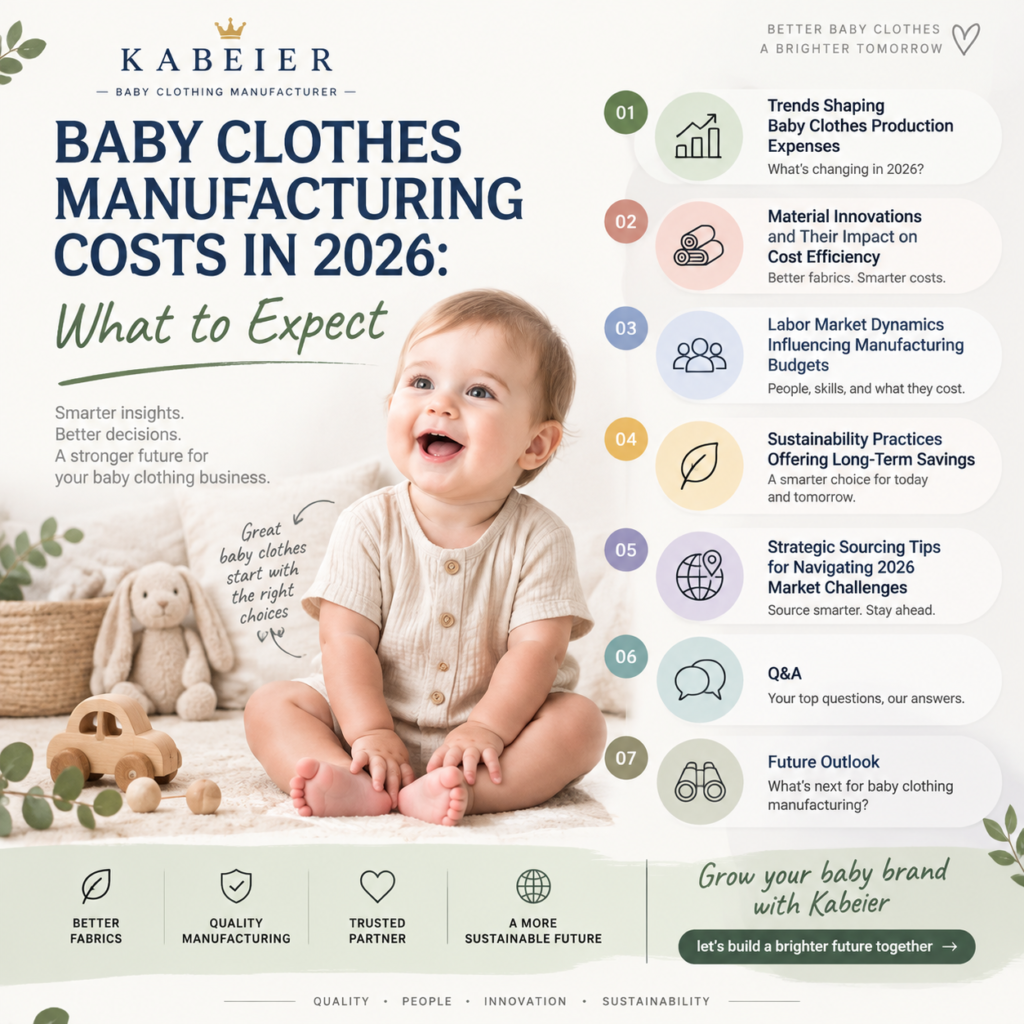
As the demand for baby clothes continues to grow, parents and entrepreneurs alike are keen to understand the costs behind creating these essential garments. In 2026, manufacturing baby clothes involves a complex interplay of materials, labor, technology, and sustainability considerations-each factor influencing the final price tag in subtle yet significant ways. This article delves into the evolving landscape of baby apparel production, unpacking the key elements that shape manufacturing costs and offering a clear view of what it truly takes to bring these tiny outfits from concept to closet.
Table of Contents
- Trends Shaping Baby Clothes Production Expenses
- Material Innovations and Their Impact on Cost Efficiency
- Labor Market Dynamics Influencing Manufacturing Budgets
- Sustainability Practices Offering Long-Term Savings
- Strategic Sourcing Tips for Navigating 2026 Market Challenges
- Q&A
- Future Outlook
Trends Shaping Baby Clothes Production Expenses
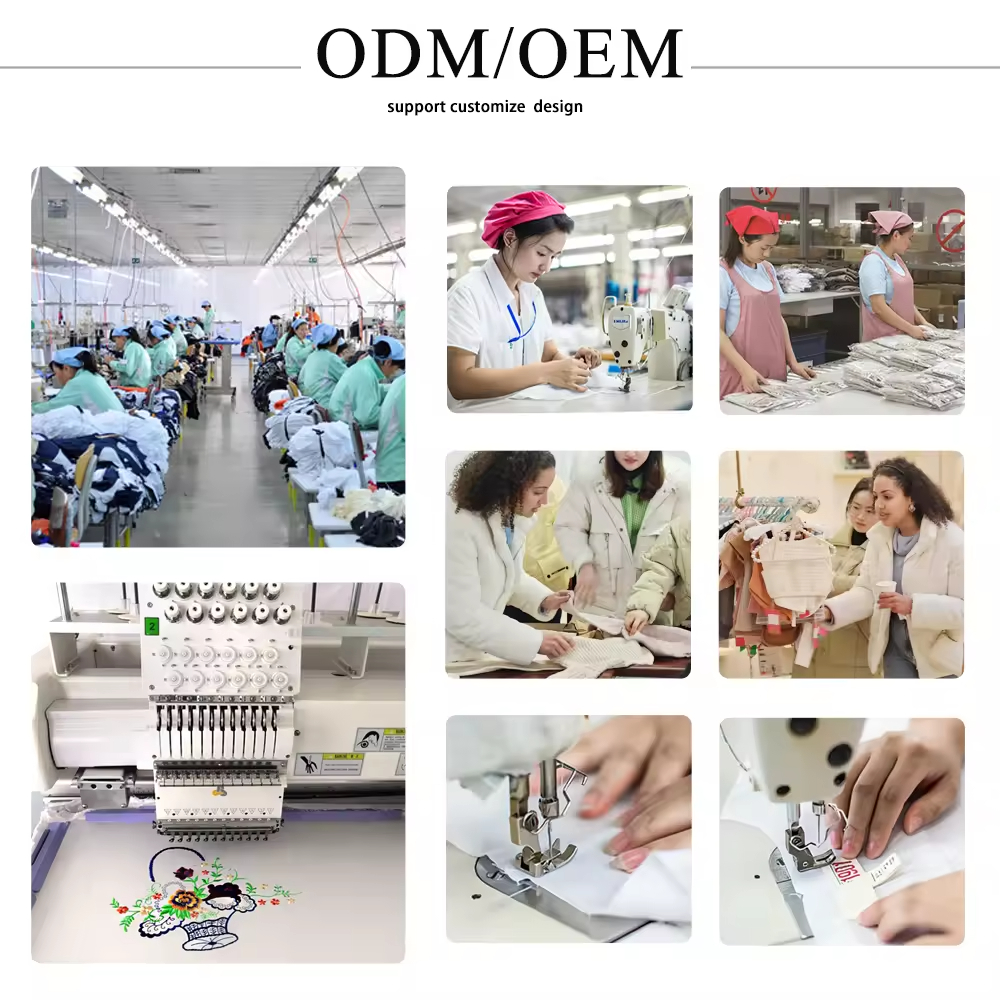 As the baby apparel industry evolves, several key dynamics are reshaping the financial landscape of production. One significant driver is the rising cost of raw materials. Brands increasingly favor organic cotton, bamboo fibers, and recycled textiles, which, while environmentally friendly, come with higher price points than conventional fabrics. This shift reflects a broader industry commitment to ethical manufacturing but also brings added expenses that manufacturers and retailers must strategically manage. Additionally, automation and smart manufacturing technology are becoming more prevalent, changing the cost structure. While initial investments in robotics and AI-driven quality control systems can be considerable, they tend to reduce labor costs and increase efficiency over time. Manufacturers who adopt these innovations often see a mid- to long-term decrease in per-unit costs, balancing out the upfront capital expenditures.
- Eco-friendly materials pushing raw material costs upward
- Automation balancing labor expenses
- Supply chain diversification to mitigate global disruptions
- Customization trends driving flexible production models
| Cost Factor | Current Impact | Expected Change by 2026 |
|---|---|---|
| Sustainable Fabrics | +15% | +25% |
| Automation Technology | Investment-heavy | Cost-saving over time |
| Labor Costs | Stable | Moderate decrease |
| Supply Chain | Volatile | More stable |
Material Innovations and Their Impact on Cost Efficiency
| Material Type | Average Cost per Yard ($) | Durability Rating (1-10) | Environmental Impact |
|---|---|---|---|
| Conventional Cotton | 7.50 | 6 | High |
| Enhanced Organic Cotton | 9.20 | 8 | Low |
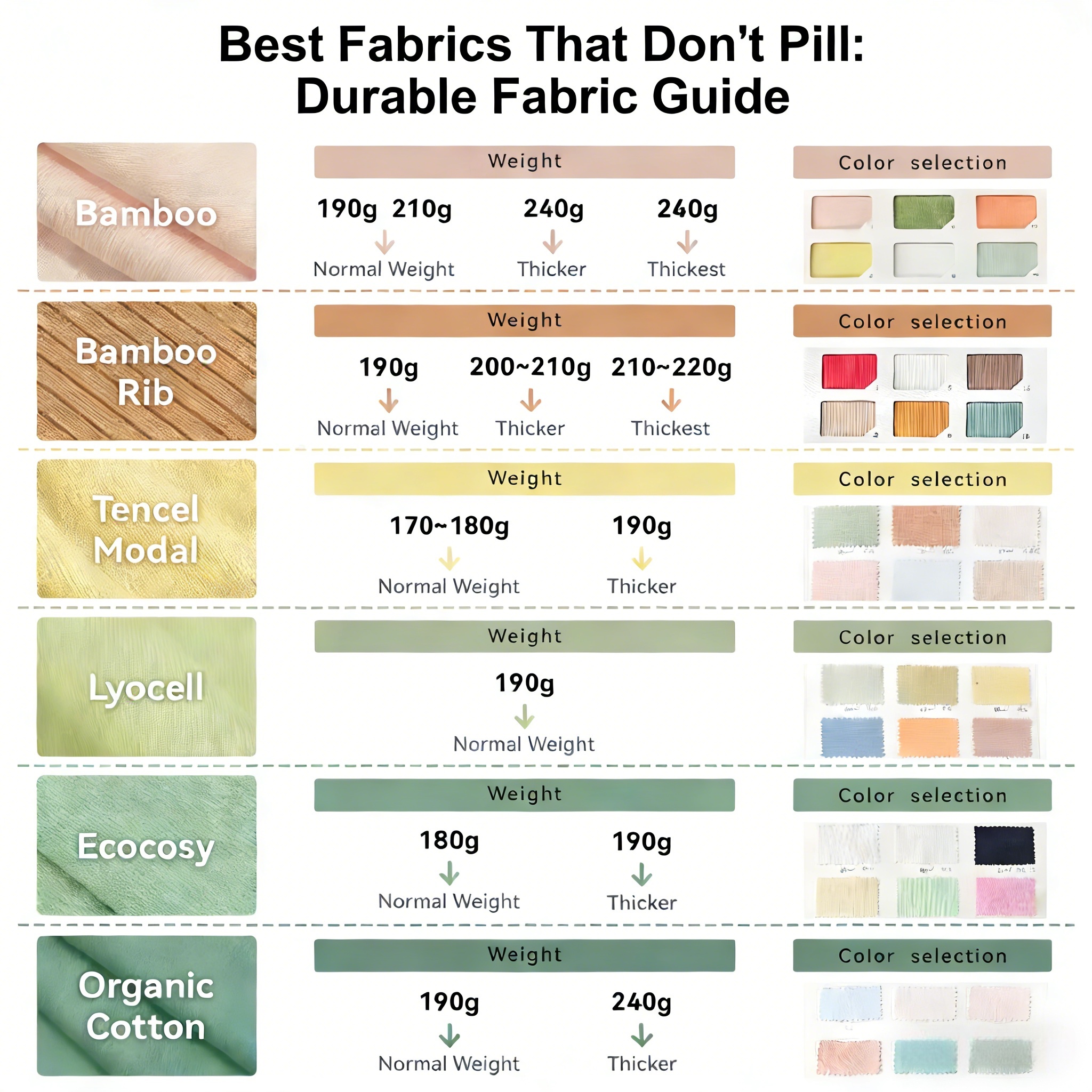
| Bamboo Blend | 8.30 | 7 | Low |
| Smart Textile | 10.00 | 9 | Moderate |
The shift toward these innovative textiles also encourages sustainable business practices. Manufacturers embracing these materials often benefit from reduced waste disposal fees, lower water usage, and increased brand loyalty from eco-conscious consumers. In an industry where margins are tight, such efficiencies can crucially influence overall manufacturing costs.
- Lower material waste due to advanced fabric durability
- Energy-efficient production methods tied to new fabric technologies
- Reduced need for chemical treatments and dyes
Labor Market Dynamics Influencing Manufacturing Budgets
- Wage increases: Anticipated to rise by 5-8% annually in key manufacturing regions
- Labor shortages: Potential delays in production cycles due to limited skilled workers
- Compliance costs: Growing due diligence for fair labor certification and audits
| Factor | Impact on Budgets | Expected Change (2025-2026) |
|---|---|---|
| Skilled Labor availability | Higher recruitment and training costs | +7% |
| Wage Inflation | Increased monthly payroll expenses | +6% |
| Regulatory Compliance | Additional administrative and audit costs | +4% |
Sustainability Practices Offering Long-Term Savings
| practice | Initial Cost | Estimated Annual Savings | Long-Term Benefit |
|---|---|---|---|
| Organic Cotton Sourcing | $15,000 | $4,500 | Higher product appeal & lower environmental impact |
| Solar Energy Installation | $50,000 | $12,000 | Reduced utility costs & energy independence |
| Water Recycling Systems | $20,000 | $5,000 | Conservation & lower water bills |
- Lower operational costs create room for competitive pricing
- Improved brand reputation leads to higher customer loyalty
- Regulatory compliance reduces risk of fines and disruptions
Strategic Sourcing Tips for Navigating 2026 Market Challenges
 In the face of rising raw material costs and unpredictable supply chains, a proactive approach to sourcing is more crucial than ever. Prioritizing partnerships with suppliers who demonstrate resilience and clarity can significantly mitigate risks. Consider leveraging local or regional manufacturers to reduce lead times and transportation expenses, which are anticipated to spike in 2026.implementing a diversified sourcing strategy also helps absorb market shocks. Rather than relying on a single supplier, create a pool of vetted manufacturers with complementary capabilities. This approach not only fosters competitive pricing but also enhances adaptability when demand surges or geopolitical tensions disrupt global logistics.
- Emphasize sustainable materials: Eco-friendly fabrics may have upfront costs but can attract premium market segments and reduce waste.
- Negotiate flexible contracts: Build clauses that accommodate price fluctuations without sacrificing supply security.
- Invest in technology: Use predictive analytics to forecast demand and optimize inventory, minimizing excess holding costs.
| Cost Factor | Expected change | Strategic Response |
|---|---|---|
| Raw Materials | +8% to +12% | Secure long-term contracts, explore alternatives |
| Labor | +5% to +10% | Partner with efficient manufacturers |
| Shipping & Logistics | +15% to +20% | Local sourcing, optimize shipment schedules |
Q&A
Q&A: How Much Does It Cost to Manufacture Baby Clothes in 2026?
Q1: What are the main factors influencing the cost of manufacturing baby clothes in 2026?
A1: Several factors impact the cost, including raw material prices (like organic cotton or recycled fibers), labor expenses, technological investments in production, regulatory compliance for safety standardsand shipping or logistics costs.Sustainability demands and ethical sourcing also play an increasingly significant role.
Q2: Has the price of raw materials for baby clothes increased or decreased in 2026?
A2: Raw material prices have generally seen a moderate increase. The growing demand for eco-friendly fabrics and certifications, combined with supply chain challenges, has driven up the cost of organic cotton and sustainable alternatives compared to conventional materials.
Q3: How does labor cost affect the overall manufacturing price?
A3: Labor remains a crucial component. In 2026, manufacturers that prioritize fair wages and safe working conditions may face higher labor costs, especially in regions with rising minimum wages. Automation helps offset some costs but requires upfront capital investments.
Q4: What role does technology play in the cost of producing baby clothes?
A4: Advanced technology such as automated cutting machines, 3D knitting, and AI-driven quality control can reduce waste and increase efficiency, balancing out some of the increased raw material and labor costs. However, the initial setup costs for these technologies can be significant.
Q5: Are there specific regulatory costs associated with manufacturing baby clothes?
A5: Yes. Baby clothes must comply with stringent safety standards related to fabric toxicity, choking hazardsand fire resistance. Certification processes and quality testing add to the manufacturing expenses but are essential for market access and consumer trust.
Q6: How much does it typically cost to produce a single piece of baby clothing in 2026?
A6: On average, manufacturing a simple baby garment might cost between $4 to $12 depending on fabric choice, production scaleand region. Premium or organic lines could be on the higher end due to the added material and compliance costs.
Q7: Will sustainability trends affect manufacturing expenses going forward?
A7: Absolutely. Sustainable practices often require investments in better materials, cleaner dyeing processesand clear supply chains. While these increase costs upfront, they may lead to long-term savings and stronger brand loyalty.
Q8: Can small manufacturers compete with large-scale producers on cost?
A8: Small manufacturers may face higher per-unit costs due to limited economies of scale but can carve niches through customization, local production, and sustainable practices that appeal to conscious consumers.
Q9: What strategies can manufacturers use to control costs without compromising quality?
A9: Efficient supply chain management, adopting emerging technologies, sourcing responsibly priced sustainable materials, and streamlining labor processes are common strategies. Additionally, investing in durable designs that reduce returns and waste can improve profitability.
Q10: How might consumer expectations shape the future costs of baby clothes manufacturing?
A10: As consumers increasingly demand ethical, safe, and eco-friendly baby clothes, manufacturers will need to balance these expectations with cost-effective production. Transparency and innovation will be key to meeting market demands while managing expenses.
Future Outlook
As the landscape of manufacturing continues to evolve, the cost of producing baby clothes in 2026 reflects a complex blend of materials, technology, labor, and sustainability efforts. While exact figures may vary depending on these factors, understanding the underlying elements helps businesses and consumers alike make informed decisions. Ultimately, the price tag of baby garments is more than just numbers-it’s a story of innovation, care, and the pursuit of quality in every tiny stitch.