
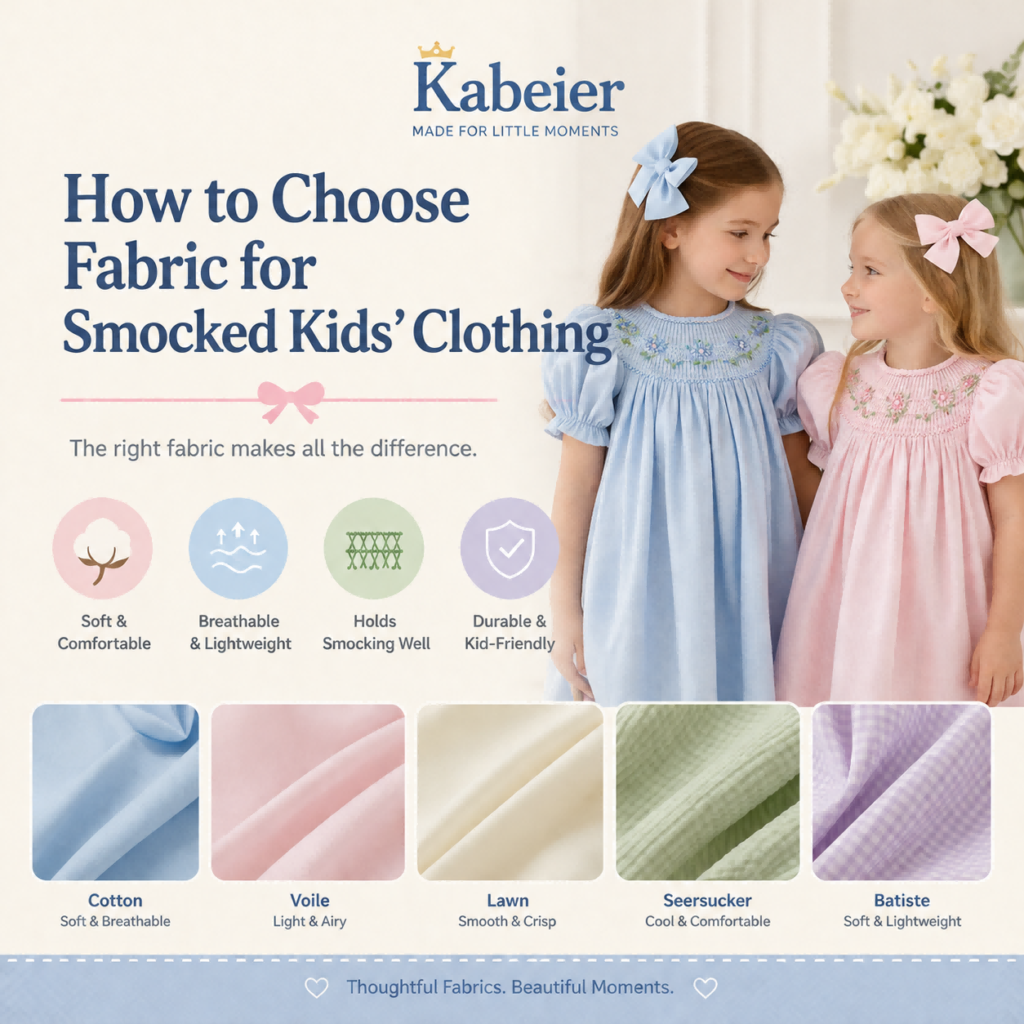
Choosing the right fabric for smocked children’s clothing is a little like setting the stage for a favorite story: the material must be gentle, durable, and ready to support every stitch of charm. Smocking adds texture, stretch, and personality, but the fabric beneath it does much of the quiet work. It affects how the garment drapes, how comfortably a child can move, and how well the decorative gathers hold their shape over time. From airy cottons to more structured woven fabrics, each option brings its own strengths and limitations. Understanding these differences makes it easier to select a fabric that balances beauty, comfort, and practicality- so the finished piece feels as delightful as it looks.
Table of Contents
- Understanding the Comfort Factor in Smocked Fabrics
- Choosing Breathable Textures for Active Young Wearers
- Balancing Durability and Delicate Detail in Everyday Garments
- Selecting Colors and Patterns That Enhance Smocking Design
- Matching Fabric Weight to Season and Occasion
- Q&A
- The Way Forward
Understanding the Comfort Factor in Smocked Fabrics
 Smocked fabrics feel comforting for kids because they move with the body instead of fighting against it. The gathered texture creates tiny pockets of ease, allowing air to circulate while still holding a neat shape. That balance makes smocked clothing especially appealing for active children who need outfits that can handle playtime, car ridesand naptime without becoming stiff or restrictive.
Softness is only part of the comfort story. The best smocked pieces also depend on fabric that has a gentle drape, a smooth hand feeland enough flexibility to support the embroidery or stitching without adding bulk. lightweight cotton blends, fine lawn, and breathable linen-cotton fabrics often work well because they keep the garment airy while still feeling polished. When choosing fabric, it helps to think about how it will behave after stitching, washingand repeated wear.
- Breathability: keeps little ones cooler during warm days
- Gentle texture: reduces irritation on sensitive skin
- Soft structure: supports smocking without feeling heavy
- Easy care: holds up well thru frequent washing
| Fabric Choice | Comfort Benefit | Best Use |
|---|---|---|
| Cotton Lawn | Light and airy | Everyday dresses |
| Linen Blend | Cool and soft | Warm-weather outfits |
| Cotton Voile | Feather-light feel | Special occasion wear |
Choosing Breathable Textures for Active Young Wearers
For lively little movers, fabric should feel like a second skin-light, flexibleand easy to breathe through. Soft cotton voile, airy double gauzeand fine linen blends are excellent choices because they help release heat while staying gentle against sensitive skin. Textures with a subtle surface give smocked pieces a charming finish without feeling stiff or heavy, making them ideal for busy days at school, playdatesor outdoor adventures.
- Lightweight weaves: keep movement easy and reduce cling
- natural fibers: improve airflow and feel cooler for longer wear
- Soft-touch finishes: prevent scratching during active play
- Low-bulk textures: help smocking drape neatly without adding weight
When choosing texture, think beyond appearance and consider how the fabric behaves in motion. A gently crinkled surface can hide everyday wrinkles and add a playful look, while a smooth hand feels crisp and polished for dressier occasions. Breathability, softness, and ease of care should work together so the garment stays agreeable from morning adventures to bedtime routines.
| Fabric | Feel | Best For |
|---|---|---|
| Cotton voile | Light, airy | Warm days |
| Double gauze | Soft, cloudlike | All-day comfort |
| Linen blend | Fresh, textured | Active outings |
Balancing Durability and Delicate Detail in Everyday Garments
Children’s clothing has to survive a surprising amount of motion: crawling, climbing, twirling, napping, and the occasional snack-time disaster.That’s why the best fabrics for smocked pieces are the ones that can hold their shape without feeling stiff. A smart choice usually blends structure with softness, giving the garment enough strength to keep the smocking crisp while still feeling gentle against sensitive skin. natural fibers such as cotton are often favored because they breathe well, wash easily, and stay comfortable through long days of wear.
At the same time, the smallest details deserve room to shine. Smocking looks its best when the fabric has a smooth,even surface that allows the stitching to stand out clearly. Lightweight woven fabrics tend to work beautifully because they support decorative gathering without collapsing into wrinkles or bulk. For everyday wear, aim for materials that feel light but not flimsy, so the garment moves easily but still looks polished after repeated use. A little texture can add charm, but too much weight can make the embroidery feel crowded.
| Fabric Trait | Everyday Benefit |
|---|---|
| Breathable | Keeps kids cooler |
| soft weave | Gentle on skin |
| Stable finish | Protects smocking shape |
- Choose fabrics with a smooth hand for cleaner smocking stitches.
- Look for durable fibers that can handle frequent washing.
- Avoid overly heavy materials that may flatten delicate design work.
- Test the drape to find the sweet spot between flow and firmness.
For garments meant to be worn often, the ideal fabric behaves like a quiet partner: supportive, dependableand capable of making the detailing appear effortless. When durability and delicacy work together, the result is a piece that can handle busy childhood days while still carrying the polished charm that makes smocked clothing feel special.
Selecting Colors and Patterns That Enhance Smocking Design
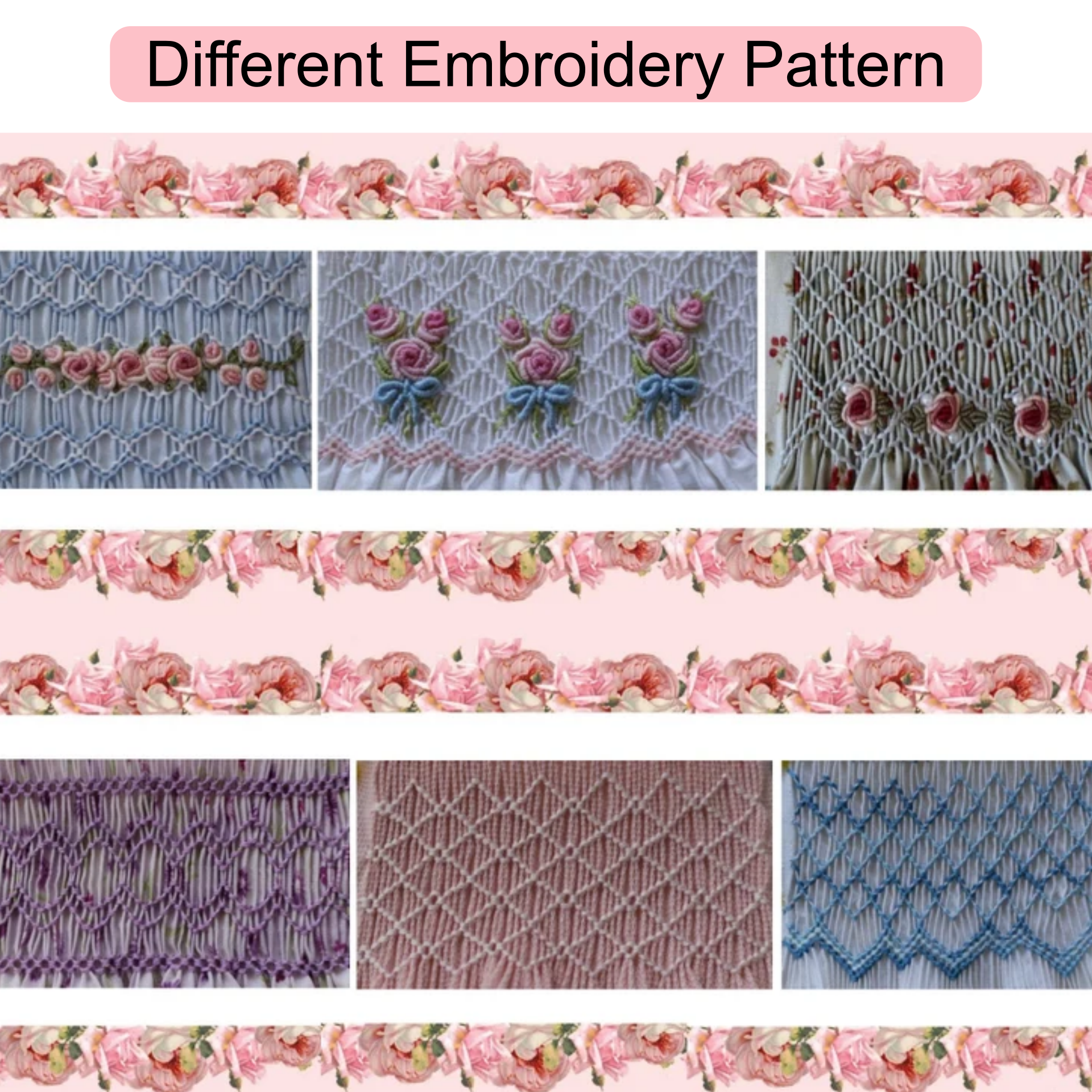 Soft, thoughtfully chosen hues can make smocking look even more delicate and dimensional. Pastels, dusty jewel tonesand warm neutrals tend to highlight the texture of gathered stitches without overwhelming the garment, while brighter shades work best when the fabric has a smooth, even finish that keeps the design crisp. For a polished effect, balance the embroidery thread against the base fabric: light thread on deeper fabric creates a refined contrast, while tone-on-tone palettes offer a quieter, heirloom feel.
Patterns deserve the same attention, as busy prints can compete with the careful rhythm of the smocking.Small-scale motifs, tiny floralsand subtle checks usually support the stitched detail better than oversized graphics. If the fabric has movement,choose a pattern with breathing room so the design stays visible across the front panel. A useful way to compare options is to think in terms of visual weight:
| Fabric Look | Effect on Smocking |
|---|---|
| Solid color | Shows stitch detail clearly |
| Mini print | Adds charm without distraction |
| Bold pattern | Best on simple, wide smocking |
For a child-friendly finish, consider combinations that feel cheerful but not chaotic: soft gingham with white stitching, tiny rose prints with blush threador clean linen-look cotton with colored embroidery. When the fabric, threadand pattern echo one another, the garment feels intentional and elegant, even in playful styles. A subtle contrast frequently enough photographs beautifully, which makes the smocking stand out in the most charming way.
Matching Fabric Weight to Season and Occasion
Fabric weight can quietly shape how comfortable and polished smocked clothing feels throughout the year. For warm-weather pieces, choose lightweight fabrics that breathe easily and drape softly, helping children stay cool while still showing off the delicate texture of smocking. In cooler months, a slightly heavier cloth adds warmth and structure, making the garment feel more considerable without losing its charm.The goal is to let the fabric work with the season rather than against it, so the outfit feels pleasant from morning playtime to late-afternoon outings.
- Spring and summer: airy cotton voile, lawnor gauze for softness and breathability
- Autumn: midweight cotton blends that add a little warmth and hold shape well
- Winter: brushed cotton, flannel, or corduroy for a cozy, tailored finish
- Special occasions: crisp fabrics with gentle structure for a neat, elegant silhouette
| Occasion | Best Weight | Fabric Idea |
|---|---|---|
| Everyday wear | Light | Cotton lawn |
| Birthday party | Medium | Poplin |
| Holiday gathering | Medium-heavy | Brushed cotton |
| Formal portrait | Light-medium | Crisp voile |
Occasion also matters as much as temperature. A fabric that moves easily is ideal for active days, while a slightly firmer weave can create the clean lines often desired for celebrations and photos. Balance comfort, drapeand structure so the garment suits both the moment and the child wearing it. When the weight is chosen thoughtfully, the smocking becomes more than decoration-it becomes part of the fabric’s natural rhythm.
Q&A
Q&A: How to Choose Fabric for Smocked Children’s Clothing
Q: Why does fabric choice matter so much for smocked children’s clothing?
A: Fabric is the foundation of both comfort and appearance in smocked clothing. Since smocking gathers and shapes the fabric, the material needs to support the decoration while staying soft, breathableand durable for children’s everyday wear.
Q: What fabrics are best for smocked children’s clothing?
A: Lightweight natural fabrics are often the best choice. Cotton, cotton blends, lawn, voileand similar breathable materials work well because they hold smocking beautifully and feel comfortable on delicate skin.
Q: Is cotton always a good option?
A: Cotton is one of the most popular options because it is soft, easy to sewand comfortable in many seasons. However, not all cottons behave the same. A tightly woven, medium-weight cotton usually gives better results than a fabric that is too thin or too stiff.
Q: Should I avoid stretchy fabrics?
A: In most cases, yes. Smocking is traditionally designed for woven fabrics rather than stretchy knits. Fabrics with too much stretch may distort the gathers and reduce the crisp, decorative effect smocking is known for.
Q: How crucial is fabric weight?
A: Fabric weight is very important. If the fabric is too heavy, the smocking may look bulky and feel uncomfortable. If it is indeed too light, it may not gather neatly or hold its shape. A balanced, medium-light fabric is usually ideal.
Q: What should I consider for comfort?
A: Comfort should come first in children’s clothing. Look for soft textures, breathable fibersand fabrics that won’t irritate the skin. As children move constantly, the fabric should also allow freedom without feeling scratchy or stiff.
Q: Does the season affect fabric choice?
A: Yes. For warm weather, breathable cottons, lawnand voile are excellent choices. For cooler seasons,you might choose slightly heavier fabrics that still remain soft and flexible, such as brushed cotton or lightweight chambray.
Q: How does fabric color or print affect smocking?
A: Smocking frequently enough looks especially charming on small prints, gingham, solid colorsor subtle patterns. Very busy prints can distract from the stitching detail, while simpler designs help the smocking stand out as part of the garment’s artistry.
Q: Can I use linen for smocked children’s clothing?
A: Linen can work well if it is soft and not too heavy. It has a natural texture and elegant appearance, but it wrinkles easily. For a polished yet relaxed look, linen blends may be a practical choice.
Q: What fabrics should I avoid?
A: Very slippery, overly heavy, or highly stretchy fabrics can be tough to smock and may not drape well in children’s garments. Fabrics that are rough to the touch or poorly breathable are also less suitable for young wearers.
Q: How can I test a fabric before making the garment?
A: A simple way is to gather a small sample and see how it behaves. Check whether it puckers neatly, holds stitching well, and feels comfortable against the skin. Testing can save time and help ensure the final garment looks and wears beautifully.
Q: What is the best rule of thumb when choosing fabric?
A: Choose a fabric that balances beauty, comfort, and structure. In smocked children’s clothing, the best fabric is frequently enough the one that lets the handwork shine while keeping the child relaxed, free, and comfortable throughout the day.
The Way Forward
Choosing the right fabric for smocked children’s clothing is where comfort meets craftsmanship. At Kabeier, we believe the perfect fabric should enhance the delicate beauty of smocking while keeping little ones comfortable, free to move, and ready for every special moment.
Softness, breathability, durability, and easy care all play an important role in creating high-quality children’s wear. From crisp cottons to lightweight fabrics and gentle blends, every material is carefully selected to achieve the perfect balance of timeless charm and everyday practicality.
With years of experience in smocked and embroidered kids’ clothing, Kabeier helps brands create garments that combine classic style, superior comfort, and lasting quality.
Looking for reliable fabric solutions and custom children’s clothing production? Contact Kabeier today to bring your designs to life.