
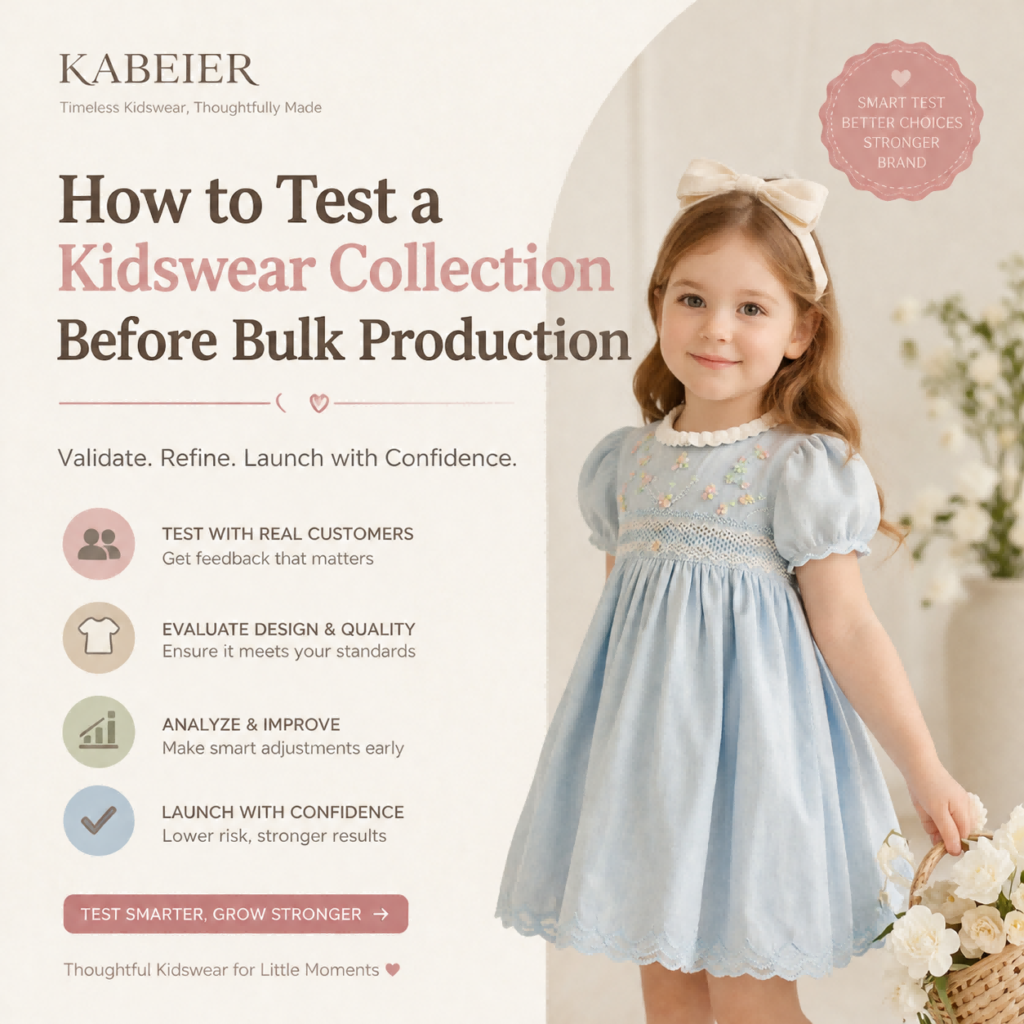
Before a new kids’ wear collection hits the racks and captures the imaginations of little trendsetters everywhere, it undergoes a crucial journey behind the scenes. Testing a collection before bulk production isn’t just a step in the process-it’s the gateway to ensuring quality, comfort, and style come together perfectly. From fabric feel to fit checks, and from safety assessments to real-world wear trials, this phase determines whether the designs will delight both children and parents alike. In this article, we explore effective ways to thoughtfully test a kids’ wear collection, helping brands fine-tune their creations and confidently step into the production spotlight.
Table of Contents
- Understanding Fabric Safety and Comfort Standards
- Designing Practical Fit Tests for Growing Kids
- Conducting Durability and Wearability Trials
- Engaging Parents and Kids for Authentic Feedback
- Analyzing Prototype Data to Refine Your Collection
- Q&A
- Insights and Conclusions
Understanding Fabric Safety and Comfort Standards
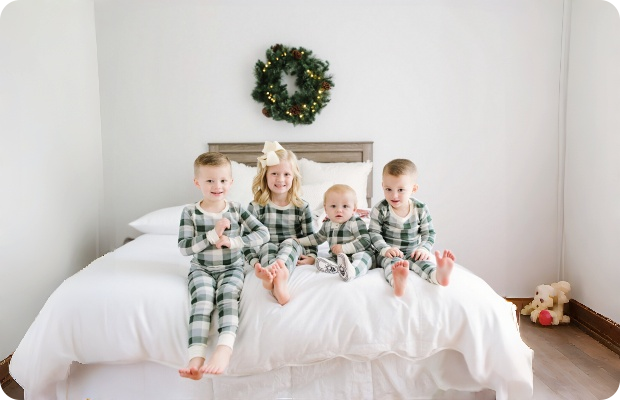 When selecting materials for a kids’ wear collection, it’s essential to prioritize both safety and comfort to ensure garments meet stringent quality requirements. Fabrics designed for children must pass rigorous standards that check for harmful substances, breathability, and skin-friendliness. Testing for chemical residues, such as formaldehyde and heavy metals, guarantees the kid’s health is never compromised, while evaluating the fabric’s hypoallergenic properties minimizes the risk of allergic reactions.
Comfort is equally critical. Kids are constantly active, which demands fabrics with adequate stretch, moisture-wicking capabilities, and softness. Incorporate physical tests such as rubbing, wear, and wash cycles to observe how textiles hold up over time and maintain their feel. Below is a fast reference table highlighting key safety and comfort attributes to include in your testing protocol:
| attribute | Test Method | Standard/Requirement |
|---|---|---|
| Chemical Safety | Laboratory Toxicology Screening | OEKO-TEX Standard 100 |
| Skin Sensitivity | patch Test | Non-Irritant |
| Breathability | Air Permeability Test | > 10 L/m²/s |
| Durability | Martindale Abrasion Test | Min. 20,000 Rubs |
| Comfort | Hand Feel Assessment | Soft & Stretchable |
By integrating these detailed evaluations early in the design phase, you significantly reduce risks before bulk production, ensuring your kids’ wear is both safe to wear and a joy to move in.
Designing Practical Fit Tests for Growing Kids
Consider incorporating the following test criteria to ensure your garments transition seamlessly from prototype to production:
- Growth allowance: Account for rapid growth spurts by including adjustable features or stretch fabrics.
- Durability under strain: Check seams and fabric strength where kids typically put the most stress, like knees and elbows.
- Ease of wear: Make sure kids can easily put on and remove pieces independently.
| Test Aspect | Key Focus | Evaluation Method |
|---|---|---|
| Fit Accuracy | Freedom of movement | Observe during active play |
| Comfort | No irritation or tightness | Parent and child feedback |
| Durability | Seam integrity & fabric wear | Repeated wear & wash cycles |
| Functionality | ease of use | Child-led dressing tests |
Conducting Durability and Wearability Trials
 To ensure your kids’ wear stands up to the energetic lifestyles of children, it’s crucial to put each piece through rigorous durability and wearability trials. These tests simulate real-world conditions, from playground tumbles to multiple washes, helping identify weak points in fabric, stitching, or fastenings before production ramps up. Key aspects to focus on include seam strength, colorfastness, and elasticity retention, all of which contribute to a garment’s lifespan and comfort for active youngsters.
Engaging children directly in wearability trials can be profoundly insightful. Observe how they interact with the clothing during play, noting any restrictions in movement or discomfort. Are buttons too fiddly? Does the fabric irritate sensitive skin? Collating feedback during these hands-on sessions allows for valuable refinements, ensuring the final product is not only durable but also loved by kids and parents alike.
| Test Type | Purpose | Key Metrics |
|---|---|---|
| Abrasion Resistance | Measure the fabric’s ability to withstand wear from friction | Cycles to fabric breakdown |
| Seam Strength | Test the durability of stitching under stress | Seam failure load (Newtons) |
| Fit and Comfort | Assess ease of movement and wearer satisfaction | Feedback from trial participants |
- Multiple wash cycles: mimic household laundry to assess color and shape retention
- stretch tests: ensure elasticity for active movements
- Fastener functionality: verify ease of use for both kids and caregivers
Engaging Parents and Kids for Authentic Feedback
To ensure your kids’ wear collection resonates with the little ones and their caregivers, inviting both parents and children into the feedback loop is invaluable. Children aren’t just passive consumers-they have unique preferences, comfort needs, and playful imaginations that directly impact how they perceive clothing. Create a relaxed, playful environment where kids can interact freely with prototypes, allowing their authentic reactions to shine through rather than scripted feedback.
Parents hold a critical vantage point on practicality, sizing, fabric feel, and durability, aspects frequently missed when focusing solely on design aesthetics. consider hosting small, guided home trials or interactive sessions where parents can observe their child’s wear experience and share insights. Combining observations from both children and parents uncovers a holistic understanding of what works and what doesn’t, helping you fine-tune every detail before scaling production.
- Encourage children to describe how the clothes make them feel during playtime.
- Ask parents specific questions about garment care and comfort in daily routines.
- Document spontaneous comments and nonverbal cues for a richer feedback pool.
Analyzing Prototype Data to Refine Your Collection
Once your prototypes are in the hands of testers-whether parents, kids, or focus groups-the real insights begin to surface. Collecting and analyzing this data goes beyond simple approval rates; it’s about understanding how each design element performs in real-life scenarios. Pay close attention to feedback on fit, fabric comfort, and ease of wear, as these are pivotal factors in kidswear. By categorizing responses, patterns emerge that highlight which features delight or disrupt your little consumers.
Key aspects to evaluate include:
- Durability during active play
- Ease of dressing and undressing
- Fabric breathability and softness
- Visual appeal based on kids’ preferences
To systematically prioritize changes, a simple scoring system can be invaluable. Below is an example, using user feedback rated on a scale from 1 (poor) to 5 (excellent):
| Aspect | Fit | Comfort | Durability | Design Appeal |
|---|---|---|---|---|
| Average Score | 4.2 | 4.5 | 3.8 | 4.0 |
Use these insights not only to fix flaws but also to amplify successful elements. This data-driven refinement ensures your final collection isn’t just visually appealing but also truly functional and kid-kind, paving the way for a smoother bulk production process.
Q&A
Q&A: How to Test a New Kidswear Collection Before Bulk Production
Q1: Why is it vital to test a kids’ wear collection before going into bulk production?
A: Testing allows designers and brands to identify potential issues-whether in fit, fabric durability, safety, or appeal-before committing large resources. It helps ensure the collection meets both quality standards and customer expectations, reducing costly mistakes and returns down the line.
Q2: What are the first steps to take when testing a new kids’ wear line?
A: Start by creating detailed prototypes or samples of your collection. These initial pieces should represent the final product as closely as possible in materials and construction.Once you have these samples, you can conduct fit trials, material testing, and gather early feedback from trusted sources.
Q3: Who should be involved in the testing process?
A: Testing should involve a combination of stakeholders: kids (the end-users) for comfort and style feedback, parents or caregivers for practicality and safety checks, as well as internal teams such as designers, quality control, and marketing to assess production feasibility and market appeal.
Q4: How can you effectively gather feedback from kids and parents?
A: Organize fitting sessions or focus groups where kids wear and interact with the clothes in real-world settings. Use questionnaires or casual interviews with parents to understand their viewpoint on fit, ease of use, fabric feel, and design. Visual feedback through photos or videos can also be insightful.
Q5: What types of tests should be conducted on kids’ wear fabrics and materials?
A: Conduct fabric performance tests such as wash-and-wear cycles, colorfastness, shrinkage, and stain resistance. Safety tests are crucial too-check for any choking hazards, non-toxic dyes, and compliance with children’s clothing regulations.
Q6: How can digital tools enhance the testing phase?
A: Digital prototyping and 3D fitting technologies can speed up iterations without producing multiple physical samples. Virtual try-ons or augmented reality previews offer a practical way to gauge size and styling before physical testing, saving both time and costs.
Q7: When is it appropriate to move from testing to bulk production?
A: Once the collection has passed fit, safety, and fabric durability tests and feedback indicates strong acceptance from kids and parents, it’s time to finalize technical specs and place bulk orders. Ensure all quality control checklists are in place to maintain consistency.
Q8: What common pitfalls should brands avoid when testing kidswear collections?
A: Avoid rushing to bulk production without thorough user testing, overlooking minor fit issues that can affect comfort, and neglecting safety compliance. Also, don’t rely solely on adult opinions-children’s input is vital since they’re the actual wearers.
Q9: Can small test production runs be helpful?
A: Absolutely. Small batch runs serve as a real-world test of manufacturing processes and quality consistency. They can highlight potential production bottlenecks or defects that weren’t apparent in sample stages.
Q10: How does testing impact the overall success of a kids’ wear collection?
A: Proper testing enhances product reliability, customer satisfaction, and brand reputation. It can lead to higher sales, fewer returns, and stronger loyalty, making it a crucial step in launching a successful kidswear line.
Insights and Conclusions
Testing a new kidswear collection before committing to bulk production is a crucial step in ensuring quality, comfort, and market appeal. At Kabeier, we help brands validate designs through prototype sampling, quality evaluation, and real-world feedback before moving into full production.
By refining details early, improving fit and craftsmanship, and reducing production risks, we help transform creative ideas into timeless kidswear collections that children love and parents trust.
Ready to test your next kids’ wear collection? Contact Kabeier today to discuss your custom design and production needs.