
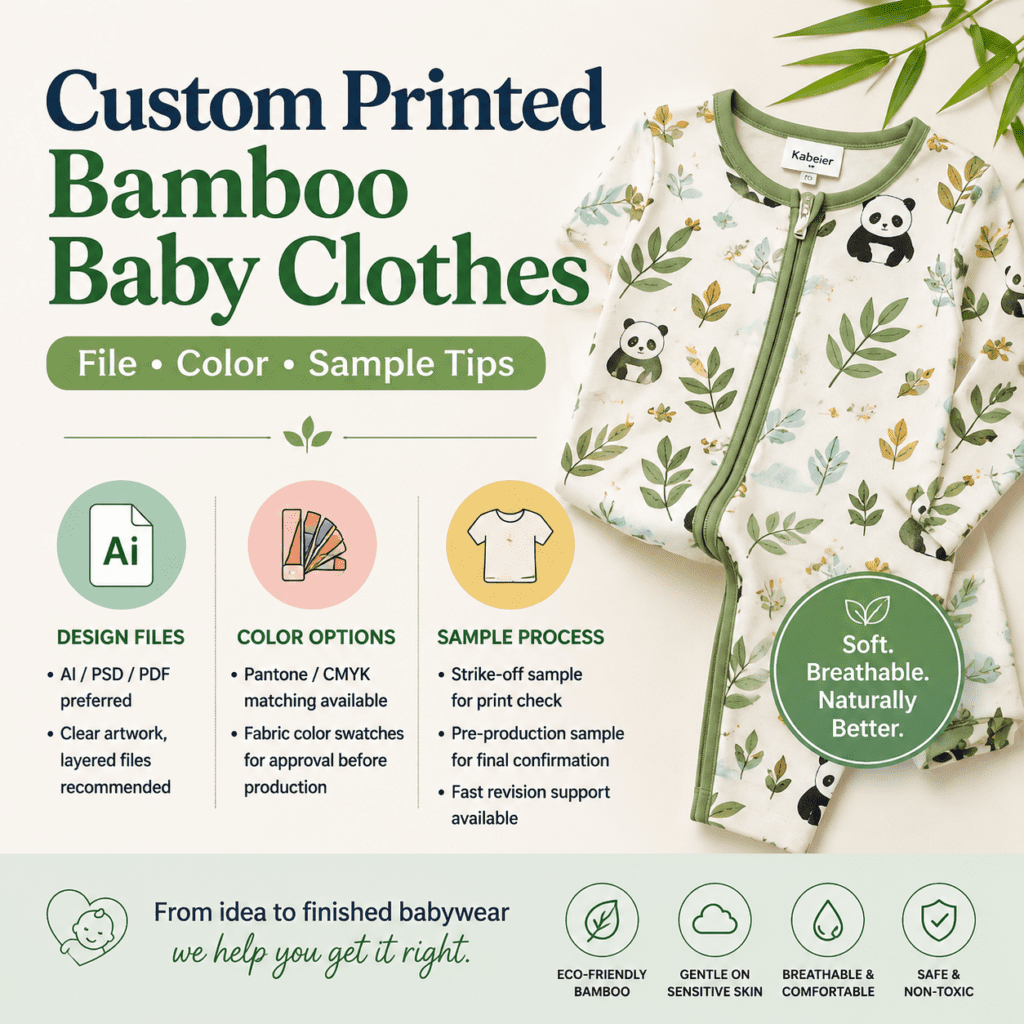
In the world of enduring fashion, bamboo baby clothes are steadily emerging as a favorite choice among eco-conscious parents and designers alike. Combining the softness of bamboo fabric with the charm of personalized prints opens up a delightful avenue for creativity and comfort. Yet, bringing custom designs to life on these gentle garments requires more than inspiration-it calls for thoughtful attention to file readiness, color selection, and sampling processes. This article dives into essential tips for navigating these key areas, ensuring your custom-printed bamboo baby clothes not only look lovely but also feel just right for the tiniest wearers.
Table of Contents
- Choosing the Perfect File Formats for Crisp Custom Prints
- Exploring color Selection for Vibrant and Safe Baby garments
- Sample Testing Strategies to Ensure Quality and Comfort
- Balancing Design Creativity with Fabric Limits
- Tips for Achieving Long-Lasting Prints on Bamboo Baby Clothes
- Q&A
- Final Thoughts
Choosing the Perfect File Formats for Crisp Custom Prints
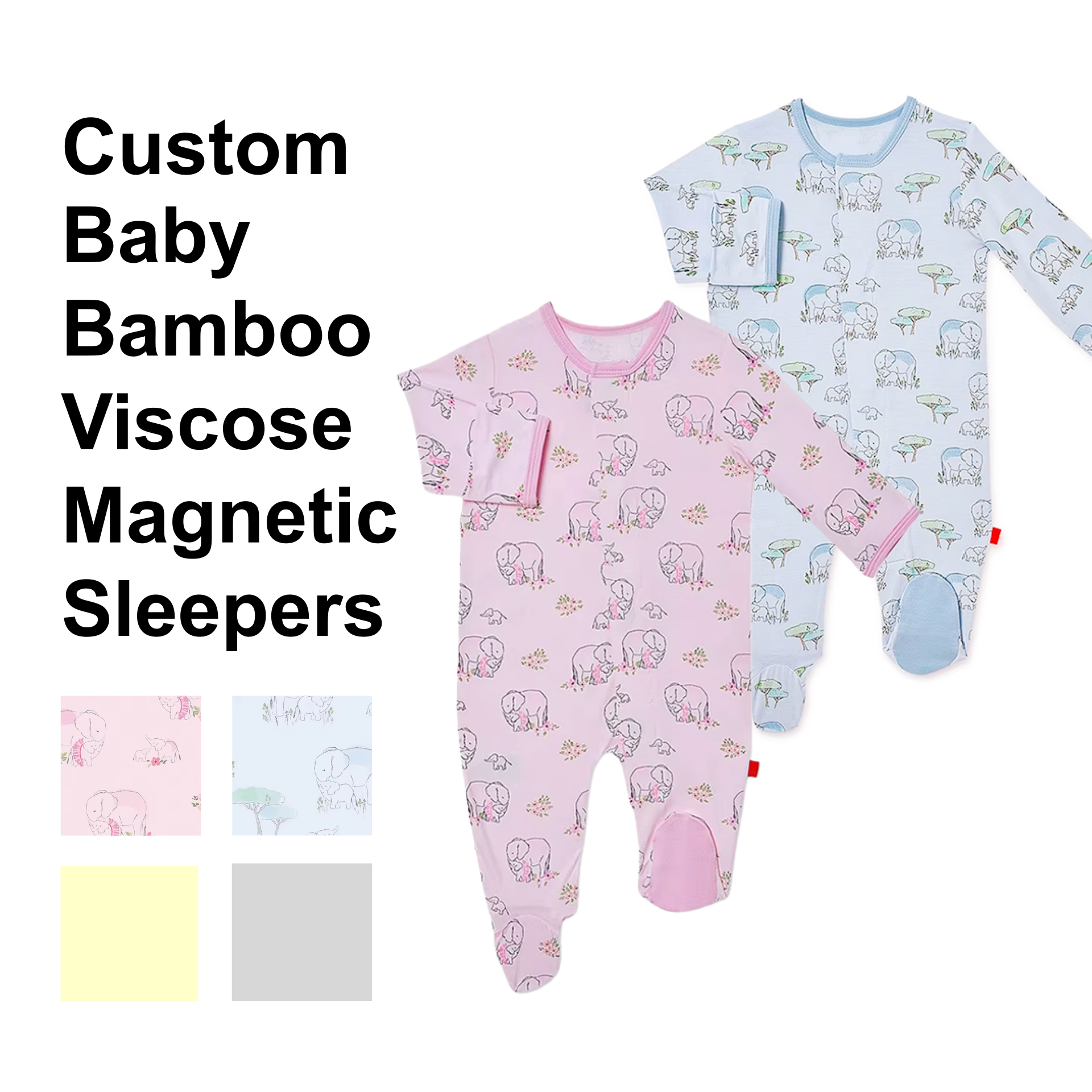 For vibrant and sharp custom prints on bamboo baby clothes, selecting the right file format is paramount. Vector files such as .AI, .EPS, or.SVGs are the gold standard because they maintain crispness at any size without pixelation. Unlike raster images, vectors keep your baby’s adorable prints looking professional and polished, no matter if they’re printed large on a onesie or as a tiny motif.
If working with photos or more complex designs, opt for high-resolution raster files like .PNG or . TIFF, at least 300 dpi, to ensure the colors stay rich and borders crisp without blurring. Avoid file formats like .JPEG for printing, as compression artifacts can distort delicate details and soften edges, leading to less-than-perfect results on the soft bamboo fabric.
| File Type | Best Use | Resolution | Advantages |
|---|---|---|---|
| AI / EPS / SVG | Logos, Icons, Flat Graphics | Vector – infinite scaling | Sharp edges, scalable, editable |
| PNG | Photos, detailed Illustrations | 300 dpi or higher | Transparent background, high quality |
| TIFF | photographs, Multi-layered files | 300 dpi or higher | High color fidelity, lossless |
In addition to format, remember these quick tips to optimize your custom prints:
- Use CMYK color mode to match fabric inks more accurately.
- Preview designs at actual size to catch any unintended pixelation.
- Ensure ample bleed space to avoid cutting off key design elements.
Exploring Color Selection for Vibrant and Safe Baby Garments
When working with custom prints on bamboo fabric, consider how colors will appear on its soft, natural texture. Bamboo’s slight sheen enhances pastel tones beautifully, while bold colors like emerald green or royal blue can create a striking contrast without harshness. Keeping the palette simple yet effective maximizes impact while minimizing any risk of irritation.
- Test samples: Always request fabric swatches with actual print colors before finalizing your order.
- lightfastness matters: Ensure colors stay vibrant even after multiple washes.
- Eco-kind options: Seek sustainable dyeing processes aligned with bamboo fabric’s green appeal.
| Color | Effect on Bamboo Fabric | Recommended Use |
|---|---|---|
| Soft Lavender | Enhances bamboo’s natural softness | Newborn sets, bedtime wear |
| Sunshine Yellow | Adds cheerful brightness | Daywear, playful prints |
| coral Pink | Warm and gentle on the skin | Gender-neutral designs |
Sample Testing Strategies to Ensure Quality and Comfort
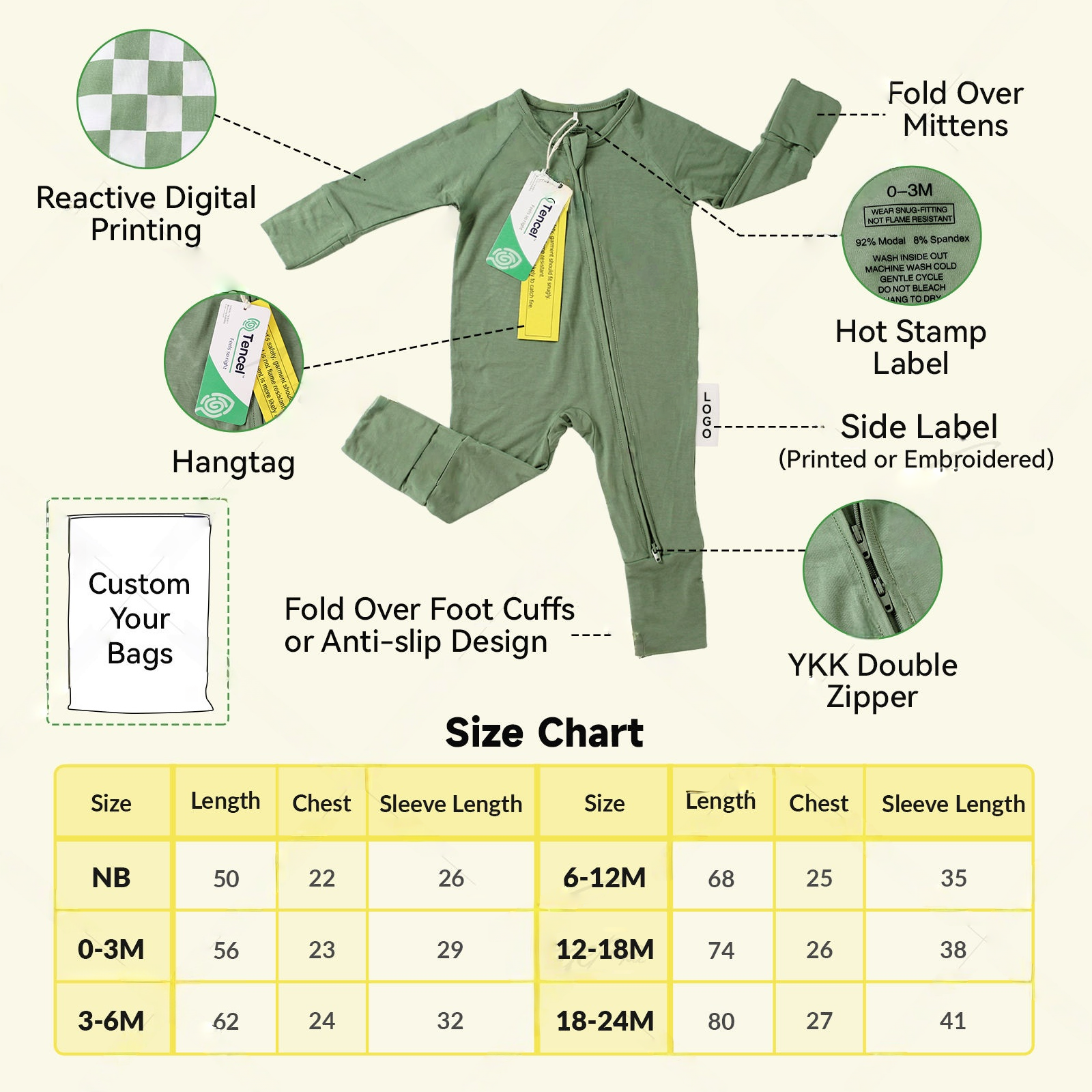 Ensuring that your custom-printed bamboo baby clothes meet the highest standards requires a thorough approach to sample testing. Begin by evaluating the fabric’s softness and breathability, two critical factors that affect an infant’s comfort. Utilize touch and wear tests under different conditions to verify that the bamboo material maintains its gentle texture after multiple washes, avoiding any roughness or shrinkage that could cause discomfort.
Color accuracy is equally essential. Test prints on various fabric batches to confirm consistency across shades and vibrancy. Employ lightfastness and wash tests to ensure colors remain intact without fading or bleeding, preserving the aesthetic appeal and safety for sensitive baby skin. Consider running stretch tests on printed areas to prevent cracking or peeling, which is vital for maintaining durability.
Sample Testing Checklist:
- Fabric softness after multiple washes
- breathability and moisture wicking
- Print colorfastness under varied light exposure
- Durability of printed designs through stretch testing
- Hypoallergenic safety assessments
| Test Type | Purpose | Key Outcome |
|---|---|---|
| Fabric Softness | comfort Assessment | Maintained gentle texture post-wash |
| Colorfastness | Print Durability | No fading or bleeding |
| Stretch Test | Print Adaptability | No cracking or peeling |
Balancing Design Creativity with Fabric Limits
When working with bamboo fabric, it’s essential to remember that its unique texture and breathability come with certain constraints. Unlike synthetic materials, bamboo tends to stretch and drape differently, which means overly intricate designs might lose clarity or appear distorted after printing. To harmonize your creative ideas with these natural properties, opt for designs that emphasize bold shapes and clear lines rather than fine details that can blur.
Color choices also play a pivotal role. Bamboo’s natural off-white or light tan hues absorb pigments differently compared to standard cotton or polyester. Vibrant and solid colors usually translate better, while subtle gradients or very pale shades might not show as vividly. To help you make informed decisions, consider these tips:
- Test primary colors: Red, navy, and forest green often retain richness and depth.
- Limit color blending: Printing fewer colors in a single design reduces unwanted bleeding on bamboo’s soft fibers.
- Use contrast wisely: High contrast between design elements ensures visibility even after washing.
| Design Element | Recommended Approach | Fabric Impact |
|---|---|---|
| Fine Lines | Avoid or scale up | Can blur or fade |
| Solid Colors | Preferred for clarity | Retains vibrancy |
| Gradient Fades | Use sparingly | May appear washed out |
| Large Patterns | Ideal for bamboo stretch | Maintains design integrity |
Tips for Achieving Long-Lasting Prints on Bamboo Baby Clothes
Color selection plays a crucial role in longevity. Bamboo fabric absorbs dye differently than cotton, so opt for eco-friendly, water-based inks that bond deeply without fading fast. Consider testing key colors beforehand to see how they react with bamboo’s subtle hue variations. Also, pre-treat the bamboo garment properly before printing and encourage gentle washing methods for your customers-cold water, mild detergents, and air drying work wonders to keep prints fresh.
| Tip | Why It Matters |
|---|---|
| Use vector Files | Ensures sharp, scalable designs free from pixelation |
| Choose Bold Colors | Keeps the design visually striking after washing |
| Eco-Friendly Inks | Improves color durability and safety for the baby’s skin |
| Gentle Wash Instructions | Preserves print integrity and bamboo’s softness |
Q&A
Q&A: Custom Printed Bamboo Baby clothes – File, Color, and Sampling tips
Q1: Why choose bamboo fabric for custom baby clothes?
A1: Bamboo fabric is naturally soft, breathable, and hypoallergenic, making it ideal for sensitive baby skin. Its sustainable and eco-friendly qualities also appeal to environmentally conscious parents and brands.
Q2: What file formats work best for custom printing on bamboo clothes?
A2: Vector files such as AI, EPS, and SVG are preferred because they scale without losing quality. High-resolution PNGs or PDFs with transparent backgrounds are also acceptable if vectors aren’t available. Ensure files are at least 300 DPI to maintain crisp print quality.
Q3: How should I prepare my artwork for printing on bamboo garments?
A3: Start with clean, high-resolution artwork. Use CMYK color mode since it aligns with most textile printing processes. Avoid overly complex designs with tiny details that may not translate well on fabric. Simplify colors and shapes for bold, clear prints.
Q4: Are there color considerations specific to bamboo fabric?
A4: Yes. Bamboo fabric often has a natural, slightly off-white or beige base. This can affect how colors appear once printed. Bright, saturated colors may look more muted on bamboo’s natural tone. It’s a good idea to test colors on fabric swatches to see true results.
Q5: What printing methods work best for bamboo baby clothes?
A5: Screen printing and digital direct-to-garment (DTG) printing are popular choices. Screen printing offers vibrant colors and durability, while DTG excels with detailed, multicolor designs on softer fabrics like bamboo.
Q6: How important is sampling before a full production run?
A6: Sampling is crucial. It lets you evaluate how your design, colors, and fabric interact. A sample enables adjustments to file setup, color accuracy, and print placement, ensuring the final batch meets your expectations, especially important for delicate baby apparel.
Q7: What are some tips for requesting and reviewing samples?
A7: When requesting samples, specify exact fabric type, print placement, and color expectations. Review samples under natural lighting, check for fabric softness post-print, and verify that prints are durable and free from defects. Don’t hesitate to provide feedback for improvements.
Q8: Can customization include tags and packaging for bamboo baby clothes?
A8: Absolutely. Many brands personalize tags and eco-friendly packaging to complement the sustainable appeal of bamboo garments. Coordinate colors and branding elements across print, tags, and packaging for a cohesive look.
Q9: How do I handle wash care recommendations for printed bamboo baby clothes?
A9: Include clear washing instructions with your product to maintain print integrity and fabric quality. Generally, cold washes, gentle cycles, and air drying are recommended to preserve the softness of bamboo fabric and the vibrancy of prints.
Q10: What sets custom printed bamboo baby clothes apart in the market?
A10: The combination of sustainability, comfort, and unique personalized designs offers a strong selling point. Custom prints on bamboo baby clothes allow brands to create eco-friendly, stylish products that resonate with modern consumers valuing both ethics and aesthetics.
Final Thoughts
Crafting custom printed bamboo baby clothes is an art that blends thoughtful design with eco-friendly materials. With the right setup of digital files, carefully selected colors, and pre-production sampling, you can ensure a final product that is both high-quality and consistent from concept to bulk production.
At Kabeier, we support brands through every step of this process—from print file preparation and color matching to sampling and final production—helping turn creative ideas into reliable, production-ready bamboo babywear.
Embracing these practices leads to sustainable, soft, and safe apparel designed for babies while maintaining efficiency and precision in manufacturing.