
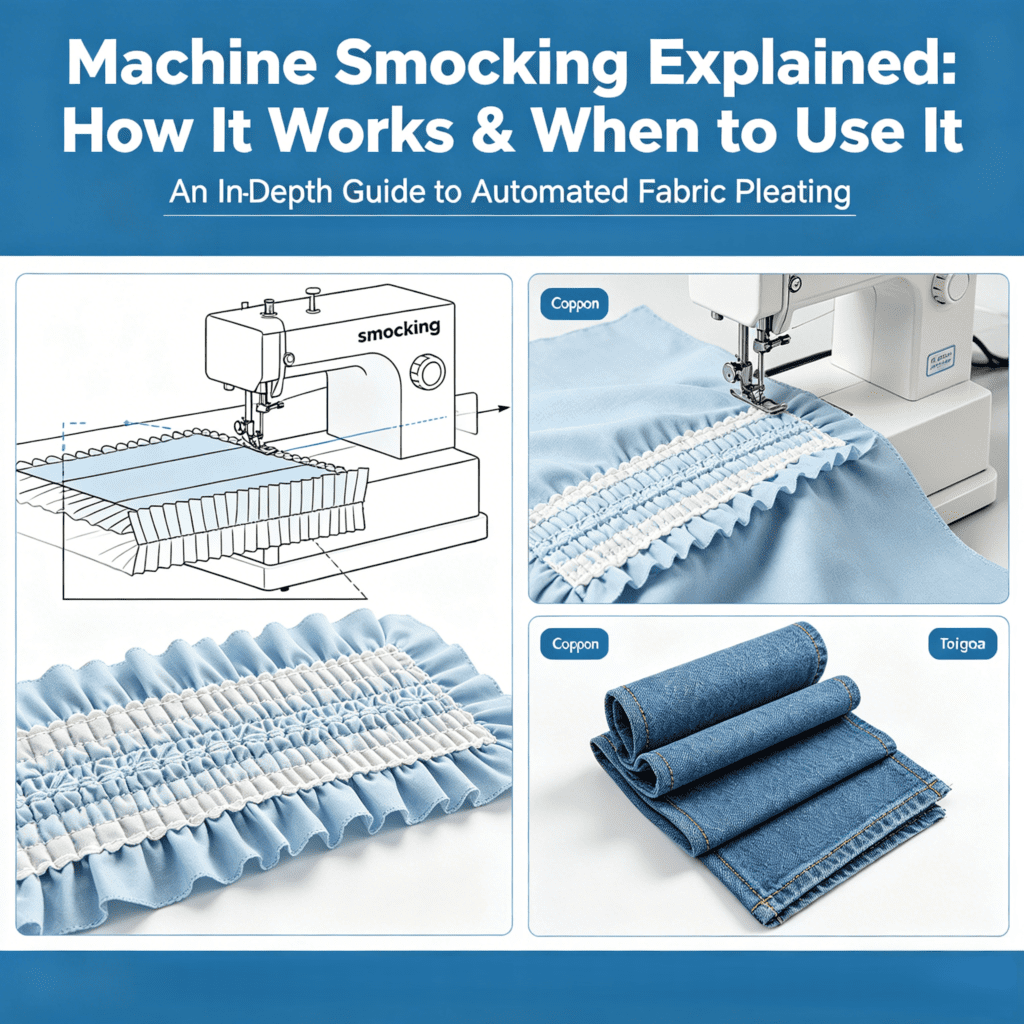
In the world of textiles and fashion, smocking has long been celebrated for its delicate gathers and intricate patterns that add both texture and charm to garments. Traditionally a painstaking hand-sewing technique, smocking has evolved alongside technology, giving rise to machine smocking-a faster, more accessible method without sacrificing the artistry. But what exactly is machine smocking, how does it work, and when is it the best choice for your project? In this article, we unravel the process behind machine smocking, exploring its mechanics and ideal applications, so you can decide when this blend of tradition and innovation suits your creative vision.
Table of Contents
- Understanding the fundamentals of Machine Smocking Techniques
- Choosing the Right Fabrics and Threads for Optimal Results
- Step-by-Step Guide to Setting up Your Machine for Smocking
- Common Challenges and How to Overcome Them in Machine Smocking
- Practical Applications and Project Ideas to Inspire Your Creativity
- Q&A
- The Way Forward
Understanding the Fundamentals of Machine Smocking Techniques
 At the core of machine smocking lies the ingenious blend of artistry and precision engineering, allowing fabric to gather in beautifully uniform patterns without the hours traditionally spent by hand. This technique uses a specialized sewing machine equipped with a smocking plate or pleater attachment, which systematically creates parallel pleats. These pleats are then secured with decorative stitches, adding both structure and texture to the fabric, often transforming plain materials into eloquent, tactile masterpieces.
Understanding the fundamentals involves recognizing three essential components:
- Pleating: The process of folding fabric into evenly spaced, narrow strips to form the base texture.
- Stitching: Decorative thread patterns that lock the pleats in place and enhance the design.
- Fabric selection: Lightweight to medium-weight fabrics such as cotton, linen, or voile work best for maintaining crisp pleats without excessive bulk.
| Component | Purpose | Ideal Fabrics |
|---|---|---|
| Pleating | Creates structured folds | Cotton, Linen |
| Stitching | Secures pleats decoratively | Silk, Voile |
| fabric Choice | Facilitates crisp, stable pleats | Batistes, Lawn |
Choosing the Right Fabrics and Threads for Optimal Results
Selecting fabrics and threads wisely is key to achieving the classic elasticity and delicate texture machine smocking is known for. Lightweight cottons, voile, and lawn fabrics offer just the right balance between structure and softness, allowing the smocking stitches to gather fabric smoothly without bulkiness. Avoid heavy or overly stiff materials, as they resist gathering and can strain your sewing machine. For projects intended to drape gracefully, consider natural fibers; their breathability enhances the final garment’s comfort and elegance.
Thread choice also plays a pivotal role. Polyester threads are favored for their strength and slight elasticity, which accommodates the fabric’s gathering action without snapping. However, cotton threads lend a matte finish that blends beautifully with natural fabrics when visual subtlety is desired. It’s also crucial to match thread color closely to the fabric to keep smocking stitches discreet or boldly contrasted, depending on your design intent.
| Fabric Type | Smocking Suitability | Recommended Thread |
|---|---|---|
| Lightweight Cotton | Excellent | Polyester or Cotton |
| Lawn & Voile | Optimal for Fine Details | Cotton |
| Linen | Good, Slightly Textured | Polyester |
| Heavy Denim | Not Recommended | Heavy-Duty Thread (if attempted) |
- Avoid slippery fabrics: Silks and satins can shift under the needle.
- Pre-wash fabrics: To prevent shrinkage after smocking, especially critically important for natural fibers.
- Test stitches: Always run a sample to check tension and gathering before starting your main project.
Step-by-Step Guide to Setting Up Your Machine for Smocking
Setting your machine’s tension and stitch length correctly is crucial for balanced gathers-too tight, and the fabric puckers aggressively; too loose, and the smocking lacks definition. For most projects, a longer stitch length (around 4-5 mm) works best, combined with a medium to high thread tension. Test these settings on a fabric scrap until the gathers form uniformly without puckering or loosening.
- Step 1: Attach the gathering foot according to your machine’s manual.
- Step 2: Adjust stitch length to a longer setting.
- Step 3: Set thread tension to medium-high.
- Step 4: Practice on fabric scraps to fine-tune your settings.
- Step 5: Mark pleating lines on your fabric for guidance.
| Setting | Recommended Value | Purpose |
|---|---|---|
| Stitch Length | 4-5 mm | Create balanced gathers |
| Tension | Medium - High | Maintain firm pleats |
| Needle Type | Worldwide 80/12 | Suitable for lightweight fabrics |
| Presser Foot | Gathering/Smocking foot | Facilitates uniform gathering |
Common Challenges and How to Overcome Them in Machine Smocking
Working with machine smocking can sometimes feel like navigating a delicate dance between precision and creativity. One common hurdle is achieving consistent tension across the fabric, which, if ignored, can lead to puckering or uneven gathers. The key to conquering this is through careful thread tension adjustment and selecting the right stabilizer to support your fabric during stitching. Using a lightweight tear-away stabilizer often produces the best results without adding bulk.
Another challenge lies in choosing the appropriate fabric type. Machine smocking favors lightweight to medium fabrics, but experimenting with heavier materials can cause stitching to bunch or break. To overcome this, always perform a small test run with your fabric and thread type. If you’re working with challenging fabrics, consider using a walking foot or adjusting the presser foot pressure for smoother feeding.
| Challenge | Cause | Solution |
|---|---|---|
| Uneven gathers | Incorrect thread tension | adjust tension; use stabilizer |
| Fabric puckering | Wrong fabric choice | Opt for lightweight fabrics; test first |
| Thread breakage | Thick thread or rough fabric | Use quality thread; lower stitch speed |
Patience is essential. Machine smocking demands practice and precise machine settings. Regularly clean your needle and replace it with a fresh, sharp one to avoid skipped stitches. With these strategies, what once seemed challenging will soon become an enjoyable part of your creative process.
Practical Applications and Project Ideas to Inspire Your Creativity
 Machine smocking opens a world of possibilities for adding intricate texture and dimension to your fabric projects without the painstaking handwork. Whether you’re designing custom apparel, home décor, or accessories, this technique can transform simple materials into stunning, tactile masterpieces. Imagine crafting a blouse with elegantly gathered bodices or enhancing a cushion cover with delicate, repeating patterns-all achieved with your trusty sewing machine.
For those eager to experiment, here are some inspiring project ideas that showcase the versatility of machine smocking:
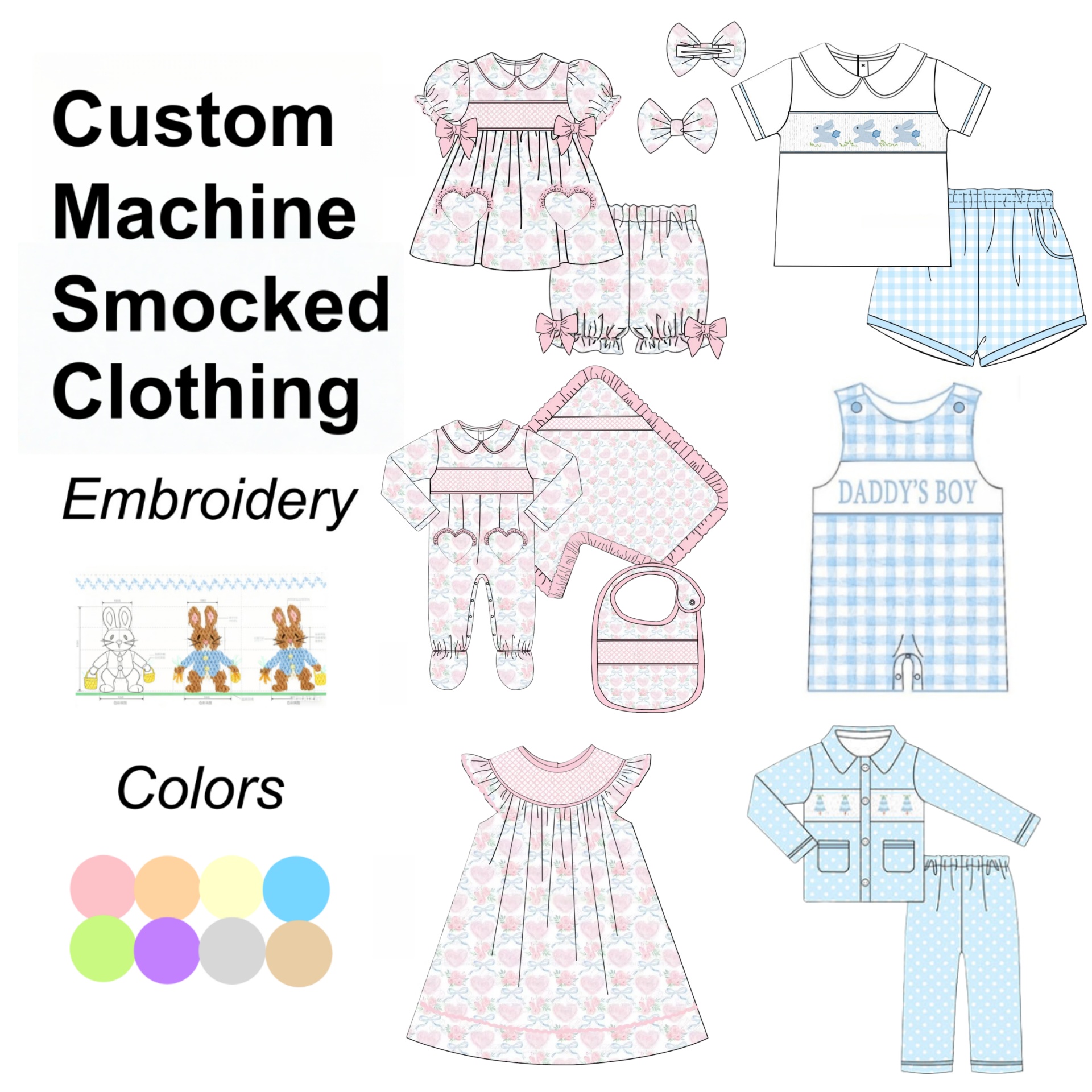
- Children’s Clothing: create adorable dresses or rompers with smocked yokes for a vintage-inspired, tailored look.
- Decorative Pillow Covers: Use contrasting thread colors for smocking patterns that add cozy sophistication to your living room.
- Fashion Accessories: Embellish tote bags or fabric belts with smocking to inject subtle but eye-catching texture.
- Quilted Wall Art: Combine smocking with patchwork techniques for unique textile art pieces perfect for gifting or personal enjoyment.
| Project | Fabric Type | Recommended Thread |
|---|---|---|
| Smocked Summer Dress | Cotton Lawn | Fine Polyester |
| Textured Pillow Cover | Linen Blend | Embroidery Thread |
| Fashion Tote Bag | Canvas | Heavy-Duty Cotton |
| Artistic Wall Hanging | Silk Organza | Metallic Thread |
By experimenting with fabric weights and thread types, you can tailor the smocking effect to suit both function and aesthetic. Dive in with playful designs or structured patterns-the possibilities are as limitless as your imagination.
Q&A
Q&A: Machine Smocking explained - How It Works and When to Use It
Q1: What exactly is machine smocking?
A1: Machine smocking is a sewing technique that mimics customary hand-smocking by creating tiny, evenly spaced gathers in fabric. Instead of painstakingly stitching by hand, a special sewing machine or an attachment is used to pleat the fabric in neat rows, producing a textured, elasticized effect.
Q2: How does machine smocking work?
A2: The process involves folding or pleating fabric in a repetitive pattern and stitching over it with decorative or functional thread. The machine’s feed dogs and tension settings are adjusted to gather the fabric uniformly. Different stitch types, like honeycomb or wave, can be programmed or selected to create varied smocking patterns.
Q3: What types of fabric are best suited for machine smocking?
A3: Lightweight to medium-weight fabrics, such as cotton, linen, chambray, or silk blends, respond best to machine smocking. These materials gather easily without bulk, allowing smocking stitches to showcase texture without becoming stiff or heavy.
Q4: How is machine smocking different from hand smocking?
A4: While hand smocking is a delicate, time-consuming art requiring manual gathering and intricate embroidery stitches, machine smocking offers speed and uniformity. It sacrifices a bit of the handcrafted charm but excels in producing consistent results quickly, making it ideal for larger projects or commercial use.
Q5: When should I consider using machine smocking in my sewing projects?
A5: Machine smocking is perfect when you want to add decorative texture and stretch to garments like blouses, children’s wear, or even home décor like cushions. It’s also handy when you need consistent gathers across multiple pieces or want a quicker alternative to hand-smocking.
Q6: Are there any limitations to machine smocking?
A6: Yes, machine smocking typically offers less versatility in stitch patterns compared to hand smocking’s artistic freedom. It may also be less effective on very heavy or heavily textured fabrics. Additionally, achieving perfectly even gathers might still require some fabric preparation and practice.
Q7: Can I do machine smocking on any standard sewing machine?
A7: Not all standard sewing machines are equipped for true machine smocking. Some require special attachments, like a smocking plate or pleater, or programmable stitch options to create the characteristic gathers. It’s best to consult your machine’s capabilities or invest in the appropriate accessory.
Q8: How can I care for fabric with machine smocking?
A8: Treat smocked garments gently; hand washing or delicate machine cycles with mild detergents are recommended. Avoid high heat when drying or ironing, and consider steaming to preserve the texture without flattening the gathers.
Q9: Is machine-smocking still popular today?
A9: Absolutely. While hand-smocking remains a beloved craft, machine-smocking’s efficiency and neat results have kept it relevant in fashion and textile production. It offers designers and hobbyists a practical way to add intricate-looking texture with less effort.
Q10: Where can I learn more about machine smocking techniques?
A10: Numerous online tutorials, sewing blogs, and specialized classes explore machine smocking in-depth. Manufacturer manuals for smocking attachments often provide step-by-step guides, and sewing communities can offer tips from experienced practitioners.