
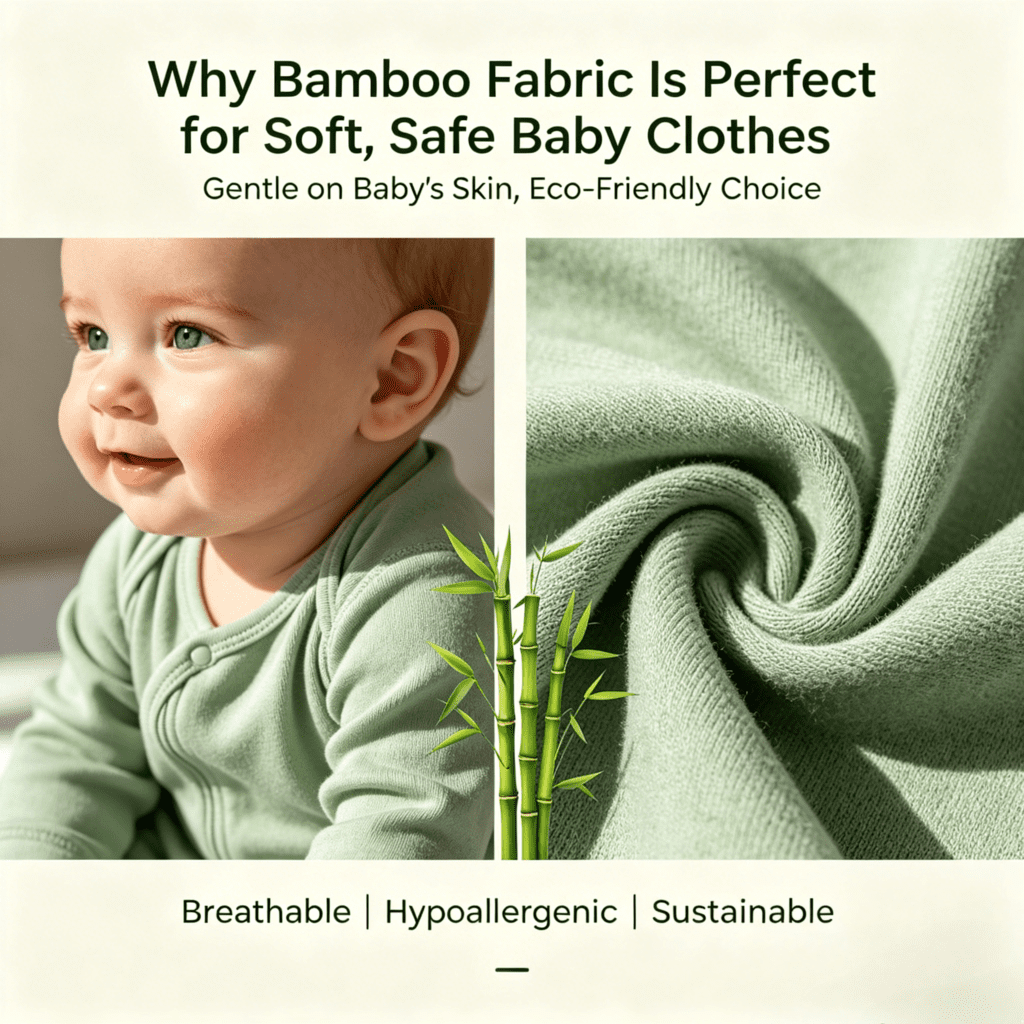
When it comes to dressing our little ones, comfort and care take center stage. Among the many fabric choices available, bamboo fabric is quietly gaining attention as a perfect companion for baby clothing. Soft to the touch, naturally breathable, and wonderfully gentle on sensitive skin, bamboo fabric weaves together nature’s best qualities into every thread. But what truly sets it apart in the world of baby apparel? This article unravels the unique reasons why bamboo fabric is increasingly becoming the ideal choice for clothing our babies, balancing practicality, sustainability, and tender care all in one.
Table of Contents
- Benefits of Bamboo Fabric for Delicate Baby Skin
- How Bamboo Fabric Enhances Breathability and Comfort
- Natural Antibacterial Properties Keep Babies Safe and Healthy
- Sustainability of Bamboo Fabric for Eco-Conscious Parents
- Choosing the Best Bamboo Baby Clothes for Everyday Wear
- Q&A
- The Conclusion
Benefits of Bamboo Fabric for Delicate Baby Skin
 Beyond comfort, bamboo fabric boasts remarkable breathability and moisture-wicking properties. It naturally regulates temperature by allowing airflow, helping babies stay cool in warmer weather and cozy in cooler temperatures. This prevents excessive sweating, which can frequently cause discomfort or rashes. Additionally, bamboo fibers have natural antibacterial qualities, meaning they resist odors and reduce bacterial growth, providing an extra layer of protection against skin irritations and allergies.
| Feature | Benefit for Baby |
|---|---|
| Ultra-Soft Texture | Prevents irritation and itching |
| Breathable Fibers | Keeps skin dry and comfortable |
| Natural Antibacterial | Reduces rashes and allergies |
| Hypoallergenic | Safe for sensitive and newborn skin |
How Bamboo Fabric Enhances Breathability and Comfort
Beyond breathability, bamboo fabric excels in moisture-wicking properties, pulling away perspiration and drying rapidly. This dynamic interaction with moisture helps maintain an optimal temperature, whether your baby’s napping, crawling, or playing. Parents appreciate how this natural fabric creates a cozy, soothing environment free from irritation, so babies can rest more peacefully and move more freely.
- Hypoallergenic and naturally anti-bacterial: minimizes skin irritation and odors
- Temperature regulating: keeps the baby warm in cool weather and cool in warm weather
- Superior softness: gentle against sensitive, newborn skin
Natural Antibacterial Properties Keep Babies Safe and Healthy
These intrinsic qualities are not from chemical treatments but stem directly from the bamboo plant itself. The fabric maintains a clean, fresh feel throughout the day, which is crucial for babies whose immune systems are still developing. Plus, bamboo fabric is hypoallergenic, reducing the risk of allergic reactions caused by synthetic fibers or harsh dyes.
- Resists bacterial growth naturally without added chemicals
- Helps keep baby clothes fresher for longer periods
- Reduces the chances of skin irritation and allergies
- Supports sensitive skin with a gentle, breathable texture
Sustainability of Bamboo Fabric for Eco-Conscious Parents
What truly makes bamboo a champion in sustainability is its remarkable ability to support biodiversity while improving soil health. When cultivated responsibly, bamboo farms encourage a healthy ecosystem by providing habitats for surrounding wildlife and enhancing carbon sequestration. This means every snuggly bamboo onesie your little one wears is backed by a fabric that actively contributes to the planet’s well-being.
- Rapid growth cycle: Bamboo matures in 3-5 years compared to 20+ for trees.
- Low resource input: Minimal water and zero pesticides needed.
- Biodegradability: Bamboo fabric decomposes naturally without polluting landfills.
- Carbon capture: Bamboo absorbs more CO2 than many other crops.
| Fiber | Water Usage (liters/kg) | Growth Time | Pesticide Use |
|---|---|---|---|
| Bamboo | 1,200 | 3-5 years | None |
| Cotton | 10,000 | 5-6 months | High |
| Polyester | N/A (synthetic) | N/A | N/A |
Choosing the Best Bamboo Baby Clothes for Everyday Wear
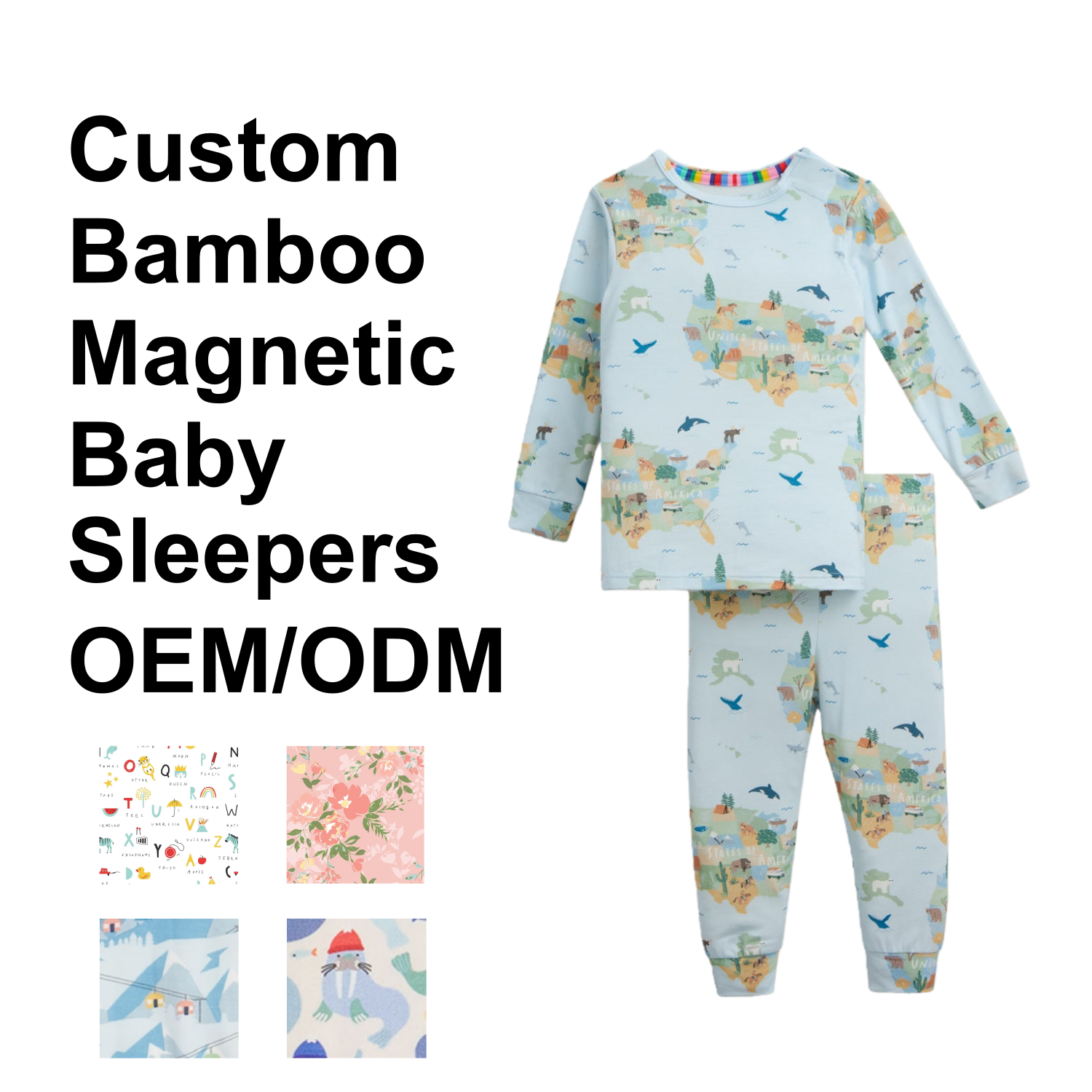 When selecting everyday outfits for your little one, durability and comfort are key. Bamboo fabric uniquely combines these qualities, making it an excellent choice for baby clothes that can withstand daily adventures while keeping your child cozy. Beyond its incredibly soft texture, bamboo is naturally breathable and moisture-wicking, helping regulate your baby’s body temperature through all seasons.
Practical features like hypoallergenic properties and natural antibacterial benefits make bamboo garments gentle on sensitive skin and resistant to odors. This means less irritation and fewer laundry cycles-two big wins for busy parents. The fabric also stretches well without losing shape, ensuring that your baby’s clothes remain comfortable and look good wash after wash.
- Exceptionally soft, mimicking the feel of cashmere
- Breathable and moisture-wicking for all-day dryness
- Hypoallergenic and antibacterial, great for sensitive skin
- Durable stretch and shape retention
- Eco-friendly and sustainable production
| Feature | Benefit for Baby |
|---|---|
| Softness | Ultimate comfort without irritation |
| Breathability | Prevents overheating, keeps baby cool |
| Antibacterial | Reduces skin rashes and odors |
| Durability | Lasts through many washes and wears |
Q&A
Q&A: Why Bamboo Fabric Is Ideal for Baby Clothing
Q1: What makes bamboo fabric a good choice for baby clothing?
A1: Bamboo fabric is naturally soft, breathable, and gentle on delicate skin, making it an excellent option for babies. Its moisture-wicking properties help keep little ones dry and comfortable, reducing the risk of irritation.
Q2: Is bamboo fabric safe for babies with sensitive skin or allergies?
A2: Yes, bamboo fabric is hypoallergenic and naturally antibacterial, which helps minimize allergic reactions and skin sensitivities. This makes it especially suitable for babies prone to eczema or other skin conditions.
Q3: How does bamboo fabric compare to cotton in terms of comfort and durability?
A3: Bamboo fabric is often softer than cotton, providing a silk-like feel that’s cozy against a baby’s skin. It’s also quite durable and retains its softness after multiple washes, ensuring baby clothes stay comfortable over time.
Q4: Does bamboo fabric offer any environmental benefits?
A4: Absolutely. Bamboo is a highly renewable resource that grows quickly without the need for pesticides or much water. Choosing bamboo fabric supports more sustainable and eco-friendly baby clothing options.
Q5: How easy is it to care for bamboo baby clothes?
A5: Bamboo fabric is relatively easy to care for. It’s machine washable, dries quickly, and resists odor better than many other fabrics. Following simple washing instructions can help maintain its softness and quality.
Q6: Are there any drawbacks to using bamboo fabric for baby clothing?
A6: While bamboo fabric has many advantages, it can sometimes be pricier than standard cotton. Additionally, not all bamboo textiles are produced sustainably, so it’s vital to look for certifications or ethically made products.
Q7: Can bamboo fabric help regulate a baby’s temperature?
A7: Yes, bamboo’s breathable structure allows for excellent temperature regulation. It keeps babies cool in warmer weather and provides insulation during cooler months, contributing to overall comfort.
Q8: Where can parents find bamboo baby clothing?
A8: Bamboo baby clothes are increasingly available at eco-conscious retailers, specialty boutiques, and online stores. When shopping, it’s helpful to check product labels for certifications like OEKO-TEX or GOTS to ensure safe, sustainable textiles.
The Conclusion
In the delicate world of baby clothing, every choice matters-from comfort to safety and sustainability. Bamboo fabric quietly weaves all these qualities into a soft, breathable, and eco-friendly embrace, making it an ideal companion for your little one’s earliest adventures. As parents seek thoughtful options that care for both their babies and the planet, bamboo’s gentle touch offers a reassurance that clothing can be as kind as the love it’s made with.