
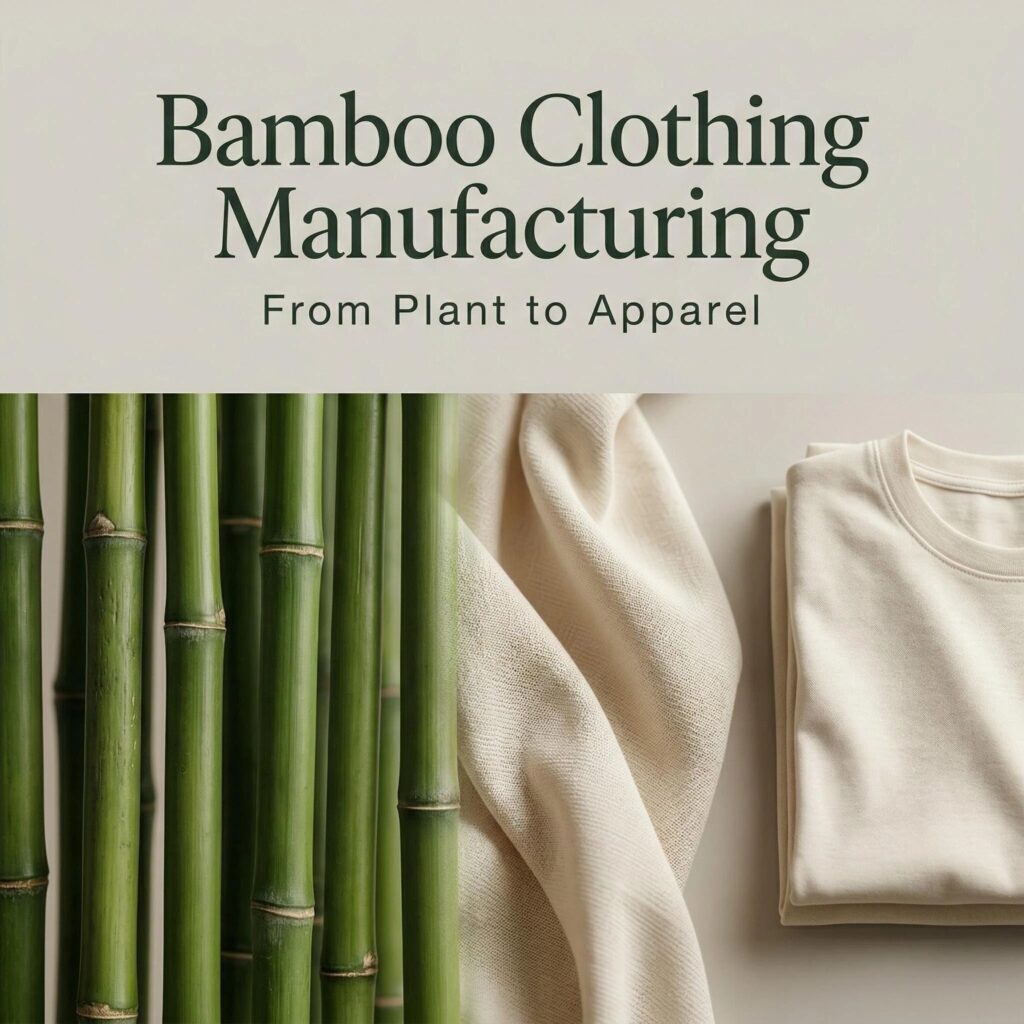
Bamboo clothing has been gaining popularity in recent years for its sustainability and comfort. But have you ever wondered how this miracle fabric is manufactured? From the bamboo groves to the finished garment, the journey of bamboo clothing is a fascinating process that involves innovative technology and eco-friendly practices. Let’s take a closer look at how bamboo clothing is made and why it’s the next big thing in the fashion industry.
Table of Contents
- Sustainable Sourcing: Harvesting and Processing Bamboo
- Innovative Manufacturing Techniques for Bamboo Fiber
- Designing and Creating Bamboo Clothing: The Production Process
- Environmental Impact and Ethical Considerations in Bamboo Clothing Production
- Advantages of Bamboo Clothing for Consumers and the Environment
- Q&A
- Wrapping Up
Sustainable Sourcing: Harvesting and Processing Bamboo
Bamboo is a versatile and sustainable material that is becoming increasingly popular in the fashion industry, especially for clothing manufacturing. The process of harvesting and processing bamboo for apparel involves several key steps that ensure the sustainability and quality of the final product.
Harvesting and processing bamboo for clothing manufacturing involves the following key steps:
- Selection of mature bamboo plants for harvesting
- Cutting and transportation of harvested bamboo to processing facilities
- Breaking down bamboo into fibers through mechanical or chemical processes
- Spinning bamboo fibers into yarn for weaving or knitting
- Finishing and dyeing bamboo yarn to create the desired color and texture
Utilizing bamboo for clothing manufacturing not only benefits the environment but also produces soft, breathable, and moisture-wicking fabrics that are perfect for creating comfortable and stylish apparel.
Innovative Manufacturing Techniques for Bamboo Fiber
When it comes to manufacturing bamboo clothing, innovative techniques are revolutionizing the industry from plant to apparel. From sustainable harvesting methods to advanced processing technologies, the production of bamboo fiber has come a long way in recent years. Here are some cutting-edge manufacturing techniques that are being used to transform bamboo into high-quality, eco-friendly clothing:
- Bamboo Harvesting: Sustainable and responsible bamboo harvesting techniques ensure that the plant is not harmed and that new shoots can continue to grow and thrive.
- Bamboo Fiber Extraction: Advanced mechanical or chemical methods are used to extract the bamboo fibers from the plant, creating a soft and durable material for clothing production.
- Bamboo Fabric Production: Utilizing innovative techniques such as hydrolysis alkalization, multi-phase bleaching, and enzymatic degumming, manufacturers can produce bamboo fabric with excellent strength and moisture-wicking properties.
In addition to these techniques, bamboo clothing manufacturing also involves processes such as spinning, weaving, and dyeing to create the final apparel. With a focus on sustainability and environmental friendliness, these innovative manufacturing techniques are paving the way for a more eco-conscious and ethical fashion industry.
Designing and Creating Bamboo Clothing: The Production Process
When it comes to designing and creating bamboo clothing, the production process involves several key steps that transform the renewable resource into stylish and sustainable apparel. From harvesting bamboo to fabric production and garment manufacturing, every stage of the process plays a crucial role in the creation of high-quality and eco-friendly clothing.
Harvesting Bamboo: Bamboo used for clothing is typically harvested from sustainable bamboo forests. The bamboo stalks are cut and processed to extract the fibers that will be used to make fabric.
Fabric Production: Once the bamboo fibers are extracted, they undergo a process to create bamboo viscose or bamboo lyocell fabric. This can involve spinning the fibers into yarn and then weaving or knitting the yarn into fabric.
Garment Manufacturing: The bamboo fabric is then used to create a wide range of clothing items, from t-shirts and dresses to activewear and undergarments. This involves cutting, sewing, and finishing the fabric to produce the final apparel.
Environmental Impact and Ethical Considerations in Bamboo Clothing Production
When it comes to bamboo clothing production, it’s essential to consider the environmental impact and ethical considerations throughout the entire manufacturing process. Bamboo is known for its sustainability, but it’s important to understand the potential impact of production on the environment and the ethical implications for workers involved in the process.
One of the main environmental benefits of using bamboo for clothing production is its fast growth rate and low water requirement. Compared to traditional cotton, bamboo requires significantly less water and can be grown without the use of harmful pesticides. Additionally, bamboo forests help to reduce carbon dioxide and produce more oxygen, making them beneficial for the environment.
However, it’s also crucial to consider the ethical implications of bamboo clothing production. Workers involved in the harvesting and manufacturing processes should be treated fairly and provided with safe working conditions. It’s important for companies to prioritize ethical labor practices and ensure that the entire supply chain is held to high ethical standards.
 Advantages of Bamboo Clothing for Consumers and the Environment
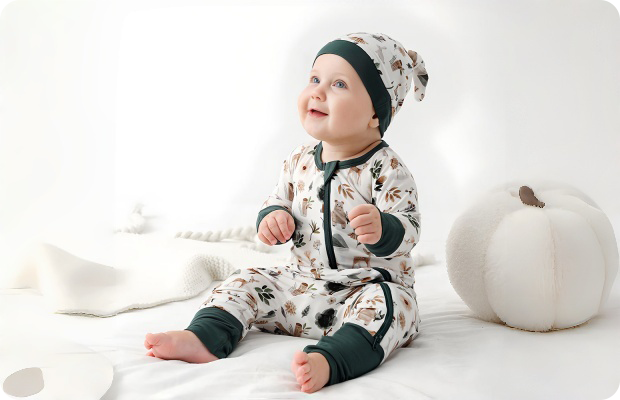
Bamboo clothing offers a range of advantages for consumers and the environment, making it an attractive choice for those who are conscious of sustainability and eco-friendly products. From a consumer perspective, bamboo clothing has several benefits, including:
- Soft and comfortable to wear
- Naturally hypoallergenic and gentle on sensitive skin
- Moisture-wicking and breathable
- Thermo-regulating, keeping you cool in summer and warm in winter
These qualities make bamboo clothing a popular choice for those seeking comfortable and practical apparel. In addition to consumer benefits, bamboo clothing also has positive impacts on the environment:
- Fast-growing and renewable resource
- Requires minimal water and no pesticides for cultivation
- Biodegradable and recyclable
- Contributes to reducing the carbon footprint
Bamboo clothing offers a sustainable and eco-friendly alternative to traditional textiles, benefiting both consumers and the environment.
Q&A
Q: What is bamboo clothing?
A: Bamboo clothing is clothing made from bamboo fibers, known for its soft and breathable qualities.
Q: How is bamboo clothing manufactured?
A: Bamboo clothing is manufactured by breaking down bamboo pulp into fibers, spinning those fibers into yarn, and then knitting or weaving the yarn into fabric. At Kabeier, we work with trusted yarn suppliers and apply strict fabric-quality controls to ensure consistency in softness, stretch, and durability—especially important for babywear.
Q: What are the steps involved in manufacturing bamboo clothing?
A: The typical process includes:
-
Harvesting bamboo
-
Extracting bamboo pulp
-
Converting pulp into fiber
-
Spinning fiber into yarn
-
Dyeing and finishing
-
Knitting or weaving into fabric
-
Cutting and garment construction
As an experienced bamboo baby clothing manufacturer, Kabeier also conducts fabric pre-shrinking, quality inspections, and safety compliance checks before garments move into bulk production.
Q: What are the benefits of bamboo clothing?
A: Bamboo clothing is known for being soft, breathable, and moisture-wicking. It also has temperature-regulating properties that make it suitable for sleepwear and everyday essentials. These qualities make bamboo particularly popular in baby apparel and family matching sets.
Q: Are there any environmental concerns associated with manufacturing bamboo clothing?
A: While bamboo as a plant grows quickly and requires minimal water, the environmental impact depends on how the fiber is processed. Some viscose processes involve chemicals, while Lyocell methods use more controlled closed-loop systems. Brands and manufacturers should prioritize transparency and responsible sourcing to minimize environmental impact.
Q: Is bamboo clothing biodegradable?
A: Bamboo fibers are biodegradable under the right conditions, especially when blended minimally with synthetic fibers. However, biodegradability also depends on fabric blends, dyes, and finishing treatments.
Wrapping Up
The process of manufacturing bamboo clothing involves harvesting, fiber processing, spinning, dyeing, and garment construction. When responsibly produced, bamboo fabrics offer softness, breathability, moisture management, and comfort—qualities highly valued in babywear and loungewear collections.
As the fashion industry continues to shift toward more conscious production, bamboo clothing remains a versatile and increasingly refined textile option. From hypoallergenic properties to its smooth drape and comfort-focused performance, it aligns with modern expectations of both style and sustainability.
For brands looking to develop bamboo baby clothing or private-label collections, partnering with an experienced manufacturer makes all the difference. Kabeier brings over 15 years of expertise in bamboo baby apparel production, offering OEM and ODM services, fabric customization, and scalable manufacturing solutions. If you’re planning to launch or expand your bamboo clothing line, contact us at Kabeier today to explore fabric options, sampling, and full-package production support.