
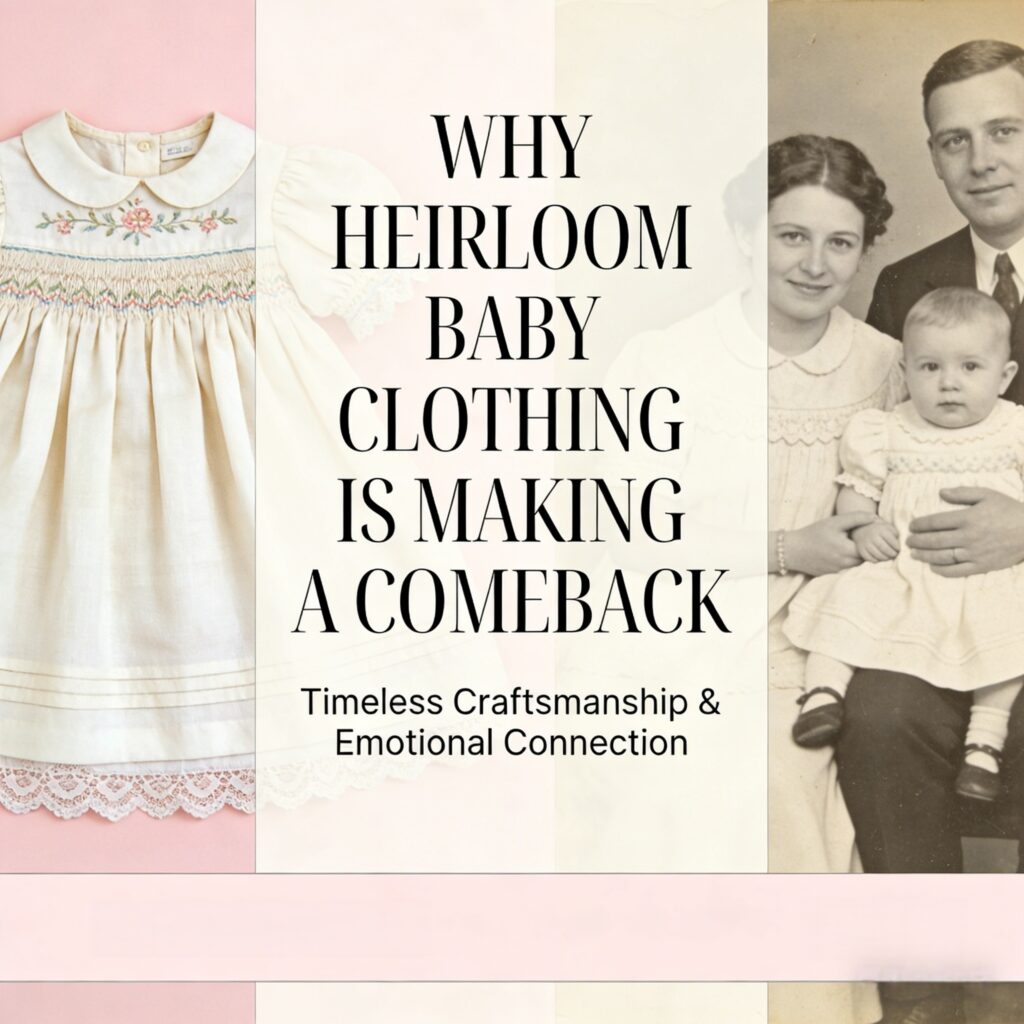
A tiny gown folded in acid-free tissue, a pair of bonnets bundled in a cedar chest: heirloom baby clothing carries the hush of generations in its seams. Once relegated to attics and hope trunks, these delicate pieces-hand-stitched smocks, crocheted booties, christening robes-are reappearing in nurseries and on social feeds, not as museum curiosities but as living garments. The comeback reads like a quiet rebellion against disposable trends, a rediscovery of slow craft in an age of fast fashion.
The revival is not traced to a single cause. Environmental concerns and a desire for durable, well-made clothing meet a renewed appetite for nostalgia and tangible family continuity. Small-scale artisans and vintage dealers supply what big-box retailers mostly do not: intricate workmanship, natural fibers, and stories sewn into every hem. At the same time, cultural shifts toward conscious consumption, an interest in personalized heirlooms, and the visual language of social media have made these pieces culturally relevant again, practical, symbolic, and aesthetic all at once.
This article will explore the strands that have braided together to bring heirloom baby clothing back into view: the historical roots of the tradition, the social and economic forces fueling renewed interest, the practical realities of care and cost, and the ways families today are reimagining what it means to pass something meaningful down the generations. Whether motivated by sentiment, sustainability, or style, the renewed embrace of heirloom garments reveals as much about contemporary parenting as it does about the clothes themselves.
Table of Contents
- The Revival of Heirloom Baby Clothing: Cultural Roots, Environmental Payoffs, and Emotional Value
- How to Choose Timeless Pieces: Fabric Quality, Stitching Clues, and Ethical Makers to Seek
- Care and Preservation for Generations: Washing, Repair, Storage, and Simple Restoration Techniques
- Where to Source and Build a Thoughtful Heirloom Wardrobe: Vintage Markets, Independent Artisans, and Budget-Friendly Strategies
- Q&A
- Concluding Remarks
The Revival of Heirloom Baby Clothing: Cultural Roots, Environmental Payoffs, and Emotional Value
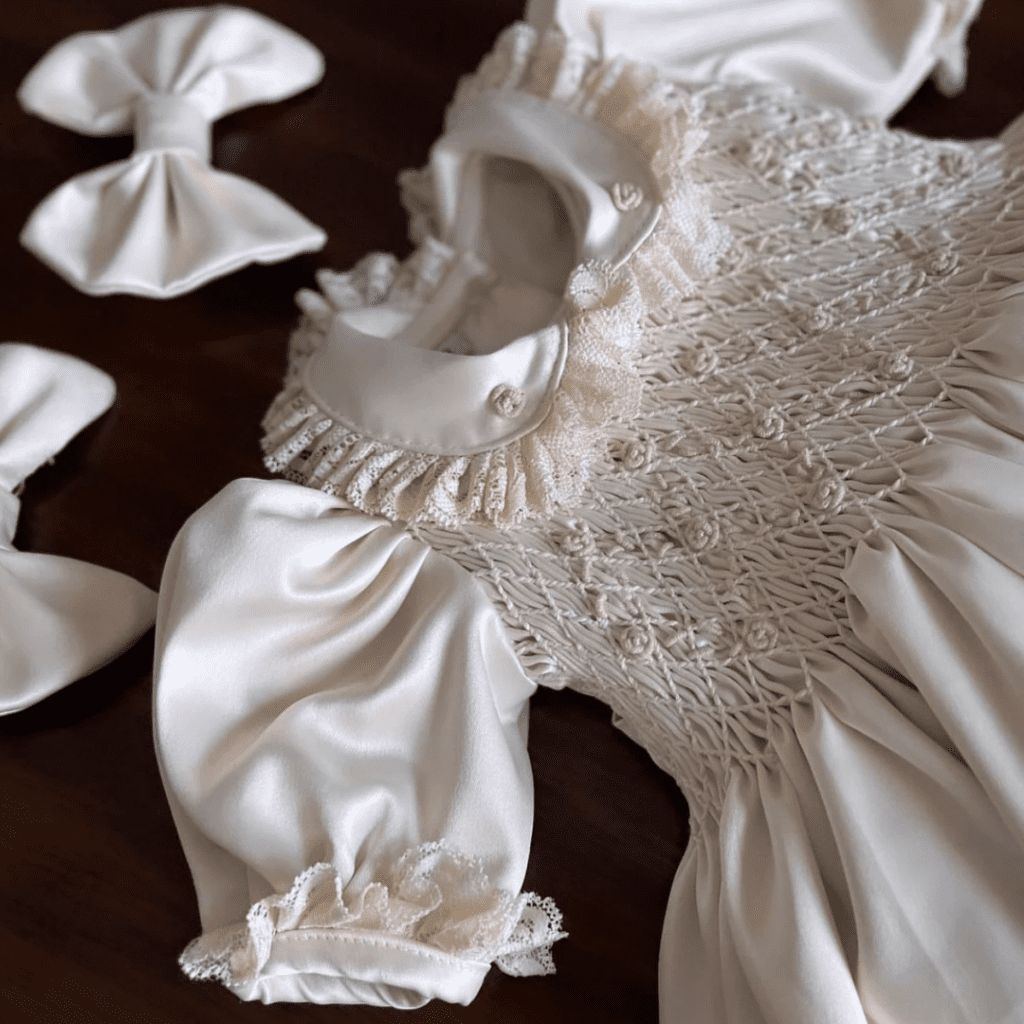
Across kitchens and community halls, tiny garments stitched by grandmothers or bought at neighborhood markets carry more than fabric-they carry lineage. Hand-stitched trims, faded indigo, and patchwork repairs become a living archive of tastes and techniques, linking a newborn to generations of makers. This resurgence is partly cultural: families are intentionally reclaiming rituals of gifting and preserving garments because they value the story woven into seams as much as the style.
- Durability: Heirloom pieces are often built to last, with high-quality fabrics and reinforced seams.
- Sustainability: Reusing and repairing reduces consumption and textile waste.
- Emotional depth: Passing down clothing creates tangible continuity across time.
| Benefit | Why it matters |
|---|---|
| Longevity | Fewer purchases, less landfill |
| Unique craft | One-of-a-kind details and stitches |
| Memory value | Heirlooms become family touchstones |
As modern parents juggle convenience and conscience, choosing heirloom baby clothing becomes a quiet act of curation: selecting items that will be loved, mended, and retold. The movement blends practical gains-lower environmental impact and thoughtful consumption-with a softer payoff: the intentional creation of objects that hold family narratives, waiting to be unfolded with each new generation.
How to Choose Timeless Pieces: Fabric Quality, Stitching Clues, and Ethical Makers to Seek

The first thing to trust is your hands: softness that lasts, a weight that whispers durability, and a weave you can see when you hold the fabric to the light. Reach for natural fibres - long-staple cottons (Pima, Supima), linen, and fine merino - and avoid synthetics that pill or shed. Check labels for GOTS, OEKO‑TEX, or small-batch coop stamps; these are simple signals that materials and dyes met higher standards. At the details level, examine hems and seams: look for French seams, reinforced crotch and shoulder stitching, and pattern-matching across panels – these are silent signatures of pieces built to survive sibling hand‑me‑downs and machine washes alike.
Choosing makers is half intuition, half evidence. Favor artisans and brands that share photos from their workshops, list fiber origins, and offer repair or resizing services. Use the checklist below when evaluating a seller, and consult the quick table to decode common clues you’ll see on tags and product pages.
- Clarity: factory photos, materials listed, clear returns/repairs.
- Small runs: less waste, more attention to finishing.
- Timeless cuts: neutral palettes and classic silhouettes that outlive trends.
| Clue | What does it tell you |
|---|---|
| “Pre-shrunk” tag | Predictable fit after washing |
| Hand-stitched buttons | Repairable and made with care |
| Repair policy | Brand invests in longevity |
Care and Preservation for Generations: Washing, Repair, Storage, and Simple Restoration Techniques
Think of every wash as a small act of stewardship: treat fragile fibers like living things. For most heirloom pieces, the safest routine is hand washing in cool water with a mild, pH-neutral detergent; avoid bleach and enzymatic pre-treaters. Gently press – never wring – then roll in a clean towel to lift excess moisture and lay flat to dry away from direct sun. For quick reference, keep these essentials on hand:
- Spot-clean fresh stains promptly with cool water.
- Use a mesh bag and a gentle cycle only for sturdier cottons.
- Iron on low heat with a pressing cloth for crisp trims.
- Store flat or lightly wrapped in acid-free tissue; never sealed in plastic.
Small repairs preserve stories: invisible mending, tiny reinforcing stitches along seam allowances, and matching vintage-style buttons will keep garments wearable without erasing character. Assemble a simple restoration kit – fine needles, linen-thread, beeswax, tiny scissors, and a few fabric swatches for color-matching – and practice on scraps before touching the real heirloom. If the fabric is extremely fragile, discolored beyond spot treatment, or more than a century old, consult a textile conservator to avoid irreversible damage. Use a short table for immediate stain action steps:
| Stain | Treatment | Timeframe |
|---|---|---|
| Milk | Rinse with cold, mild soap | Within 1 hour |
| Oil/Grease | Blot, talc, or cornstarch, then gently wash | Same day |
| Ironed-in set stain | Soak in oxygen bleach solution, test first | As soon as I noticed |
Where to Source and Build a Thoughtful Heirloom wardrobe: Vintage Markets, independent Artisans, and Budget-Friendly Strategies
Think of building a collection as a slow, joyful scavenger hunt: weekend flea markets, estate sales, and small online boutiques often hide tiny garments with stories stitched into their seams. Start by feeling fabric weight and checking seams, natural fibers, and hand-finished hems that last longer-and don’t overlook local makers who can create pieces to grow with the child. When buying used, prioritize quality over trend: a well-made romper or christening gown becomes a family heirloom through care and use, not just luck.
- Inspect: check for stains, moth damage, and solid seams before you buy.
- Bargain and bundle: sellers often accept lower prices for multiple items.
- Trade or repair: swaps with friends and simple mending extend life without big expense.
| Source | Typical Cost | Why It Works |
|---|---|---|
| Flea markets & vintage shops | Low-Moderate | Unique pieces with character |
| Independent artisans | Moderate-Higher | Custom fits and heirloom-quality stitching |
| Family hand-me-downs | Free | Built-in stories and sentimental value |
Stretch your budget by combining found objects with small investments: a custom collar here, a reinforced seam there. Apply gentle restoration-steam, soft cleaning, and patching to preserve authenticity while keeping costs down. Over time, a curated mix of thrifted treasures, artisan pieces, and lovingly mended hand-me-downs becomes a wardrobe that’s both economical and thoroughly personal.
Q&A
Q: What exactly are ”heirloom baby clothes”?
A: Heirloom baby clothes are garments made with traditional techniques and high-quality materials intended to last and be passed down through generations. They frequently enough feature hand smocking, delicate embroidery, fine lace, and natural fibers like cotton, linen, or silk. The emphasis is on craftsmanship, timeless design, and longevity rather than fast, disposable fashion.
Q: Why are heirloom baby clothes coming back into fashion now?
A: Several cultural and practical shifts are driving the comeback: interest in sustainable, slow-fashion choices; nostalgia and a desire for meaningful family traditions; a pushback against mass-produced, low-quality goods; and renewed recognition for artisan skills. Social media and online marketplaces have also made it easier to discover and commission these pieces.
Q: What makes heirloom clothing different from regular baby clothes?
A: The differences are in materials, construction, and intent. Heirloom pieces use finer fabrics and hand or meticulous machine techniques, which create garments designed to endure careful use. Design-wise, they favor classic silhouettes and details that don’t date quickly. Regular baby clothes prioritize convenience and low cost, frequent washing, stretchy blends, and machine finishes, whereas heirloom clothing prioritizes preservation and longevity.
Q: Are heirloom clothes practical for everyday use with infants?
A: Generally, heirloom garments are best reserved for special occasions, photographs, and short wear due to their delicate nature and frequently intricate trims. However, many contemporary makers produce heirloom-inspired items with more durable finishes and machine-washable fabrics, offering a middle ground for occasional everyday wear.
Q: Are there safety concerns with heirloom garments?
A: Yes, older or highly embellished items can present risks, such as loose beads or threads that could be choking hazards. Traditional fabrics may not meet modern flammability standards for sleepwear. To be safe, inspect pieces for secure seams and attachments, avoid loose small ornamentation for very young infants, and use heirloom garments under supervision or for brief wear. For sleep, choose garments labeled as compliant with current safety regulations.
Q: How do heirloom clothes fit into sustainability and slow-fashion movements?
A: Heirloom clothing aligns closely with sustainability values: it emphasizes quality over quantity, reduces waste by encouraging reuse and passing items down, and supports smaller-scale artisans rather than mass production. The carbon footprint depends on materials and production methods, but long-term use and repairability often make heirloom pieces a more sustainable choice over time.
Q: Are heirloom items very expensive? Is it worth the cost?
A: Prices vary widely. Hand-smocked, custom-made gowns can be pricey, while well-preserved vintage finds or modest heirloom-style machine-made pieces are more affordable. Whether it’s “worth it” depends on priorities-if longevity, family tradition, and craftsmanship matter, many consider the investment justified. Others opt to buy just one or two special pieces rather than an entire wardrobe.
Q: Where can people find authentic heirloom baby clothing today?
A: Look in vintage shops and estate sales, specialty baby boutiques, artisan markets, and online platforms like curated vintage sites or marketplaces for handmade goods. Local seamstresses and small designers frequently offer custom or made-to-order heirloom garments. Consignment stores and family hand-me-downs are also good sources.
Q: How should heirloom clothing be cared for and stored?
A: Clean pieces thoroughly before storing. Use a gentle detergent, cool water, and hand washing for delicate trims. Test for colorfastness and consult a conservator for very fragile or antique items. Dry flat or hang with padded hangers to prevent distortion. Store in acid-free tissue and cotton bags rather than plastic, in a cool, dry, dark place to prevent yellowing or mold. Re-inspect periodically and repair small issues promptly.
Q: Can I modernize heirloom pieces so they’re easier to use?
A: Yes. Many modern makers adapt heirloom aesthetics with practical updates: snap closures and hidden zippers, machine-washable fabrics, reinforcement at stress points, and simplified trims that keep the look but improve durability. Some people also pair heirloom dresses with modern underlayers to protect the garment during wear.
Q: Are there cultural or social implications to wearing heirloom baby clothes?
A: Heirloom garments often carry cultural meaning-family lineage, religious milestones, or regional craft traditions. They can strengthen family identity and become ritual objects for christenings, naming ceremonies, or milestone photos. However, social signaling (status, nostalgia) is also possible; the value attached varies by community and individual perspective.
Q: Should heirloom be a priority for new parents on a budget?
A: Not necessarily. Heirloom items can be acquired gradually, one special piece for a first photo or ceremony, or sourced secondhand. Many parents blend heirloom pieces with practical, inexpensive basics for daily life. Prioritize based on what matters most: sentiment, sustainability, or simple practicality.
Q: How can someone tell if a vintage garment is truly “heirloom” quality?
A: Look for fine hand or machine stitching, durable natural fibers, and careful finishing on seams and hems. quality handwork, like even smocking, secure embroidery knots, and matched patterns, are good indicators. Signs of repair or heavy wear don’t necessarily disqualify an item-sometimes they add history- but extensive damage may undermine durability.
Q: What trends are likely to shape the future of heirloom baby clothing?
A: Expect continued blending of traditional aesthetics with modern materials and safety standards, increased availability of made-to-order and customizable pieces via online platforms, and more focus on sustainable supply chains. Revival of regional textile crafts and collaborations between heritage artisans and contemporary designers could also expand the variety and accessibility of heirloom-style options.
Q: Any final tips for someone interested in starting an heirloom collection?
A: Start small: choose one meaningful piece, learn how to care for it, and consider buying from reputable makers or well-preserved vintage sources.Balance sentiment with safety and practicality. Use heirloom garments for special moments, and protect them with proper care. Over time, an heirloom collection can grow into a treasured family archive.
Concluding remarks
As patterns and stitches step back into the spotlight, heirloom baby clothing quietly reminds us that garments can be more than fabric: they are carriers of skill, memory, and intention. Whether chosen for their craftsmanship, their smaller environmental footprint, or simply the warmth of tradition, these pieces bridge past and present without insisting on one over the other.
Seen through today’s lens, heirloom styles are not a retreat from modern parenting but another option among many, one that values patience, repairability, and the stories that survive a few more washes. Whatever direction families take, the revival of heirloom baby clothing invites a gentler conversation about how we dress the very young and what we hope to pass along.