
A tiny sleeve sliding over a newborn’s hand feels simple and sacred - an everyday touch that carries layers of decisions long before it reaches the nursery. Behind that softness are choices about fibers, dyes, and supply chains, and increasingly, a single distinguishing factor: certification. Certified fabrics translate technical standards into a visible signal that a garment has been made to meet defined safety, environmental, and ethical benchmarks.
For baby clothing brands, those certifications do more than check a compliance box. They address real concerns – from chemical residues and skin sensitivity to traceability and production practices – and they help brands communicate credibility to cautious caregivers. At the same time, certified textiles intersect with broader business priorities: sourcing resilience, market access, and brand positioning in a crowded category. This article will outline why certified fabrics matter for baby clothing brands, examining how certifications function, what they typically guarantee, and how they influence product quality, consumer trust, and commercial strategy. The goal is to give brand owners and designers a clear, practical framework for understanding when and why certification should be part of their fabric decisions.
Table of Contents
- Understanding Certification Standards and What Parents and Brands Should Expect
- How Certified Fabrics Reduce Chemical Exposure and Support Infant Comfort
- Supply Chain Transparency and Practical Steps to Verify Fabric Certifications
- Design and Production Best Practices for Working with Certified Materials
- Marketing Certified Credibility and Communicating certification Without Greenwashing
- Q&A
- Future Outlook
Understanding Certification Standards and What Parents and Brands Should Expect
Think of certifications as the quiet promise stitched into every seam: independent verification that fabric has been grown, processed, and tested against clear safety and environmental criteria. They involve third-party audits, batch testing for restricted substances, verified supply-chain traceability, and regular renewal cycles – not one-off stickers. For parents, this means reduced exposure to harmful chemicals and predictable performance; for brands, it demands ongoing documentation, supplier oversight, and a willingness to show proof when asked.
When evaluating products or suppliers, expect transparency and simple evidence. Look for a readable label or certificate number, ask for the scope (fibers, finishing, social compliance) , and insist on current test reports. Practical things to check include:
- Visible certificate ID on product pages or tags
- scope of testing (e.g., dyes, heavy metals, flame retardants)
- Chain of custody - where the fiber came from
- Renewal date and audit frequency
Below is a quick reference of commonly seen certifications and what they signal at a glance.
| Certification | primary focus |
|---|---|
| GOTS | Organic fiber + processing & social criteria |
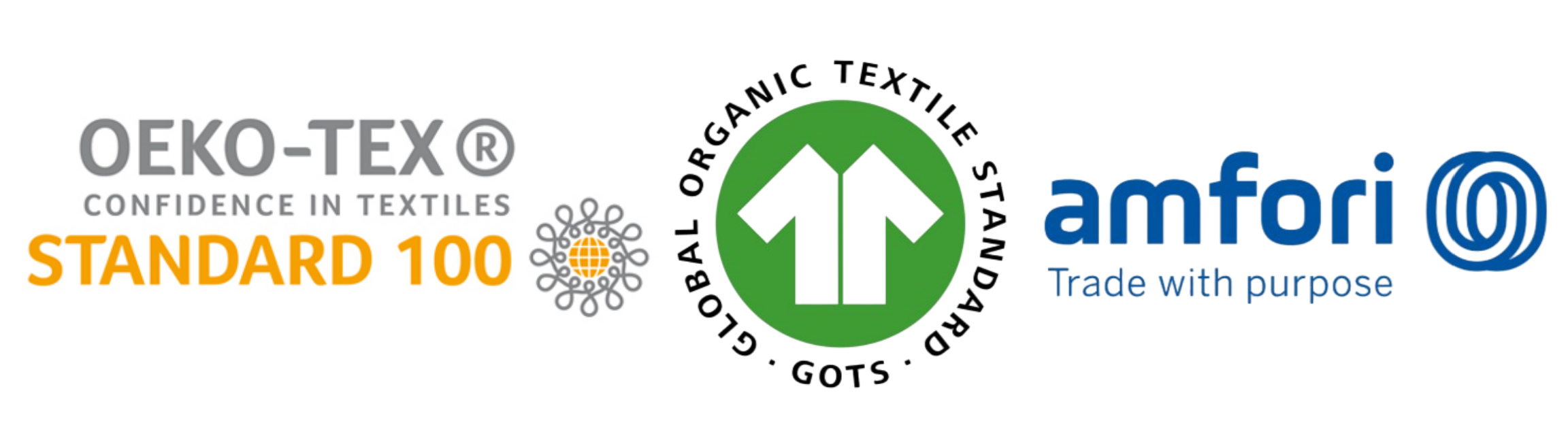
| OEKO‑TEX standard 100 | Tested for harmful substances |
| Bluesign | Environmentally friendly production |
| GRS | Verified recycled content |
How Certified Fabrics Reduce Chemical Exposure and Support Infant Comfort
When fabrics carry recognized seals, every step of their life – from fiber growing to dyeing and finishing – is independently verified. That means limits on pesticides, heavy metals, formaldehyde , and harmful finishing agents, and a documented chain-of-custody so materials truly match what the label promises. For babies, whose skin is thinner and their immune systems are still developing, this oversight translates into measurable reductions in residual chemicals and allergens next to delicate skin.
Beyond safety, certified textiles are engineered for everyday wear: natural fiber choices, low-impact dyes, and gentle finishing create softer, more breathable garments that help regulate temperature and reduce friction-related irritation. Caregivers also benefit from longer-lasting colors and fewer wash-related toxins.
- Lower chemical residues = reduced irritation and long-term exposure risk
- Breathable weaves = better temperature comfort for naps and play
- Proven supply chains = transparency you can trust
| Certification | What It Restricts | Infant Benefit |
|---|---|---|
| GOTS | Pesticides, toxic finishes | Softer organic cotton, less residue |
| OEKO‑TEX 100 | Harmful chemicals & dyes | Reduced skin irritation |
| Global Recycled Standard | Contaminants in reclaimed fibers | Cleaner recycled options |
Supply Chain Transparency and Practical Steps to Verify Fabric Certifications
Think of fabrics like stories: every fiber carries a traceable thread of origin, processing, and treatment. To keep those stories honest, ask suppliers for full chain-of-custody documentation, batch numbers, and certificate scan images, and insist on supplier contact details for the certifier. Small habits from the buying side-requesting recent audit summaries, demanding third‑party lab test results for harmful substances, and verifying wash-fastness and dye migration data-turn opaque supply chains into knowable systems. Practical verification steps include:
- Request certificates with serial numbers and check them against the certifier’s online directory.
- Ask for recent independent lab reports (e.g., for heavy metals, pesticides, and formaldehyde).
- Use QR codes or blockchain trace IDs when available to confirm origin and processing steps.
- Schedule periodic supplier audits or remote video walkthroughs to confirm on‑site practices.
Beyond documents, real assurance comes from cross-checking multiple sources: registries maintained by certifiers, third‑party testing laboratories, and onsite audit reports. Below is a quick reference to common certificates and simple ways to verify them before you greenlight production.
| Certification | Verifies | How to verify |
|---|---|---|
| GOTS | Organic fiber, environmental & social criteria | Check the certifier directory for the producer ID |
| OEKO‑TEX | Harmful substances & product class safety | Match the certificate number on the OEKO‑TEX site |
| GRS | Recycled content and chemical management | Confirm scope and certificate validity online |
Design and Production Best Practices for Working with Certified Materials
Think of certified fabrics as a thoughtful constraint that actually sparks better design: shorter seam lines, smarter pattern layouts, and generous seam allowances all protect delicate fibers and ensure wash durability without compromising aesthetics. Prioritize simple silhouettes that minimize fabric waste and stress points-tiny snaps, gentle elastic , and flatlock seams prolong garment life and respect the certification by avoiding aggressive treatments. Always specify finishes and dyes that are listed within the fabric’s certification scope; a lovely print isn’t worth it if the finishing process voids the certified status.
On the production floor, process clarity and gentle handling are your best friends. Build a quality rhythm that balances manual care with efficient manufacturing, and train teams to treat certified rolls as a supremely controlled raw material.
- Supplier verification: Keep copies of certificates and batch IDs with each shipment.
- Traceability: Tag rolls and cut orders so finished pieces link back to the certified lot.
- Pre-production testing: Run small wash-and-wear tests before full runs.
- low-impact machinery: Use gentle stitching settings and soft-feed rollers to avoid fabric damage.
- QC checkpoints: Inspect trims, dye consistency , and hand-feel at in-line stages, not just at final inspection.
Marketing Certified Credibility and Communicating Certification without Greenwashing
Parents buy baby clothes differently than other apparel – they buy peace of mind. A visible, verifiable certification does more than decorate a product page; it converts hesitation into confidence. Use third‑party validation, clear scope statements (what part of the garment is certified), and easy access to supporting documents – think downloadable certificates, QR codes on hangtags, and short summaries of lab reports – to build credibility without overselling. Authenticity comes from transparency: share where the fabric was grown, who tested it, and what the certification actually covers.
Practical dialog should be specific, not suggestive. Avoid vague adjectives and rather adopt these straightforward practices:
- Link the certificate to the certifier’s site and date the audit.
- Label the scope (e.g., “GOTS certified organic cotton – fabric only”).
- show proof with test summaries or QR access to reports.
- Use plain language that helps parents understand benefits and limits.
To keep marketing honest and effective, follow simple rules in design and copy. Below is a quick Do/Don’t guide you can paste into product pages or brand guidelines:
| Do | Don’t |
|---|---|
| Display certificate + link | Use “eco‑friendly” with no proof |
| Summarize test results | Rely on green imagery alone |
| State the certification scope | Imply whole‑product certification if only the fabric is covered |
Q&A
Q: What does ”certified fabrics” mean for baby clothing brands?
A: Certified fabrics are textiles that have been independently verified to meet specific standards – such as limits on harmful chemicals, sustainable production practices, or chain-of-custody rules. Certificates come from third-party bodies (e.g., GOTS, STANDARD 100 by OEKO‑TEX, GRS, Bluesign) and tell you that an accredited auditor reviewed the material or the process.
Q: Why are certified fabrics especially significant for baby clothing?
A: Babies have delicate skin and developing systems, so reducing exposure to harmful substances matters. Certified fabrics lower the risk of irritants, toxic finishes, and residues. They also give parents confidence that the product was made responsibly and transparently – a strong trust signal in a sensitive product category.
Q: Which certifications should baby clothing brands know about?
A: Common and relevant ones include:
– GOTS (Global Organic Textile Standard) – covers organic fiber content plus social and environmental criteria across the supply chain.
– STANDARD 100 by OEKO‑TEX – tests finished textiles for harmful substances.
– GRS (Global Recycled Standard) – verifies recycled content and chain of custody.
– bluesign - focuses on resource-efficient and low-impact manufacturing processes.
Each cert focuses on different risks and benefits; many brands combine them.
Q: Does certification guarantee a garment is 100% “chemical-free” or hypoallergenic?
A: No. Certifications primarily limit or prohibit certain substances and require testing, but they don’t promise zero chemicals. Even natural fibers are treated or dyed. “Hypoallergenic” isn’t a regulated term; certifications reduce known risks but don’t eliminate all possibilities of irritation or allergy.
Q: How does certification affect product safety and compliance?
A: Certification helps meet regulatory expectations and consumer safety best practices by demonstrating independent testing and controls. It does not replace legal compliance, but it supports claims and can simplify proving due diligence in case of safety questions.
Q: Will certified fabrics make my products bulkier, less durable, or less attractive?
A: Not necessarily. Certification concerns process and substance standards,not style. Quality, hand-feel, and durability depend on fiber type, yarn structure, finishing, and design. Many certified fabrics perform as well or better than conventional ones. However, specific finishes or treatments might be limited under some standards, influencing certain cosmetic effects.
Q: Aren’t certified fabrics much more expensive? Is the cost justified?
A: Certified fabrics often carry higher costs due to stricter sourcing, testing, and auditing. The investment can be justified by higher price points, stronger brand trust, reduced recall risk, and improved long-term supplier relationships. For many baby brands, the brand value and reduced liability outweigh the cost premium.
Q: How should a small or new baby clothing brand approach certification?
A: Practical steps:
– Start small: certify the most intimate items (onesies, sleepwear) first.
- Partner with experienced suppliers who already hold certificates.
– Ask for copies of certificates and test reports before buying.
– Consider product-level testing (OEKO‑TEX) as a first step; scale to supply-chain certifications (GOTS) as you grow.
– Communicate transparently with customers about what you certify and why.
Q: What documentation should brands request from fabric suppliers?
A: Ask for:
– A copy of the certificate showing scope, validity dates, and certified entity.
- The certificate number so you can verify it on the certifier’s site.
– Mill or supplier test reports for harmful substances, if available.
– Chain-of-custody paperwork for recycled or organic claims.
– Production batch records if you need traceability for specific lots.
Q: How can brands verify a certificate is real and current?
A: Verify the certificate number and holder on the certifier’s online database. Check validity dates and the exact scope (fiber, processing stage, product types). If in doubt, contact the certification body directly or request the supplier’s auditor reports.
Q: Can I label my product “organic” or “certified” without holding a certification myself?
A: You can state that the fabric used is certified by a specific standard (e.g., “made with GOTS-certified organic cotton”), but claims must be accurate and verifiable. If you want to label a finished product as, for example, “GOTS-certified,” most standards require the finished product and relevant parts of your supply chain to be audited and certified. always follow the certifier’s labeling rules.
Q: Do certifications guarantee supply chain transparency and worker welfare?
A: Some certifications (GOTS, Fair Trade, certain Bluesign criteria) include social and labor provisions and require audits, improving transparency and worker conditions. Others focus solely on chemical safety or material content. Check each standard’s scope to understand what it covers.
Q: How do certifications affect sustainability claims and marketing?
A: Certifications provide concrete, third-party-backed claims that can be used in marketing, making sustainability messages more credible. They help avoid vague or misleading statements (“greenwashing”) because certifiers provide specific criteria and documentation brands must follow.
Q: Are there any common myths brands should avoid?
A: Yes – examples:
– Myth: “One certification covers everything.” Reality: Standards have different scopes; you may need multiple certifications.- myth: “Certification makes the product entirely risk-free.” Reality: It substantially reduces many risks but not all.
– Myth: “Customers won’t care.” Reality: Many parents prioritize safety and sustainability and will choose brands they trust.
Q: Final practical tips for baby clothing brands considering certified fabrics?
A: Keep it strategic:
– Prioritize products with the highest skin contact.
– Request and verify documentation before committing.
– Work with suppliers who understand certification processes.
– Use clear, honest marketing language tied to the specific certificate.
- Track costs and benefits - certification is an investment in safety, reputation, and long-term resilience.
Takeaway: Certified fabrics aren’t a magic bullet, but they are a powerful tool for baby clothing brands - reducing chemical risks, strengthening trust, and backing sustainability claims with third-party verification. When used thoughtfully, they protect babies, parents, and the brand’s reputation.
 Future Outlook

A baby’s first layers do more than keep them warm – they carry the imprint of decisions made long before the garment reached a crib. Certified fabrics are a clear, testable signal that those decisions prioritized safety, chemical stewardship, and responsible sourcing. For brands, certifications reduce risk, build trust, and help communicate values in a crowded marketplace; for caregivers, they offer a straightforward way to compare claims and make informed choices.
Having mentioned that, a label is one tool among many. Certification is strongest when paired with transparent supply chains, independent testing, and sincere design choices that favor durability and comfort. Viewed this way, certifications become less a marketing badge and more a practical compass: they point brands toward better practices and help consumers navigate toward safer, more responsible baby clothing.
Choosing certified fabrics is about aligning intentions with evidence – stitching together safety, sustainability, and accountability into the smallest garments we entrust with our littlest ones.