
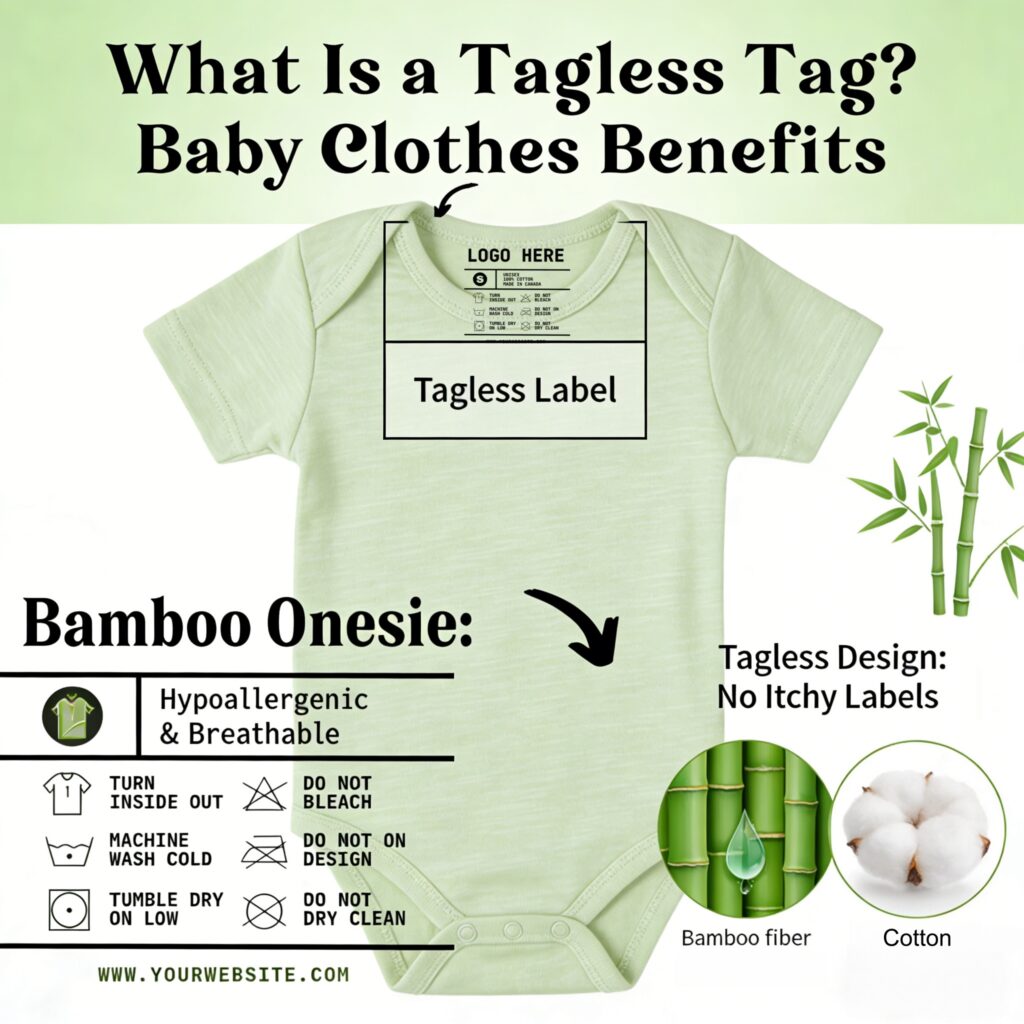
Small details often make the biggest difference, especially when that detail is a tiny scratchy label against a newborn’s soft neck. Enter the “tagless tag”: a modern choice to sewn-in fabric labels, usually applied as a soft printed or heat-transferred marking directly onto the garment. It carries the same essential size, care instructions, brand-but without a physical flap of fabric to rub, bunch, or be chewed on.
For baby clothes, tagless tags are more than a convenience; they address comfort, safety, and practicality in one subtle change. By eliminating bulky sewn labels, they reduce skin irritation and the risk of a loose tag becoming a choking or scratching hazard, while also standing up better to repeated washes and maintaining a cleaner look. In the sections that follow, we’ll explore how tagless tags are made, why parents and designers are adopting them, and what to consider when choosing truly baby-friendly, tagless apparel.
Table of Contents
- What is a Tagless tag, and how does it differ from Traditional Labels
- Why Tagless Tags Improve Comfort and Reduce Skin Irritation in Babies
- fabric Choices, Printing methods, and Care Tips for Long-Lasting Tagless Labels
- Smart Buying Guide for Tagless Baby Clothes, Including Fit Safety and Practical Recommendations
- Q&A
- In Conclusion
What Is a Tagless Tag and How Does It Differ from Traditional Labels
Imagine the tiny care label reimagined as a whisper of ink against your baby’s skin rather than a folded fabric tab snagging at chins and necklines. These modern printed or heat-transferred labels sit flat and pliant, offering softness and no-scratch contact, whereas traditional tags often cause redness or fuss. As the information-size, fabric, and washing instructions are integrated into the seam or inner hem, garments feel smoother and are less likely to irritate sensitive skin.
Compared with sewn-in fabric tags, this approach brings practical differences and subtle trade-offs:
- Comfort: minimal bulk and seamless feel.
- Durability: Gentle fading can occur over many washes, unlike embroidered tags.
- Safety: Eliminates tiny edges and threads that babies might tug.
- Design versatility: Cleaner aesthetics and easier branding placement.
| Feature | Printed label | Sewn Tag |
|---|---|---|
| Skin feel | Ultra-soft | Can rub |
| Wash longevity | May fade | Long-lasting |
| Choking/tug risk | Low | Higher |
Why Tagless Tags Improve Comfort and Reduce Skin Irritation in Babies
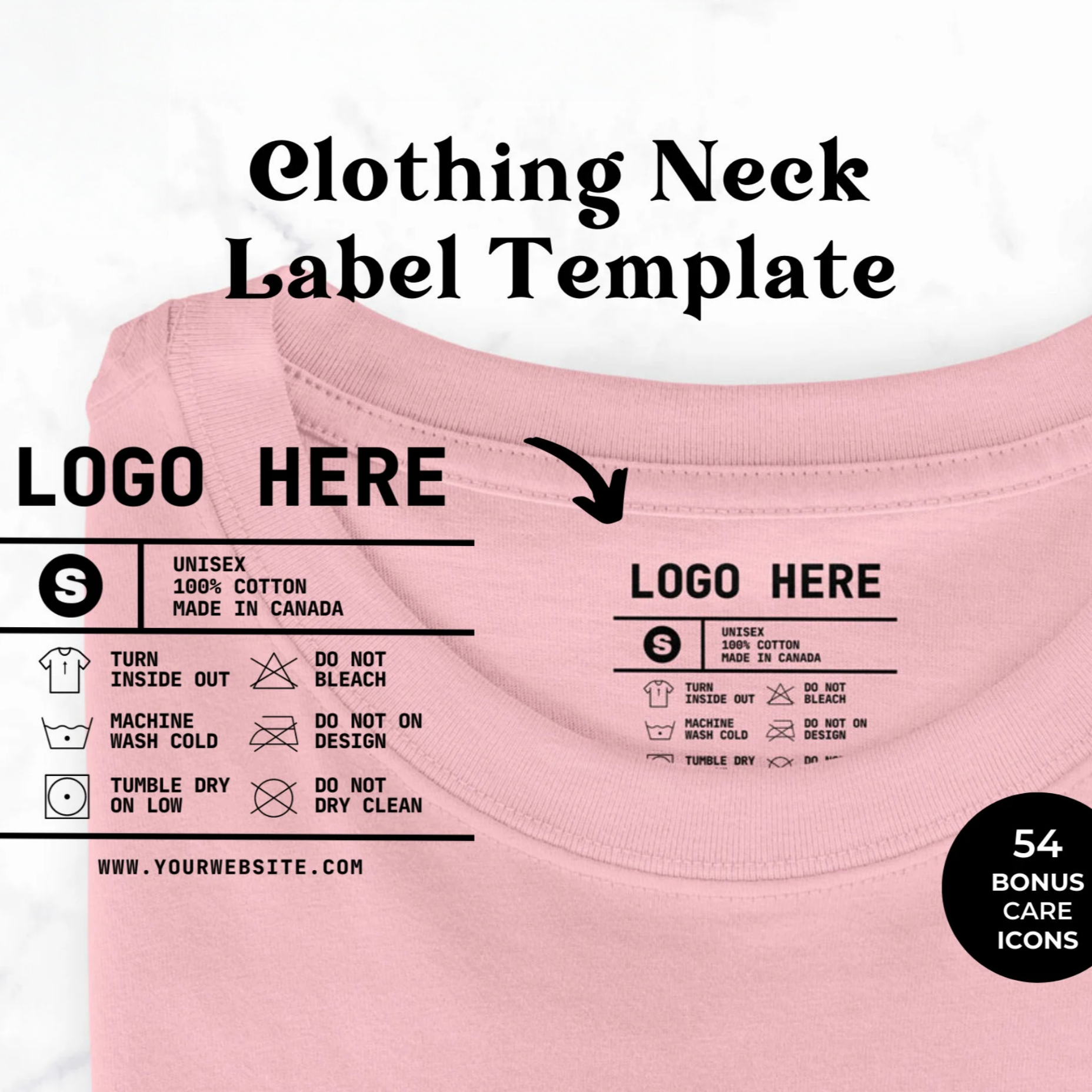
Soft, printed labels lie flat against a baby’s skin, removing the stiff tags that often rub, scratch, and collect moisture. Without those raised seams, clothing moves with the body, so there’s less chafing in sensitive areas like the neck, underarms, and diaper line. For newborns and little ones with reactive skin, eliminating that tiny, constant irritation can mean fewer red patches and more agreeable naps.
Small design changes deliver big, practical wins:
- Reduced friction: a smooth label surface prevents abrasion during movement.
- Lower moisture traps: no folded tag creases where sweat and bacteria can linger.
- Fewer irritants: simpler materials and inks reduce exposure to rough threads and allergens.
- Better fit and sleep: garments lie flat, so babies are less likely to wake from discomfort.
Swift comparison at a glance:
| Feature | Woven Tag | Printed tag |
|---|---|---|
| Surface feel | Raised / scratchy | Flat/soft |
| Skin reaction | Possible irritation | Minimal risk |
| Moisture pockets | Common | Rare |
| Longevity in wash | Can curl or fray | Stays smooth |
Fabric Choices, Printing Methods, and Care Tips for Long-Lasting Tagless Labels
Soft, breathable knits like organic cotton and bamboo blends make the best canvas for tagless labels – they take prints smoothly, feel gentle on baby’s skin, and reduce irritation. For sturdier pieces (sweatshirts, outer layers), midweight cotton-poly blends or interlock knits resist stretching, so the tagless print stays crisp through wear. Lightweight jersey holds shining detail well but may show pilling faster, so pairing fabric choice with the right printing method is key to longevity.
Print methods differ in how they bond with fibers: screen printing and durable heat-transfer inks are excellent for bold, long-lasting marks on cotton blends; DTG (direct-to-garment) gives softer, more detailed results on untreated cotton; and silicone or thermoplastic prints provide stretch and a soft hand for activewear. Quick care checklist for keeping tagless labels readable and comfy:
- Wash inside out on a gentle, cold cycle
- Avoid bleach and fabric softeners that break down inks
- Tumble dry low or hang to dry; low iron on reverse if needed
- Skip dry cleaning and high-heat ironing directly over labels
| Fabric | Recommended Print | Care Note |
|---|---|---|
| organic Cotton | DTG / Water-based Screen | Cold wash, low heat |
| Bamboo Blend | Silicone Transfer | Gentle cycle, hang dry |
| Polyester Activewear | Heat Transfer Vinyl | Avoid high heat |
Smart Buying Guide for Tagless Baby Clothes: Including Fi,t Safety and Practical Recommendations
Think like a tiny wardrobe stylist: prioritize soft, breathable fabrics and a fit that moves with your baby rather than against them. Look for garments with flat seams, tag-free necklines, and secure closures-metal-free snaps or covered zippers reduce irritation and choking hazards. Check neck and sleeve openings so you can pull clothes on and off without tugging; a slightly roomier waist and a snug (not tight) cuff help keep layers in place while allowing freedom to kick and stretch.
- Comfort: 100% cotton or cotton blends with a high cotton percentage for breathability.
- Safety: No loose buttons, drawstrings, or exposed elastic-reinforced snaps are ideal.
- Practicality: Machine washable, colorfast prints, and convertible features (mitts/feet) for newborns.
- Return-friendly: buy from sellers with easy returns in case the fit or fabric feels off.
Use the quick-fit table below as a simple shopping cheat-sheet, then follow gentle-care steps to keep tagless pieces soft and safe. Regularly inspect seams and fastenings after washes and move up a size when mobility becomes restricted, rather than waiting for visible tightness-comfort is the best indicator of fit.
| Age | Fit tip | When to size up |
|---|---|---|
| Newborn | Snap-front for easy changes | Hands/feet become cramped |
| 3-6 months | room for rolling and kicking | Sleeves ride up when stretching |
| 12+ months | Durable seams for active play | Signs of strain at seams or closures |
Q&A
Q: What is a “tagless tag”?
A: A “tagless tag” is a printed or heat-transferred label applied directly to the fabric of a garment instead of a sewn-in fabric tag. It carries the same information-brand, size, care instructions, materials-but sits flat on the inside of the clothing so there’s no loose sewn label to rub against the skin.
Q: How is a tagless label made?
A: Common methods include heat-transfer printing, screen printing, and silicone or vinyl transfers. The chosen ink or material is bonded to the fabric using heat and pressure, so it becomes part of the garment’s inner surface.
Q: Why are tagless labels popular for baby clothes?
A: Babies have very sensitive skin and often react to seams and tags. Tagless labels reduce irritation, eliminate scratchy edges, and remove a potential source of rubbing or redness. They also simplify dressing and undressing, as there’s no tag to catch or fold.
Q: Are tagless labels safer for infants?
A: Tagless labels remove a loose sewn tag that could be chewed or partially detached-reducing minor choking or discomfort risks. Though tagless printing is still a surface treatment, you should choose quality manufacturing to avoid inks or adhesives that could flake.
Q: Do tagless labels last through washing?
A: Quality tagless prints are formulated to withstand repeated laundering, but durability depends on the method and materials used. Heat-transfer and high-quality screen prints tend to last well; cheaper prints can fade, crack, or peel over time.
Q: Can tagless labels contain all required information (size, fiber content, care)?
A: Yes. Many tagless labels include size, fiber composition, care instructions, and country of origin. Manufacturers must follow local labeling regulations, so ensure the garment provides the legally required details-sometimes on a separate stitched label in larger items.
Q: Are tagless labels hypoallergenic?
A: Tagless labels themselves aren’t inherently hypoallergenic. Whether they’re suitable depends on the inks, adhesives, or coatings used. Reputable baby clothing brands often use phthalate-free, non-toxic inks and advertise compliance with safety standards.
Q: Do tagless labels affect how soft the clothing feels?
A: Properly applied tagless labels are thin and lie flat, so they usually do not change the overall softness. In contrast, sewn tags or their seams can make a small area feel rougher.
Q: Any downsides to tagless labels?
A: Potential downsides include reduced durability if low-quality inks are used (leading to peeling or fading), and sometimes less room for extensive care or regulatory information on very small garments. Also, label prints can stiffen the fabric slightly at the print site if thick materials are used.
Q: How should I care for baby clothes with tagless labels?
A: Follow the printed care instructions. Generally, wash inside-out on a gentle cycle with mild detergent and avoid high-heat drying to preserve the print. Avoid harsh bleach or abrasive washing that can break down the printed label.
Q: Are tagless labels more expensive?
A: Tagless labeling can be cost-effective at scale; sometimes it’s comparable to sewn tags. For small batches, specialized printing may add cost, but many brands use tagless methods as a standard for baby lines because of comfort benefits.
Q: How can I tell if a baby garment is tagless?
A: Look inside the neckline or waistband-if the label information is printed directly onto the fabric rather than a separate sewn piece, it’s tagless. Retail descriptions frequently note “tagless” or “no-scratch tags” as a selling point.
Q: Should I choose tagless for newborns?
A: Tagless clothing is a good option for newborns because it minimizes potential skin irritation. If your baby has known sensitivities, check the brand’s materials and ink safety statements to ensure compatibility.
Q: Do tagless labels have environmental advantages?
A: They can reduce waste from extra fabric labels and streamline manufacturing, but environmental impact depends on the inks and transfer materials used. Look for brands that use water-based inks or environmentally responsible transfer processes if sustainability is a priority.
Q: Bottom line: Are tagless tags a good choice for baby clothes?
A: For comfort and reduced irritation, yes-tagless tags are generally a better choice for baby clothes. To get the full benefit, choose garments from reputable makers that use durable, non-toxic inks and follow care instructions to prolong label life.
In Conclusion
Soft, simple, and sensible: that’s the short version of what a tagless tag brings to baby clothes. By replacing sewn-in labels with printed or heat-transferred information, tagless solutions remove a common source of irritation, lower the risk of scratching or allergic reaction, and eliminate loose threads or small parts that can be a safety concern. They also keep garments looking cleaner and make care instructions easy to read without adding bulk.
For parents and caregivers, the benefit is practical and also emotional – fewer fussy moments dressing a child, and greater peace of mind about comfort and safety. When shopping for infants, choosing tagless options can be a small, thoughtful step toward making everyday clothing kinder to delicate skin. A tiny label-less detail can translate into noticeably gentler wear for the littlest ones.