
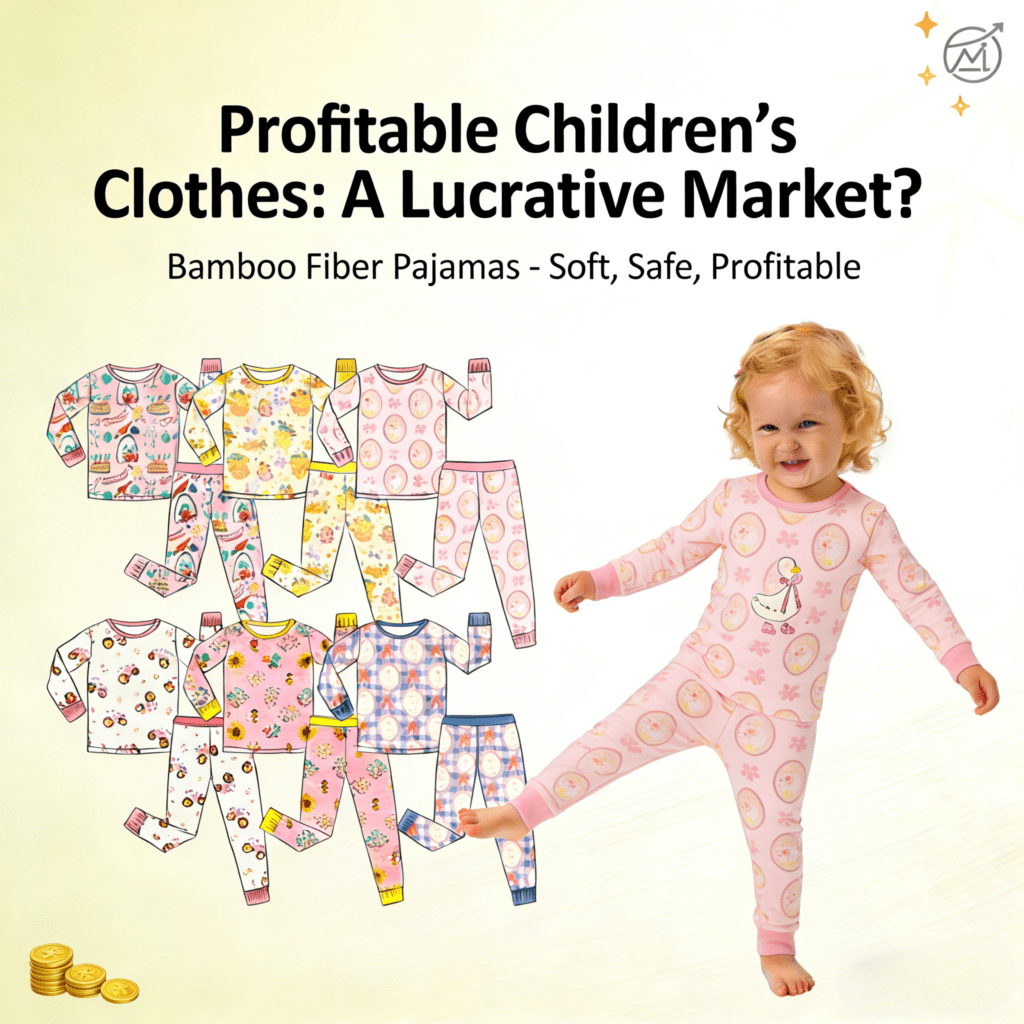
In a world where fashion trends constantly evolve and children grow faster than ever, the children’s clothing industry remains a lucrative and ever-changing market. With parents always looking to keep their little ones stylish and comfortable, the question often arises: Is selling children’s clothes profitable? Let’s explore the ins and outs of this niche market and uncover the potential for success in the business of dressing the next generation.
Table of Contents
- A Growing Market for Children’s Clothing
- Trends and Preferences in Children’s Fashion
- Key Factors for Success in the Children’s Clothing Industry
- Targeting the Lucrative Children’s Clothing Market
- Strategies for Building a Profitable Children’s Clothing Business
- Q&A
- In Retrospect
A Growing Market for Children’s Clothing
When it comes to the children’s clothing market, there’s no denying that it’s a lucrative and growing industry. With parents constantly looking for the latest and cutest outfits for their little ones, there’s a high demand for children’s clothes across the globe. But the big question is — is selling children’s clothes really profitable?
The short answer is yes. The children’s clothing market is thriving, with global sales reaching billions of dollars each year. As parents become more conscious of their children’s comfort and fashion, they’re willing to spend more on high-quality, stylish, and durable clothing. With the right manufacturing partner, marketing, and branding, selling children’s clothes can lead to a profitable and sustainable business venture.
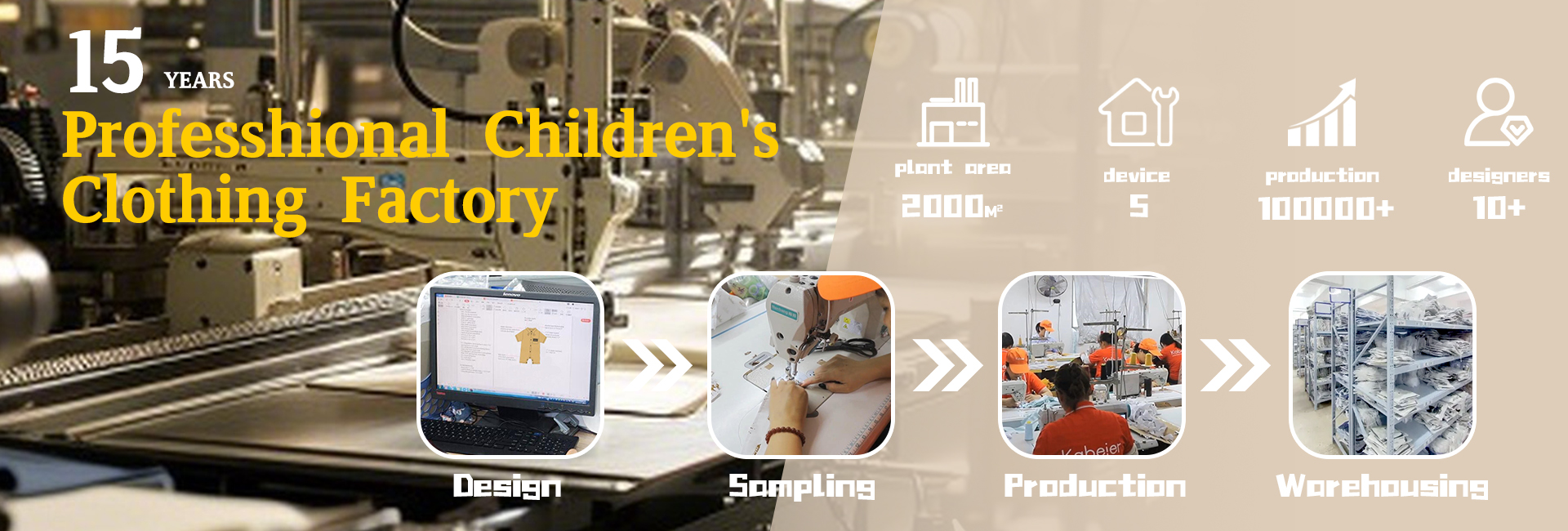
Whether you’re a small boutique owner, a custom brand, or an online retailer, there’s great potential for success in this market. With the rise of e-commerce, it’s easier than ever to reach a wider audience and expand your customer base. By partnering with experienced manufacturers such as Kabeier, businesses can streamline production, ensure quality, and focus more on branding and growth.
 Trends and Preferences in Children’s Fashion

There is no denying that the children’s fashion industry is a lucrative market, with the global kids’ clothing market expected to reach 180 billion dollars by 2024. As parents continue to prioritize fashion and style for their little ones, the demand for trendy and high-quality kids’ clothing is on the rise. This growing market presents a great opportunity for entrepreneurs and businesses to tap into the potential of selling children’s clothes.
One key factor in the profitability of selling children’s clothes is the ever-changing nature of kids’ fashion trends and preferences. Parents are constantly seeking out the latest styles and designs for their children, creating a need for a wide range of clothing options. From classic, timeless pieces to trendy, fashion-forward outfits, there is a diverse market for children’s clothing that caters to different styles and preferences. By offering a variety of clothing options, businesses can cater to a wider audience and meet the demands of parents looking for stylish and on-trend clothing for their kids.
Furthermore, the rise of online shopping has made it easier for businesses to reach a larger customer base and expand their market reach. With the convenience of online shopping, parents can easily browse through a wide range of children’s clothing options and make purchases from the comfort of their homes. This shift towards e-commerce has opened up new opportunities for businesses to sell children’s clothes globally, reaching customers beyond their local market. By leveraging the power of e-commerce, businesses can maximize their profitability and capitalize on the growing demand for children’s fashion.
Key Factors for Success in the Children’s Clothing Industry
The children’s clothing industry can be highly profitable for savvy entrepreneurs who understand the key factors for success in this niche market. With the right strategies and approach, selling children’s clothes can indeed be a lucrative business opportunity. Here are some essential factors to consider when evaluating the profitability of this industry:
1. Target Audience: One of the most critical factors for success in the children’s clothing industry is understanding your target audience. This includes not just the children who will wear the clothes, but also their parents or caregivers who make purchasing decisions. Understanding their preferences, buying behavior, and shopping habits is essential for creating and marketing products that resonate with them.
2. Trend Awareness: Staying on top of the latest trends in children’s fashion is crucial for success in this industry. With the ever-changing preferences and styles of young consumers, it’s important to keep abreast of current and upcoming trends. This includes not only the latest fashion styles, but also the use of sustainable materials and ethical production practices, which are becoming increasingly important to today’s parents.
3. Marketing and Distribution: Effectively marketing and distributing children’s clothing is key to profitability. This can involve selling through various channels such as online platforms, brick-and-mortar stores, and even wholesale partnerships. A strong online presence, engaging social media marketing, and creative branding are also essential for reaching and connecting with the target audience.
The profitability of selling children’s clothes is highly dependent on various factors such as understanding the target audience, staying updated with trends, and deploying effective marketing and distribution strategies. With the right approach, the children’s clothing industry offers ample opportunities for entrepreneurs to succeed and thrive in this competitive market.
Targeting the Lucrative Children’s Clothing Market
The global children’s clothing market is projected to exceed $350 billion by 2027, making it one of the most dynamic segments in fashion. The consistent demand — fueled by parents seeking stylish, safe, and comfortable clothing — makes this an attractive industry for wholesalers and private labels.
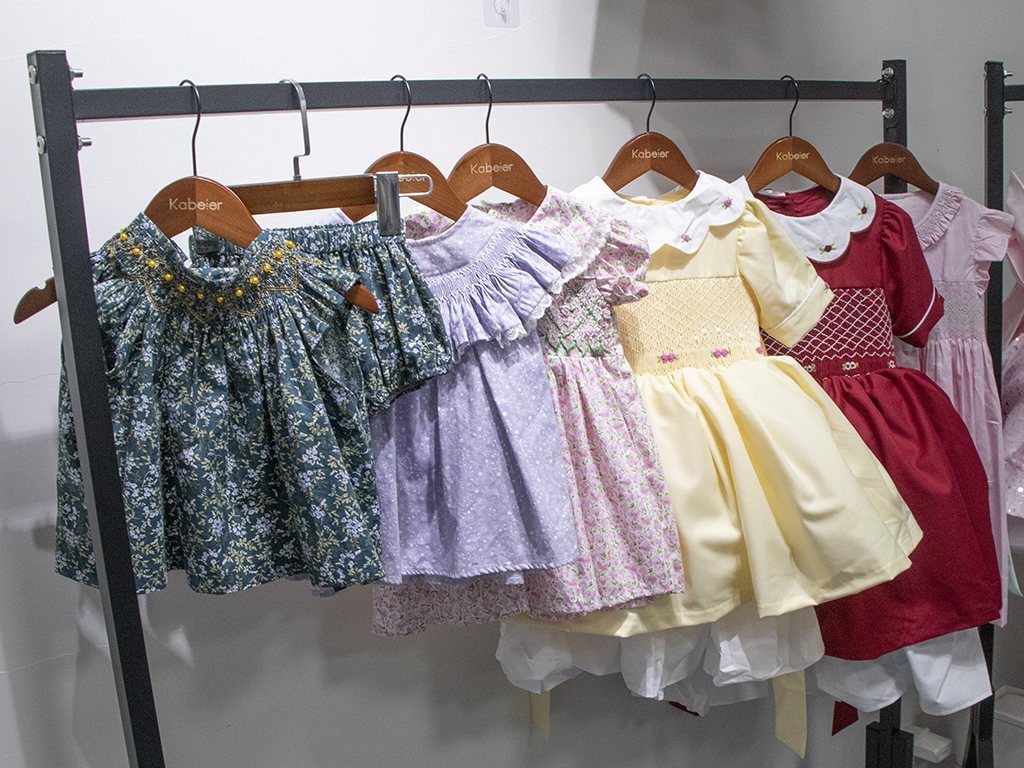
By offering customized, high-quality products, you can tap into multiple demographics — from newborns to pre-teens — and adapt to seasonal trends such as back-to-school or holiday wear. At Kabeier, we help businesses take advantage of these opportunities by offering OEM (Original Equipment Manufacturing) and ODM (Original Design Manufacturing) services tailored to your market.
Strategies for Building a Profitable Children’s Clothing Business
Selling children’s clothes can indeed be a profitable venture for entrepreneurs who are willing to put in the effort and employ effective strategies. The children’s clothing industry is a multi-billion-dollar market that continues to grow, offering numerous opportunities for those looking to tap into this lucrative sector. While it is indeed profitable, it is essential to be aware that, like any business, it requires careful planning and execution to succeed.
Here are some essential strategies for building a profitable children’s clothing business:
- Find a Niche: Identifying and targeting a specific niche within the children’s clothing market can provide a competitive edge. Whether it’s organic and eco-friendly clothing, personalized apparel, or a particular age group, specializing in a niche can help set your business apart from the competition.
- Quality and Variety: Offering high-quality and diverse clothing options can attract more customers and foster repeat business. Parents are often willing to invest in well-made and durable clothing for their children, so ensuring that your products meet these standards is crucial.
- Online Presence: In today’s digital age, having a strong online presence is essential for any business. Selling children’s clothes online through an e-commerce platform or a website can significantly expand your reach and customer base. Utilizing social media and digital marketing can also help in driving traffic to your online store.
- Branding and Marketing: Building a strong brand and implementing effective marketing strategies is vital for success. Creating a recognizable brand identity and promoting it through various channels can help in cultivating customer loyalty and attracting new clients.
At Kabeier, we specialize in creating premium Bamboo Baby Clothing and beautifully crafted Girl Smocked Dresses. Our designs are thoughtfully made with natural, eco-friendly bamboo fabric, ensuring ultimate comfort for your little ones. From soft, breathable baby rompers to charming smocked dresses for girls, every piece is crafted with love, precision, and a commitment to providing the best in both style and comfort. Let us help you offer your customers products that combine timeless elegance with the benefits of sustainable materials.
Q&A
Q: Is selling children’s clothes profitable?
A: Yes, selling children’s clothes can be a profitable business if done right.
Q: What are some factors that make selling children’s clothes profitable?
A: Factors such as a high demand for children’s clothing, a loyal customer base, and the ability to stay updated with current fashion trends can contribute to the profitability of selling children’s clothes.
Q: What are some challenges of selling children’s clothes?
A: Some challenges of selling children’s clothes may include keeping up with changing fashion trends, competition from big retailers, and effectively marketing to parents.
Q: What are some tips for maximizing profits when selling children’s clothes?
A: Some tips for maximizing profits when selling children’s clothes include offering a variety of styles and sizes, setting competitive prices, and providing excellent customer service.
Q: What are some popular children’s clothing items that tend to sell well?
A: Popular children’s clothing items that tend to sell well include seasonal clothing like winter coats and swimsuits, as well as trendy items such as graphic tees and dresses.
Q: Is it important to have an online presence when selling children’s clothes?
A: Yes, having an online presence is important for reaching a wider customer base and staying competitive in the market.
Q: What are some key factors to consider when pricing children’s clothes?
A: Key factors to consider when pricing children’s clothes include the cost of production, market demand, and the pricing strategies of competitors.
In Retrospect
The profitability of selling children’s clothes depends on market understanding, creative branding, and choosing the right production partner. With the support of an experienced manufacturer like Kabeier, businesses can confidently enter or expand within the global children’s fashion market.
Whether you’re an established retailer or starting your first custom brand, Kabeier is here to help you grow — offering high-quality products, flexible customization, and reliable wholesale manufacturing.
📩 Contact Kabeier today to discuss your project or request a quote. Let’s create something special for the next generation — together.