
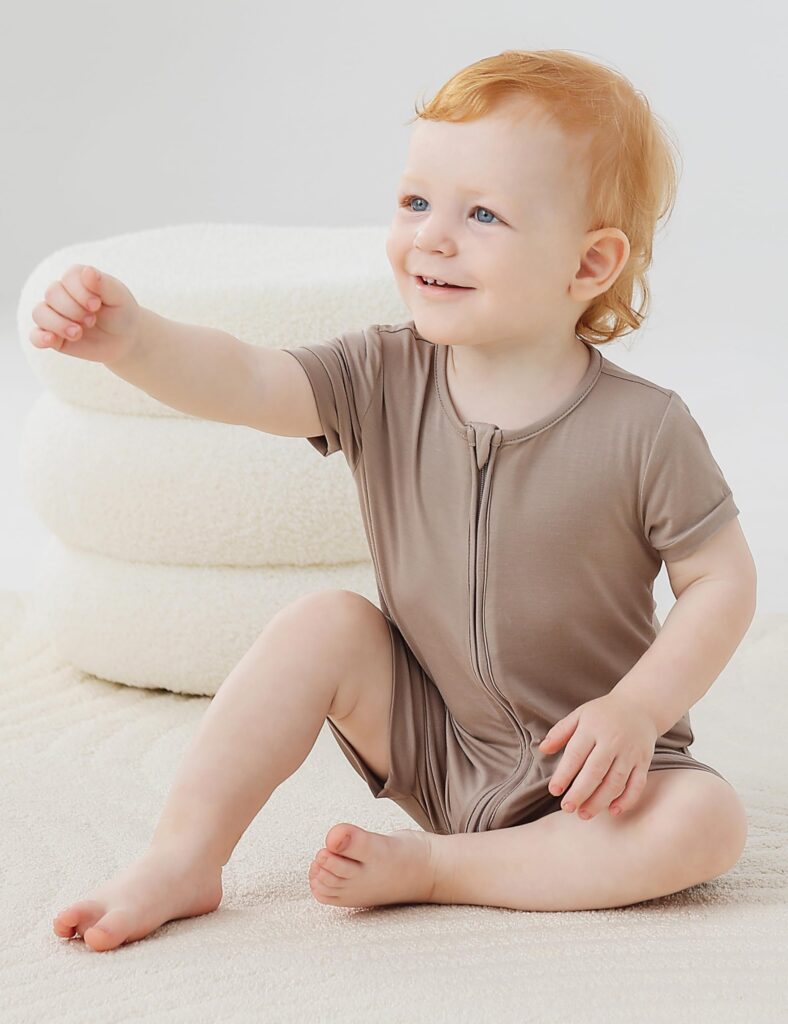
In the world of baby apparel, comfort and sustainability have become top priorities for modern parents – and that’s where bamboo infant clothing steps in. Known for its silky softness, breathable texture, and eco-friendly appeal, bamboo fabric is quickly gaining popularity as a top choice for baby wear. For startups looking to enter this promising market, the journey begins with sourcing the right products – but navigating wholesale suppliers can be tricky, especially when you’re working with tight budgets and low order quantities. In this article, we’ll explore how new businesses can successfully source bamboo infant clothing with low minimum order quantities (MOQs), helping you build a stylish, lasting brand without the hefty upfront investment.
Table of Contents
- Understanding the Appeal of Bamboo in Baby Clothing
- Key Factors When Choosing a Bamboo Baby Clothes Wholesaler
- Navigating MOQ Requirements without Sacrificing Quality
- Smart Sourcing Strategies for Small Batch Orders
- Building Long-Term Relationships with Ethical Suppliers
- Q&A
- Wrapping Up
Understanding the Appeal of Bamboo in Baby Clothing

Bamboo fabrics have found their way into nurseries and diaper bags for all the right reasons. Parents looking for sustainable, safe, and soft options for their baby’s wardrobe are naturally drawn to this remarkable fabric. What sets it apart is its luxurious texture – often compared to cashmere – that’s gentle on delicate skin. For brands, this means carrying a product with both tactile and emotional appeal.
Beyond softness,bamboo clothing boasts natural temperature regulation,keeping babies cool in summer and warm in winter . It’s also highly absorbent and breathable, reducing the risk of rashes and irritation. For eco-conscious buyers, the environmental benefits are just as compelling. Bamboo grows rapidly without the need for pesticides, making it a sustainable resource from seed to stem.
- Hypoallergenic: Ideal for sensitive or eczema-prone skin
- Biodegradable: Leaves a smaller environmental footprint
- UV resistant: Offers some protection from harmful rays
- Durable and stretchy: Suits the fast-paced growth of infants
| Feature | Benefit for Babies |
|---|---|
| Soft Texture | Agreeable for all-day wear |
| Breathability | Prevents overheating |
| Stretchability | Moves with active babies |
Key Factors When Choosing a bamboo Baby Clothes Wholesaler

- Material Certifications: Look for OEKO-TEX or GOTS certifications to ensure the fabric is safe for infant skin.
- Low MOQ Flexibility: Choose suppliers that offer scalable minimum order quantities so your business can start small and grow.
- Customization Options: If you plan to offer private-labeled apparel, prioritize partners that support custom tags, colors, and prints.
- Clarity: Suppliers who provide real-time tracking, sample photos, and open communication will save you time and stress.
- Production Turnaround: Understand how long it takes from design approval to shipping, especially if you’re planning seasonal drops or product launches.
| Feature | Reason It Matters |
|---|---|
| Eco-Certified Materials | Safe for baby’s skin & sustainable |
| Flexible MOQ | reduces upfront investment |
| Lead Time Disclosure | Supports better inventory planning |
| Responsive Support | Solves issues quickly |
| Private Label Services | Helps build your brand identity |
Navigating MOQ Requirements without Sacrificing Quality
When you’re sourcing bamboo baby clothes in bulk, meeting Minimum Order Quantity thresholds can feel like a balancing act. The key is to work with manufacturers who understand the unique needs of small-to-medium businesses and are open to flexibility. Many boutique-friendly suppliers now offer scalable packages that don’t compromise the softness, breathability, and safety parents expect from bamboo textiles.
To maintain high standards while managing order size, consider these strategic approaches:
- Partner with niche-focused suppliers – Look for vendors specializing in eco-friendly baby apparel with small-batch production capability.
- Opt for pre-curated sets – Choose collections of best-selling items in assorted sizes/colors to meet MOQ painlessly.
- Inquire about private label options – Some manufacturers offer branding flexibility on lower-volume orders.
- Negotiate on fabric type or color variety – Limiting variations in a first order can often reduce MOQ.
Here’s a quick comparison between different MOQ strategies and how they can impact your brand and inventory flow:
| Strategy | MOQ Impact | Quality Risk | Best For |
|---|---|---|---|
| bulk Basic Styles | Low | Very Low | New boutiques |
| Shared Production | Medium | Low | Collaborative sellers |
| Seasonal Preorders | Flexible | Very Low | established brands |
| Full Custom orders | High | Moderate | Private labels |
Creative ordering methods give you more power to scale your offerings without overcommitting. Whether you’re curating your first organic bamboo collection or growing your eco-friendly product line, knowing your options will help you stay nimble while delivering top-tier quality to your customers.
Smart Sourcing Strategies for Small Batch Orders
- Partner with drop shipping-friendly suppliers - They manage inventory while you focus on branding and sales.
- Join private label programs – Some bamboo baby apparel makers offer branding options for small runs.
- Leverage pre-order strategies – Gauge customer interest before placing a larger purchase.
- Explore local manufacturers or trade hubs – Reduces shipping costs and lead times for flexible restocking.
Here’s a quick comparison to help evaluate sourcing options:
| Supplier Type | MOQ | Lead Time | Customization |
|---|---|---|---|
| Eco Wholesaler | 25 units | 7-10 days | Tag & Label |
| Private Label Partner | 50 units | 14-21 days | Full Branding |
| Drop Ship Platform | 1 unit | 5-7 days | Limited |
Building Long-Term Relationships with Ethical Suppliers
Trust and transparency are the cornerstones of any sustainable sourcing strategy-especially in the world of bamboo baby clothes. Partnering with suppliers who align with your ethical standards is more than just a moral choice; it impacts your brand’s reputation and longevity. When you find a manufacturer that understands the nuances of organic fabrics, fair labour conditions, and eco-conscious production, hold on tight. These are the relationships that will help your business weather changes in demand, seasonality, and market trends.
Start by vetting your potential partners through meaningful questions and small, low-risk orders. Here are a few ways to nurture these important connections:
- Communicate openly about expectations, minimums, and timelines.
- Visit facilities when possible, or request detailed manufacturing reports.
- Recognize their efforts-acknowledging consistent quality and ethics can go a long way.
- Offer feedback constructively to build mutual growth goals.
Strong supplier relationships are built like bamboo: rooted deeply, flexible in storms. As your business expands,maintaining these partnerships ensures consistent material quality-especially important with delicate textiles like bamboo viscose. A trusted partner is often open to negotiating lower MOQs, especially when you’re transparent about your plans and show commitment.
| Supplier Trait | Why It Matters |
|---|---|
| Eco-Certified | Ensures bamboo fabric sourcing meets environmental standards |
| Responsive Communication | Helps resolve sampling or quality issues quickly |
| Fair Labor Practices | Builds trust and aligns with ethical brand values |
| Low MOQ Flexibility | Supports growth-phase businesses with smaller budgets |
Q&A
Q&A: Bamboo Infant Clothing Wholesale-How to Source with Low MOQs for Startups
Q: Why is bamboo fabric a popular choice for infant clothing?
A: Bamboo fabric has gained popularity in the baby apparel sector for good reason. It’s naturally hypoallergenic, incredibly soft, and breathable-offering an ideal combination for sensitive infant skin. It’s also sustainably grown, making it a top pick for eco-conscious brands and parents alike.
Q: What does MOQ mean, and why is it especially important for startups?
A: MOQ stands for Minimum Order Quantity-the smallest amount of product a supplier is willing to sell in a single order. For startups, high MOQs can be a barrier to entry due to limited budgets and storage space. Finding wholesalers who offer low MOQs is crucial for testing products without a large upfront investment.
Q: How can a new brand source bamboo infant clothing with low MOQs?
A: Startups should consider multiple sourcing strategies:
- Explore Small-Batch Manufacturers: Some factories specifically cater to startup needs and offer customizable options with lower minimums.
- Use Wholesale Marketplaces: Platforms like Faire, Alibaba, or Ankorstore may list verified suppliers willing to negotiate lower MOQs.
- Attend Trade Shows-Virtually or In-Person: These are excellent venues to meet suppliers who are open to working with emerging brands.
- Reach Out Directly: Don’t hesitate to contact manufacturers and ask about flexible order sizes, especially if you express long-term brand potential.
Q: Are there any common misconceptions about sourcing bamboo clothing at wholesale?
A: One common myth is that bamboo clothing is always expensive or comes with sky-high MOQs. While premium pricing reflects the sustainable nature of the fabric, plenty of suppliers-especially those aiming to work with boutique brands-offer reasonable terms. Another misconception is that wholesale necessarily means large orders; many suppliers are open to low-volume collaborations if approached thoughtfully.
Q: What should startups look for in a wholesale partner for bamboo infant clothing?
A: Key qualities include:
- Transparency in production practices and material sourcing.
- Flexible MOQs suited to growing businesses.
- Quality Assurance certifications or samples.
- Responsive Communication, essential for long-term collaboration.
- Ethical Manufacturing Standards, especially if you’re building a sustainable brand narrative.
Q: Can private labeling be done with low MOQs?
A: Yes, but it may require a more strategic approach. Some manufacturers offer white-label or semi-custom options at lower volumes-where you can add your brand tags to pre-designed pieces. Fully custom designs typically require a higher MOQ, but hybrid options exist for those not quite ready to scale up.
Q: Any final tips for startups entering the bamboo babywear market?
A: Start small, test the market, and prioritize quality. Use feedback from early customers to refine your offerings. Remember, the goal isn’t just to buy products-it’s to build a brand that parents trust. Strong supplier relationships, clear communication, and commitment to sustainability can set the foundation for lasting success.
Wrapping Up
In the ever-growing world of sustainable baby wear, bamboo infant clothing offers a unique blend of softness,eco-conscious elegance ,and growing consumer appeal. For startups aiming to make their mark, sourcing wholesale with low minimum order quantities isn’t just a logistical advantage-it’s a strategic gateway to testing the market and building a resilient brand from the ground up. By connecting with the right suppliers, understanding the nuances of bamboo textiles, and staying aligned with consumer values, emerging businesses can wrap their beginnings in comfort and confidence. After all, in the world of infant fashion, even the smallest step can lead to something beautifully big.