
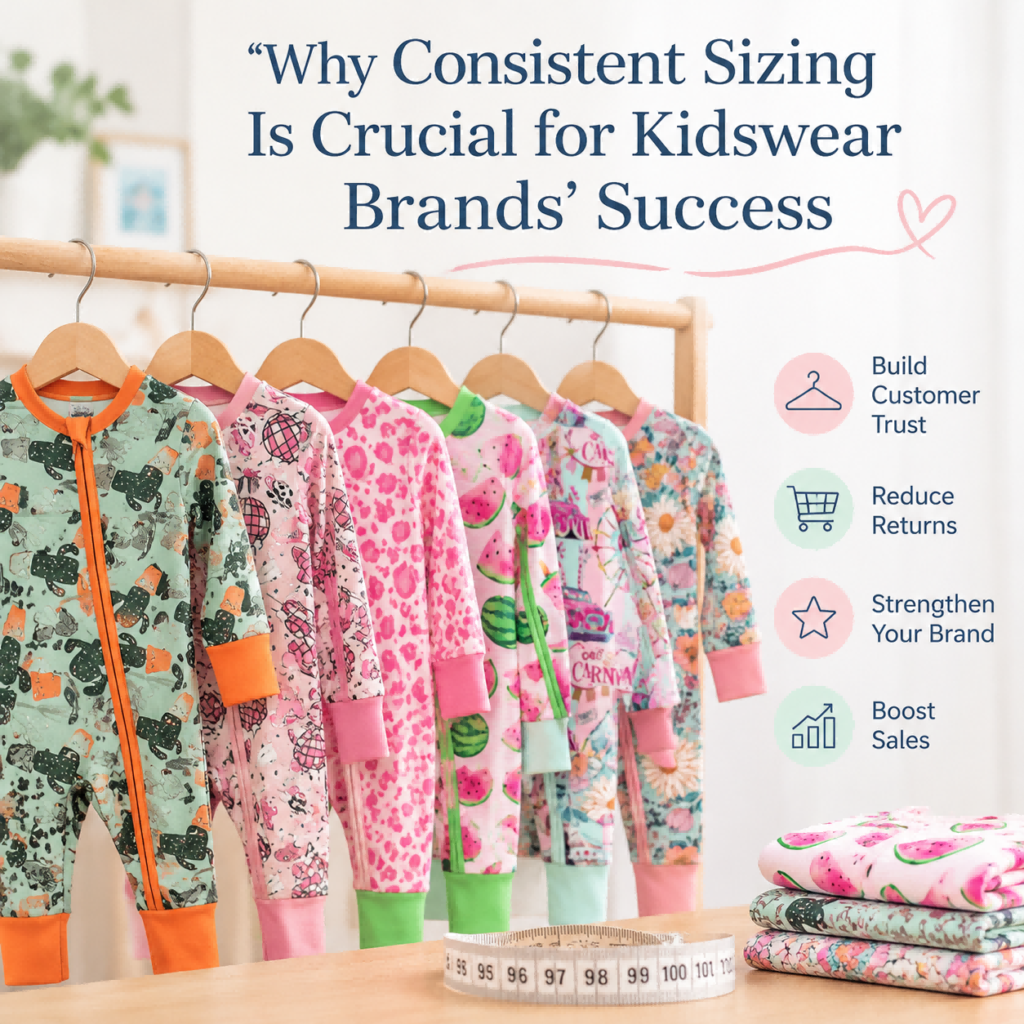
In the ever-evolving world of kidswear, one detail frequently overlooked holds the key to both customer trust and brand success: consistent sizing. For parents navigating the maze of tiny measurements and growing bodies, unpredictability in sizing can turn a simple purchase into a frustrating experience. But beyond convenience, consistent sizing shapes how brands connect with their audience, influencing loyalty and reputation in a market where every fit counts. This article explores why consistent sizing isn’t just a technical necessity but a vital ingredient in the recipe for lasting success in kidswear.
Table of Contents
- The Impact of Consistent Sizing on Customer Trust and Brand Loyalty
- Navigating Fit Challenges in Kidswear Through Standardized Measurements
- How Size Uniformity Enhances Online Shopping Experiences for Parents
- Strategies for Implementing Reliable Sizing Systems in Kidswear Production
- Aligning Design and Marketing Efforts to Support Consistent Kidswear Sizing
- Q&A
- The Way Forward
The Impact of Consistent Sizing on Customer Trust and Brand Loyalty
In the competitive world of kidswear, parents and guardians place immense value on reliability. When sizing remains consistent across collections and seasons, it eliminates the frustrating guesswork often associated with buying clothes for growing children. This predictability fosters an environment where shoppers feel confident in their purchases. As a result, brands that maintain uniform sizing standards naturally build higher levels of trust and encourage repeat business.
Beyond trust, consistent sizing directly influences brand loyalty. When customers find a perfect fit one season, they are far more likely to return, knowing future purchases will meet their expectations. This cyclical assurance creates an emotional connection, increasing long-term customer retention. Consider how this simple factor transforms uneasy first-time buyers into steadfast advocates:
- Reduced return rates-saving time and shipping costs for both parties;
- Positive word-of-mouth-happy parents become vocal brand supporters;
- Streamlined inventory management-consistent fits simplify stock forecasting and demand planning.
| Customer Benefit | Brand Outcome |
|---|---|
| Consistent fit every purchase | Higher repeat sales |
| Easy size selection | Reduced returns |
| Trust in quality standards | Stronger brand reputation |
Navigating Fit Challenges in Kidswear Through Standardized Measurements
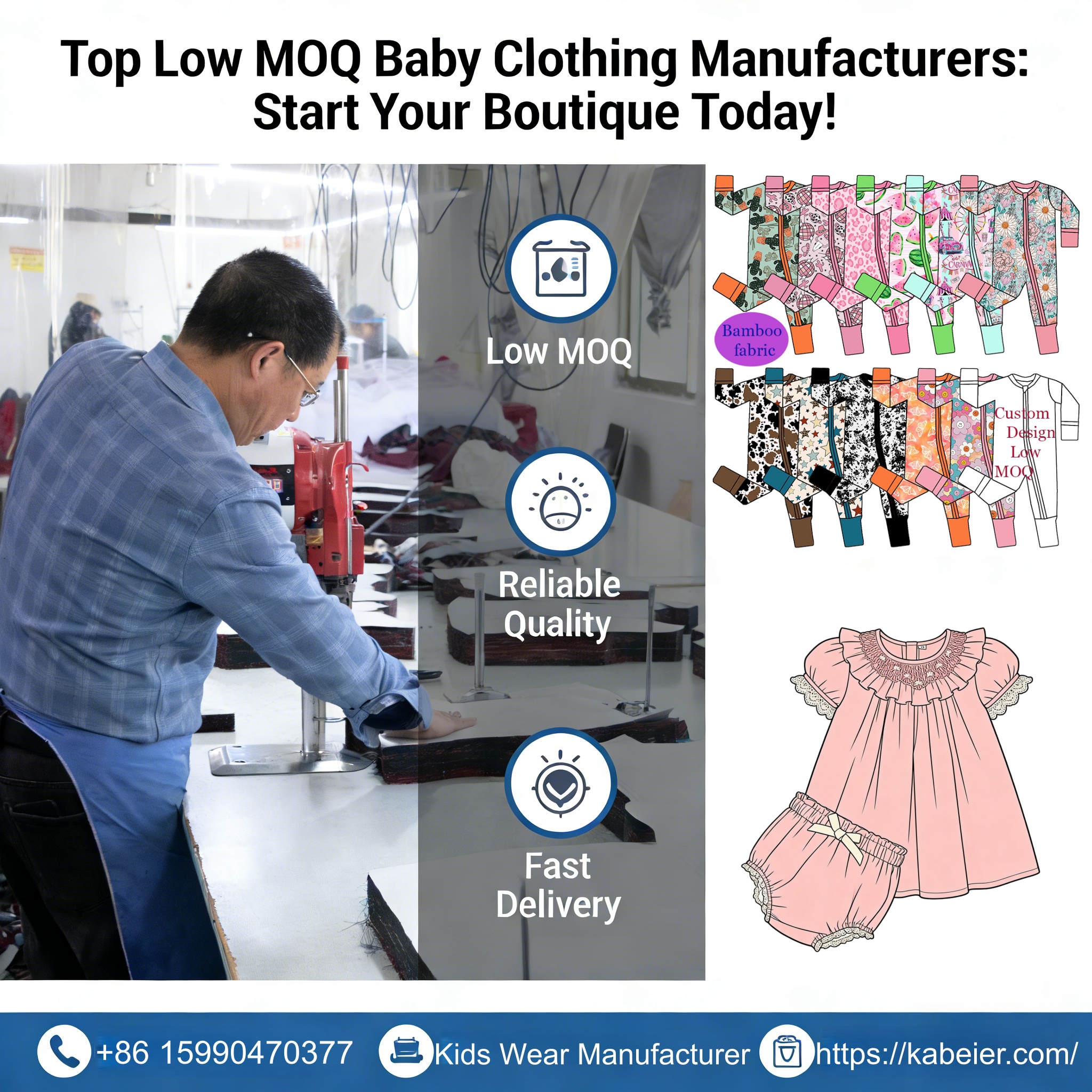 In the world of kidswear, inconsistent sizing frequently leads to frustrating returns and lost trust from parents. Implementing standardized measurements can drastically reduce these issues, providing a reliable framework that fits children comfortably across varying brands. By aligning size charts with industry benchmarks, brands can minimize the guesswork for shoppers and encourage repeat purchases.Key benefits include:
- Improved customer satisfaction through better fit accuracy
- Streamlined production and inventory management
- Enhanced brand reputation for reliability and quality
| Size | Chest (cm) | Waist (cm) | Height (cm) |
|---|---|---|---|
| 3-4 years | 58-62 | 54-58 | 98-104 |
| 5-6 Years | 62-66 | 56-60 | 110-116 |
| 7-8 Years | 66-70 | 58-62 | 122-128 |
With these standards in place, kidswear brands can tackle fit challenges head-on, creating garments that cater to the dynamic growth and unique proportions of children. This approach not only simplifies shopping decisions but also reduces environmental waste by limiting returns and unsold stock – a win-win for businesses and families alike.
How Size Uniformity Enhances Online Shopping Experiences for Parents
- Reduces uncertainty: Parents find it easier to choose sizes without guesswork.
- Boosts confidence: Reliable sizing leads to happier customers and positive reviews.
- Simplifies returns: When sizing aligns well, fewer returns and exchanges occur.
- Fosters brand loyalty: Consistency encourages repeat purchases and customer retention.
| Issue | Benefit of Size Uniformity |
|---|---|
| Sizing Variations | Eliminated confusion over fit |
| High Return Rates | Reduced costly returns |
| Shopping Anxiety | Increased purchasing confidence |
| Brand switching | Stronger brand loyalty |
Strategies for Implementing Reliable Sizing Systems in Kidswear Production
| Age Group | Height Range (cm) | Chest Measurement (cm) |
|---|---|---|
| Infants (0-12 mo) | 50-75 | 42-48 |
| Toddlers (1-3 yr) | 75-95 | 48-53 |
| Preschool (4-6 yr) | 95-115 | 53-58 |
By integrating these strategies, brands create a seamless sizing journey for parents and caregivers, reducing confusion and building long-term loyalty through consistently fitting, comfortable kidswear.
Aligning Design and Marketing Efforts to Support Consistent Kidswear Sizing
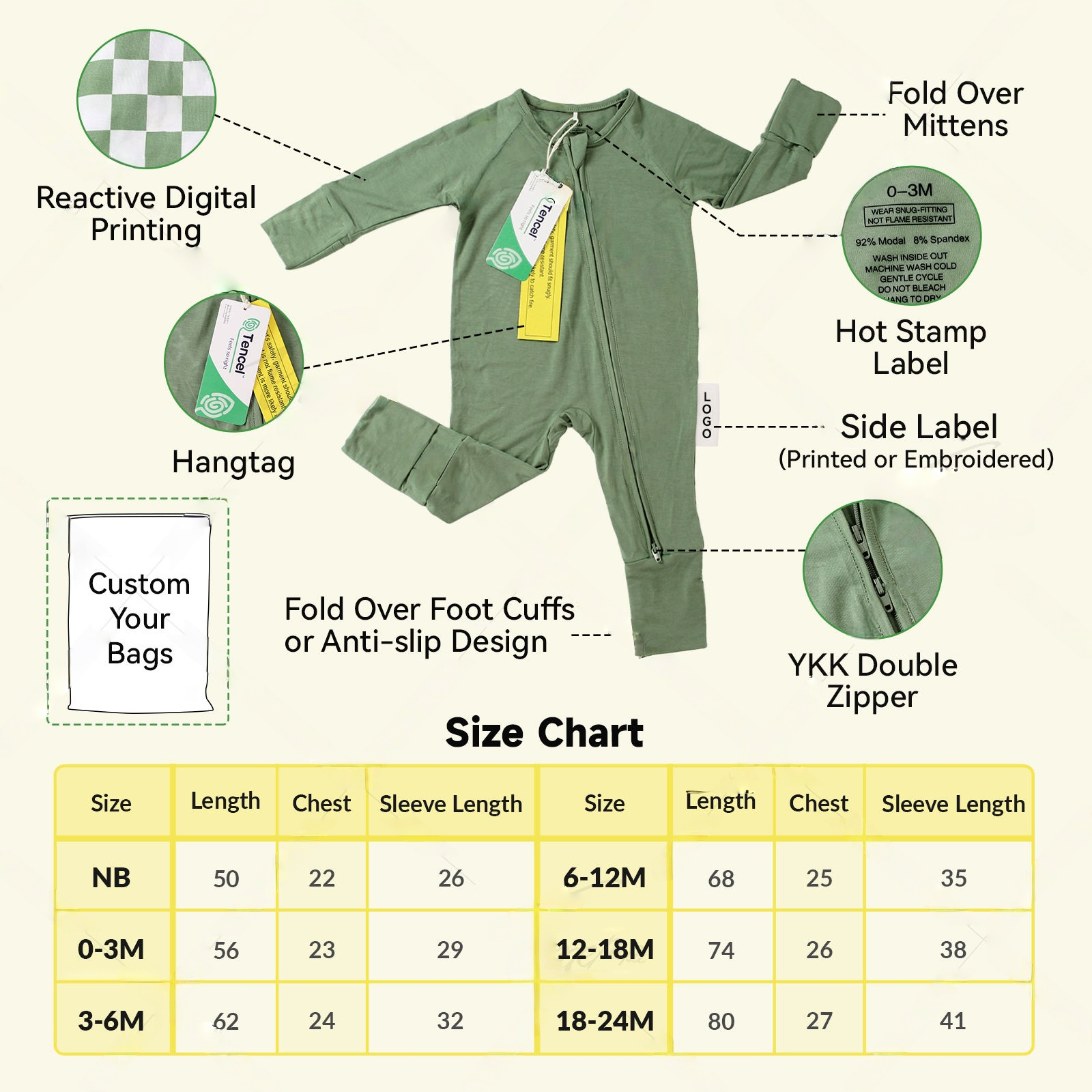 Bridging the gap between design and marketing teams is essential to creating a seamless experience for customers navigating kidswear sizing. When both departments collaborate closely, brands can ensure that size charts, product descriptions, and visual assets align perfectly with the actual fit of the garments. This harmony reduces confusion and returns, fostering trust and loyalty among parents who often find kidswear sizing perplexing.Marketing teams equipped with detailed insights from designers can craft messages that accurately reflect how a piece fits, what age or body type it suits bestand the unique features that influence sizing. For designers, understanding the marketing narrative encourages them to build sizing frameworks that match customer expectations. Together, they not only set realistic standards but also create a consistent and reassuring brand voice around sizing.
- Unified size guides that span both product tags and online platforms
- Regular cross-team workshops to discuss sizing feedback and trends
- Shared customer data analysis to refine fit and messaging
| Design Focus | marketing Approach | Result |
|---|---|---|
| Standardized measurement protocols | Clear size communication | Consistent customer expectations |
| Seasonal fit adjustments | Targeted campaigns by age group | Improved customer satisfaction |
| Inclusive sizing options | Educational content on fit | Broader market reach |
Q&A
Q&A: Why Consistent Sizing Matters for Kidswear Brands
Q: Why is consistent sizing crucial for kidswear brands?
A: Consistent sizing builds trust with parents and caregivers who rely on accurate measurements to buy clothes without trying them on first. When sizes fluctuate, it leads to frustration, increased returnsand lost customer loyalty. Consistency makes shopping easier and creates a reliable brand experience.
Q: How does inconsistent sizing affect parents and children?
A: For parents, inconsistent sizing means wasted time, money, and effort on returns and exchanges. For children, ill-fitting clothes can cause discomfort and limit movement, impacting their daily activities and overall happiness. Consistent sizing ensures kids feel good and parents feel confident in their purchases.
Q: What challenges do brands face in maintaining consistent sizing?
A: Variability in materials, manufacturing processes, and differences in sizing standards across regions can all cause inconsistencies. Additionally, kids grow quickly, so brands must carefully balance flexibility with precision to accommodate growth without confusing size expectations.
Q: Can consistent sizing influence brand reputation?
A: Absolutely. Brands known for reliable sizing gain stronger customer loyalty and positive word-of-mouth. Consistency signals quality and professionalism, making consumers more likely to return and recommend the brand to others.
Q: How can kidswear brands ensure sizing consistency?
A: Brands should create clear, standardized sizing charts based on accurate body measurements, work closely with manufacturers to maintain quality control, and update sizing guidelines based on customer feedback and evolving growth data. Transparency about sizing helps manage expectations.
Q: Does consistent sizing contribute to sustainability?
A: Yes. When clothes fit well the first time, there are fewer returns and less waste from discarded items. This reduces the environmental impact of logistics and overproduction, making consistent sizing a part of a more lasting business model.
Q: What role does technology play in consistent sizing for kidswear?
A: Emerging technologies like 3D body scanning and AI-driven fitting algorithms can help brands fine-tune sizing and offer personalized recommendations. These tools support better accuracy, reduce guesswork, and enhance the shopping experience for busy parents.
The Way Forward
In the ever-evolving world of kidswear, consistent sizing is more than just a technical detail—it’s a bridge of trust between brands and families. When little ones find comfort in clothes that fit just right, it’s a win for both growing bodies and brand reputation.
At Kabeier, we understand that reliable sizing is an essential part of creating high-quality children’s clothing. By prioritizing accurate measurements, consistent production standards, and careful quality control, brands can provide a smoother shopping experience, reduce returns, and build lasting customer loyalty.
After all, every perfectly fitting garment tells a story of care, understanding, and thoughtful design. Let’s make every size count!