
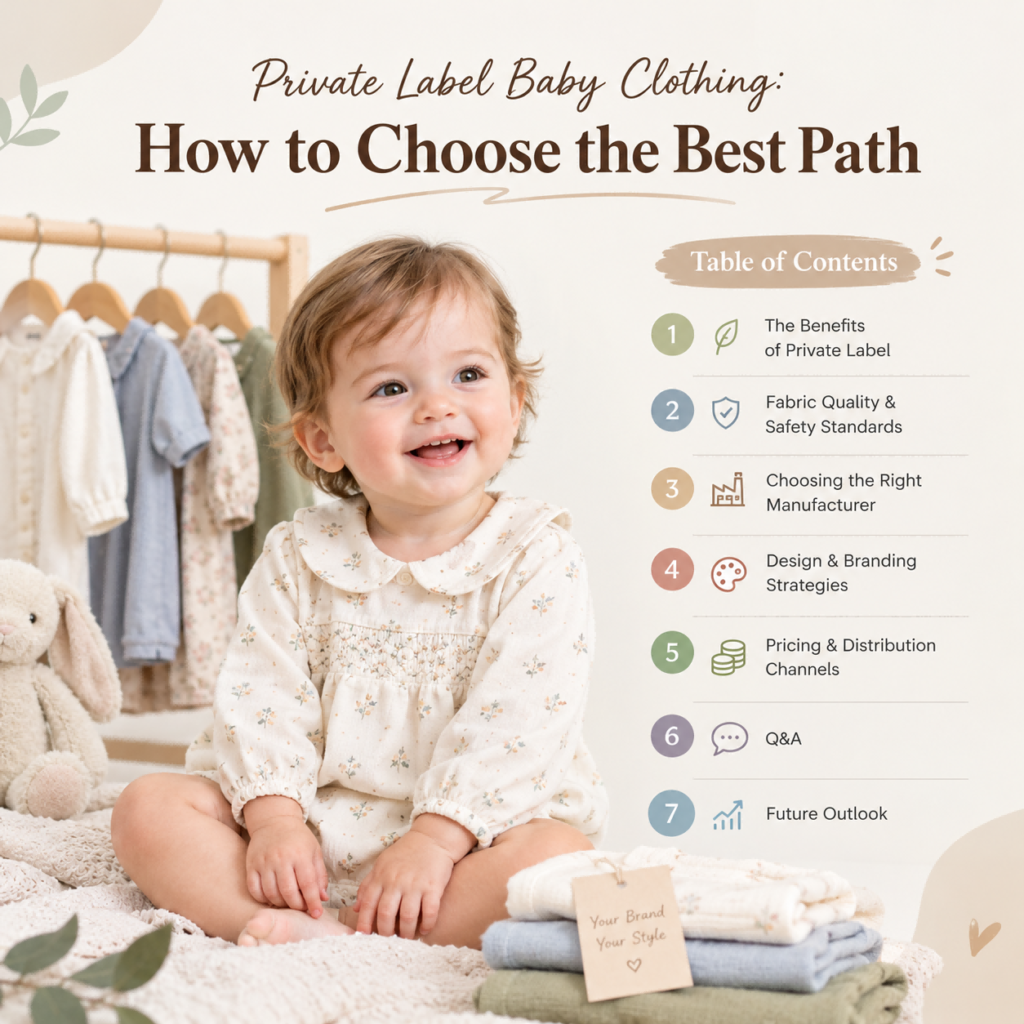
In the ever-evolving world of baby apparel, private label baby clothing has emerged as a compelling avenue for entrepreneurs and brands seeking to blend creativity with market demand. With parents increasingly searching for unique, high-quality garments that reflect their values and style, the possibility to develop a private label offers both excitement and complexity. Yet, choosing the right development path-from design conception to sourcing and manufacturing-can be a maze of decisions, each shaping the final product and brand identity. This article explores the key considerations and strategies involved in crafting a successful private label baby clothing line, helping you navigate the journey from idea to nursery closet.
Table of Contents
- Understanding the Benefits of Private Label Baby Clothing
- Evaluating Fabric Quality and Safety Standards
- Choosing the Right Manufacturer for Your Brand
- Design and Branding Strategies to Stand Out
- Navigating Pricing and Distribution Channels
- Q&A
- Future Outlook
Understanding the Benefits of Private Label Baby Clothing
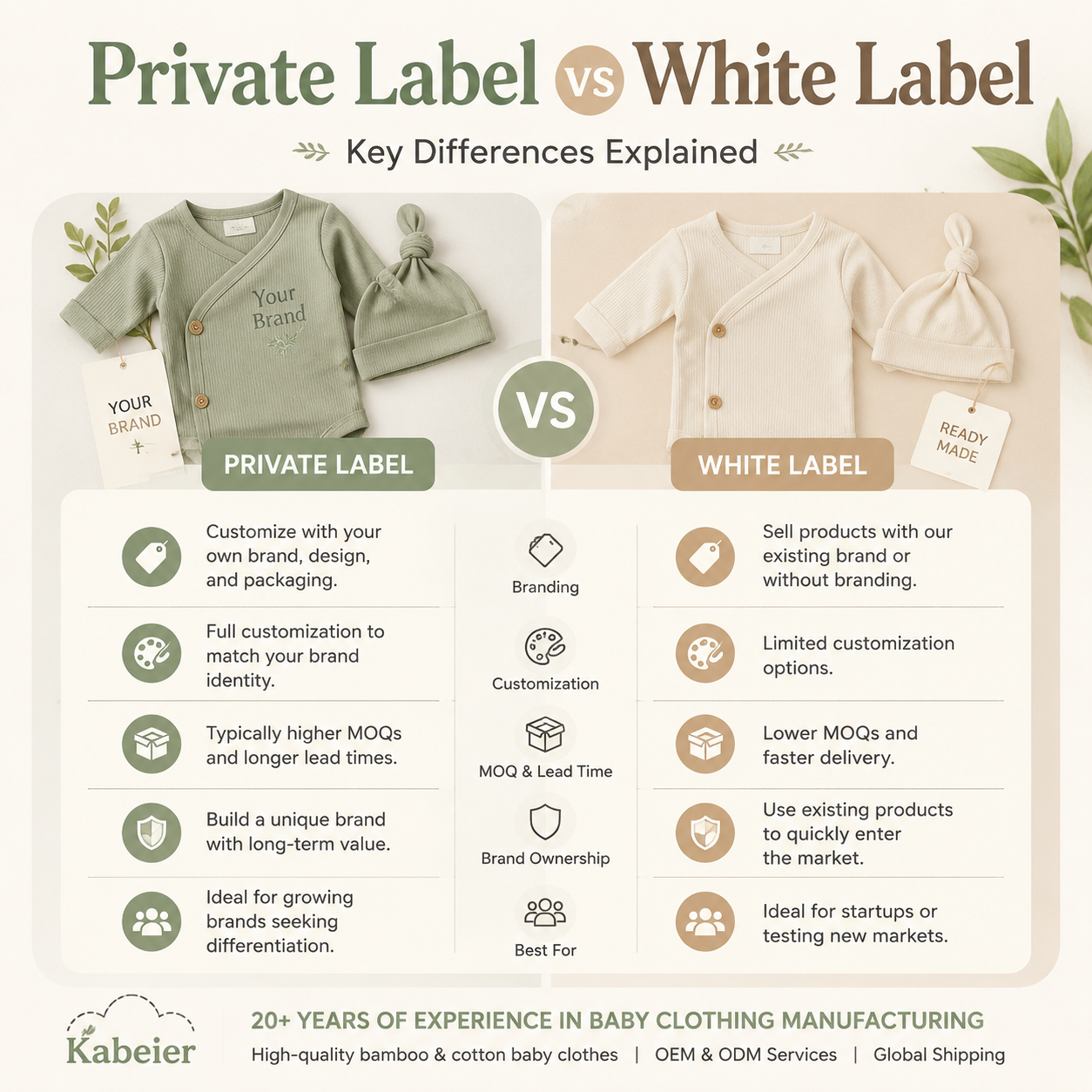
Opting for private label baby clothing offers entrepreneurs unique advantages, especially in a market that demands both quality and personalization.By leveraging private label options, brands can create distinct collections that resonate deeply with their target audience while maintaining control over fabric quality, designs, and production timelines. This versatility not only cultivates brand loyalty but also enables rapid adaptation to emerging trends in babywear fashion and functionality.
Key benefits include:
- Customized Branding: Elevate your brand identity by adding logos, tags, and exclusive packaging tailored to your vision.
- Cost Efficiency: Private labeling often reduces overhead compared to manufacturing from scratch, enabling competitive pricing without compromising quality.
- Quality Assurance: Work closely with manufacturers to select safe, hypoallergenic materials-essential for baby skin sensitivity.
| Feature | Benefit |
|---|---|
| Material Selection | Ensures softness and breathability |
| Design Flexibility | Aligns with seasonal trends & customer preferences |
| Packaging Customization | Enhances unboxing experience |
Evaluating Fabric Quality and Safety Standards
Understanding industry certifications can guide you in making informed decisions. Labels like OEKO-TEX Standard 100, GOTS (Global Organic Textile Standard), and CPSIA compliance serve as reliable markers of fabric integrity and safety protocols. These certifications verify that the material has been thoroughly checked for hazardous substances and manufactured under environmentally and socially responsible conditions.
| Certification | Focus Area | Benefit for Baby Clothing |
|---|---|---|
| OEKO-TEX Standard 100 | Chemical Safety | Assures textiles are free from harmful substances |
| GOTS | Organic Production | Ensures fibers come from certified organic farms |
| CPSIA compliance | Product Safety | Mandates strict limits on lead & phthalates in apparel |
In this way, understanding fabric quality combined with verified safety standards will not only protect the delicate skin of infants but also build consumer trust around your private label baby clothing brand.
Choosing the Right Manufacturer for Your Brand
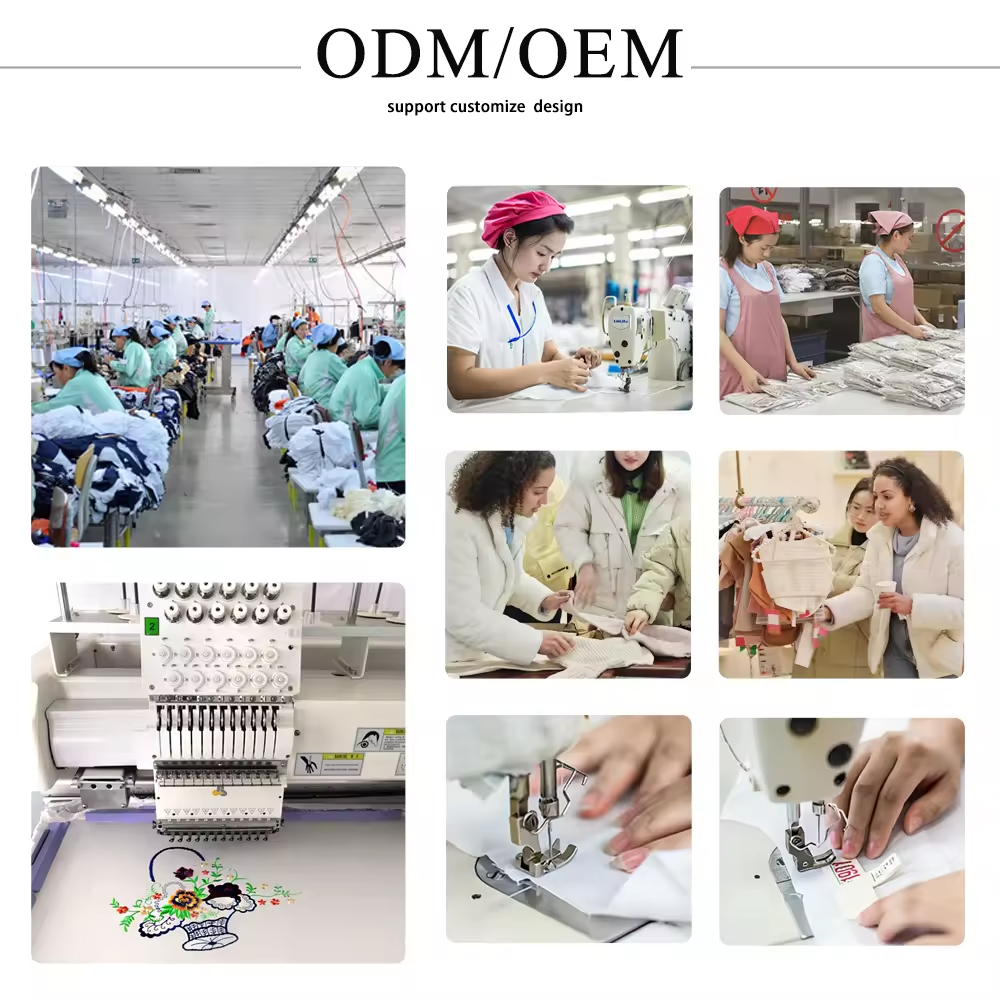 Finding a manufacturer who truly aligns with your brand’s values and quality standards is crucial when launching private label baby clothing. Beyond just sourcing products, your ideal partner should demonstrate expertise in working with delicate fabrics and safety-compliant materials suitable for infants. Pay close attention to certifications such as OEKO-TEX Standard 100 and adherence to international safety regulations, as these ensure the clothing is safe and hypoallergenic for babies.
When evaluating potential manufacturers, consider the following factors:
- Customization capabilities: Can they adapt designs and fabrics according to your unique brand identity?
- Minimum order quantities (MOQs): Are they realistic for your startup size or scalable as you grow?
- Lead times and flexibility: How quickly can they turn around orders and accommodate last-minute changes?
- Transparent communication: Is their customer service proactive and clear throughout the process?
| Key Aspect | Why It matters | Your Focus |
|---|---|---|
| Quality Control | Ensures consistent, safe products for babies | Request samples & monitor production runs |
| Ethical Standards | Protects brand reputation and appeals to conscious buyers | Verify fair labor practices and sourcing clarity |
| Communication | Prevents costly misunderstandings and delays | Set up regular check-ins and clear feedback loops |
Design and Branding Strategies to Stand Out
Building on the visual elements, your brand’s voice should echo the values you want to convey. Whether it’s emphasizing organic materials, ethical production, or innovative designs, maintaining a clear message helps set your label apart. Consider the following strategies:
- Storytelling through packaging: Use tags and labels to share your brand story and commitment to quality.
- Consistent imagery style: Employ soft, candid photography showcasing real parents and babies to foster emotional connection.
- Collaborative collaborations: Partner with influencers or child care experts to build trust and expand reach.
| Brand Element | Purpose | Example |
|---|---|---|
| Logo | Instant recognition | Soft pastel icon with a playful font |
| Packaging | Storytelling & differentiation | Eco-kind boxes with heartfelt messages |
| Social Media Voice | Engagement & brand personality | Friendly, advice-driven posts targeting parents |
Navigating Pricing and Distribution channels
When deciding on pricing, it’s essential to strike a balance between accessibility and perceived value. Pricing too low might suggest inferior quality, while pricing too high could alienate budget-conscious parents. Understanding your target market-whether it’s boutique shoppers or mass-market consumers-helps tailor your price points strategically. Keep in mind production costs, competitor pricing, and potential discounts or promotions to optimize your margins without compromising brand integrity.
Distribution channels are your brand’s lifeline to consumers, and selecting the right mix is crucial. Direct-to-consumer platforms such as your own e-commerce store offer better control over branding and customer experience, while wholesale partnerships amplify your reach quickly but at the cost of lower margins. Consider also the impact of third-party marketplaces and retail boutiques, which each bring distinct advantages and challenges:
- E-commerce Platforms: Full control, higher profit margins, but requires strong marketing efforts.
- Wholesale: Fast scale, lower margins, dependent on retailer relationships.
- Marketplaces: Vast audience, competitive pricing, less brand exclusivity.
- Boutique Retailers: Premium positioning, tactile customer experience, limited reach.
| Channel | Pros | Cons |
|---|---|---|
| Direct E-commerce | Brand control, Higher margins | Marketing effort, Fulfillment complexity |
| Wholesale | Quick scale, Established retailers | Lower margins, Less branding influence |
| Online Marketplaces | Wide reach, Easy entry | High competition, Fees |
| Boutiques | Premium perception, Personalized service | Limited volume, Selective partnerships |
Q&A
Q&A: Private Label Baby Clothing – Choosing the Right Development Path
Q1: What does “private label baby clothing” mean?
A1: Private label baby clothing refers to garments designed and manufactured by a third party but sold under a retailer’s own brand name. This allows businesses to offer unique products without building manufacturing from scratch.
Q2: Why is private labeling popular in the baby clothing market?
A2: The baby clothing market is highly competitive and sensitive to quality, safety, and style. Private labeling lets retailers tailor designs, fabricsand features to their audience while maintaining brand identity and controlling costs.
Q3: What are the common development paths for private label baby clothing?
A3: Typically, there are three main paths:
-
- Fully Custom Designs – Creating original designs from scratch with a manufacturer.
-
- Modified Existing Designs – Selecting existing templates and tweaking details like colors, patterns, or cuts.
-
- Ready-Made Stock – Purchasing pre-made garments in bulk and branding them.
Q4: How do I decide which development path is right for my brand?
A4: Consider these factors: your budget, timeline, brand vision, and desired level of uniqueness. Fully custom designs offer the most differentiation but require more investment and time. Modified designs strike a balance between uniqueness and efficiency. Ready-made stock is quickest and least expensive but offers limited branding opportunities.
Q5: What role does fabric selection play in developing private label baby clothes?
A5: Fabric choice is crucial, especially for baby apparel where softness, breathability, and hypoallergenic properties matter most. Selecting high-quality, safe fabrics can set your products apart and assure customers of comfort and safety.
Q6: How important are certifications and safety standards in private label baby clothing?
A6: Extremely important. Babies’ sensitive skin demands non-toxic dyes, natural fibers, and compliance with safety regulations. Ensuring certifications like OEKO-TEX or GOTS can enhance your brand’s credibility.
Q7: Can working with an experienced manufacturer influence the development path?
A7: Absolutely. A knowledgeable manufacturer can guide you through fabric sourcing, design feasibility, and compliance, helping you pick a path that aligns with your brand’s goals and resources.
Q8: What are some potential challenges when choosing a development path?
A8: Challenges include balancing cost with quality, meeting safety standards, managing production timelines, and maintaining design consistency. Many brands find that upfront planning and clear communication with partners mitigate these risks.
Q9: How does private labeling affect branding and customer loyalty?
A9: Private labeling offers a way to build a unique brand presence and foster customer loyalty by offering tailored products. When done well, your baby clothing line becomes synonymous with quality and style that customers trust for their little ones.
Q10: What is the future outlook for private label baby clothing brands?
A10: The trend towards personalization, sustainable materials, and ethical production is shaping the future. Brands that adapt by choosing flexible development paths and focusing on quality and transparency are poised for lasting success.
Future Outlook
In the ever-evolving world of private label baby clothing, choosing the right development path is more than a business decision—it’s a journey that shapes your brand’s identity and builds trust with parents. Whether you choose full customization, partner with trusted manufacturers, or explore ready-made designs, the key is to balance quality, safety, and authenticity. Kabeier can be part of your journey toward developing distinctive baby clothing that reflects your brand vision. Remember, success starts with soft, comfortable fabrics and thoughtful designs, and grows through smart partnerships and a genuine commitment to little ones and their families.