
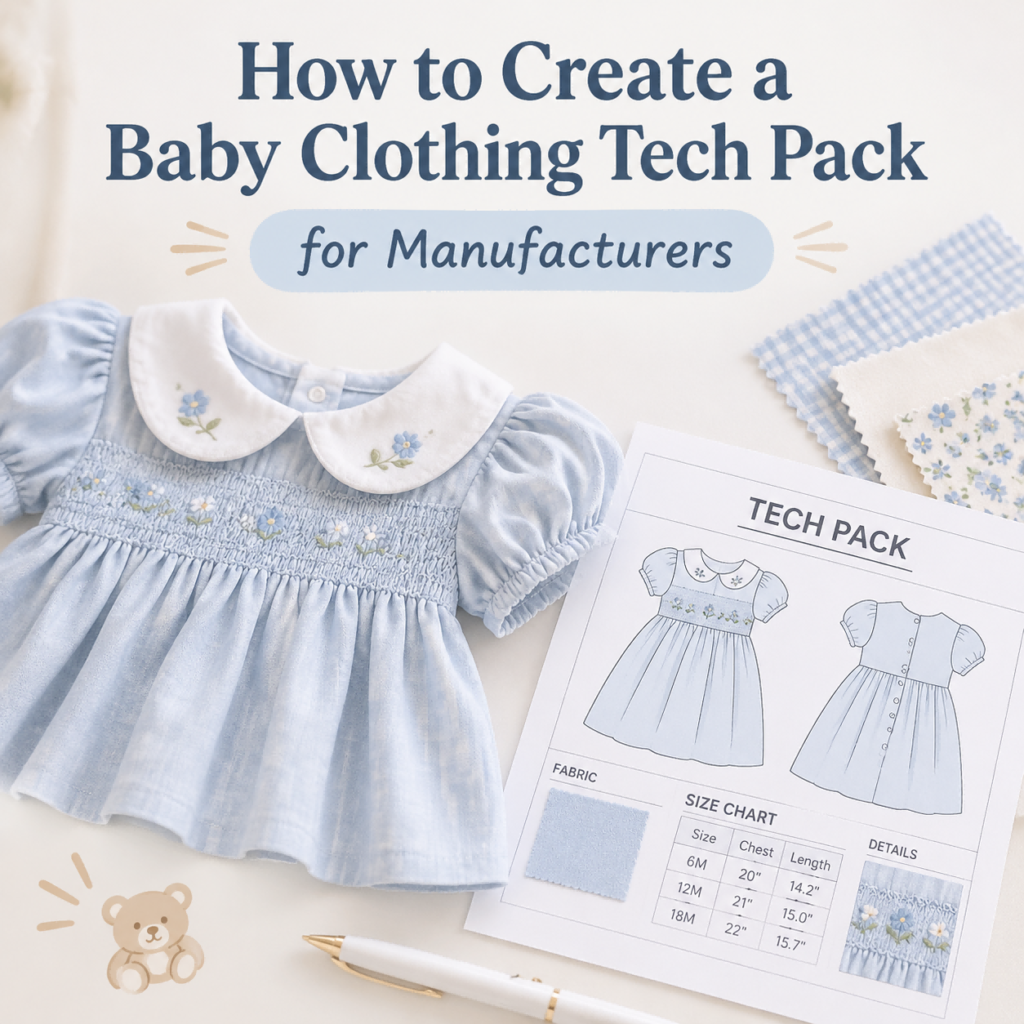
In the delicate world of baby clothing, every stitch, fabric choice, and detail matters-not just for comfort and safety, but for bringing a designer’s vision to life with precision. For designers and brands aiming to collaborate seamlessly with manufacturers, creating a comprehensive tech pack is the essential first step. A well-crafted baby clothing tech pack serves as the blueprint that communicates every specification, from fabric swatches to sizing charts, ensuring that the final product matches expectations perfectly. In this article, we will explore the fundamental elements and best practices for creating an effective baby clothing tech pack that bridges creativity and production, paving the way for smooth manufacturing and delightful results.
Table of Contents
- Understanding the Essential Elements of a Baby Clothing Tech Pack
- Choosing Fabrics and Materials with Safety and Comfort in Mind
- Detailing Measurements and Size Specifications for Accurate Fit
- Incorporating Design Features and Functional Components Clearly
- Communicating Care Instructions and Packaging Requirements Effectively
- Q&A
- Closing Remarks
Understanding the Essential Elements of a Baby Clothing Tech Pack
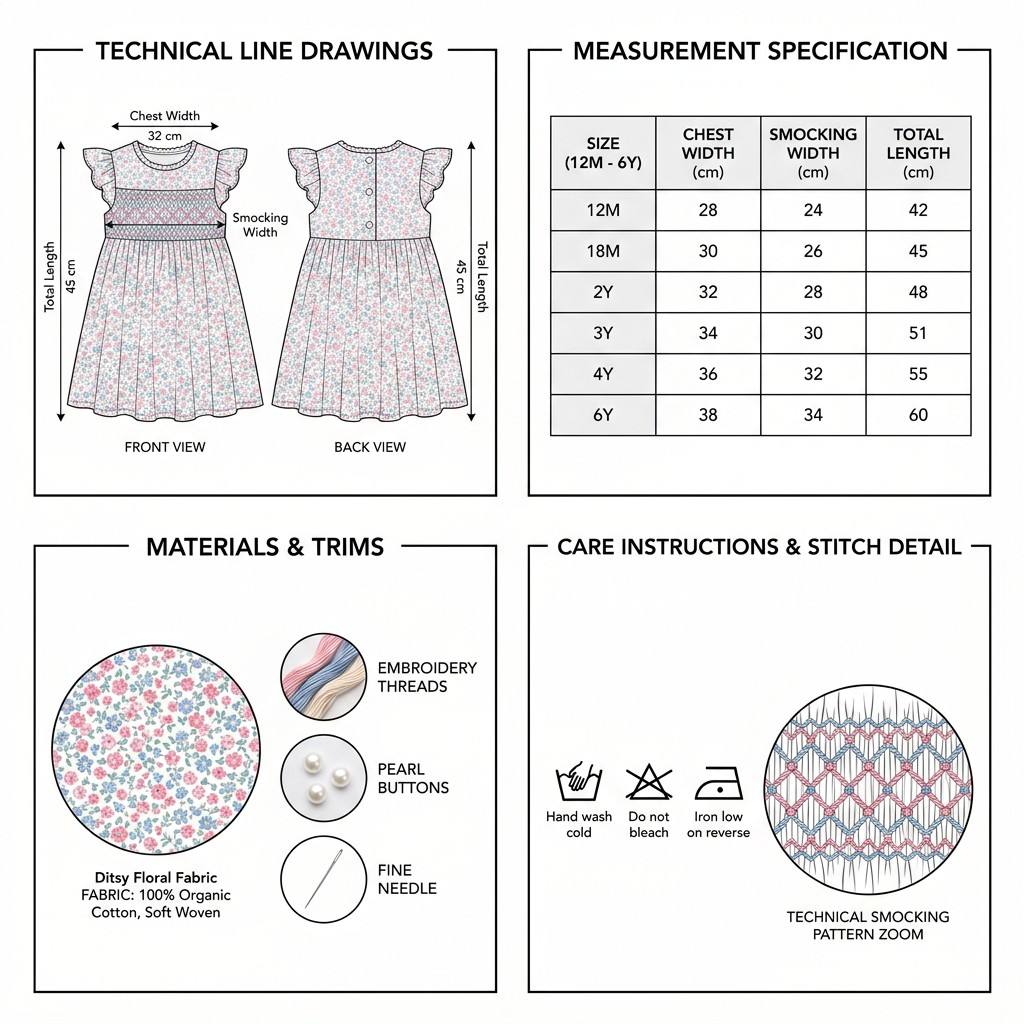 At the heart of every successful baby clothing production lies a meticulously crafted tech pack. This document serves as the blueprint, ensuring every tiny stitch and fabric choice perfectly aligns with your vision. A well-rounded tech pack isn’t just about measurements; it encompasses an array of critical details that guide manufacturers seamlessly through the production process.
Key components include:
- Detailed Sketches and Flat Drawings: Clear visuals highlighting design features and construction points.
- Fabric and Trims Data: Specifics on material type, weight, color codes, and sourcing details tailored to baby sensitivity.
- Size Specifications: precise measurements reflecting industry standards for different baby age groups.
- Stitching and Construction Details: Information on seam types, thread color, and embellishment placement.
- Labeling and Packaging Instructions: Guidelines that ensure branding consistency and safety compliance.
| Element | Description | Why It Matters |
|---|---|---|
| Fabric | 100% Organic Cotton, GOTS Certified | Gentle on baby skin; ensures safety and quality |
| Size Chart | Newborn to 24 months | Fits baby comfortably at each growth stage |
| Construction | Flatlock seams, reinforced snaps | Prevents irritation; adds durability |
| Labels | Soft woven, non-irritating tags | Enhances comfort and brand identity |
Choosing Fabrics and Materials with Safety and Comfort in Mind
Key considerations to highlight in your material section include:
- Non-toxic dyes and finishing treatments
- Stretchability and durability suited for everyday wear
- Easy care instructions to maintain fabric integrity
- Moisture-wicking properties to keep baby dry and cozy
| Fabric Type | Benefits | Safety Features |
|---|---|---|
| Organic Cotton | Soft, breathable, eco-kind | GOTS certified, chemical-free |
| Bamboo Viscose | Moisture-wicking, antibacterial | Hypoallergenic, gentle on skin |
| Modal Blend | Stretchy, durable | Low chemical residue |
Detailing Measurements and Size Specifications for Accurate Fit
Detailing your size specifications clearly can prevent costly manufacturing errors and returns. Consider these essential tips for your tech pack:
- Use size ranges tailored for specific age groups, like 0-3 months or 6-9 months.
- Define tolerance levels to indicate acceptable variation in measurements, typically ±0.5 cm for baby clothes.
- Incorporate visual aids or diagrams illustrating measurement points to eliminate ambiguity.
| measurement | 0-3 Months (cm) | 6-9 Months (cm) | Tolerance (± cm) |
|---|---|---|---|
| Chest Width | 22 | 25 | 0.5 |
| Sleeve Length | 18 | 20 | 0.5 |
| Body Length | 33 | 37 | 0.5 |
| Shoulder Width | 15 | 17 | 0.5 |
Incorporating Design Features and Functional Components Clearly
When specifying design features and functional components for baby clothing, clarity is paramount to avoid any misinterpretation by manufacturers. Use detailed sketches complemented by close-up views of elements like snaps, zippers, or adjustable waistbands. Highlight the placement, size, and type of each feature to ensure they are easily understood. Such as, indicating the direction a zipper should face or the exact placement of a label can greatly reduce errors in production.
A well-structured tech pack should include a breakdown of materials and components used for each part. This can be effectively demonstrated through concise tables that summarize key details:
| Component | Material | Color | Function |
|---|---|---|---|
| Snap Button | Nickel-free Alloy | Silver | Easy closure, hypoallergenic |
| Elastic Waistband | Spandex Blend | Soft Grey | Adjustable fit |
| Fabric Panel | Organic Cotton | Pastel Blue | Breathable and gentle |
In addition to visuals and tables, use bullet points to summarize critical functional requirements such as:
- Safety standards compliance, especially for choking hazards.
- Ease of dressing features to assist parents.
- Durability and washability to withstand frequent laundering.
- Comfort features like tagless labels or flat seams.
Clearly spelling out these elements ensures the manufacturer receives a comprehensive blueprint that preserves your design vision while maintaining essential practicalities for babywear.
Communicating Care Instructions and Packaging Requirements Effectively
 Clear and precise communication of care instructions and packaging requirements is crucial to ensure your baby clothing arrives in perfect condition and maintains quality throughout its lifecycle. Start by providing detailed washing symbols that align with international standards. Avoid ambiguity by supplementing icons with concise text descriptions, such as “Wash cold, gentle cycle” or “Do not bleach”. This not only reduces the chance of misinterpretation but also helps manufacturers select the appropriate fabrics and finishes that can withstand the specified care processes.
Packaging details should be just as thoughtfully conveyed. Whether you prefer delicate tissue wrapping, eco-friendly materials, or specific folding techniques, articulate each requirement clearly. Including a table within your tech pack can help organize this information efficiently for your production team or third-party suppliers:
| Packaging Element | Specification | Additional Notes |
|---|---|---|
| Folding Style | Flat fold with sleeves tucked inside | Ensure no creases on visible areas |
| Wrapper | Recycled tissue paper | Soft pastel pink, branded with logo |
| Bag Type | Biodegradable polybag | Size to fit folded garment snugly |
| Label Placement | Center front on folded garment | Use waterproof tags |
Pro Tip: Always request sample packaging from your manufacturer before mass production. This step can reveal potential issues and offer an opportunity for adjustments that align packaging with your brand’s promise of care and quality.
Q&A
Q&A: How to Create a Baby Clothing Tech Pack for Manufacturers
Q1: What exactly is a tech pack and why is it important for baby clothing?
A tech pack is a detailed blueprint that communicates everything a manufacturer needs about a garment, from measurements and materials to stitching and trims. For baby clothing, precision is key: infants need comfortable, safe, and well-fitting apparel. A comprehensive tech pack ensures your delicate designs come to life exactly as envisioned, minimizing costly errors and delays.
Q2: What are the essential components of a baby clothing tech pack?
A solid baby clothing tech pack typically includes:
-
- Design sketches: Front and back views with clear details
-
- Materials and trims: Fabric types, buttons, snaps, labels, and any safety certifications
-
- Measurements: Detailed size charts tailored to infants’ growth stages
-
- Construction details: Stitch types, seam allowances, and finishing techniques
-
- Colorways: Pantone or fabric swatch references
-
- Packing instructions: How garments should be folded, tagged, and shipped
Q3: How should measurements be adapted specifically for baby clothing?
Baby sizes are not just smaller-they are uniquely shaped, and their proportions change rapidly. Include precise measurements for chest, length, sleeve, crotch height, and neck circumference. Consider ease allowance for comfort and growth. Using standard infant size guides can help, but always verify with your target market’s sizing standards.
Q4: What materials are safest and most suitable for baby clothing?
Soft, breathable, and hypoallergenic fabrics are a must-think organic cotton, bamboo blends, or fine knits. Avoid harsh chemicals, coarse seams, or anything that could irritate sensitive skin. Your tech pack should specify fabric composition, weight, and any certifications like OEKO-TEX to assure manufacturers of the quality and safety standards expected.
Q5: How do safety regulations impact the tech pack for baby clothes?
Safety is paramount. Include details about flame resistance (if applicable), choking hazard warnings (for buttons or attachments), and compliance with regional regulations like CPSIA in the US or REACH in the EU. Clear notes on securing snaps and tags are also critical to ensure baby apparel is both adorable and safe.
Q6: Can I include instructions on special features such as adjustable waistbands or fold-over cuffs?
Absolutely. These functional design elements should be meticulously detailed- the placement, size, and mechanism. Including close-up sketches or diagrams helps manufacturers understand exactly how these features should operate and be constructed.
Q7: How detailed should illustrations in the tech pack be?
The more detailed, the better. Clear, accurately scaled line drawings showing all angles reduce ambiguity. Use color-coded annotations to call out materials, trims, stitching, and any unique details. Photos of prototypes or fabric swatches can add valuable context.
Q8: How can I ensure my tech pack is manufacturer-friendly?
Be organized and concise. Use standard garment production terminology and avoid vague descriptions. Provide all data in a consistent format-many brands use spreadsheets paired with PDFs of illustrations. Open communication with your manufacturer can also help you tailor your tech pack to their workflow.
Q9: What are some common mistakes to avoid when creating a baby clothing tech pack?
Common pitfalls include incomplete size specs, unclear materials info, missing safety notes, and vague construction details. Avoid overly complex language, inconsistent measurements, or leaving out packing instructions. Each omission can lead to misunderstandings, delays, or costly reworks.
Q10: Where can I find templates or software to create a baby clothing tech pack?
Several tools cater to apparel design, such as Adobe Illustrator for sketches, Excel or Google Sheets for measurements, and specialized software like Techpacker or CLO 3D for digital tech packs. Many platforms offer baby clothing-specific templates to streamline the process.
Closing Remarks
Creating a detailed and precise baby clothing tech pack is the crucial bridge between your design vision and a manufacturer’s craftsmanship. By thoughtfully compiling every specification, from fabric choices and measurements to stitching details and labeling instructions, you empower your manufacturing partner to bring your ideas to life with clarity and confidence.
At Kabeier, we understand how important every detail is in baby clothing production. With over 20 years of manufacturing experience, we specialize in bamboo baby clothing, smocked dresses, and boys’ outfits, offering OEM and ODM solutions tailored to your brand’s needs. Whether you’re developing a new collection or refining an existing design, our team is ready to support you from sampling to bulk production.
Ready to turn your designs into reality? Visit Kabeier and explore how we can help bring your next baby clothing collection to life.