
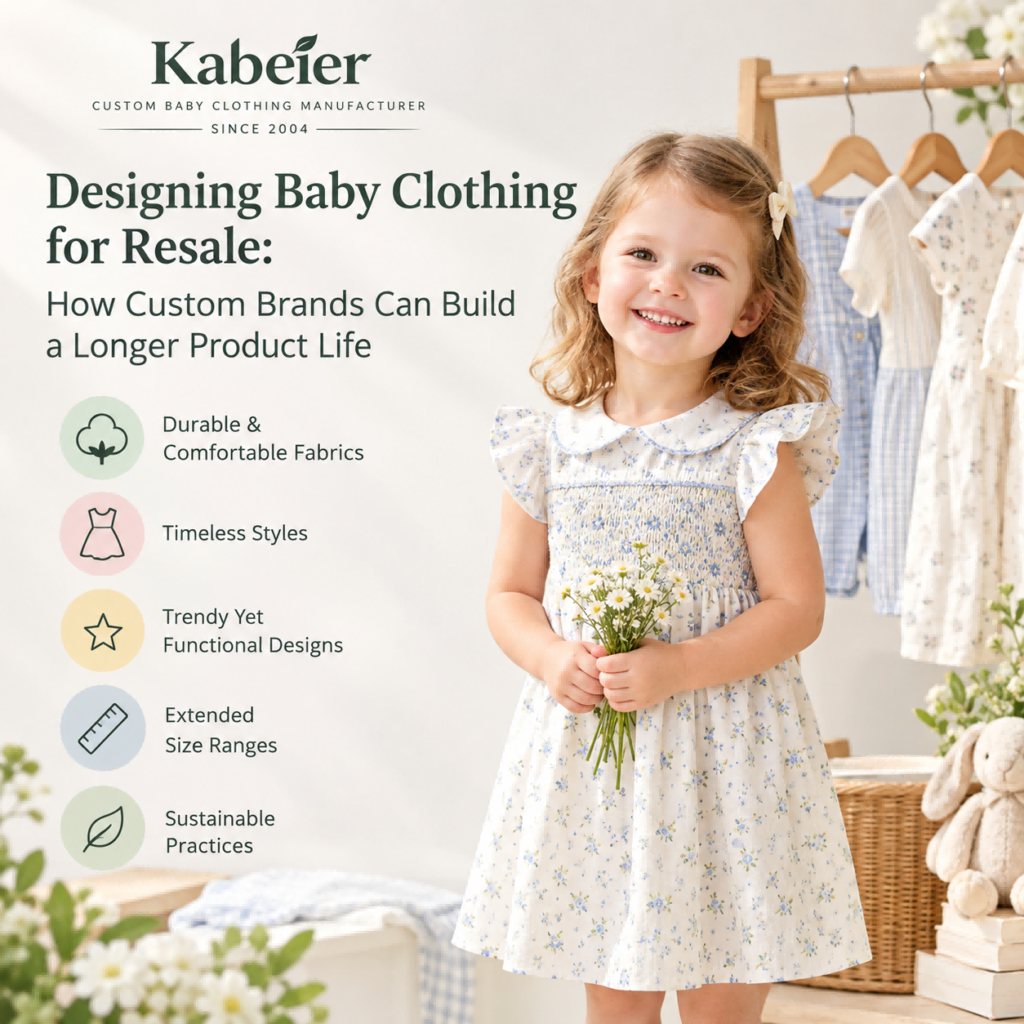
In a world increasingly defined by sustainability and mindful consumption, the way we approach baby clothing is undergoing a quiet but meaningful transformation. For custom brands, designing apparel that not only delights new parents but also lends itself to resale is becoming an art-and a duty. Creating baby clothes with longevity in mind invites a fresh viewpoint: one that balances style, comfort, and durability with the potential for a longer product life beyond the first wearer. This article explores how designers and brands can thoughtfully craft baby clothing that supports reuse, reduces wasteand nurtures a cycle of care well beyond the nursery.
Table of Contents
- Understanding Fabric Choices for Durability and Comfort
- Incorporating Timeless Styles to Attract Repeat Customers
- Balancing Trendy Designs with Practical Functionality
- Optimizing Size Ranges to Maximize Market Reach
- Implementing Sustainable Practices to Enhance Brand Reputation
- Q&A
- In Summary
Understanding Fabric Choices for Durability and Comfort
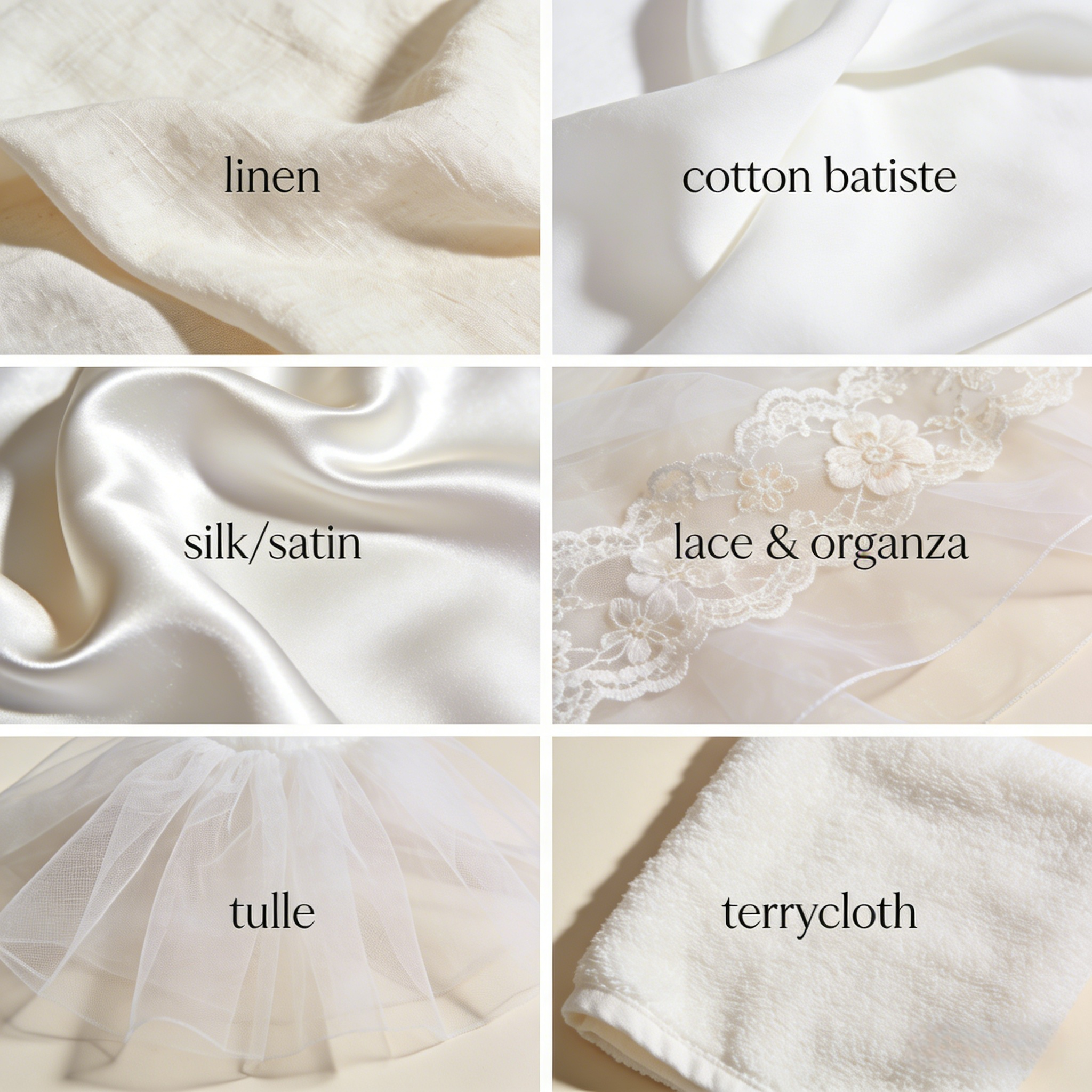 Choosing the right fabric for baby clothes is a delicate balance between durability and comfort. Babies have sensitive skin that demands softness and breathability, while parents value sturdy materials that withstand multiple washes and extend the garment’s life. Natural fibers like organic cotton and bamboo blends shine in this regard, offering gentle textures that soothe skin without sacrificing longevity. Conversely, synthetic blends, when carefully selected, can enhance elasticity and resistance to wear.When designing for resale, understanding fabric properties ensures each piece continues to attract buyers over time. Here’s a quick rundown of popular options:
- Organic Cotton: Soft, hypoallergenic, and durable, perfect for everyday wear.
- Bamboo Fabric: Naturally antibacterial and moisture-wicking, increasing comfort.
- Polyester Blends: Adds strength and shape retention, ideal for active babies.
- Fleece: Provides warmth and resilience, best for cooler seasons.
| fabric Type | Key Benefit | Maintenance |
|---|---|---|
| Organic cotton | Softness & Breathability | Machine wash gentle |
| Bamboo Blend | Antibacterial & Moisture-wicking | Cold wash, air dry |
| Polyester Blend | Durable & Retains Shape | Machine wash warm |
| Fleece | Warmth & Resilience | Machine wash cold, dry low |
Fabric choice directly impacts a garment’s resale potential by marrying comfort with lasting quality-two non-negotiables for discerning customers. Investing in premium textiles not only elevates your brand’s reputation but also fosters trust, encouraging repeat purchases and sustainable growth.
Incorporating Timeless Styles to Attract Repeat Customers
- Comfort-driven fabrics with gentle textures that withstand frequent washing
- Simple color palettes that easily coordinate with other wardrobe staples
- Flexible sizing options adapting to the rapid growth of babies
| Feature | Benefit | Customer Appeal |
|---|---|---|
| Neutral Tones | Timeless versatility | Ends fad-driven purchases |
| Minimalist Prints | Broad aesthetic compatibility | Encourages mix-and-match |
| Durable Materials | Long-lasting wear | Builds trust and satisfaction |
Balancing Trendy Designs with Practical Functionality
When creating baby clothes aimed at resale, it’s essential to strike the perfect harmony between eye-catching trends and user-friendly designs. While bold patterns, vibrant colors, and unique cuts capture attention on shelves and online stores, they must not come at the expense of comfort or ease of use. Parents prioritize garments that are soft, easy to put on and take off, and durable enough to withstand multiple washes - all critical factors that enhance the resale value and longevity of the product.
Consider incorporating these practical design elements alongside trendy aesthetics:
- Snap closures and stretchy necklines: for effortless dressing and diaper changes.
- Breathable organic fabrics: to keep little ones comfortable and attract eco-conscious buyers.
- Neutral and adaptable color palettes: allowing pieces to be mixed, matched, and styled multiple ways.
| design Attribute | Trend Factor | Functionality Benefit |
|---|---|---|
| Patterned Prints | High | Visual appeal for quick resale |
| Soft Organic Cotton | Medium | Comfort & durability |
| adjustable Snaps | Low | Easy dressing & longer wear |
By thoughtfully integrating style with usability, brands can deliver baby clothes that not only catch the consumer’s eye but also earn lasting value in the resale market – fostering loyal customers who appreciate both form and function.
Optimizing Size Ranges to Maximize Market Reach
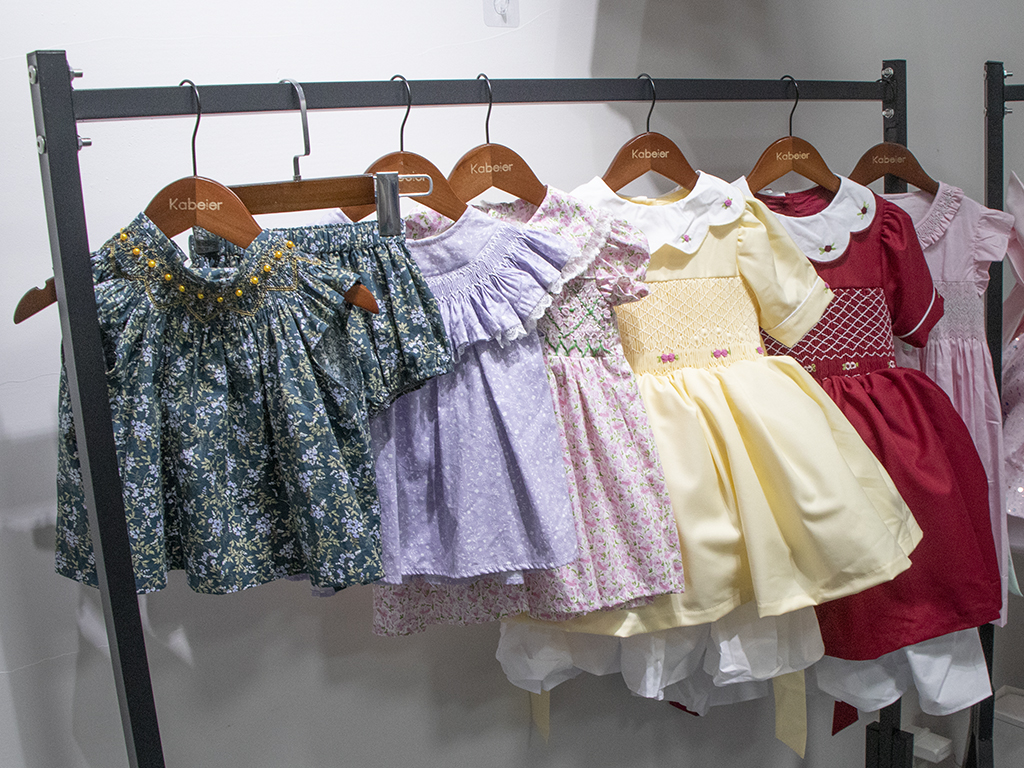 When designing baby clothes with resale in mind, carefully calibrating your size ranges can lead to a wider customer base and increased brand longevity. Rather than focusing solely on newborn or 0-3 months sizes, incorporating a broader spectrum-ranging from preemie to toddler sizes-creates multiple entry points for consumers at different stages of their child’s growth.Key benefits of optimizing size ranges include:
- Repeat purchases: Parents who find your fits comfortable for early sizes are more likely to come back for the next growth phase.
- Reduced Overstock: Balancing production volumes across sizes helps avoid surplus in less popular sizes.
- Expanded market Reach: Offering sizes that cover various milestones appeals to a broader demographic, from premature births to active toddlers.
| Size Range | Approximate age | Market Coverage % |
|---|---|---|
| Preemie(up to 7 lbs) | 0-1 Month | 8% |
| Newborn (7-10 lbs) | 0-3 Months | 25% |
| 3-6 Months | 3-6 Months | 22% |
| 6-12 Months | 6-12 Months | 20% |
| 12-24 Months | 1-2 Years | 15% |
| Toddler (2-3 Years) | 2-3 Years | 10% |
By strategically covering these key ranges, brands tap into sustained demand, ensuring that their designs are relevant beyond just the first few months of a baby’s life. This strategic approach transforms baby clothes from single-use items into versatile, lasting favorites on resale markets.
Implementing Sustainable Practices to Enhance Brand Reputation
| Practice | Benefit | Impact |
|---|---|---|
| Organic & Recycled Fabrics | Healthier materials | Lower environmental footprint |
| Modular Design | Extended usability | Supports resale and reuse |
| Local Partnerships | Community engagement | Boosts sustainable reputation |
| Repair Programs | Increased product lifespan | Customer trust and retention |
- Transparent supply chains encourage ethical consumerism.
- Educational campaigns raise awareness about sustainability in children’s apparel.
- Incentives for returns and recycling promote circularity.
Q&A
Q&A: Designing Baby Clothing for Resale – How Custom Brands Can Build a Longer product Life
Q1: Why is designing baby clothing for resale vital?
A1: Designing baby clothing with resale in mind extends the product’s life beyond its initial use, reducing waste and promoting sustainability. Since babies grow quickly, these garments often have a short first-hand lifespan, but thoughtful design can encourage multiple owners and keep the clothing in circulation longer.
Q2: What are some key design features that help baby clothes last longer for resale?
A2: Durability is crucial-using high-quality, soft fabrics that withstand multiple washes without fading or pilling. Adjustable elements like snap buttons, elastic waistbands, and expandable hems allow for growth accommodation. Neutral and timeless styles ensure the clothing appeals to a broad audience over time.
Q3: How can custom brands balance style and resale potential in baby clothing?
A3: Custom brands can create unique yet versatile designs that mix classic aesthetics with subtle, personalized touches. Avoiding overly trendy motifs ensures that the clothes stay appealing in the resale market. Functionality paired with distinctive branding helps maintain identity while enhancing resale appeal.
Q4: What role does fabric choice play in designing for resale?
A4: Fabrics that are natural, breathable, and high-quality- like organic cotton or bamboo-enhance comfort and longevity. They are more likely to resist wear and tear and stay safe for sensitive baby skin across multiple owners, making them ideal choices for resale-friendly baby apparel.
Q5: How can packaging and branding impact the resale value of baby clothing?
A5: Thoughtful packaging that can be reused or easily stored encourages preservation. Clear, concise branding that highlights the product’s durability and sustainability appeals to resale consumers. Including care instructions and resale tips can also build trust and foster a second life for the garment.
Q6: Are there any challenges custom brands face when designing baby clothes for resale?
A6: Yes, balancing cost with quality can be tricky, as higher-end materials and features raise production expenses. Additionally, anticipating resale preferences requires research and adaptability. brands must ensure that the clothing retains appeal without compromising their original design vision.
Q7: How can brands promote the resale of their baby clothing lines?
A7: Brands can create platforms or partnerships for resale, offer trade-in or buy-back programs, and educate customers on the benefits of resale. Showcasing real-life stories of garments gaining second lives and emphasizing environmental impact can inspire buyers to participate in the resale cycle.
Q8: What’s the future outlook for designing baby clothing with resale in mind?
A8: As sustainability continues to shape consumer behavior, designing baby clothing for resale will become increasingly vital. Brands that innovate with durability, timeless style, and circular economy principles will likely lead the market, helping reduce fashion waste while meeting growing eco-conscious demand.
In Summary
Designing Kabeier’s baby clothing with resale in mind is more than a trend-it’s a thoughtful approach to sustainability and storytelling. By creating durable, timeless pieces that appeal to multiple owners, custom brands can extend the life of each garment beyond its first chapter. In doing so, they not only reduce waste but also nurture a cycle of style and care that honors both children and the planet. As the market continues to embrace conscious consumerism, brands that prioritize longevity and versatility will find their creations cherished time and time again, weaving new memories into every thread.