
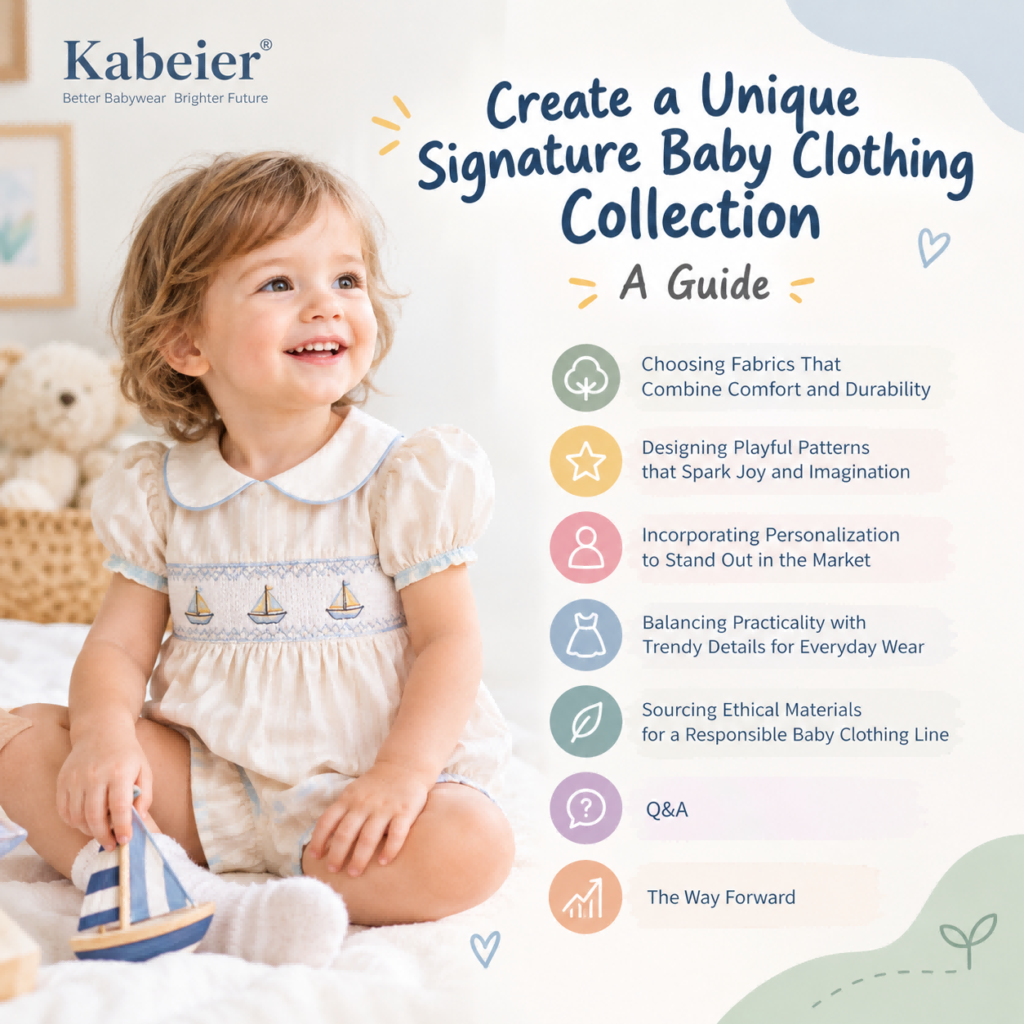
In a world where individuality shapes our choices, creating a signature baby clothing collection offers a unique possibility to blend comfort, creativity, and personal style from the very start. Beyond mere garments, these carefully curated pieces tell a story, embodying warmth and personality for the tiniest members of our families. Whether inspired by timeless classics or modern trends, building a distinctive baby wardrobe invites a thoughtful exploration of fabrics, colors, and designs-transforming everyday wear into cherished keepsakes. This article delves into the art and intention behind crafting a baby clothing collection that stands apart, reflecting both care and character in every stitch.
Table of Contents
- Choosing Fabrics That Combine Comfort and Durability
- Designing Playful Patterns that Spark Joy and Imagination
- Incorporating Personalization to Stand Out in the Market
- Balancing Practicality with Trendy Details for Everyday Wear
- Sourcing Ethical Materials for a Responsible Baby Clothing Line
- Q&A
- The Way Forward
Choosing Fabrics That Combine Comfort and Durability
 When selecting fabrics for your baby clothing collection, striking the perfect balance between softness and resilience is essential. Babies have delicate skin that demands gentle, breathable materials, yet clothing must withstand frequent washing and energetic movement. Organic cotton emerges as a frontrunner for its natural hypoallergenic qualities and cozy texture, making it a favorite among discerning parents. Simultaneously occurring, blends like bamboo-cotton introduce moisture-wicking properties that keep little ones cool and dry while maintaining durability across countless washes.
In addition to natural fibers, innovative fabric technologies can enhance your collection’s performance without sacrificing comfort. As an example, incorporating reinforced stitching and double-knit fabrics ensures that garments maintain shape and strength through everyday adventures. Below is a speedy comparison to help guide your fabric choices:
| Fabric Type | Comfort | Durability | Care Ease | Eco-Friendly |
|---|---|---|---|---|
| Organic Cotton | Excellent | Good | High | yes |
| Bamboo-Cotton Blend | Very Good | Very Good | Medium | Yes |
| Polyester-Cotton Blend | Good | Excellent | High | No |
| Modal | Excellent | Good | Medium | Partially |
- Breathability: Prioritize fabrics that allow air circulation to prevent overheating and rash.
- Versatility: Stretchability ensures freedom of movement and prolonged fit.
- Easy Maintenance: Parents appreciate materials that wash well without fading or shrinking.
Thoughtful fabric selection not only elevates your baby clothing line but also builds trust by addressing parental concerns-comfort and longevity can coexist beautifully in every stitch.
Designing Playful Patterns That Spark Joy and Imagination
To spark that imagination, allow your patterns to tell a subtle story. Use repeating elements that interact in lively ways, such as little stars peeking from behind smiling moons or footprints meandering through a garden of oversized blooms. Here’s a quick guide to creative pattern elements for baby clothing:
- Soft pastel palettes with gentle contrasts
- Playful character doodles with expressive faces
- Nature-inspired motifs like leaves, raindrops, and friendly critters
- Geometric shapes arranged with irregular spacing for a dynamic feel
| Pattern Element | Imaginative Impact |
|---|---|
| Floating Balloons | Encourages dreams and lighthearted fun |
| Smiling Clouds | Provides comfort and serenity |
| Curly Vines | Invites discovery and growth |
Incorporating Personalization to Stand Out in the Market
Personalization can be scaled creatively without overwhelming production. Here are a few avenues worth exploring:
- Custom embroidery: Delicate stitched motifs or monograms that bring a handcrafted feel.
- Interchangeable patches: Allow for seasonal or thematic updates to garments.
- Swappable accessories: Such as attachable bows, buttons, or soft tags.
- Eco-conscious options: Personalize using organic dyes or recycled fabrics for a sustainable edge.
| Personalization type | Customer Benefit | Production Note |
|---|---|---|
| Monogram Embroidery | Elegant, timeless customization | Requires skilled artisans and time |
| Color Customization | Express individual style | Needs flexible dyeing process |
| Replaceable Patches | Seasonal refresh without new purchase | Simple submission, scalable |
| Eco-friendly Personalization | Appeals to conscious consumers | May increase production costs |
Incorporating these personalized touches not only distinguishes your collection in a crowded market but also fosters a loyal community eager for meaningful, tailor-made babywear that celebrates individuality from the very beginning.
Balancing Practicality with Trendy Details for Everyday Wear
 Creating baby clothes that blend comfort and style requires a thoughtful approach. The foundation of every piece should be soft, breathable fabrics that support toddlers’ active lifestyles and sensitive skin. From organic cotton to bamboo blends, choices that prioritize practicality ensure the garments endure washing and playtime without sacrificing wearability. Durable stitching and easy-to-use fastenings like snap buttons or stretchy necklines amplify convenience, making dressing and changing hassle-free for parents.
On the other hand, trendy elements inject personality into each design. Consider subtle, contemporary details such as:
- Asymmetrical patterns that add visual interest without overwhelming the look
- Minimalist embroidery or delicate appliqués inspired by current color palettes
- Mix-and-match layering pieces that encourage creativity and versatility in everyday outfits
These thoughtful accents elevate the collection while maintaining its function as durable and cozy wear for everyday adventures.
| Feature | Practical Benefit | Trendy Detail |
|---|---|---|
| Fabric | Breathable & soft | Eco-friendly bamboo blends |
| Fastenings | Easy diaper changes | Hidden snap buttons |
| Design | Freedom of movement | Geometric prints & embroidery |
Sourcing Ethical Materials for a Responsible Baby Clothing Line
In addition to fiber type, consider the openness and ethics of your suppliers. Partnering with manufacturers who provide clear documentation on fair labor practices and sustainable harvesting methods can elevate your brand’s reputation. Look for certifications such as GOTS (Global Organic Textile Standard) or OEKO-TEX Standard 100 to verify authenticity and safety.
- Organic Cotton: Soft,breathable,and chemical-free.
- Bamboo Fabric: Hypoallergenic and moisture-wicking.
- Recycled Polyester: Durable, eco-friendly alternative.
| Material | benefits | Certifications |
|---|---|---|
| Organic Cotton | Soft, breathable, biodegradable | GOTS, OEKO-TEX |
| Bamboo | Hypoallergenic, moisture-wicking | OEKO-TEX |
| Recycled Polyester | Durable, reduces waste | Global Recycled Standard |
Q&A
Q&A: Building a Signature Baby Clothing Collection
Q: What does it mean to create a “signature” baby clothing collection?
A: A signature baby clothing collection is a thoughtfully curated line of garments that reflects a unique style, consistent quality, and a recognizable aesthetic. It goes beyond mere functionality to express personality, whether through distinctive patterns, fabricsor design details, making the collection memorable and meaningful.
Q: Why should a designer focus on creating a signature collection for babies rather than generic clothing?
A: Babies wear countless items in their early years, but a signature collection offers something special-a blend of comfort, creativity, and identity. It helps parents find pieces that feel personal and stand out in a market flooded with mass-produced options. This focus can foster brand loyalty and emotional connection.
Q: What are critically important factors to consider when selecting materials for a baby clothing collection?
A: Comfort and safety are paramount. Choosing soft, breathableand hypoallergenic fabrics like organic cotton or bamboo ensures the baby’s sensitive skin is protected. Durability matters, too, as baby clothes are washed frequently. Sustainable sourcing is increasingly important, aligning with eco-conscious parents’ values.
Q: How can a designer balance practicality with style in baby clothes?
A: The key is combining functionality-such as easy snaps, stretchability, and easy care-with thoughtful design elements like subtle embroidery, playful prints, or unique cuts. Practicality never gets compromised, but style elevates the everyday into something special.
Q: What role does color palette play in building a signature baby clothing collection?
A: Colors set the mood and convey identity. A cohesive palette, whether soft pastels, bold primaries, or earthy tones, unifies a collection and makes it visually recognizable. Thoughtful use of color can also adapt the line for different seasons or themes without losing its signature feel.
Q: How critically important is storytelling in developing a baby clothing brand?
A: Storytelling is crucial. Sharing the inspiration behind the collection-whether it’s a reference to nature, heritage, or a particular lifestyle-builds emotional resonance and invites customers into the brand world. It transforms clothes into a narrative rather than just apparel.
Q: Are there design trends that should be avoided in a signature baby clothing line?
A: Trends can inspire, but relying heavily on fleeting fads might dilute a signature identity. Instead, focus on timelessness and elements that resonate personally with your brand vision. Avoid overly complex designs that sacrifice comfort or practicality.
Q: How can a designer test the market before finalizing their signature collection?
A: Prototyping and gathering feedback are essential. Offering samples to parents, caregivers, or influencers can reveal insights about fit, feel, and appeal. Pop-up shops, social media previews, or small capsule launches help gauge interest and refine the collection accordingly.
Q: What challenges might arise when building a baby clothing collection and how can they be addressed?
A: Challenges include balancing cost with quality, meeting safety regulations, and predicting market demand. Careful planning, sourcing trusted manufacturers, thorough testing, and flexible designs that adapt to feedback can help navigate these obstacles.
Q: How does a signature baby clothing collection impact the consumer experience?
A: It elevates the buying journey from utilitarian necessity to an expression of care and style. Parents feel a connection to pieces that are not just cute, but thoughtfully designed and meaningful. This enhances satisfaction and can turn first-time buyers into lifelong advocates.
The Way Forward
Creating a signature baby clothing collection is more than just assembling adorable outfits—it’s about crafting a unique story woven through every stitch, fabric, and design choice. As you embark on this journey, remember that the heart of your collection lies in the balance between comfort, creativity, and individuality. By thoughtfully blending these elements, you not only dress little ones in style but also leave a lasting impression that reflects your vision. Whether you’re a seasoned designer or a passionate newcomer, your signature collection has the power to transform everyday wear into cherished keepsakes, making each piece a meaningful part of a child’s earliest memories.
At Kabeier, we understand that every signature collection begins with a thoughtful design vision. As an experienced custom baby clothing manufacturer, we support brands in developing distinctive children’s apparel through carefully selected fabrics, refined craftsmanship, and flexible customization options. From timeless smocked dresses to elegant boys’ outfits, Kabeier helps bring your creative ideas to life, turning every garment into a meaningful expression of your brand’s identity.