
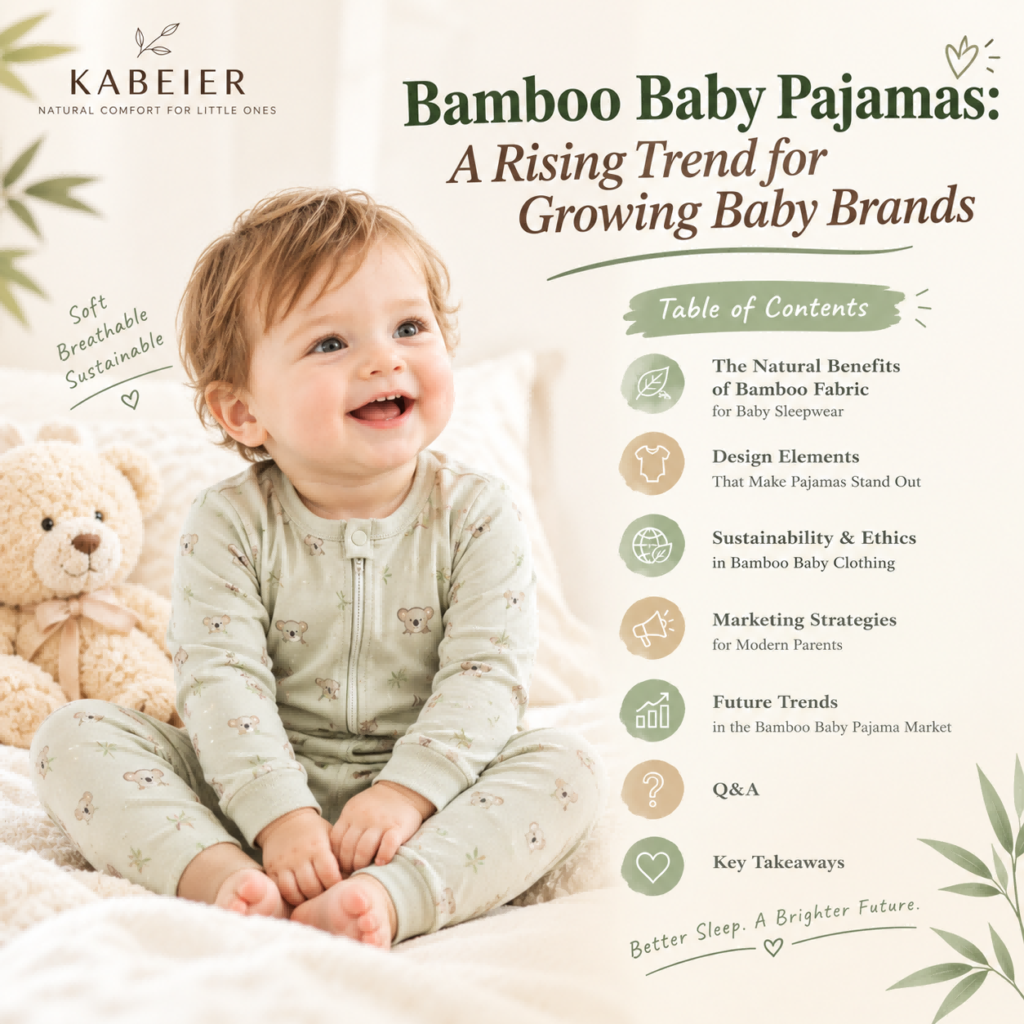
In the ever-evolving world of baby essentials, a soft and lasting revolution is quietly gaining momentum: bamboo baby pajamas. As parents increasingly seek products that combine comfort, safety, and eco-consciousness, bamboo fabric emerges as a compelling choice. Beyond its naturally gentle touch and breathability, bamboo offers baby brands a unique opening to align with modern values while tapping into a growing market demand. This article explores how bamboo baby pajamas are not just a cozy wardrobe addition but a promising possibility for brands ready to innovate in the competitive landscape of infant apparel.
Table of Contents
- The Natural Benefits of Bamboo Fabric for Baby Sleepwear
- Design Elements That Make Bamboo Pajamas Stand Out
- Sustainability and Ethical Considerations in Bamboo Baby Clothing
- Strategies for Marketing Bamboo Pajamas to Modern Parents
- Future Trends Shaping the Bamboo Baby Pajama Market
- Q&A
- Key Takeaways
The Natural Benefits of Bamboo Fabric for Baby Sleepwear
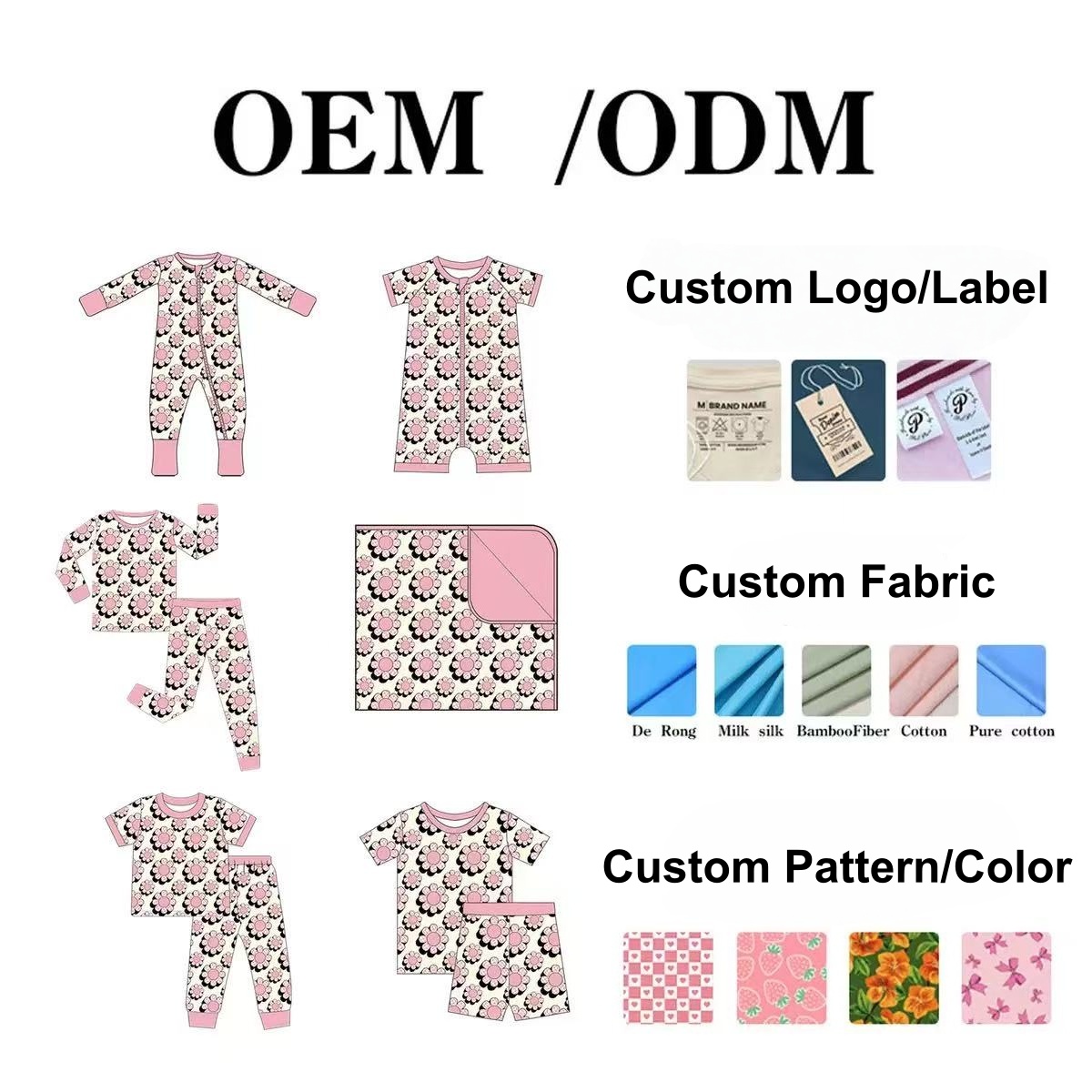 When it comes to baby sleepwear, fabric choice is paramount for comfort and safety. Bamboo fabric shines as a natural powerhouse, offering breathability that helps regulate your little one’s temperature throughout the night. Unlike synthetic materials, bamboo fibers wick away moisture effortlessly, keeping babies cool in summer and cozy in winter-an all-season companion for peaceful slumber. Beyond comfort, bamboo fabric is remarkably gentle on delicate skin, often becoming a go-to for newborns prone to irritation. Its inherent hypoallergenic and anti-bacterial properties mean fewer worries about rashes or sensitivities, making it an ideal choice for sensitive sleepers. Plus, the soft, silky texture mimics luxury, turning bedtime into a soothing ritual.
- Eco-amiable and sustainably harvested
- Highly breathable for temperature regulation
- Natural moisture-wicking ability
- Hypoallergenic and gentle on sensitive skin
- Durable yet ultra-soft texture
| Benefit | Impact on Baby Sleepwear |
|---|---|
| Breathable Fibers | Prevents overheating and sweating |
| Natural Softness | Enhances comfort for restless sleepers |
| Moisture-Wicking | Keeps skin dry and irritation-free |
| Eco-Conscious Production | Supports sustainably minded families |
Design Elements that Make Bamboo Pajamas Stand Out
Softness and Breathability: One of the standout features that elevate bamboo pajamas is their exceptionally soft texture that rivals the finest cotton. The natural fibers create a gentle, silky feel against a baby’s sensitive skin, reducing irritation and ensuring peaceful sleep. Not only are they soft, but bamboo fabrics also excel in breathability, promoting airflow to keep little ones comfortably cool during warmer nights and cozy when the temperature dips.
Innovative Fabric Technology: Bamboo fibers possess natural moisture-wicking properties, pulling sweat away from the skin to prevent discomfort or overheating. This functionality complements thoughtful design choices like reinforced seams and tagless labels, which reduce friction points frequently enough to be troublesome for babies. Moreover, bamboo’s hypoallergenic nature makes these pajamas ideal for infants prone to allergies or eczema, adding a protective layer beyond simple comfort.
- Eco-friendly and sustainable materials
- Durability, ensuring multiple washes without wear
- Natural UV protection integrated into the fabric
- Chic, minimalist designs with soft color palettes
| Design Element | Benefit for Baby |
|---|---|
| Flatlock stitching | Prevents chafing and irritation |
| Snap closures | Easy diaper changes without discomfort |
| Stretchy ribbed cuffs | Secure fit without restricting movement |
Sustainability and Ethical Considerations in Bamboo Baby Clothing
Choosing bamboo baby clothing means embracing a fabric that’s as gentle on the planet as it is on delicate skin. Bamboo grows rapidly without the need for pesticides or excessive water, making it an eco-friendly alternative to conventional cotton. Its natural biodegradability ensures that once these tiny pajamas have lived their joyful life, they return harmlessly to the earth rather than contributing to landfill waste. Brands committed to sustainability frequently enough source bamboo from responsibly managed plantations, emphasizing a closed-loop process that minimizes carbon footprints and nourishes the surroundings.
Ethical considerations extend beyond environmental impact. Bamboo baby clothing is frequently produced in fair-trade conditions where worker well-being and fair wages take center stage. When consumers opt for such products, they support clear supply chains that uphold human dignity and promote social equity. Here are some key sustainability and ethical practices driving this trend:
- Non-toxic dyes that keep babies safe from chemicals.
- Low-impact manufacturing techniques reducing energy and water use.
- Certifications like OEKO-TEX and GOTS ensuring strict quality and safety standards.
| Feature | Benefit | Impact |
|---|---|---|
| Rapid Growth | Bamboo matures in 3-5 years | Less land needed compared to cotton |
| biodegradable Fabric | Breaks down naturally | Reduces landfill waste |
| Fair labor Practices | Ethical production facilities | Supports worker welfare |
Strategies for Marketing Bamboo Pajamas to Modern Parents
 Connecting with today’s parents means highlighting what truly matters to them- comfort, health, and eco-conscious choices. When marketing bamboo pajamas, emphasize their hypoallergenic properties and exceptional softness that soothe sensitive baby skin. Leverage storytelling around sustainable farming practices and the natural breathability of bamboo fabric, positioning your product as not just a garment, but a nurturing experience for the little ones.
Utilize digital platforms with visually engaging content that showcases joyful moments of babies dressed in cozy bamboo sleepwear. Collaborate with parenting influencers to build trust and authenticity. Additionally, incorporate a user-friendly website experience with clear call-to-actions and trust signals like customer reviews and certifications. To simplify communication of benefits, consider a comparison chart that highlights bamboo pajamas against traditional cotton alternatives:
| Feature | Bamboo Pajamas | Cotton Pajamas |
|---|---|---|
| Softness | Ultra-soft, silky touch | Soft but less smooth |
| Breathability | Highly breathable, moisture-wicking | Moderate airflow |
| Eco-friendliness | Renewable and biodegradable | Conventional farming impact |
| Hypoallergenic | Yes, suitable for sensitive skin | Possible irritants |
Offline, parents appreciate tactile experiences. Hosting pop-up events or partnering with boutique baby shops allows direct engagement and builds confidence in bamboo’s premium feel. By blending education with genuine connection, modern parents will feel empowered to choose sleepwear that aligns with their values and their baby’s comfort.
Future Trends Shaping the Bamboo Baby Pajama Market
- Customization and Personalization: Growing demand for tailored fits and personalized prints printed via eco-friendly methods.
- Global Expansion: Rising demand in emerging markets where natural fabrics are gaining traction.
- Circular Economy Initiatives: Progress of recycling programs and pajama take-back schemes.
| trend | Impact | Opportunity for Brands |
|---|---|---|
| Eco-Innovation | Reduced environmental footprint | Attract eco-conscious parents |
| Smart Textile Integration | Enhanced product functionality | Create premium product lines |
| Personalization | Unique buying experience | Boost customer loyalty |
Q&A
Q&A: Bamboo Baby Pajamas - A Growing Opportunity for Baby Brands
Q1: What makes bamboo baby pajamas stand out in the crowded baby apparel market?
A1: Bamboo baby pajamas differentiate themselves through their exceptional softness, breathability, and natural hypoallergenic properties. Unlike traditional cotton or synthetic fabrics, bamboo fibers are naturally moisture-wicking and antibacterial, making them ideal for sensitive baby skin. This unique combination appeals to parents looking for comfort and safety in their baby’s sleepwear.
Q2: Why is there a rising demand for bamboo fabric in baby clothing?
A2: Increasing awareness about sustainability and health drives demand for bamboo fabric. Parents today are more conscious about the environmental impact of their purchases and the materials touching their babies’ skin. Bamboo grows rapidly without pesticides or intensive water use, making it an eco-friendly option. Simultaneously, its gentle nature reduces irritation and allergic reactions, aligning with parental concerns about baby care.
Q3: How can baby brands leverage the bamboo pajama trend to grow their market share?
A3: Baby brands can tap into this trend by highlighting the sustainable and health benefits of bamboo in their marketing campaigns. Certifications like OEKO-TEX and organic bamboo sourcing can build trust. Additionally, brands that innovate with stylish designs and functionality-such as zipper-free closures or temperature-regulating fabrics-can appeal to practical parents seeking both comfort and convenience.
Q4: Are bamboo baby pajamas more expensive to produce, and does the cost affect pricing?
A4: Bamboo fabric production can be costlier due to specialized processing and certification standards. However, many parents are willing to pay a premium for quality, safety, and sustainability. Brands can position bamboo pajamas as a value-driven investment, emphasizing durability and long-term comfort to justify slightly higher prices.
Q5: What challenges might brands face when introducing bamboo baby pajamas?
A5: A key challenge is educating consumers about bamboo’s benefits without overwhelming them with technical jargon. Additionally, ensuring consistent quality and supply chain transparency is crucial to avoid greenwashing perceptions. Brands must also manage production costs while maintaining competitive pricing.
Q6: How is the future shaping up for bamboo baby pajamas in the industry?
A6: The future looks promising as sustainability and consumer wellness continue to shape purchasing decisions. Innovations in bamboo fabric technology, coupled with rising global eco-consciousness, position bamboo baby pajamas as a staple in baby apparel. Brands that authentically embrace this trend are likely to see steady growth and stronger customer loyalty.
Q7: Can bamboo baby pajamas contribute to a brand’s overall sustainability goals?
A7: Absolutely. Bamboo’s rapid renewability and lower environmental footprint support broader corporate sustainability initiatives. Offering bamboo pajamas signals a brand’s commitment to responsible sourcing and product safety, enhancing its reputation among eco-minded consumers.
Key Takeaways
As the market for baby essentials continues to evolve, bamboo baby pajamas emerge not just as a passing trend but as a meaningful opportunity for brands ready to embrace sustainability, comfort, and innovation. With their natural softness, breathability, and eco-friendly appeal, these cozy sleepwear options are quietly reshaping the way parents dress their little ones. For baby brands willing to grow alongside these shifts, bamboo pajamas offer a chance to connect with a new generation of mindful consumers-proving that sometimes, the smallest garments can open the biggest doors.