
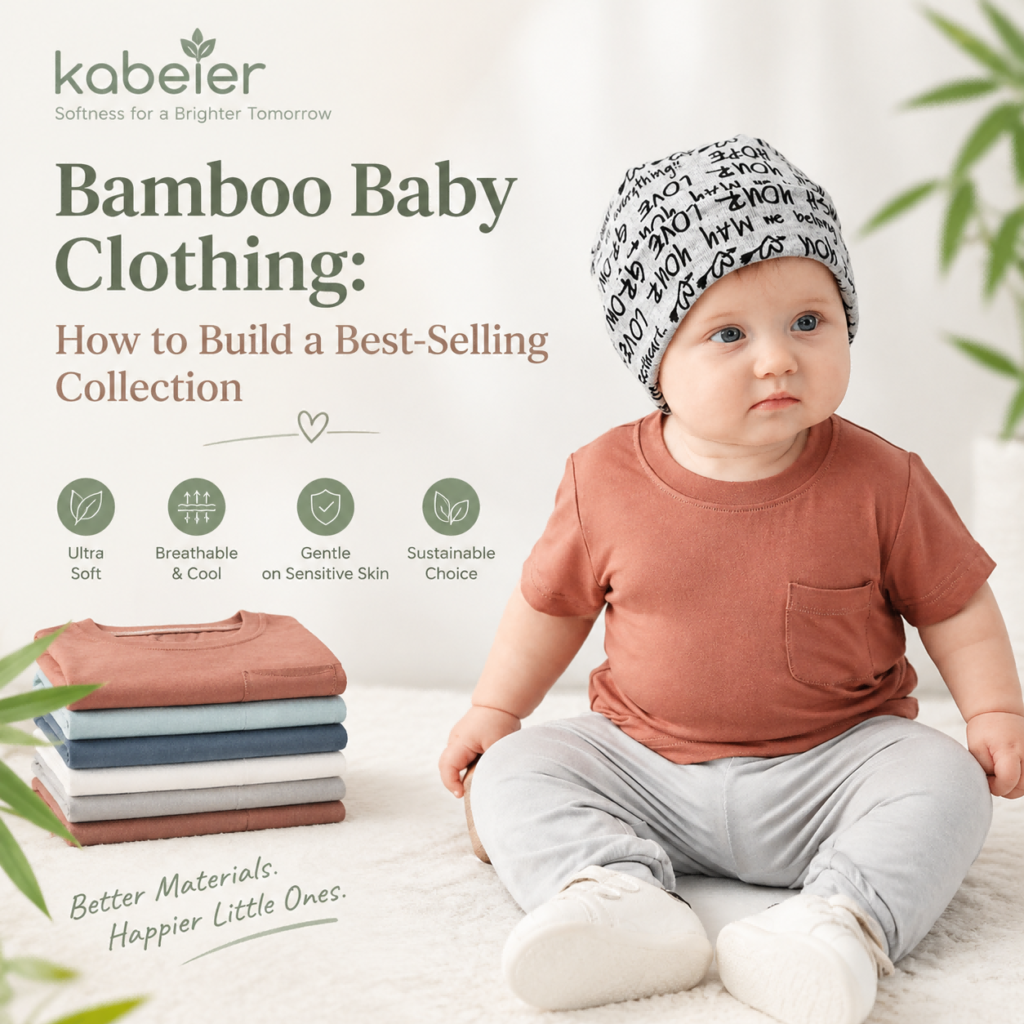
In the ever-evolving world of children’s fashion, bamboo baby clothing has risen from a niche trend to a sought-after staple, captivating parents and entrepreneurs alike. Known for its softness, durability, and eco-friendly nature, bamboo fabric offers a unique blend of comfort and sustainability that resonates deeply in today’s market. Building a collection that sells means more than just stocking adorable pieces-it requires understanding the material’s strengths, anticipating customer desires, and curating styles that balance practicality with charm. This article explores how to navigate the bamboo baby clothing landscape to create a collection that not only appeals but stands out in a competitive marketplace.
Table of Contents
- Understanding the Unique Benefits of Bamboo Fabric for Baby Clothing
- Crafting Soft and Safe Designs That Appeal to Conscious Parents
- Incorporating Sustainability into Your Brand Story and Marketing
- Choosing Quality Suppliers and Navigating Production Challenges
- Effective Pricing Strategies to Balance Affordability and Quality
- Q&A
- To Wrap It Up
Understanding the Unique Benefits of bamboo Fabric for Baby Clothing
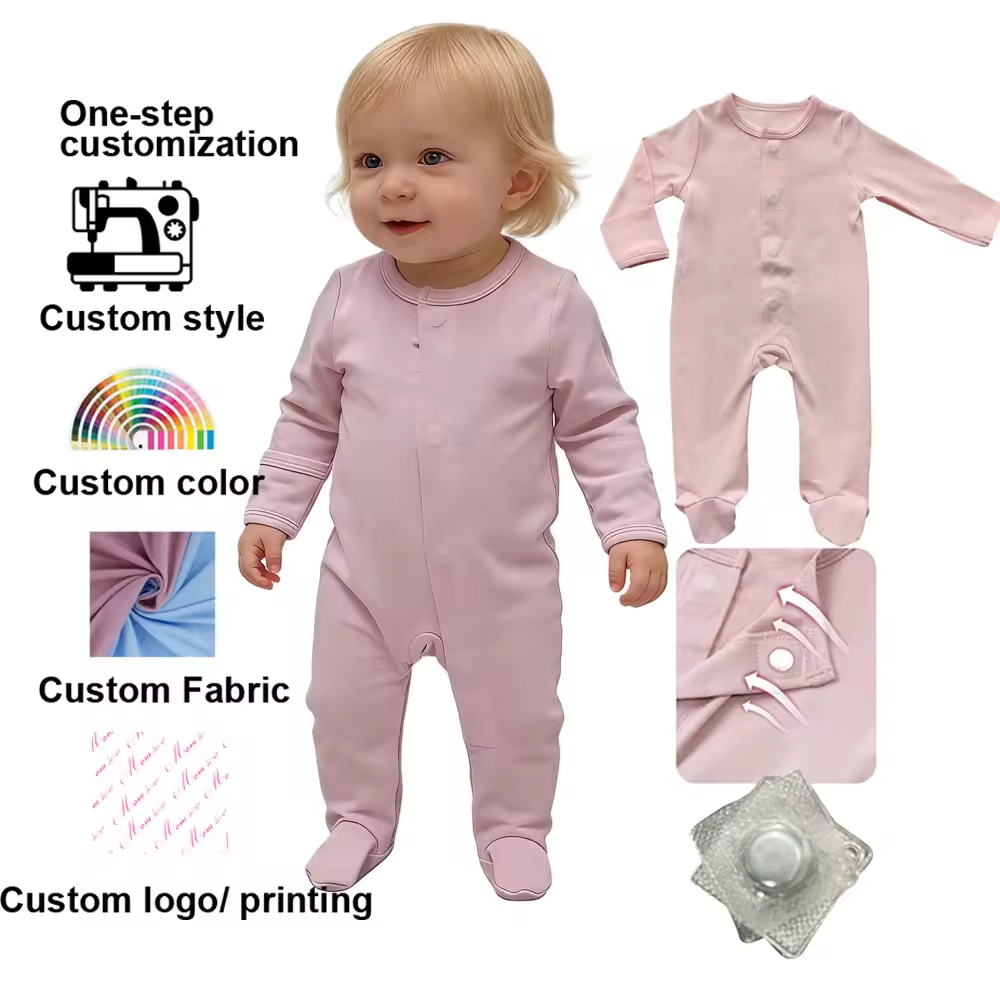 Bamboo fabric is rapidly becoming a favorite choice among parents who prioritize comfort,sustainability,and safety in baby clothing. Derived from the pulp of bamboo grass, this fabric offers exceptional softness that rivals even the finest cotton, making it incredibly gentle against delicate baby skin. Its natural breathability ensures that little ones remain cool and dry, reducing the risk of irritation and rashes-a crucial factor for sensitive baby skin.
Beyond comfort, bamboo fabric is inherently antibacterial and hypoallergenic. This means it can naturally resist bacteria, fungi, and odors, providing a cleaner environment for babies prone to allergies. Additionally, bamboo fibers are highly moisture-wicking, quickly drawing sweat away from the skin and speeding up drying time, which helps maintain optimal skin hygiene.
- Eco-friendly production: Bamboo grows fast without pesticides.
- Durability: Resists wear and tear better than many natural fibers.
- UV protection: Naturally blocks harmful sun rays.
| Feature | Benefit for Babies |
|---|---|
| Softness | Prevents skin irritation and promotes restful sleep |
| Hypoallergenic | Reduces allergic reactions and skin sensitivities |
| Moisture-wicking | Keeps skin dry and comfortable |
Crafting Soft and Safe Designs That Appeal to Conscious Parents
To captivate this audience, incorporate features that enhance both comfort and practicality, such as:
- Tagless labels to prevent irritation
- Easy snap buttons and stretchy seams for hassle-free changing
- Organic dyes that maintain vibrant colors without toxic residues
- Thoughtful sizing that allows room for growth and layering
| Design element | Benefits for Baby | Appeal to Parents |
|---|---|---|
| Bamboo Fabric | Soft, breathable, moisture-wicking | Eco-friendly, allergy-resistant |
| Organic Dye | Safe for sensitive skin | Non-toxic, vibrant colors |
| Tagless Design | No chafing or discomfort | Enhanced comfort |
Incorporating Sustainability into Your Brand Story and Marketing
Leverage your marketing channels creatively to amplify this message. Incorporate behind-the-scenes videos, infographics, and customer testimonials focusing on eco-friendly benefits. Consider a simple comparison table that visually demonstrates bamboo’s advantages over conventional fabrics, helping parents make informed choices quickly.
| Feature | bamboo Fabric | Cotton Fabric |
|---|---|---|
| Water Usage | Low | High |
| Pesticides | None | Frequently enough Used |
| Softness | Luxuriously Soft | Soft |
| Biodegradability | 100% | Partial |
Integrate enduring messaging into product descriptions, packaging, and social media campaigns. Use phrases like “grown with care,” “eco-conscious comfort,” and “gentle on baby and planet” to reinforce your commitment. By demonstrating genuine responsibility, you not only help the environment but also cultivate a loyal community eager to champion your bamboo baby clothing line.
Choosing Quality Suppliers and Navigating Production Challenges
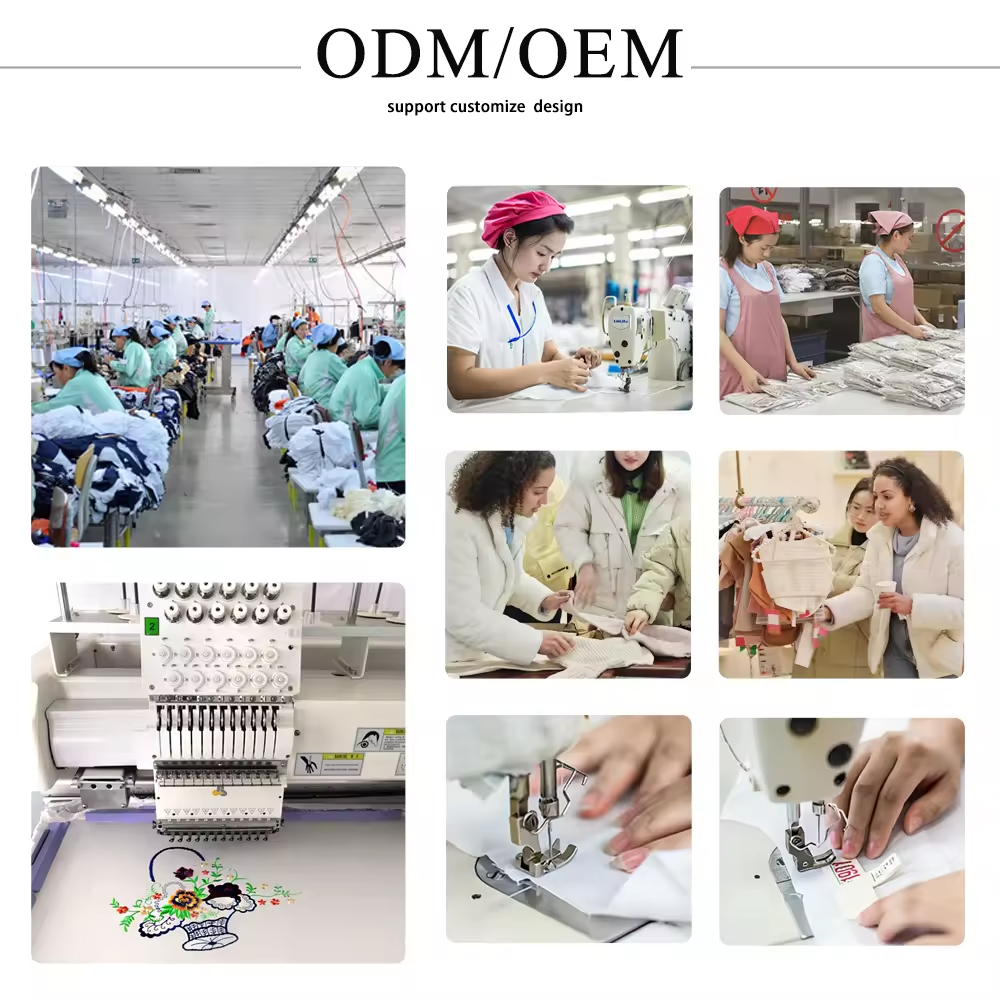 Finding the right partners to source organic bamboo fabric and manufacture your baby clothing line is pivotal. Quality suppliers don’t just offer superior materials; they also contribute valuable expertise, ensuring that each fabric batch meets strict safety and softness standards that parents demand. Prioritize vendors who provide transparent certifications like OEKO-TEX® or GOTS and who demonstrate a commitment to sustainable practices. Building these relationships frequently enough requires patience and proactive communication, but the payoff is garments that inspire trust and loyalty.
Production, especially with bamboo textiles, can present unexpected hurdles-from fiber consistency to dye adherence. Anticipate these challenges by collaborating closely with your factory at every stage, including pilot runs and quality checks. Consider implementing a flexible production schedule that allows for adjustments without compromising timelines. Below is a simple checklist to help keep production on track:
- Material Testing: Verify softness, shrinkage, and colorfastness before mass production.
- Sample Approval: Approve prototypes to catch fit and finish issues early.
- Factory Audits: Ensure ethical labor conditions and consistent quality control.
- Buffer Times: Build in extra days for unexpected delays or reworks.
| Common Production Challenge | Proactive Solution | Impact on Quality |
|---|---|---|
| Inconsistent fabric texture | Request multiple fabric batches for comparison | Maintains softness & uniformity |
| Dye bleeding in wash tests | Opt for eco-friendly, tested dyes | Preserves garment appearance |
| Sizing irregularities | Conduct size fittings on target age groups | Ensures comfort & customer satisfaction |
Effective Pricing Strategies to Balance Affordability and Quality
Leverage tiered pricing models to appeal to different customer segments. For example:
- Basic Essentials: Affordable items that introduce customers to your brand with simplified designs and limited features.
- Premium Pieces: Higher-priced products with exclusive features like organic dyes, double-layer stitching, or customized embroidery.
- Bundles and Sets: Offer value-packed deals that encourage larger purchases without compromising margins.
| package | Price Range | Key Features |
|---|---|---|
| Basic | $15 – $25 | Soft bamboo fabric, simple design |
| Premium | $30 – $45 | Organic dyes, reinforced seams |
| Bundle | $50 - $70 | Multiple pieces, discount savings |
Additionally, transparent communication about your product’s quality helps justify your pricing strategy. Use storytelling to highlight the sustainable sourcing and gentle manufacturing processes behind your collection, which encourages customers to perceive higher value alongside affordability.
Q&A
Q&A: Bamboo Baby Clothing – Building a Collection That Sells
Q1: Why is bamboo fabric becoming popular in baby clothing?
A1: Bamboo fabric is gaining popularity because it’s naturally soft, breathable, and hypoallergenic- perfect for a baby’s sensitive skin. It’s also moisture-wicking and temperature-regulating, keeping little ones comfortable throughout the day. Plus, its eco-friendly nature appeals to environmentally conscious parents.
Q2: What key qualities should a bamboo baby clothing brand focus on to attract buyers?
A2: Quality and comfort are non-negotiable. Emphasize softness, durability, and safe dyes free from harmful chemicals. Transparency about sourcing and sustainable production methods builds trust. Offering versatile, stylish designs that balance practicality with charm can set your collection apart.
Q3: How can a seller differentiate their bamboo baby clothing in a competitive market?
A3: Unique storylines and branding help. Highlight the sustainability journey of your bamboo fabric, or focus on innovative features like organic certification or reversible designs. Collaborations with eco-conscious influencers or adding limited-edition prints can spark interest and foster brand loyalty.
Q4: are there specific items that tend to sell better within bamboo baby collections?
A4: Essentials like bodysuits, sleepwear, and swaddles are perennial favorites due to constant demand and frequent outfit changes.Seasonal items such as lightweight bamboo hats or mittens with adjustable sizing also do well. creating mix-and-match sets encourages higher purchase volumes.
Q5: What challenges should sellers anticipate when curating a bamboo baby clothing line?
A5: Bamboo fabric can be pricier than conventional cotton, impacting pricing strategy. Ensuring consistent fabric quality and fit is vital to retain customers. Navigating supply chain sustainability and communicating these efforts authentically also require attention but pay off in credibility.
Q6: How important is marketing education in building a bamboo baby clothing collection that sells?
A6: Very important. Educating customers on the benefits of bamboo fabric-such as its environmental impact and baby-friendly properties-helps justify pricing and builds an emotional connection. Clear, gentle messaging that aligns with parental values increases engagement and repeat business.
Q7: Can bamboo baby clothing appeal beyond eco-conscious consumers?
A7: Absolutely. While eco-friendly shoppers are a strong niche, bamboo’s comfort and quality appeal to any parent wanting the best for their child. Positioning your collection as premium, gentle, and reliable invites a broader audience looking for baby clothes that combine function and care.
To Wrap It Up
As the demand for sustainable and gentle fabrics continues to grow, bamboo baby clothing stands out not only for its eco-friendly appeal but also for its exceptional softness, comfort, and durability. Building a collection that truly connects with modern parents requires understanding their values and incorporating those insights into every design.
At Kabeier, we believe that baby clothing should provide more than just beautiful style—it should offer a gentle touch, lasting comfort, and thoughtful craftsmanship for every stage of early childhood. By carefully selecting quality fabrics and creating timeless designs, Kabeier brings together the natural benefits of bamboo-inspired materials with practical details that support little ones’ everyday adventures.
Through thoughtfully curated styles, attention to quality, and a commitment to creating meaningful baby essentials, Kabeier helps parents build a wardrobe that feels comfortable, sustainable, and full of care. In the evolving world of baby apparel, bamboo represents more than a passing trend—it reflects a softer, more conscious future for children’s clothing.