
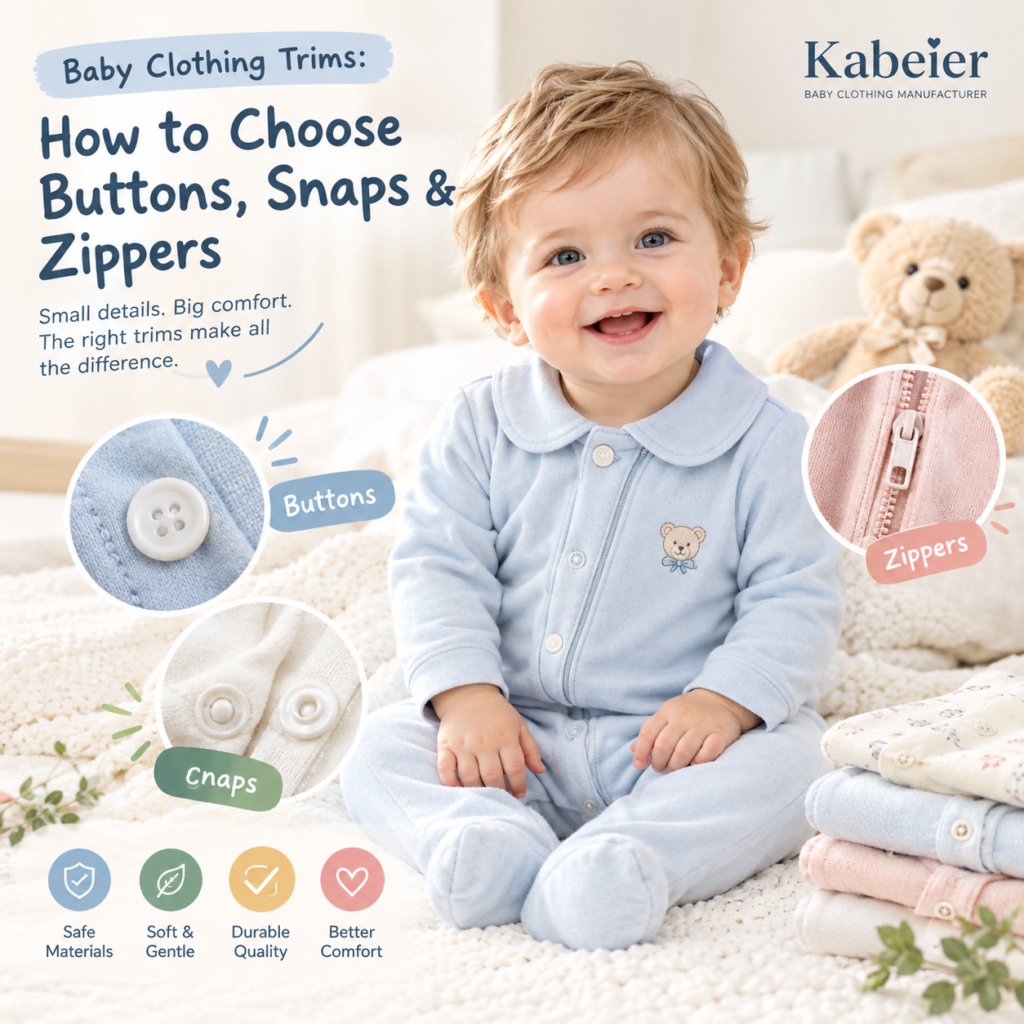
When it comes to dressing little ones, every detail matters-even the smallest touches sewn onto baby clothes can make a big difference. From the gentle click of a snap to the subtle glide of a zipper or the classic charm of buttons, trims do more than hold fabric together-they add comfort, convenience, and personality to your baby’s wardrobe. Choosing the right closures isn’t just a practical decision; it’s part of crafting apparel that’s safe, easy to wear, and perfectly suited to tiny hands and delicate skin. In this article, we’ll explore the world of baby clothing trims, helping you navigate the options of buttons, snaps, and zippers to find the best fit for your little one’s needs.
Table of Contents
- Selecting Safe and Soft Buttons for Delicate Baby Skin
- The Practical Advantages of Snaps in Everyday Baby Wear
- Choosing the Right Zippers for Convenience and Comfort
- Combining Trims for Style and Functionality in Baby Clothes
- Tips for Checking Durability and Secure Attachment of Baby Clothing Trims
- Q&A
- Key Takeaways
Selecting Safe and Soft Buttons for Delicate Baby Skin
When choosing fasteners for your baby’s clothes, the gentlest options on the market are a must to avoid irritation or discomfort. Prioritize buttons made from smooth, hypoallergenic materials like silicone or high-quality resin. These materials glide easily over sensitive skin, reducing the chance of redness or rash. Additionally, buttons with a slightly rounded edge or a matte finish often feel softer against tiny fingers and cheeks compared to hard, glossy alternatives.
Besides material, consider the size and attachment method. Small, securely sewn buttons prevent snagging and accidental swallowing hazards, while buttons stitched flush against the fabric minimize pressure points that may irritate delicate skin. To help narrow down choices, use this speedy reference table:
| Button Type | material | Skin-Friendliness | Recommended Use |
|---|---|---|---|
| Silicone | Soft, flexible | Excellent | Everyday baby wear |
| Resin | Smooth, non-toxic | Very Good | Dressy outfits |
| Wooden | Natural, untreated | Good | Organic or artisanal clothes |
| Metal | Cold, firm | Fair | Outerwear (with caution) |
By focusing on soft textures and secure fixings, you can ensure every tiny touchpoint on your baby’s outfit is as cozy and safe as possible. Always inspect buttons periodically, especially after washing, to keep your little one comfy and protected.
The Practical Advantages of Snaps in Everyday Baby Wear
 Snaps have become a beloved choice for parents and designers alike due to their practicality and ease of use. Unlike buttons, snaps offer quick and secure fastening, making diaper changes and dressing little ones a hassle-free experience. Their one-handed operation proves invaluable during those moments when babies squirm or fuss, streamlining the process without compromising on convenience.
Beyond simplicity, snaps contribute considerably to safety and comfort. Since they lie flat against the fabric, they minimize the risk of scratching delicate skin-a common concern with protruding buttons. Additionally, snaps hold up well during frequent wash cycles, maintaining their grip and appearance without loosening or poking through the garment’s surface.
- Speedy dressing & undressing - ideal for busy parents
- Flat and gentle against baby’s sensitive skin
- Durable for repetitive washing and wear
- Secure closure that prevents accidental opening
| Feature | Benefit for Baby Wear |
|---|---|
| Snap Placement | Facilitates quick diaper changes |
| Material Variety | Compatible with organic & synthetic fabrics |
| Corrosion Resistance | Maintains performance after many washes |
| Childproof Design | Prevents accidental detachment |
Choosing the Right Zippers for Convenience and Comfort
Material choice plays a vital role, too. Lightweight plastic zippers are gentle against delicate baby skin and reduce the risk of rust or staining, while metal zippers offer durability but might potentially be heavier or less comfortable. The zipper length and placement should align with the garment’s design to facilitate quick diaper changes without sacrificing style or snugness.
| Zipper Type | Advantages | Best use |
|---|---|---|
| Plastic Coil | Flexible, lightweight, gentle on skin | Onesies, lightweight jackets |
| Metal | Durable, secure closure | Outerwear, heavier garments |
| Invisible | Discreet, comfortable | Dresses, sleepwear |
- Choose zippers with easy-glide sliders to make dressing less frustrating.
- Ensure top stops are covered to protect baby’s chin and neck.
- Consider separating zippers on outerwear for versatility and size adjustments.
Combining Trims for Style and Functionality in Baby Clothes
 Thoughtfully mixing different trims can elevate baby clothes from purely functional to delightful fashion statements. Imagine pairing soft snaps on a onesie’s front closure with miniature wooden buttons adorning the cuffs-this not only ensures ease of dressing but also adds a touch of whimsical charm. Combining trims allows parents and designers to balance practicality, safety, and style, creating garments that are as adorable as they are comfortable.
When integrating multiple trims, consider the role each plays in the overall design. Zippers offer quick access and durability, making them ideal for outerwear or footed pajamas. Meanwhile, buttons provide classic appeal and can serve as decorative accents, but may require more dexterity to fasten. Snaps, often favored for their gentle touch and user-friendliness, are perfect for newborn essentials. Combining these thoughtfully can enhance usability while preserving the garment’s aesthetic appeal.
- Functionality: Use snaps on easy-access areas and zippers where speed is essential.
- Safety: Ensure trims are securely attached and non-toxic.
- Visual interest: Mix matte and shiny finishes or different colors for playful contrast.
- Fabric compatibility: Match trims to fabric weight for durability and comfort.
| Trim Combination | Best Use | Style Impact |
|---|---|---|
| Snaps + Buttons | Everyday rompers | Casual charm with practicality |
| Zipper + Snap | Outerwear and sleepers | Easy access, modern edge |
| Buttons + Zipper | Layered outfits | Classic meets contemporary |
Tips for Checking Durability and Secure Attachment of Baby Clothing Trims
When inspecting sewn trims, pay special attention to the type of stitching used. Look for tight, even stitches and reinforced areas where stress is highest, such as buttonholes or zipper ends. Loose threads or uneven sewing lines often signal potential weaknesses. Additionally, materials matter: metal snaps and heavy-duty plastic zippers generally outlast cheaper options, but also ensure that they don’t have sharp edges or parts that could irritate delicate skin.
- Pull trims gently to confirm stability
- Check stitching for tightness and reinforcement
- Run zippers multiple times to test smoothness
- Inspect snaps for secure snapping without sticking
- Evaluate materials for safety and durability
| Trim Type | Durability Factor | Secure Attachment Tip |
|---|---|---|
| Buttons | Thread reinforcement | Double stitch to prevent wobbling |
| Snaps | Pressure resistance | check snap snaps securely without sticking |
| Zippers | Slider strength | Test smooth gliding and locked stops |
Q&A
Q&A: Baby Clothing Trims – Choosing Buttons, Snaps, and Zippers
Q1: Why is the choice of trims like buttons, snaps, and zippers significant for baby clothing?
A1: Trims are more than just decorative-they affect comfort,safety,and convenience. Babies have sensitive skin, so trims need to be soft, secure, and easy to use. The right choice can make dressing and diaper changes easier for parents while keeping little ones safe.
Q2: What are the pros and cons of buttons on baby clothes?
A2: Buttons offer a classic look and come in various sizes and materials, making them great for style. However, they can be tricky to fasten quickly, and if not securely sewn, they pose a choking hazard. Buttons are best used as decorative accents or on older babies who no longer put things in their mouths.
Q3: How do snaps compare to buttons for baby garments?
A3: Snaps are a popular choice because they’re quick to open and close, making diaper changes faster. They lay flat against fabric, reducing irritation. Metal snaps are sturdy but should be rust-resistant, while plastic snaps are lightweight but may wear out faster. Snaps require precise installation to ensure they stay secure.
Q4: Are zippers safe for baby clothing?
A4: Zippers are excellent for one-piece outfits and can make dressing very efficient. However, they can pinch delicate skin or catch on fabric. Many baby garments with zippers include fabric protectors or zipper garages to safeguard the neck and chin area. Choosing zippers with plastic teeth and a smooth pull can enhance safety.
Q5: What materials are best for trims to ensure baby comfort?
A5: Soft, lightweight materials are preferred. Plastic buttons and snaps tend to be gentler than metal. For zippers, nylon coils are smoother and safer than metal teeth. Avoid trims with rough edges or sharp points to prevent irritation or injury.
Q6: How can trims enhance the overall design of baby clothing?
A6: Beyond functionality, trims contribute to the style and personality of a garment. Colorful buttons can add playful accents, snaps can create neat lines without bulkand zippers can give a modern, sleek look. Thoughtful trim choices complement both aesthetics and practicality.
Q7: Any tips for parents or makers when choosing trims?
A7: Always prioritize safety and comfort. Check that trims are securely attached and free from sharp edges. Consider how often the garment will be opened-frequent diaper changes favor snaps. For babies prone to allergic reactions, hypoallergenic materials are ideal. Testing the ease of use before finalizing can save time and frustration.
Q8: Can trims affect the durability of baby clothing?
A8: Definitely. High-quality snaps and zippers can withstand multiple washes better than delicate buttons. Poorly chosen or cheaply made trims may break, detach, or cause fabric damage. Investing in sturdy trims ensures clothes last longer through active babies’ adventures.
Key Takeaways
Choosing the perfect trims for baby clothing is more than just a practical decision—it’s a subtle art that blends safety, comfort, and style. Whether you lean toward the gentle click of snaps, the classic charm of buttons, or the smooth glide of zippers, each option brings its own unique touch to little garments.
At Kabeier, we understand that every small detail matters when creating comfortable, functional baby clothing. From selecting skin-friendly trims to ensuring secure attachment and reliable durability, we carefully consider every component throughout the production process. By thoughtfully choosing these details, brands can provide not only ease of dressing but also the cozy, secure experience every little wearer deserves.
After all, in the world of baby clothing, it’s often the smallest touches that make the biggest difference. With Kabeier’s professional baby clothing manufacturing experience and OEM & ODM capabilities, thoughtful design can be transformed into high-quality garments that balance comfort, safety, and style.