
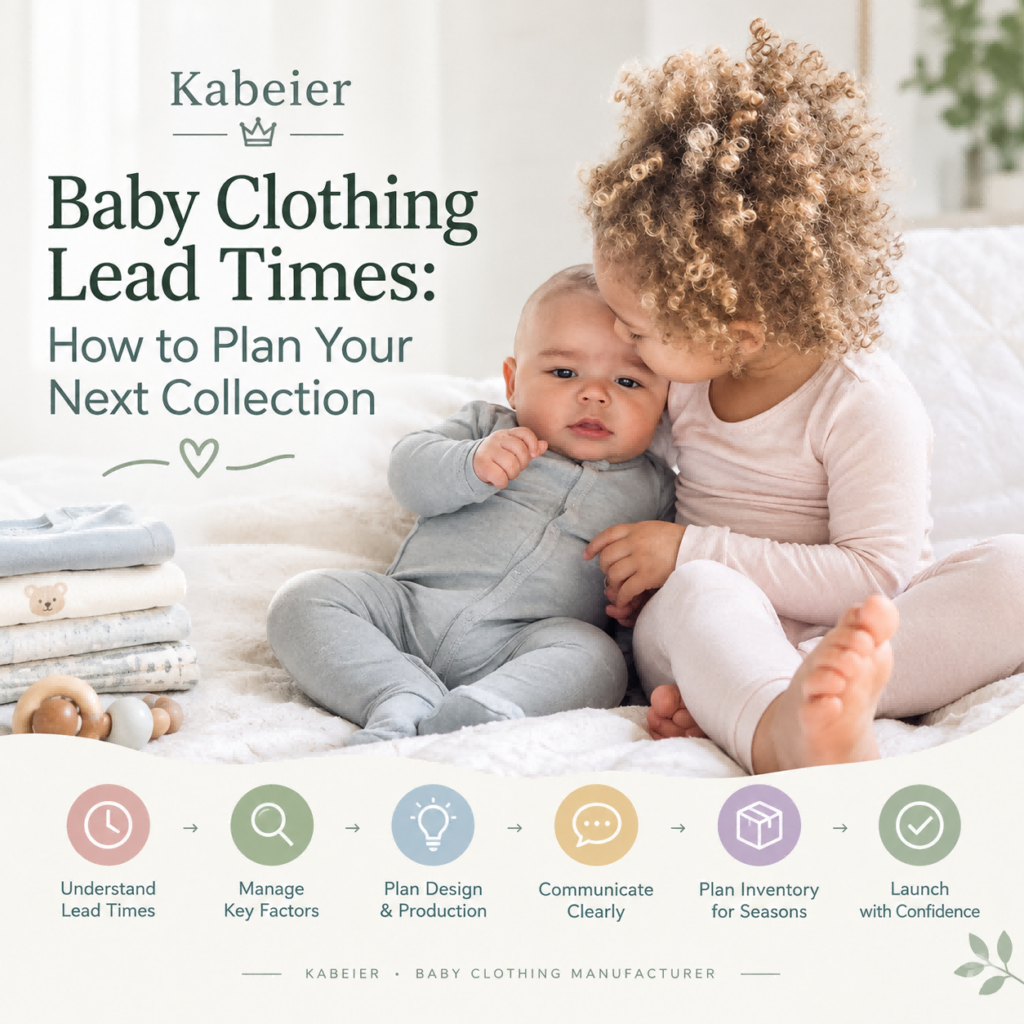
In the ever-evolving world of baby fashion, timing is as crucial as the tiniest stitch. Launching a new collection isn’t just about adorable designs and soft fabrics-it hinges on mastering lead times that ensure your creations arrive fresh, on trend, and ready to delight. Understanding the intricacies of baby clothing lead times can transform your planning process from a race against the clock into a smooth, predictable journey. In this article, we’ll explore the essential steps and timelines that help brands stay ahead, turning creative visions into wearable reality-just in time for those first coos and cuddles.
Table of Contents
- Understanding Typical Lead Times in Baby Clothing Production
- Factors Influencing Delivery Schedules and How to Manage Them
- Balancing Design Innovation with Production Timelines
- Strategies for Effective Communication with Manufacturers
- Optimizing Inventory Planning to Meet Seasonal Demand
- Q&A
- In Summary
Understanding Typical Lead Times in Baby Clothing Production
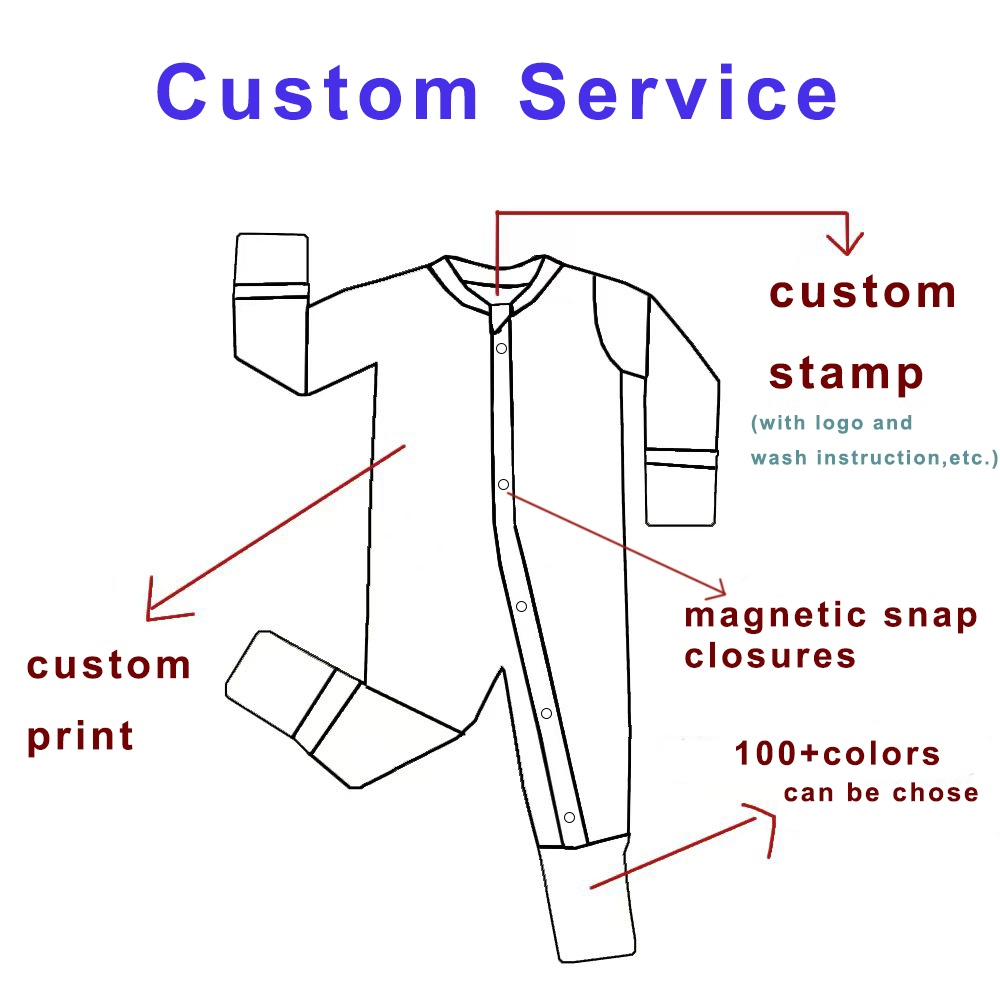 When launching a new baby clothing line, timing can make all the difference. Typical lead times usually range from 8 to 16 weeks, influenced by several factors such as fabric sourcing, production complexity, and order volume. For example, organic cotton takes longer to procure than synthetic blends, and intricate patterns or special finishes often add days or weeks to the timeline. Understanding these variables early can definitely help manufacturers and designers avoid costly delays and streamline the entire process.Here’s a quick overview of common stages and their average durations to help you visualize your project flow:
- Design Finalization: 1-2 weeks
- Material Procurement: 3-5 weeks
- Sample Advancement: 2-3 weeks
- Production Run: 4-6 weeks
- Quality Control & Packaging: 1 week
| Stage | Typical Duration | Key Considerations |
|---|---|---|
| Material sourcing | 3-5 weeks | Availability, sustainability, cost |
| Sample Approval | 2-3 weeks | Fit testing, regulatory compliance |
| Mass Production | 4-6 weeks | Order size, machine capacity |
Factors Influencing Delivery Schedules and How to Manage Them
- Material Sourcing: Secure fabrics early to avoid seasonal shortages.
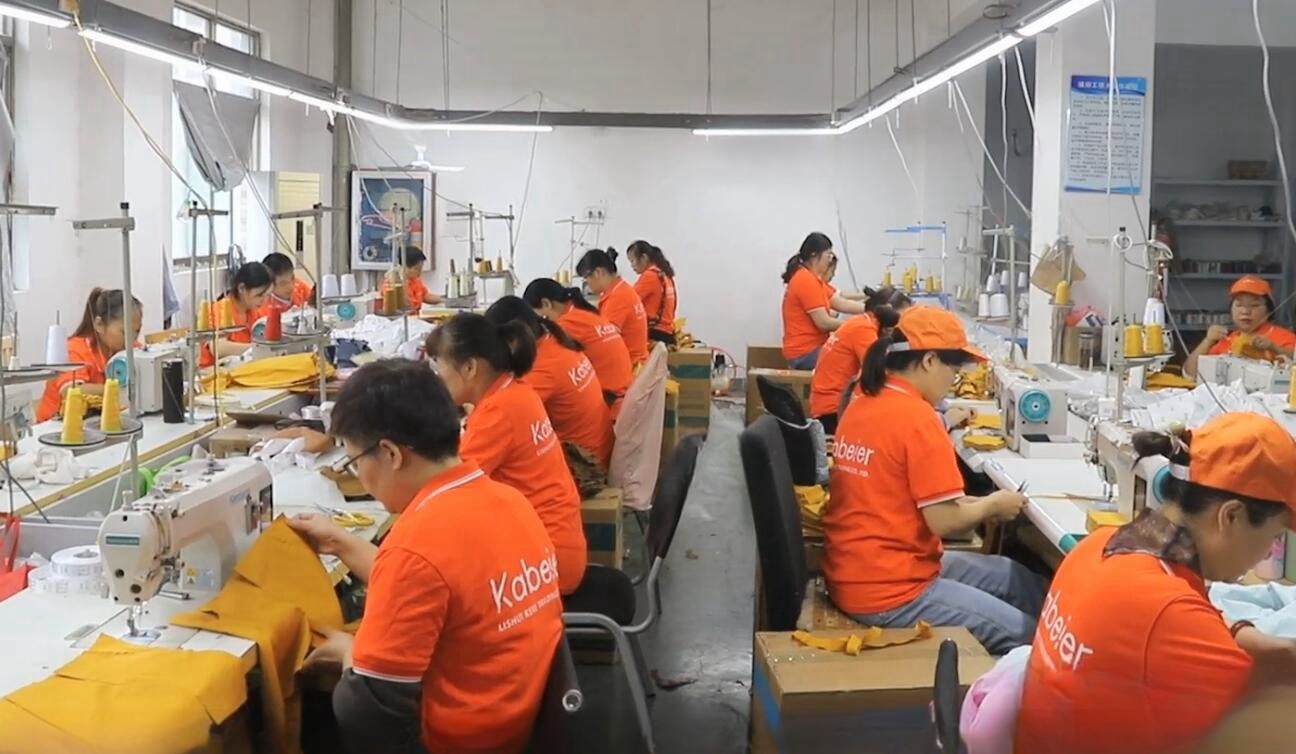
- Production Capacity: Align order volume with manufacturer capabilities.
- Quality Control: Allocate time for thorough inspections to ensure standards.
- Shipping and Customs: Account for international transit and clearance delays.
| Factor | Impact on Schedule | Management Tip |
|---|---|---|
| fabric availability | High | Pre-book materials & maintain backup suppliers |
| Production Lead Time | Medium | Balance order size with factory speed |
| Shipping Delays | Variable | Use expedited options when possible |
| Quality Checks | Crucial | Schedule inspection slots in advance |
Balancing Design Innovation with Production Timelines
- Establishing milestone checkpoints throughout the design and production phases
- Prioritizing innovations that align with suppliers’ capabilities
- Building buffer periods into the timeline to address unforeseen challenges
- Utilizing sample feedback loops to refine designs efficiently
| Design Element | Potential Impact on Lead Time | Suggested Workflow Adjustment |
|---|---|---|
| Custom Embroidery | +2 Weeks | Order early samples; confirm thread colors in advance |
| Organic Fabrics | +1 Week | Secure suppliers early; adjust order quantities for lead time |
| Innovative Fasteners | +3 Weeks | Prototype multiple options; confirm supplier capability |
Strategies for Effective Communication with Manufacturers
 Establishing an obvious dialog with your manufacturers is crucial for navigating the complexities of baby clothing production. Begin by setting clear expectations on lead times, material availability, and quality standards right from the start. Use concise and frequent updates to ensure everyone is aligned, which helps reduce misunderstandings and last-minute rushes. Regular check-ins via email or video calls can foster a collaborative environment, encouraging proactive problem-solving rather than reactive firefighting.Another effective approach is to create a shared timeline that includes all critical milestones-from fabric sourcing to sample approvals and final production. This acts as a living document for both parties to track progress and anticipate potential bottlenecks. Consider incorporating a simple communication protocol with these key elements:
- Response time expectations: Agree on how quickly questions or concerns should be addressed.
- Design changes: Establish a clear process for submitting and approving modifications to avoid delays.
- Contingency plans: Discuss alternatives if unexpected supply chain disruptions occur.
| Communication Aspect | Best Practice |
|---|---|
| Lead Time Clarification | Confirm timelines before finalizing orders |
| Sample Approval | Set deadlines for feedback and sign-off |
| Material Updates | Request regular supplier reports |
| Issue Resolution | Schedule weekly problem-solving sessions |
Optimizing Inventory Planning to Meet Seasonal Demand
| Season | Prep Time Needed | Key Planning Actions |
|---|---|---|
| Spring | 4-5 months | Order lightweight fabrics; focus on pastel colors |
| Summer | 3-4 months | Increase breathable materials; ramp up swimwear |
| Fall | 5-6 months | Plan for layering items; richer color palettes |
| Winter | 6 months+ | Stock up on insulated fabrics; coordinate accessories |
Leveraging these practices will help you align your inventory strategically, so you’re never caught off guard by seasonal demand shifts.
Q&A
Q&A: Baby Clothing Lead Times - Planning Your Next Collection
Q1: Why is understanding lead times vital for baby clothing collections?
A: Lead times dictate the entire rhythm of your product launch. Knowing how long it takes from design to delivery ensures you hit market windows, avoid stockouts, and meet customer expectations-especially crucial for infant apparel, which often follows seasonal trends and safety regulations.
Q2: What typical stages influence lead times in baby clothing production?
A: The journey usually includes design development, sourcing fabrics and trims, sample creation, production runs, quality checks, and shipping. Each phase can vary depending on factors like material availability and manufacturing location, making careful scheduling essential.
Q3: How long do lead times usually range for baby clothing?
A: On average, lead times for baby apparel span from 8 to 16 weeks. If you’re working with overseas manufacturers, add additional time for shipping and customs clearance. Shorter lead times can sometimes be achieved with domestic production but often come at a higher cost.
Q4: Can lead times be shortened without sacrificing quality?
A: Yes, by establishing strong relationships with suppliers, streamlining your design approval process, and ordering raw materials in advance, you can reduce delays. Additionally, leveraging technology for sample approvals and choosing reliable logistics partners helps speed things up.
Q5: How can baby clothing brands plan collections around lead times?
A: Start by mapping backward from your desired launch date. Factor in buffer periods for unexpected delays. Align your marketing campaigns and inventory management accordingly to ensure that your collection arrives in time to meet consumer demand, especially ahead of key shopping seasons.
Q6: Are there specific challenges when planning lead times for baby clothing?
A: Absolutely. Infant clothing must comply with strict safety standards, sometimes requiring additional testing that extends timelines. Plus, trends in baby wear can shift quickly, so balancing speed with thorough quality assurance is vital to maintain brand trust.
Q7: What role does batch size play in lead times?
A: Larger batch orders often result in longer production times but can reduce unit costs. Smaller batches may be quicker and allow for more flexibility but might come with price premiums. Choosing the optimal batch size depends on your market strategy and cash flow.
Q8: How does seasonality affect planning lead times for baby collections?
A: Baby clothing is highly seasonal-think cozy winter onesies or breathable summer rompers. Early planning ensures your lineup matches seasonal demand, avoiding the pitfall of launching cold-weather clothes too late or summery items when the season’s ending.
Q9: What advice would you give new baby clothing brands regarding lead times?
A: Start with realistic timelines and build strong communication channels with your supply chain partners. Be proactive rather than reactive- anticipate challenges, order materials early, and keep a flexible mindset to adapt to unforeseen changes.
Q10: How can technology assist in managing lead times for baby apparel collections?
A: Tools like production management software, real-time tracking systems, and digital sampling platforms can offer transparency and speed up decision-making. These technologies empower brands to monitor progress and respond faster, ensuring smoother collection launches.
In Summary
As you embark on crafting your next baby clothing collection, understanding and mastering lead times is key to weaving together creativity and practicality. By planning thoughtfully and anticipating the rhythms of production, you ensure your designs arrive just in time to cradle the little ones who will wear them. In the world of baby apparel, where comfort meets care, timing isn’t just a detail-it’s the thread that holds the entire collection together. Keep your timelines in check, stay attuned to every stepand watch your vision come to life, one tiny stitch at a time.